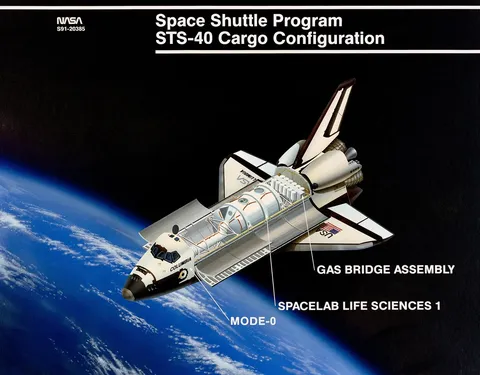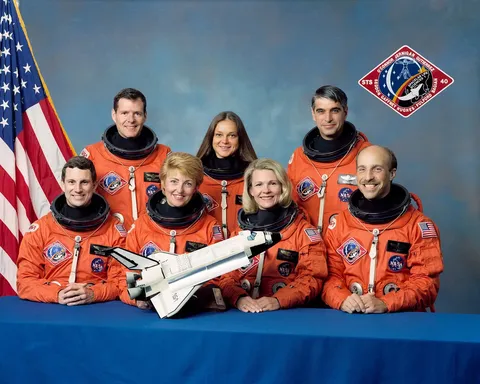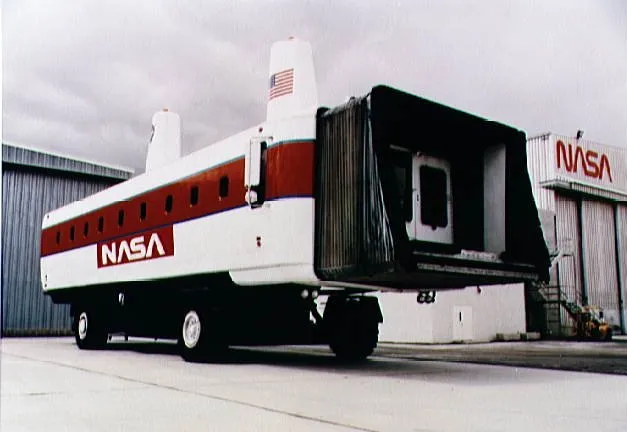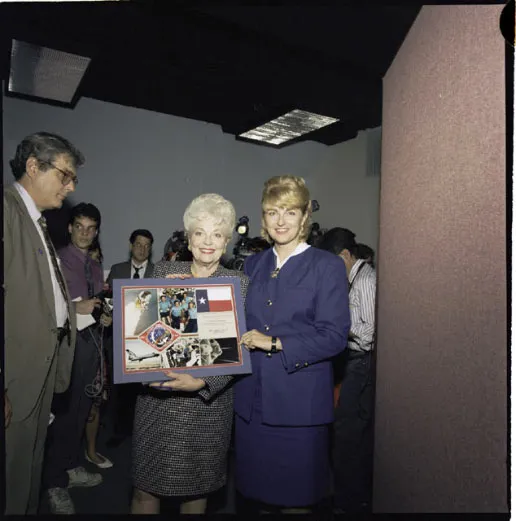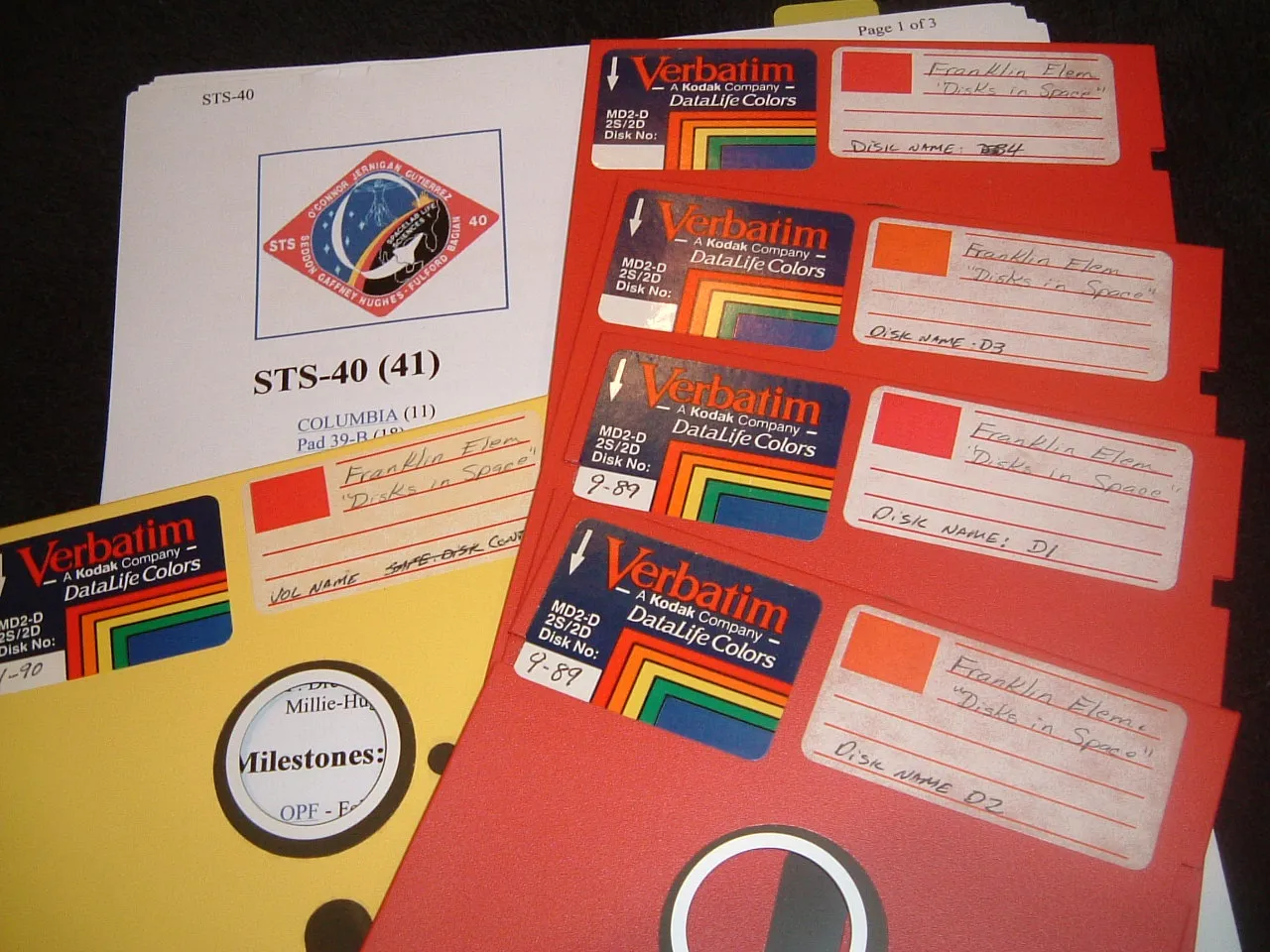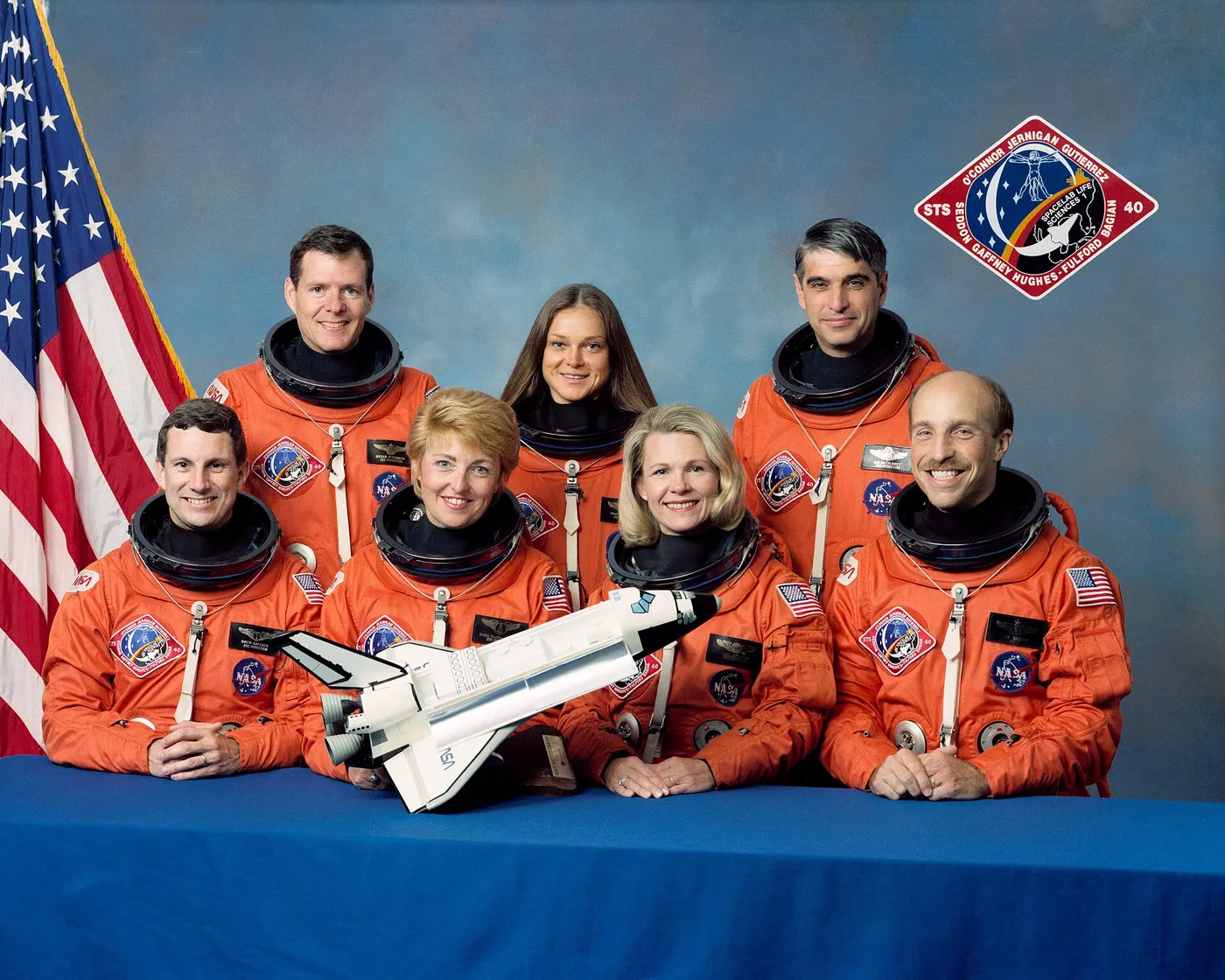
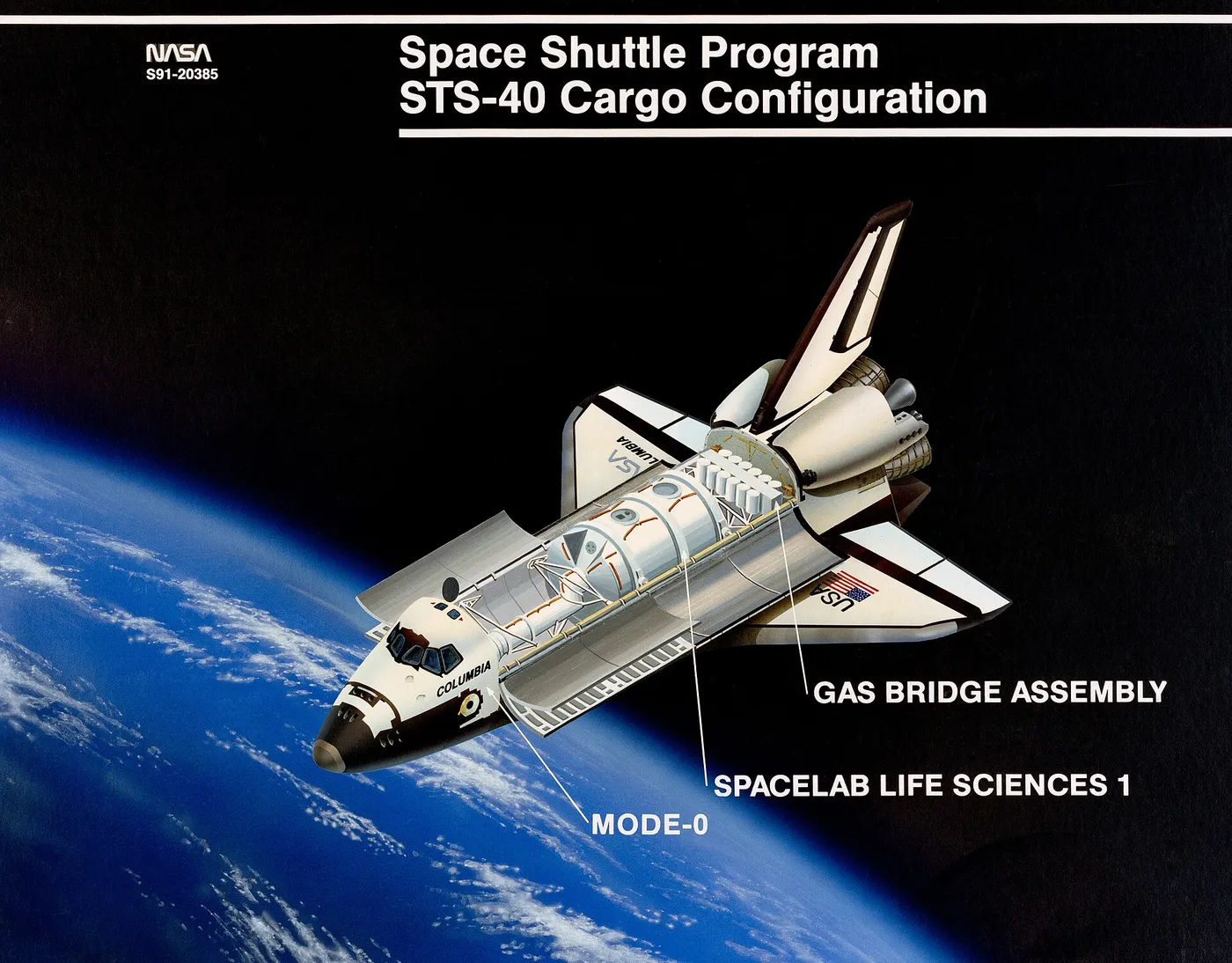
Columbia flew the first Spacelab mission devoted entirely to life sciences in June 1991, turning the laboratory into a clinic for studying how the human body adapts to weightlessness. The crew of seven were both researchers and subjects, submitting to detailed measurements of their hearts, lungs, blood and balance across nine days in orbit.
The flight carried a strong scientific bench, including physician-astronaut Rhea Seddon and biochemist Millie Hughes-Fulford, and its experiments extended to rats and thousands of tiny jellyfish whose sense of orientation was studied as it developed in space. The data on how bodies change without gravity fed directly into planning for the long-duration missions ahead, from extended Shuttle flights to the space station and beyond.
Spacelab Life Sciences 1 was the first Shuttle mission devoted entirely to biology — not materials, not astronomy, but the question of what spaceflight actually does to living things. The laboratory in Columbia's bay carried 29 rodents, some two thousand jellyfish and seven human subjects, and for nine days the crew studied all of them, including themselves.
The human work was unusually invasive and unusually honest: blood draws, breathing measurements, cardiovascular tests, and studies of the fluid shift that puffs an astronaut's face and starves their legs in the first days aloft. It produced the most detailed physiological picture of humans in orbit that anyone had assembled, and much of what is now standard knowledge about bone and muscle loss traces to this flight and its successors.
It was also the first mission to fly three women at once — Rhea Seddon, Tamara Jernigan and the payload specialist Millie Hughes-Fulford, a biomedical researcher who had spent years pushing to fly her own experiments. The jellyfish, incidentally, developed gravity-sensing organs that worked poorly when they were returned to Earth, an early hint of how deeply organisms are built around a force they never notice.