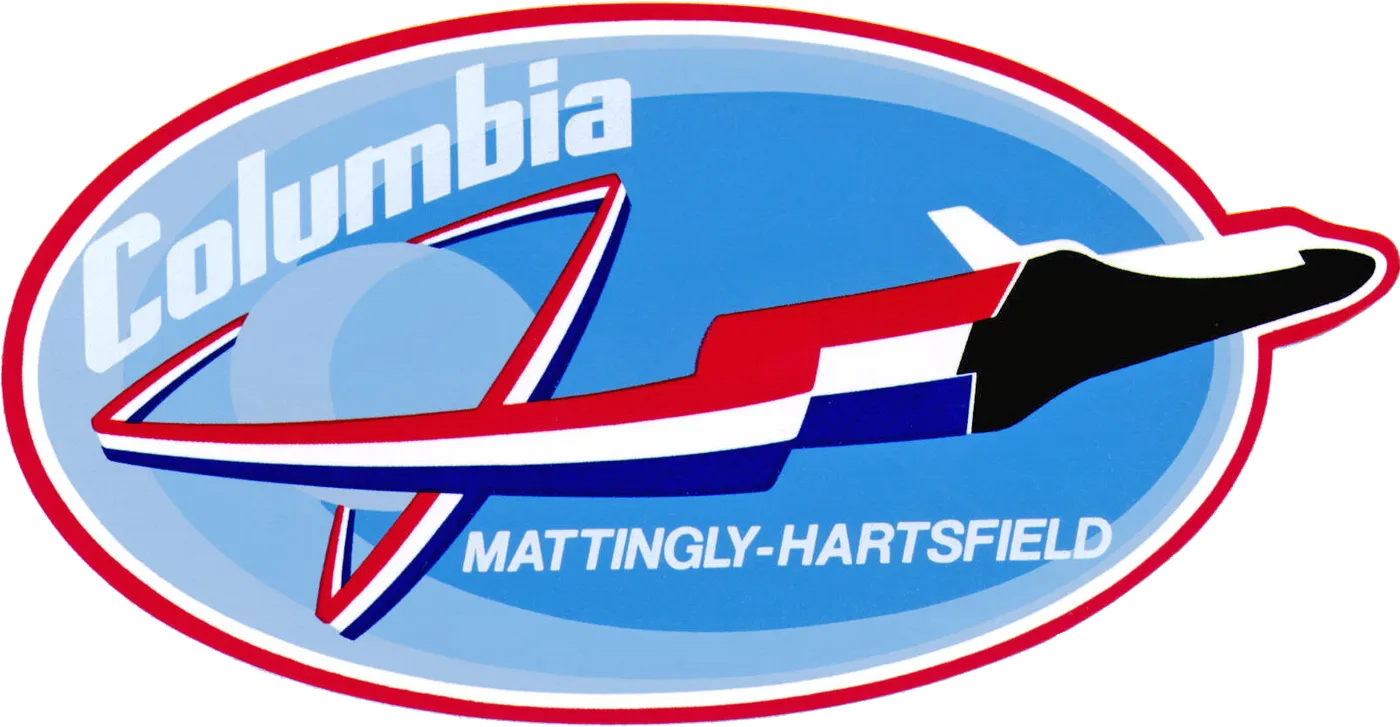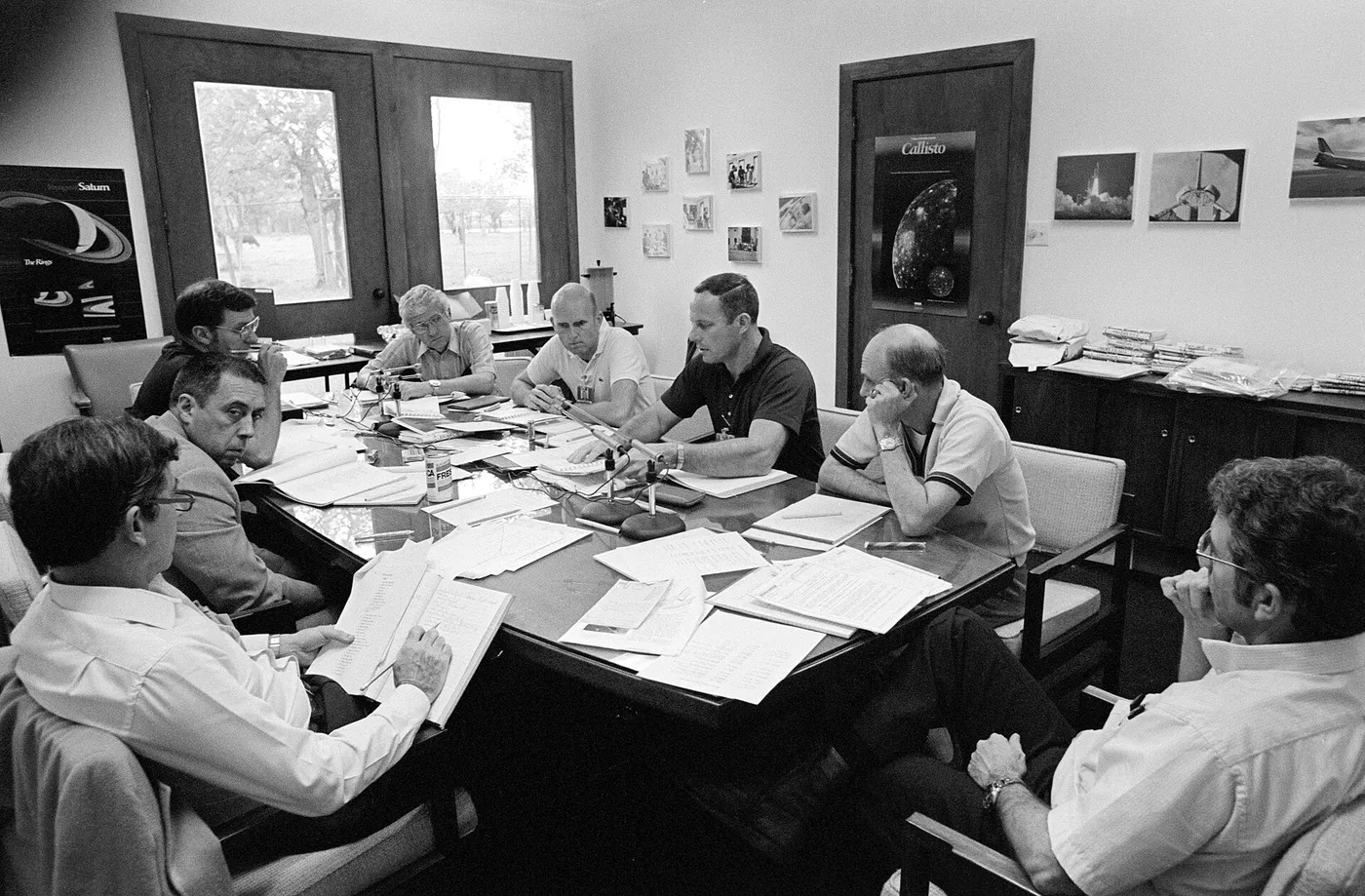
By June 1982 the Shuttle was one flight from being declared ready for routine work, and STS-4 was that final proving run. Ken Mattingly and Henry Hartsfield spent a week testing the orbiter and carrying the programme's first military payload, a classified Air Force sensor package tucked in the bay — an early sign of the deep and sometimes uneasy partnership between NASA and the Pentagon.
Columbia rolled to a stop on Edwards' concrete runway on Independence Day, where President Reagan was waiting to greet the crew and declare the system operational as a second orbiter departed on the back of its carrier aircraft. The test programme was over; from here the Shuttle was expected to earn its keep.
The last of the four test flights carried the programme's first classified cargo, a Department of Defense infrared telescope package whose details were not published. It set a pattern that would define the next several years, in which a nominally civilian science vehicle spent a significant fraction of its flights working for the military.
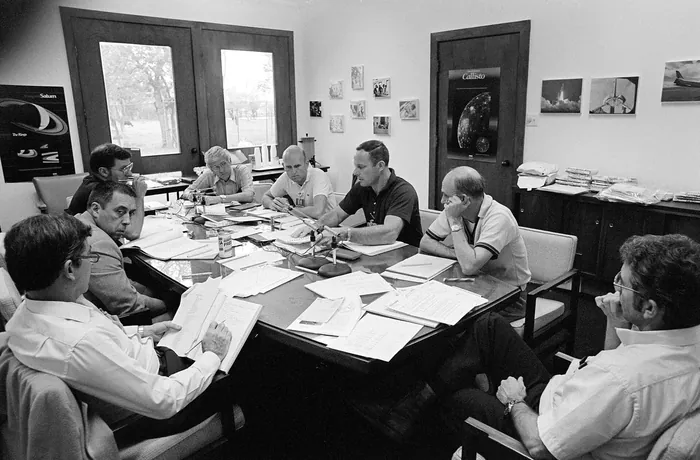
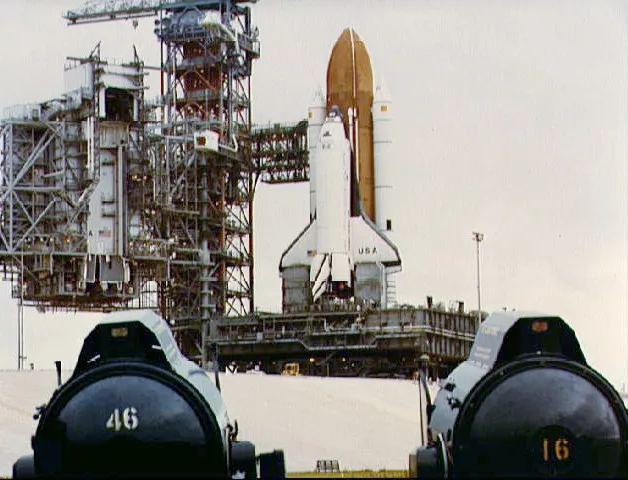
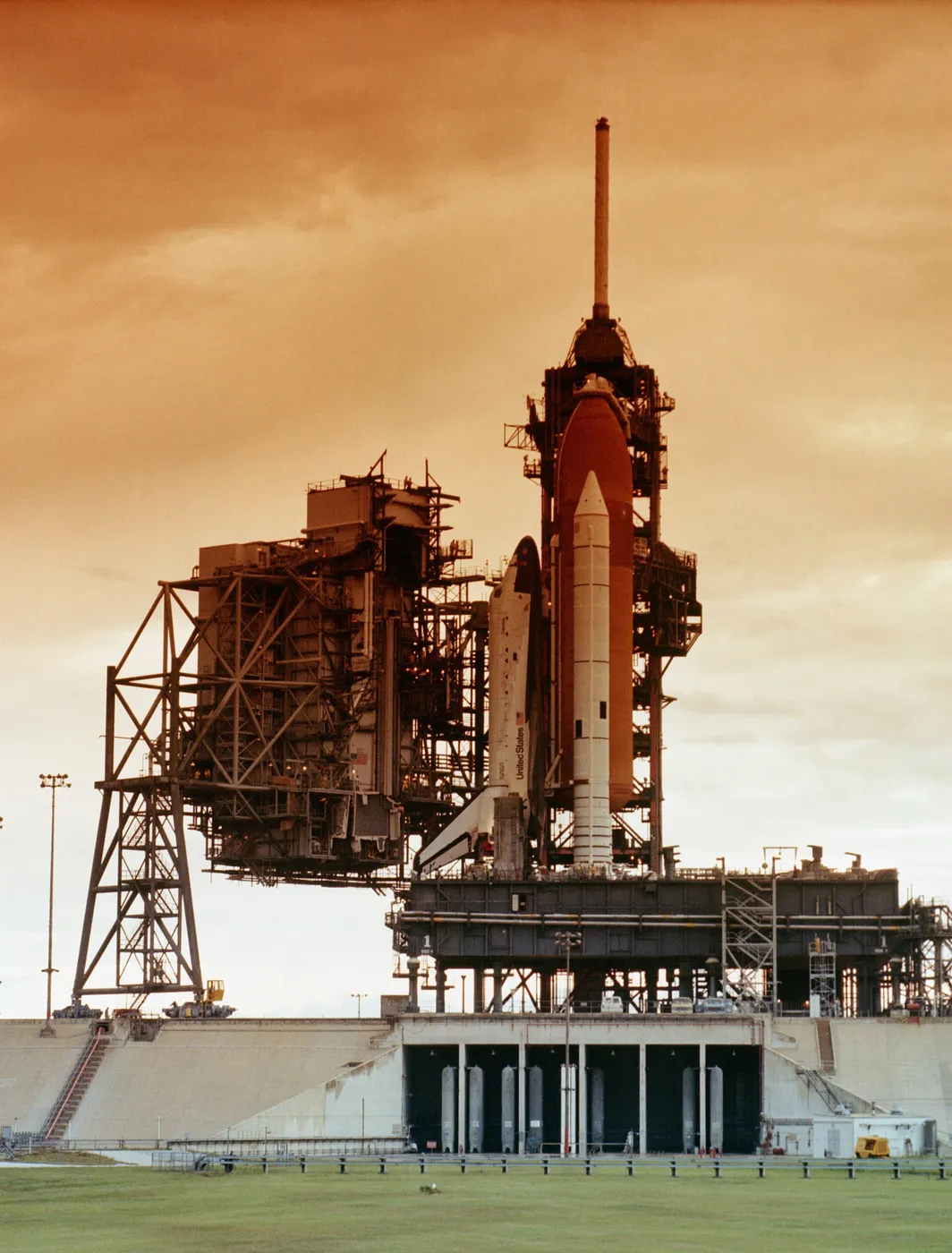
Ken Mattingly, who had missed Apollo 13 through a measles exposure that never developed, commanded with Henry Hartsfield. Their week included a lightning strike on the pad before launch, a leaking hatch seal, and a pair of solid rocket boosters lost at sea when their parachutes failed and both sank — an expensive reminder that the reusable parts were only reusable if they were recovered.
Columbia came down on the concrete runway at Edwards on Independence Day 1982 in front of President Reagan and a crowd in the hundreds of thousands, and Reagan used the occasion to declare the system operational. In retrospect the announcement was several years and a great deal of hard-won knowledge premature; the vehicle had flown four times, and calling it a routine transport shaped expectations that the programme could never actually meet.