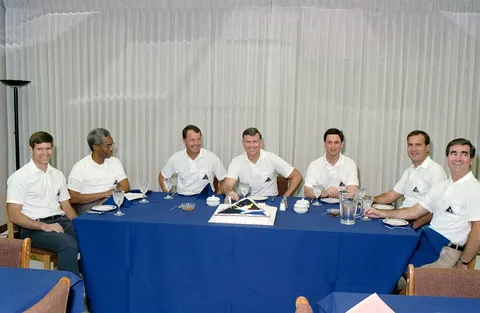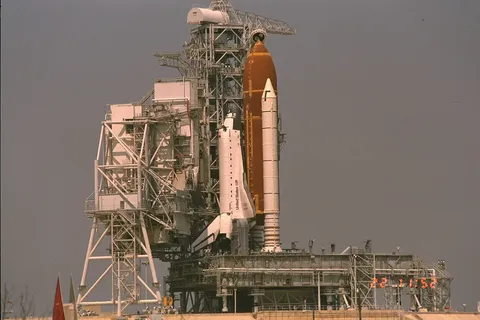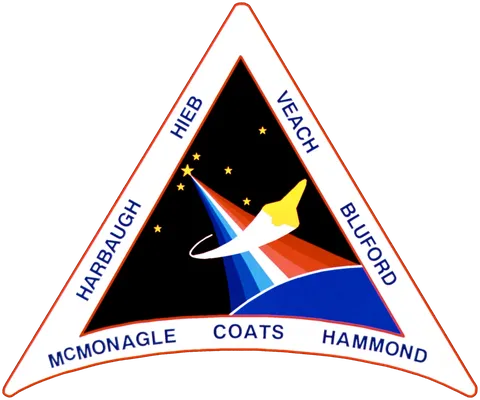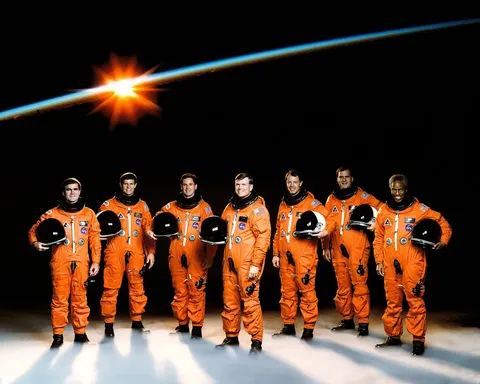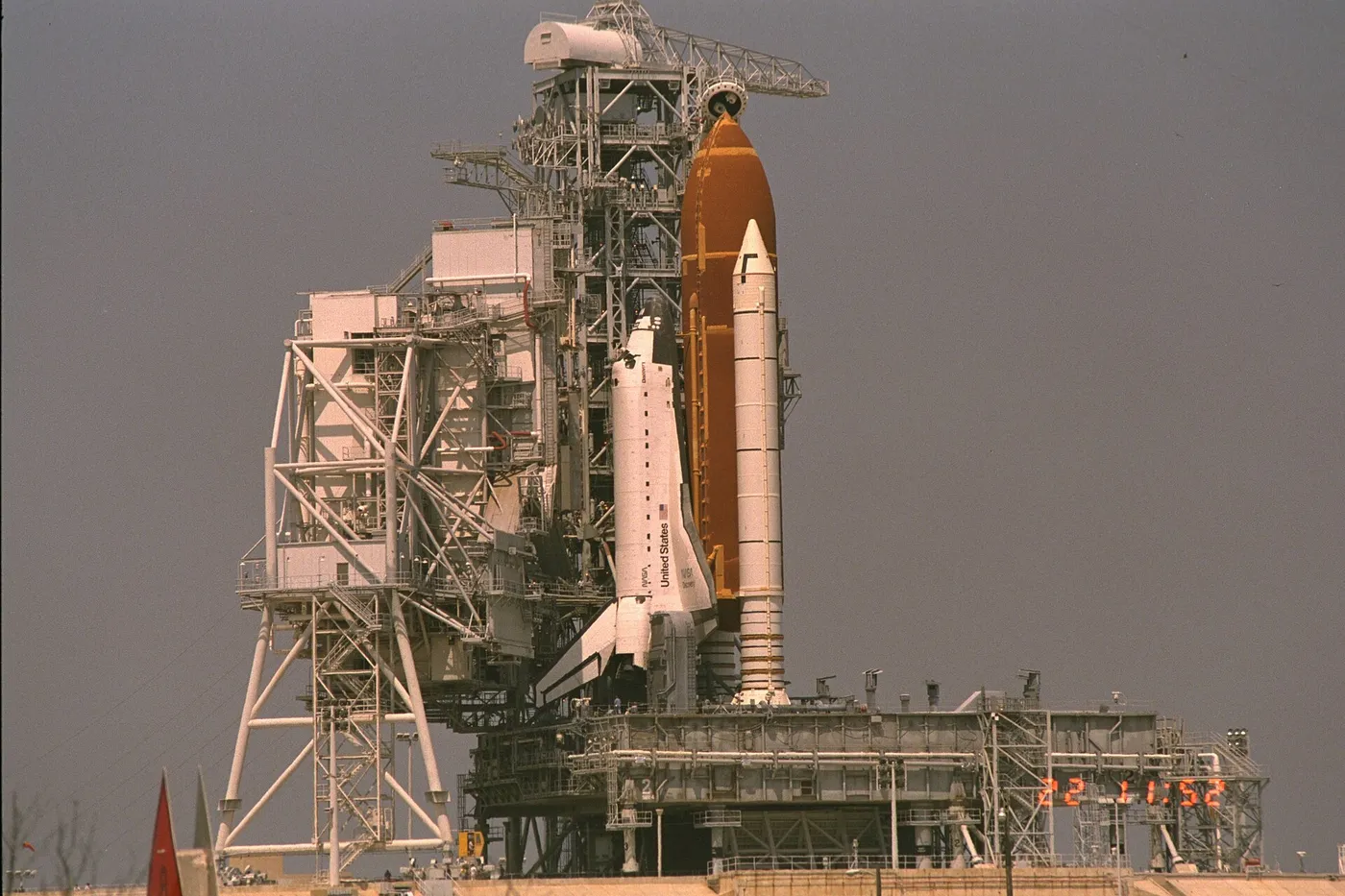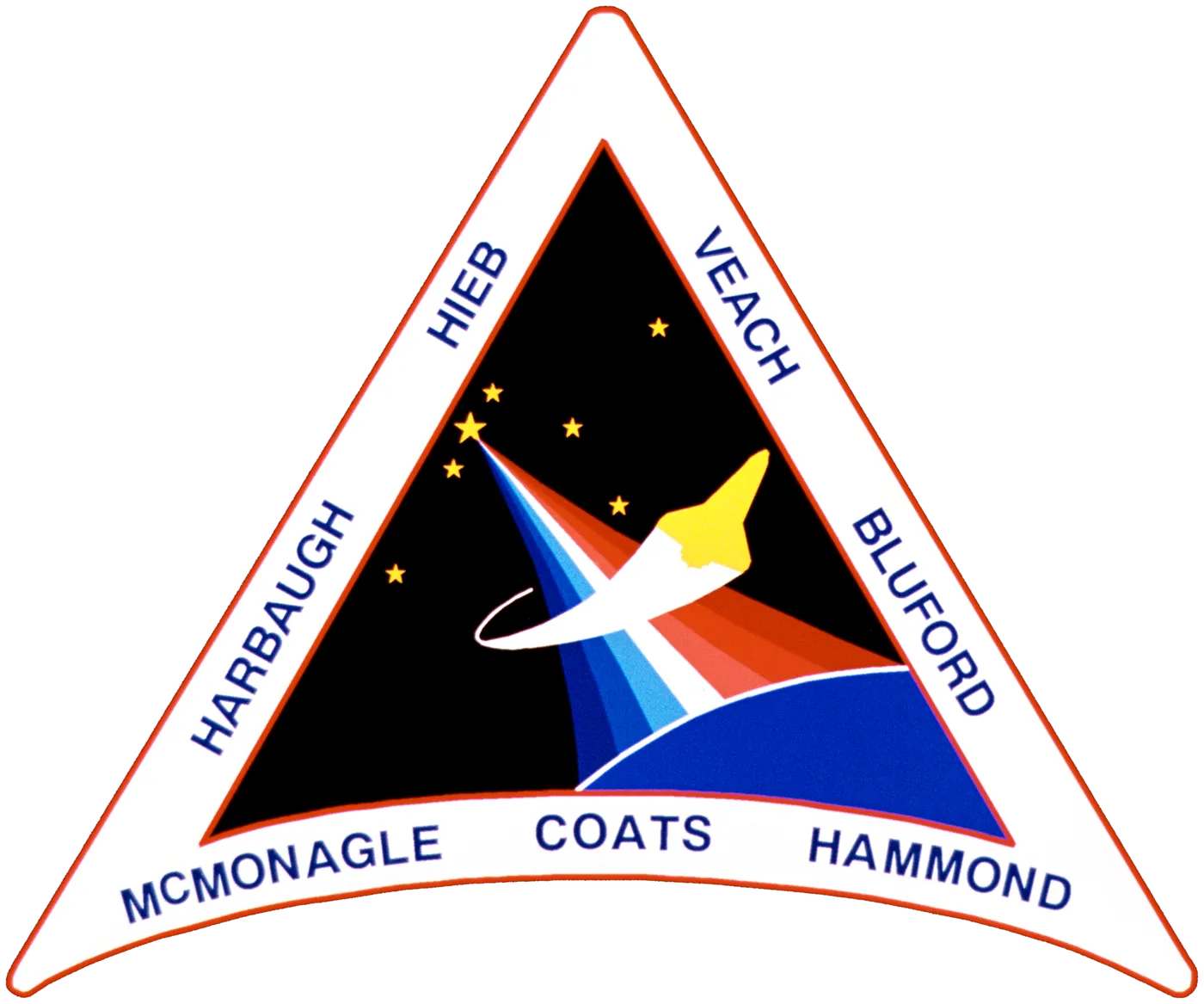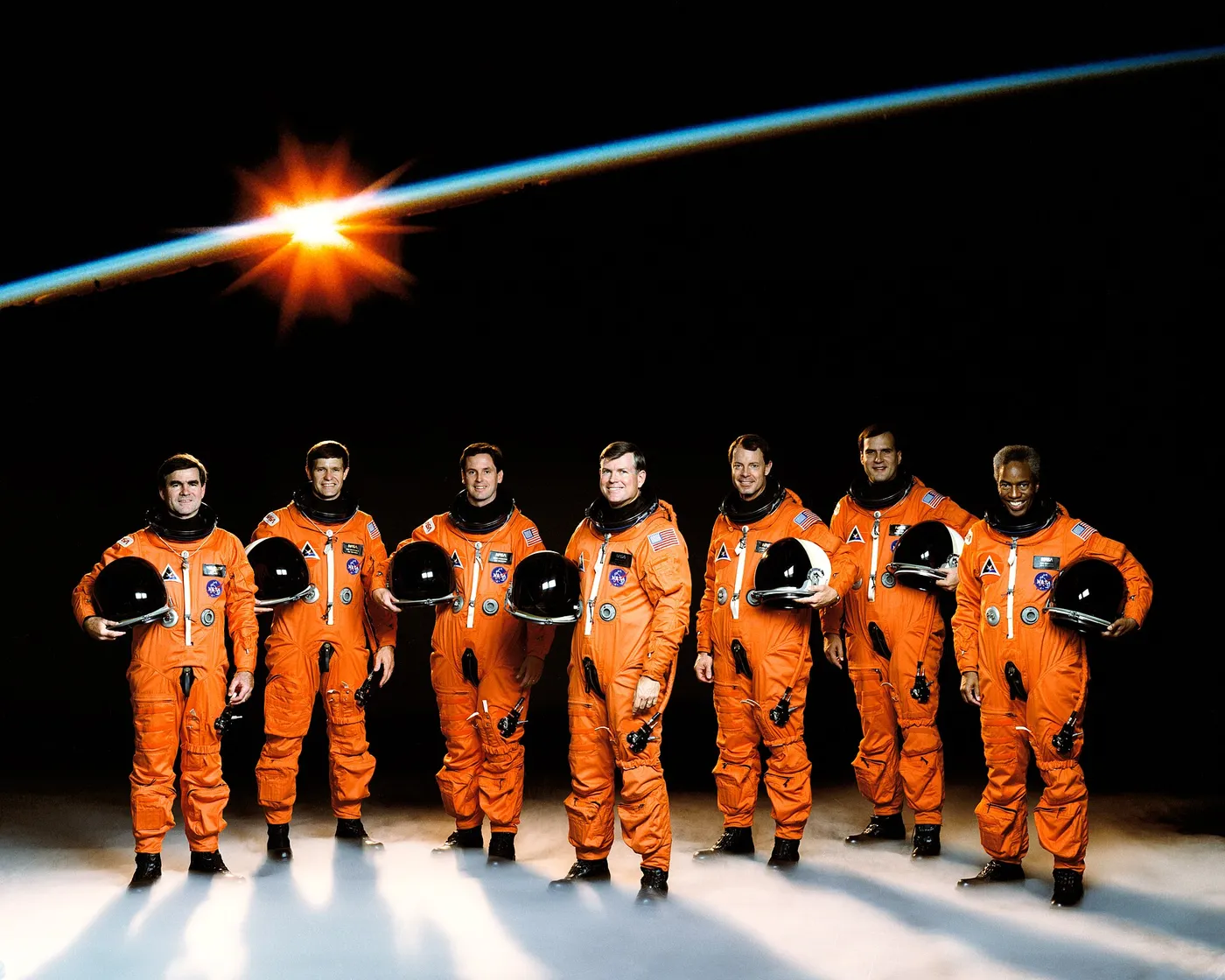
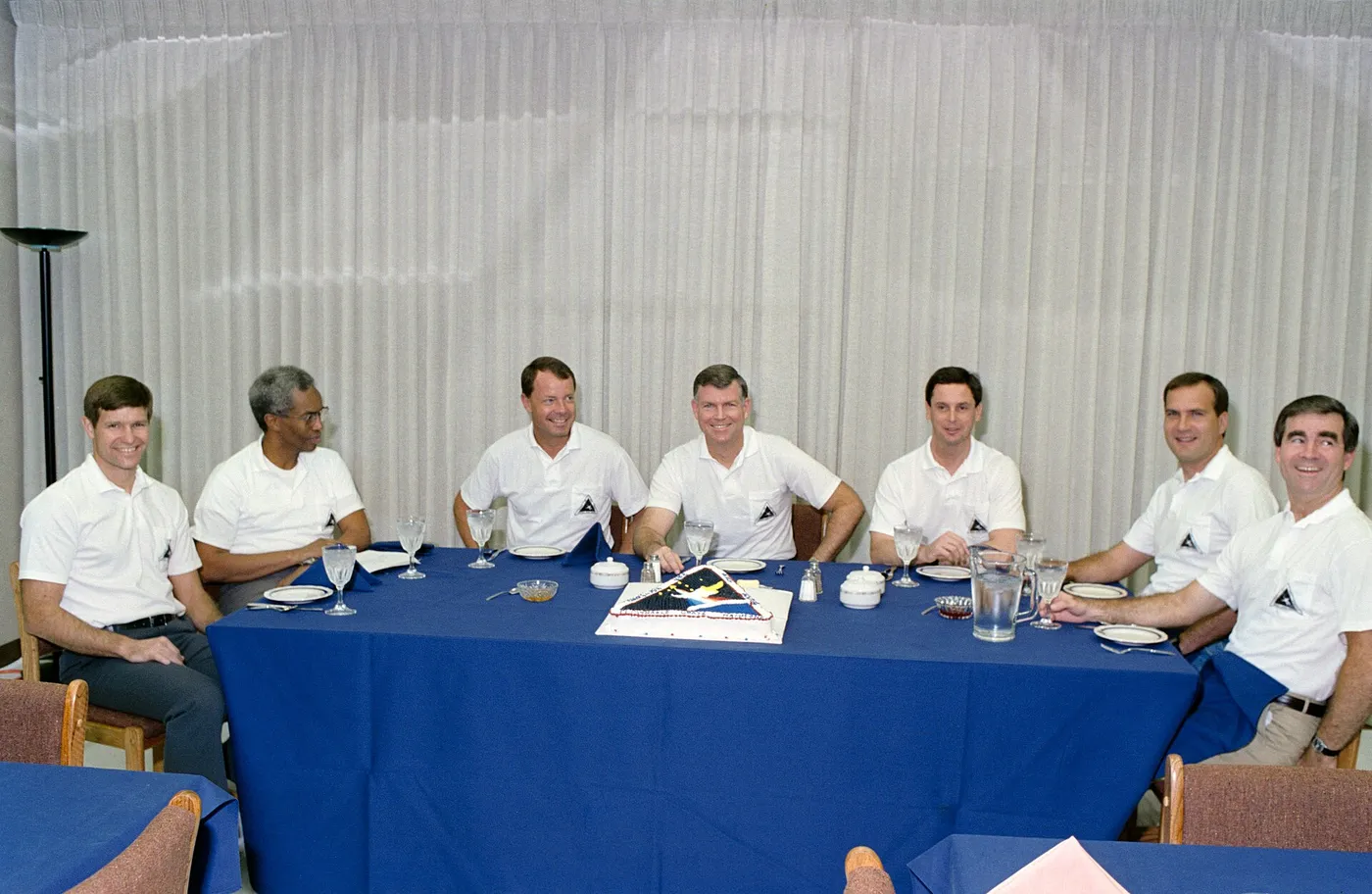
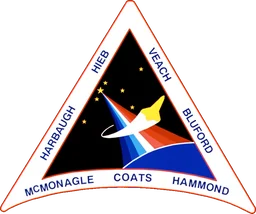
Discovery's April 1991 flight was an unclassified Defense science mission, a rare open window into the kind of work the military usually conducted in secret. The crew of seven, flying in two shifts around the clock, studied the faint glows and chemical releases of the upper atmosphere and observed rocket plumes and the aurora with a battery of sensors.
A free-flying platform was released and retrieved to watch the orbiter's own thruster firings from a distance, gathering data on how spacecraft exhaust behaves in the near-vacuum of low orbit. The eight-day mission blended basic science with applications for missile detection, and its openness stood in deliberate contrast to the veil that had hidden the fleet's other military flights.
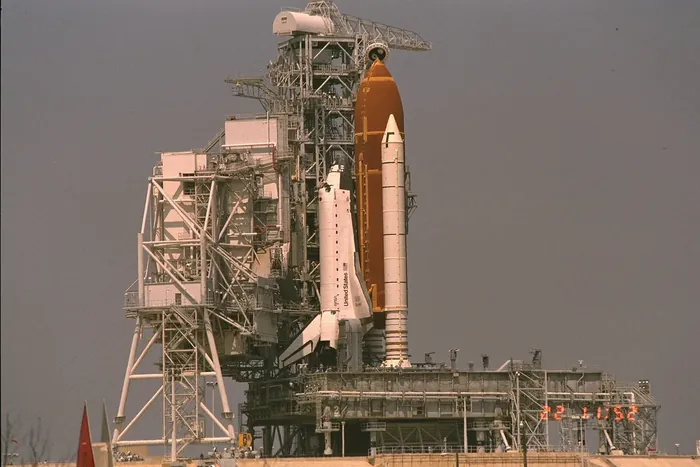
Unlike almost every other military Shuttle flight, this one published its science. The mission carried an Air Force payload studying the natural and artificial backgrounds against which missile-warning sensors have to work — the aurora, airglow, the faint chemistry of the upper atmosphere, and the plumes of rocket motors fired deliberately for the cameras.
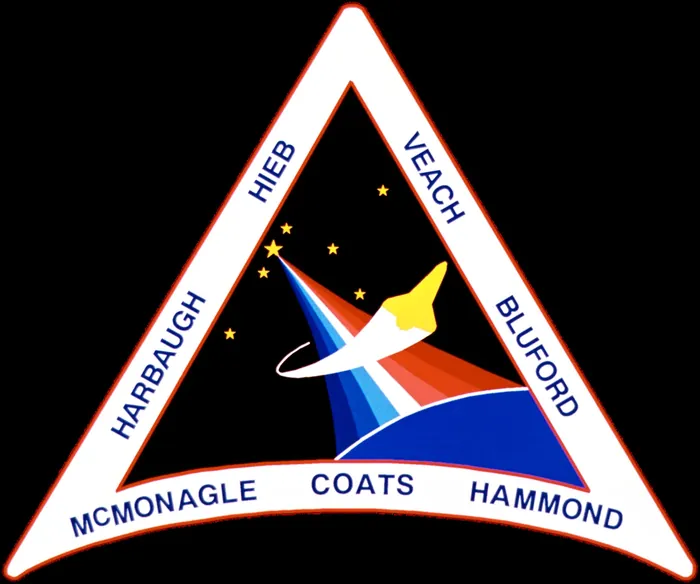
The crew released a free-flying instrument platform and then flew Discovery in formation with it, firing the orbiter's own thrusters at measured distances so the sensors could record exactly what a rocket exhaust looks like from various angles in vacuum. It was, in effect, a controlled experiment in how to tell a missile from an aurora.
The mission ran two shifts around the clock for eight days and produced an enormous quantity of unclassified atmospheric data alongside its defence work — a rare case of the two purposes running together openly. It was also the last flight to carry a dedicated Air Force science payload of this kind before the programme's military work wound down.