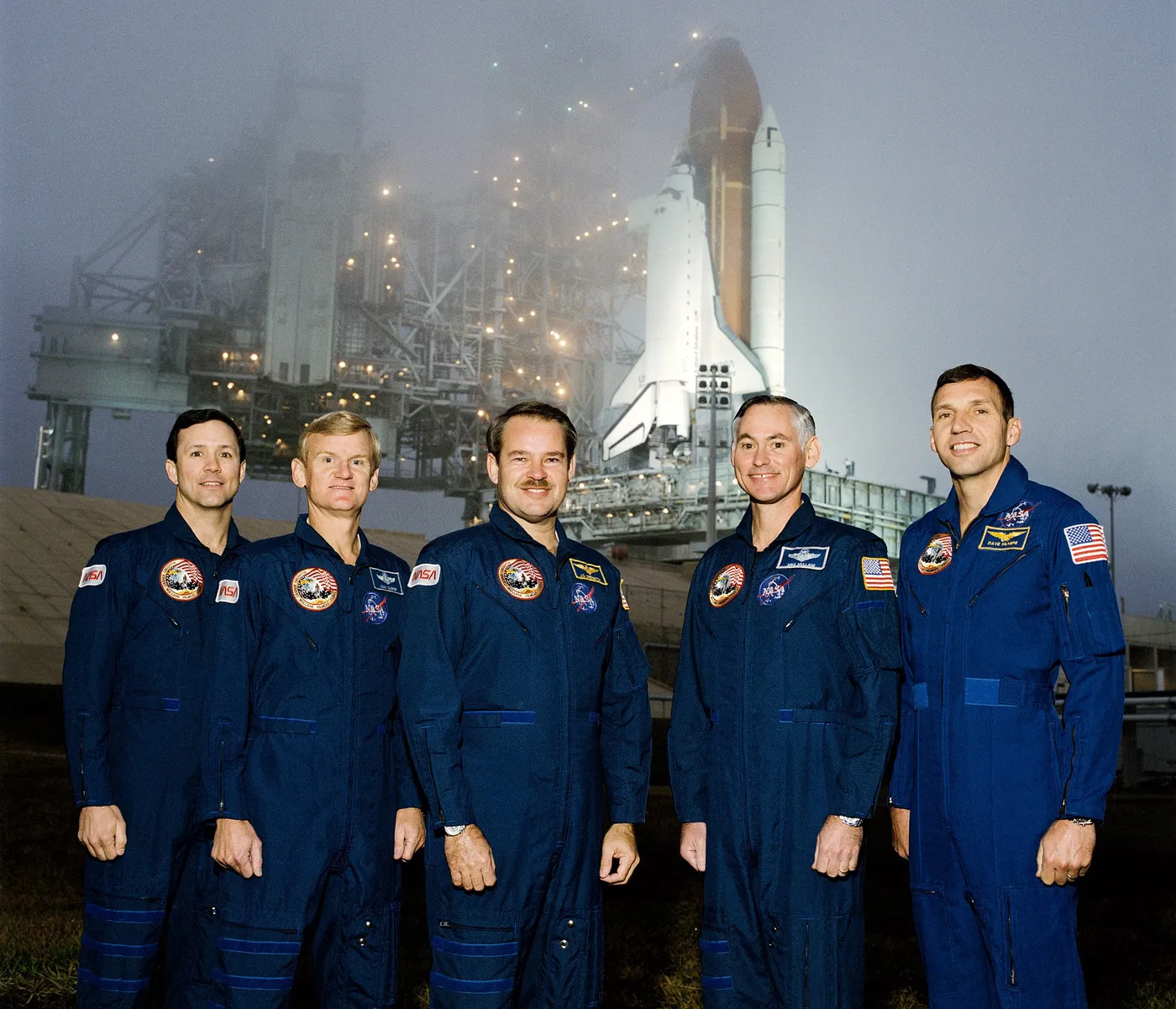
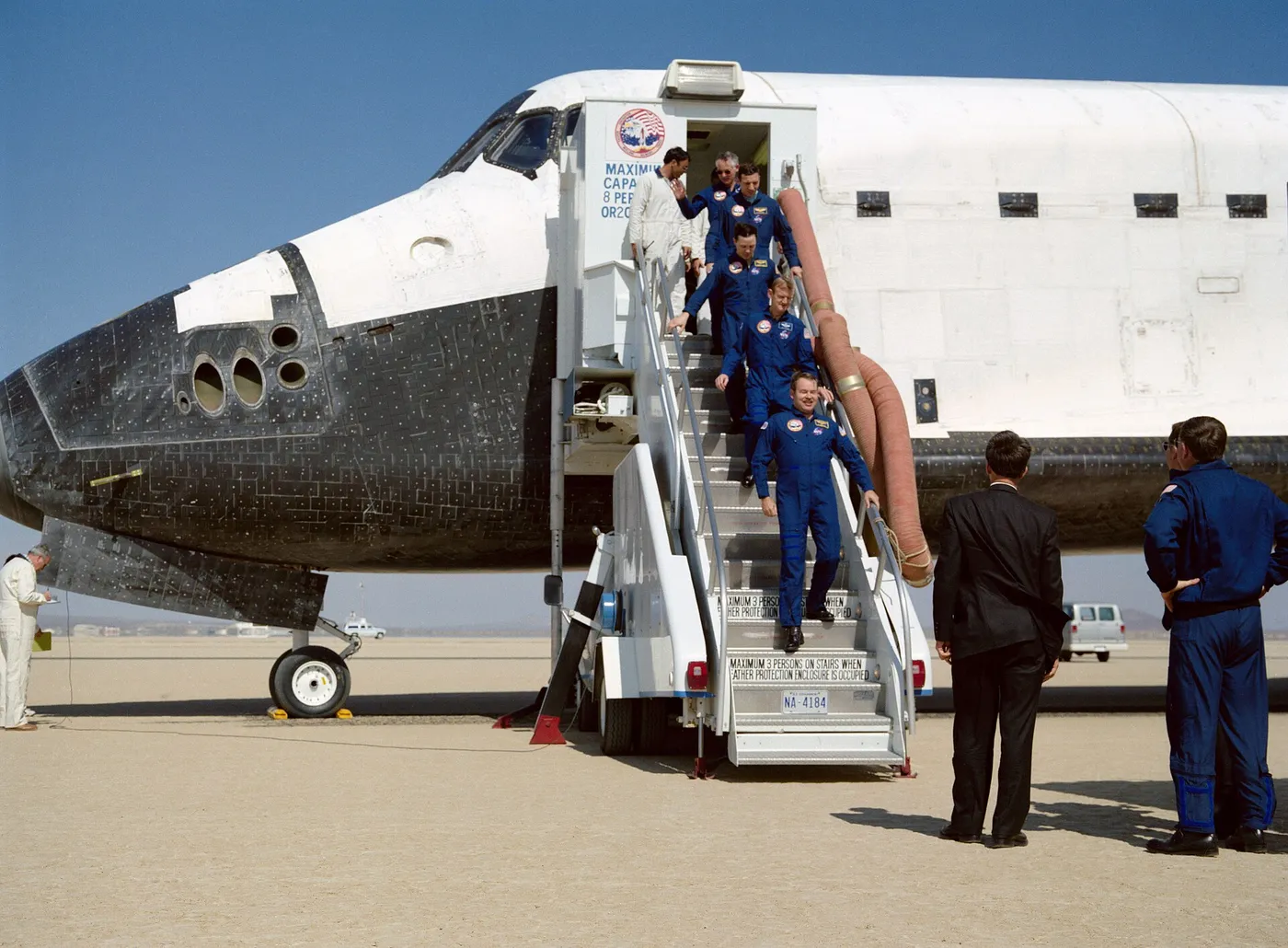
Atlantis flew a classified Defense mission in February 1990, notable to observers mainly for its unusual trajectory. The Shuttle climbed into a steep orbit tilted far from its normal path, a high inclination that let its secret payload pass over more of the globe — and which required a dog-leg maneuver during ascent to stay clear of populated areas.
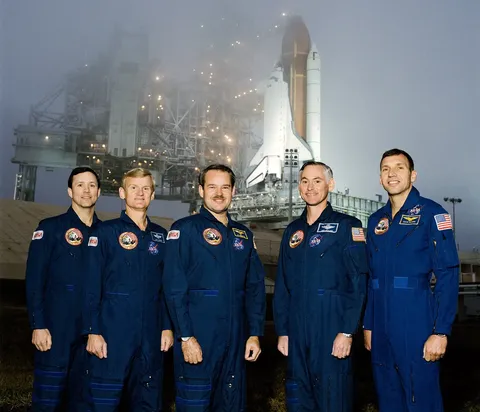
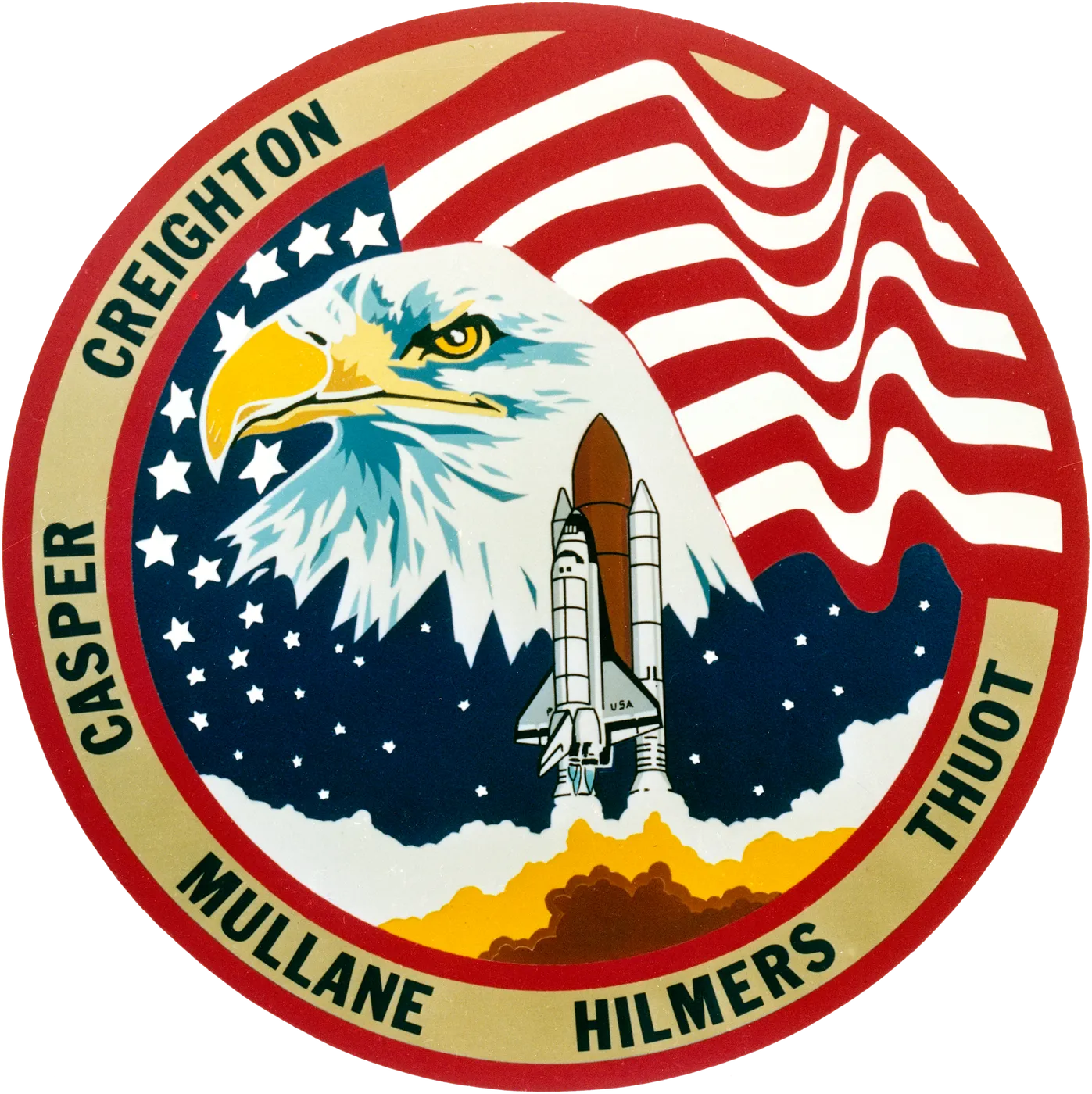
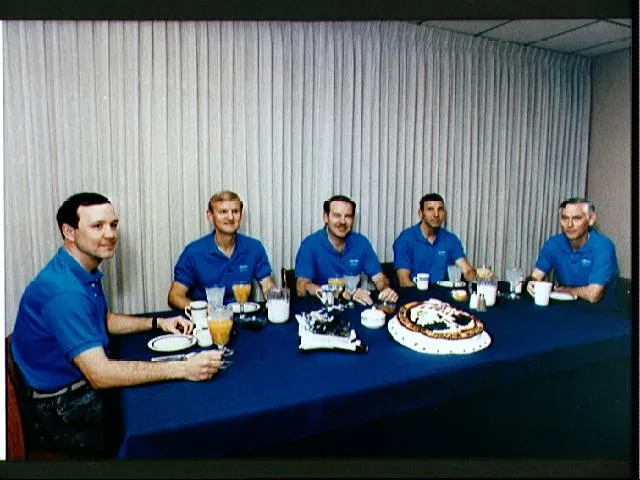
The crew of five deployed a reconnaissance satellite whose very existence was never officially confirmed, and which appeared to break up soon after, possibly by design to conceal its true nature. Like the other military flights of the period, STS-36 left almost no public trace, a reminder that a portion of the Shuttle's work in these years was carried out entirely in the shadows.
Atlantis flew a strange trajectory in February 1990. Rather than heading north-east from Florida on the usual track, the orbiter performed a dog-leg manoeuvre during ascent and ended up in an orbit inclined 62 degrees to the equator — by a wide margin the steepest inclination any Shuttle ever flew, and one that cost a substantial amount of performance to reach.
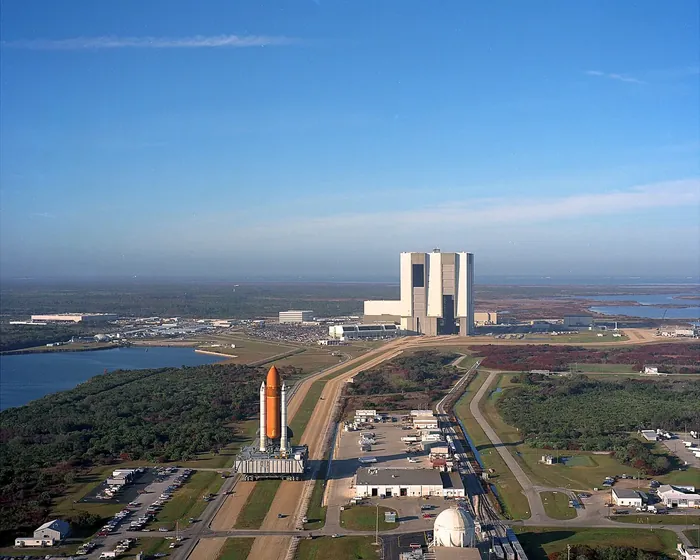
The manoeuvre was necessary because the standard high-inclination launch corridor would have carried the vehicle over populated areas, and the payload needed an orbit that took it over the Soviet Union frequently. The mission was classified; outside analysts have long associated it with an experimental stealth reconnaissance satellite designed to be difficult to track from the ground.
It was the closest the Shuttle ever came to being flown as a purely military spaceplane, which was, after all, one of the things the Air Force had helped design it for — the cross-range gliding capability and the enormous payload bay both existed largely to satisfy military requirements. Within three years the dedicated military flights had ended altogether.