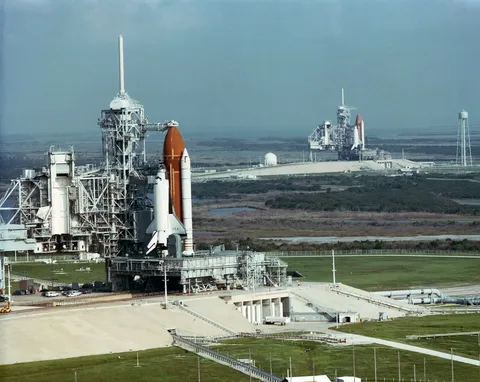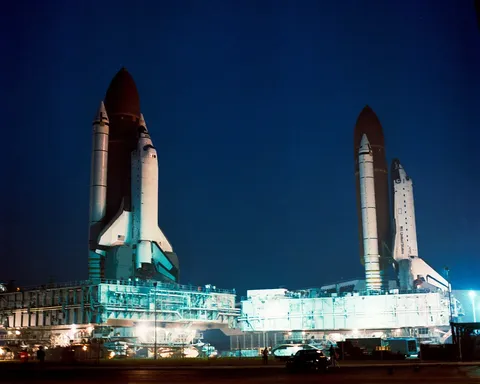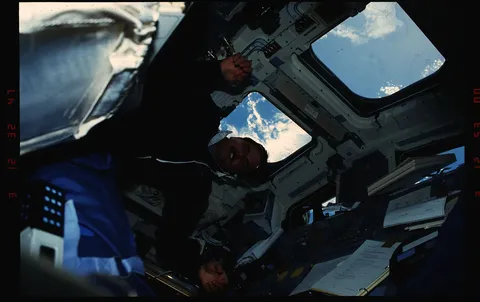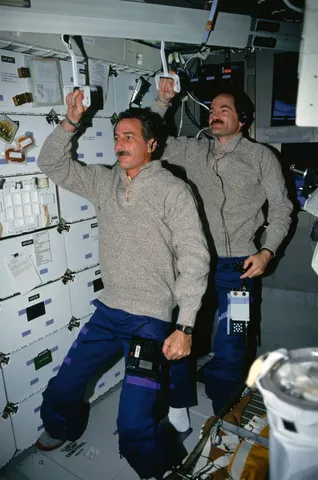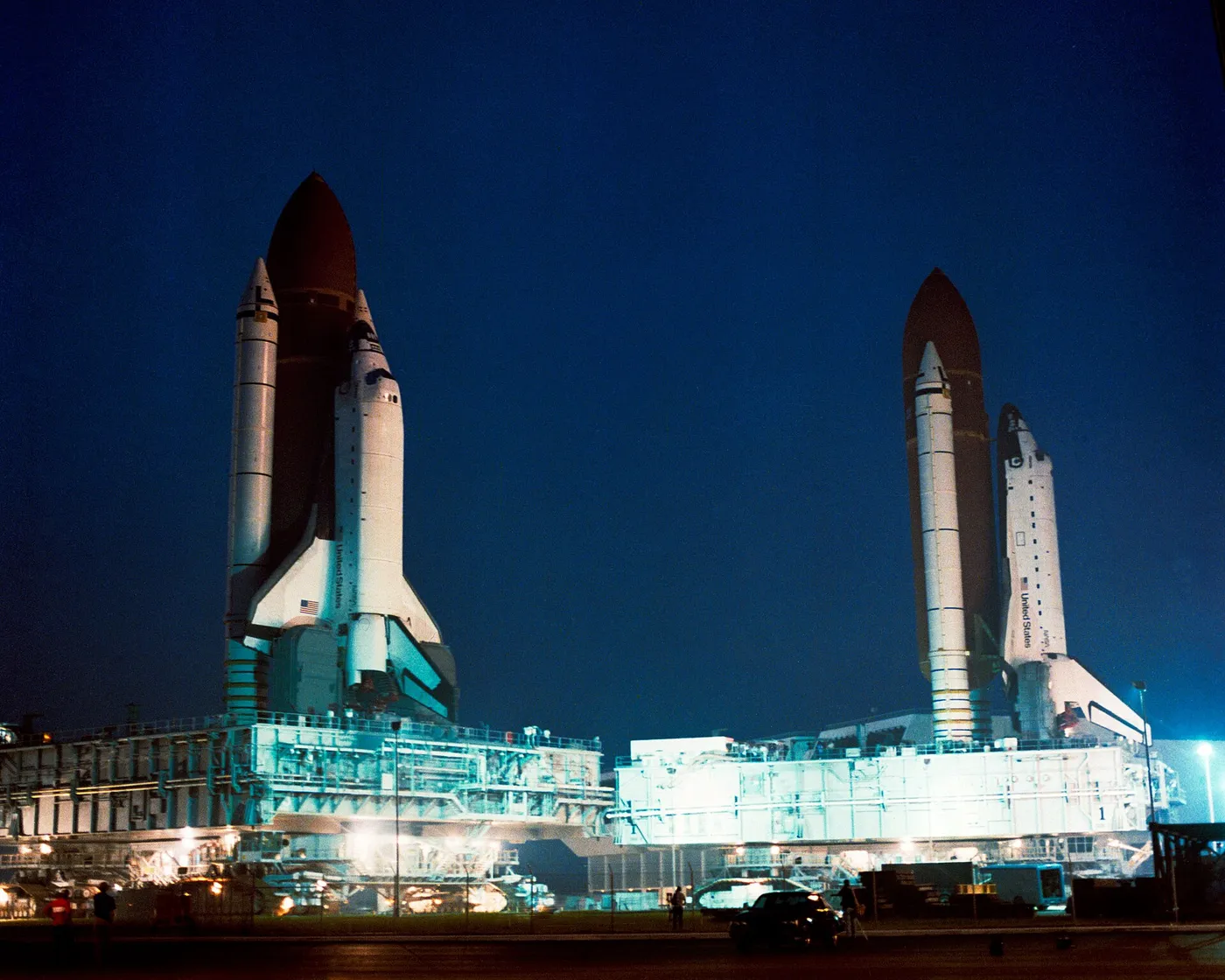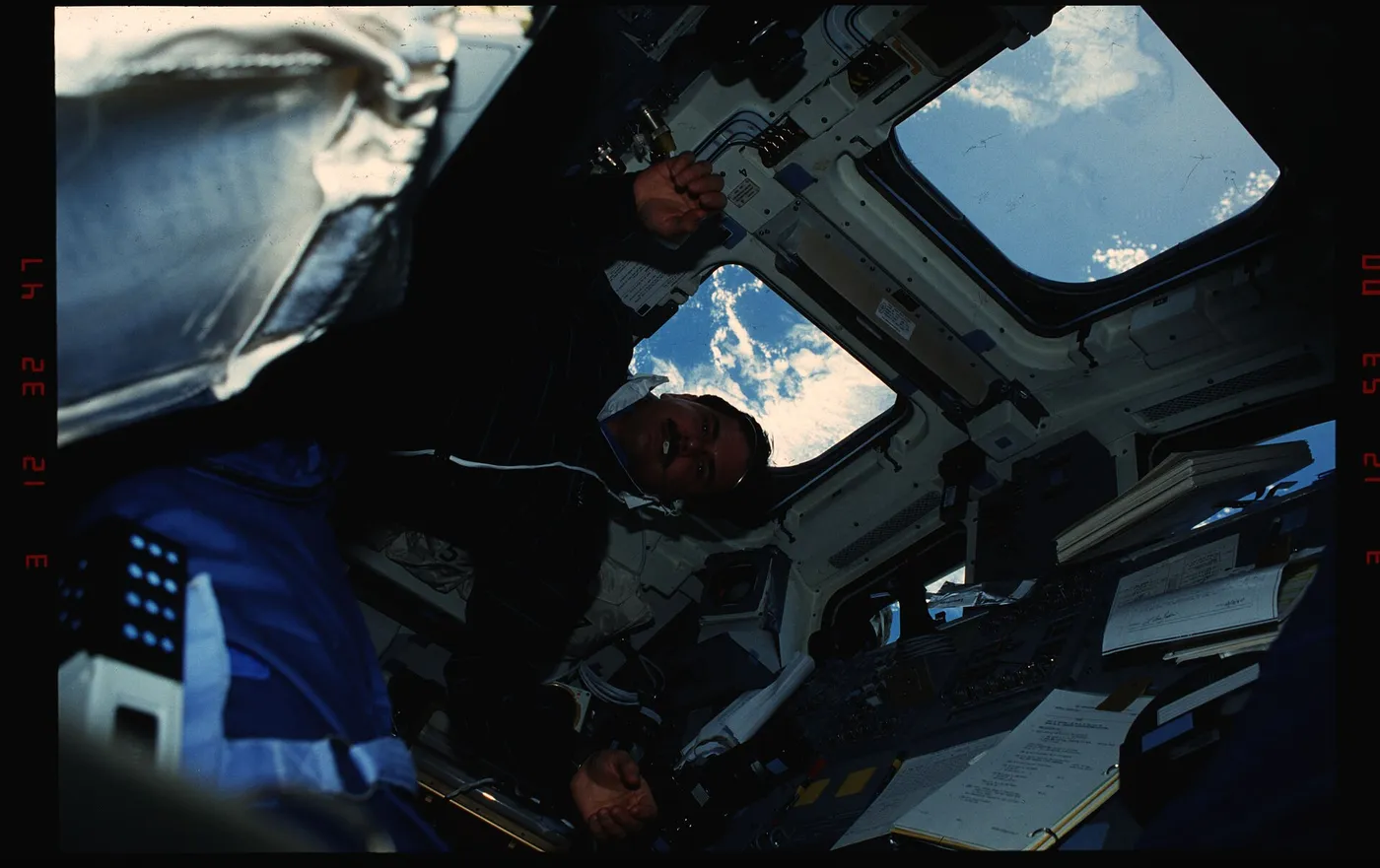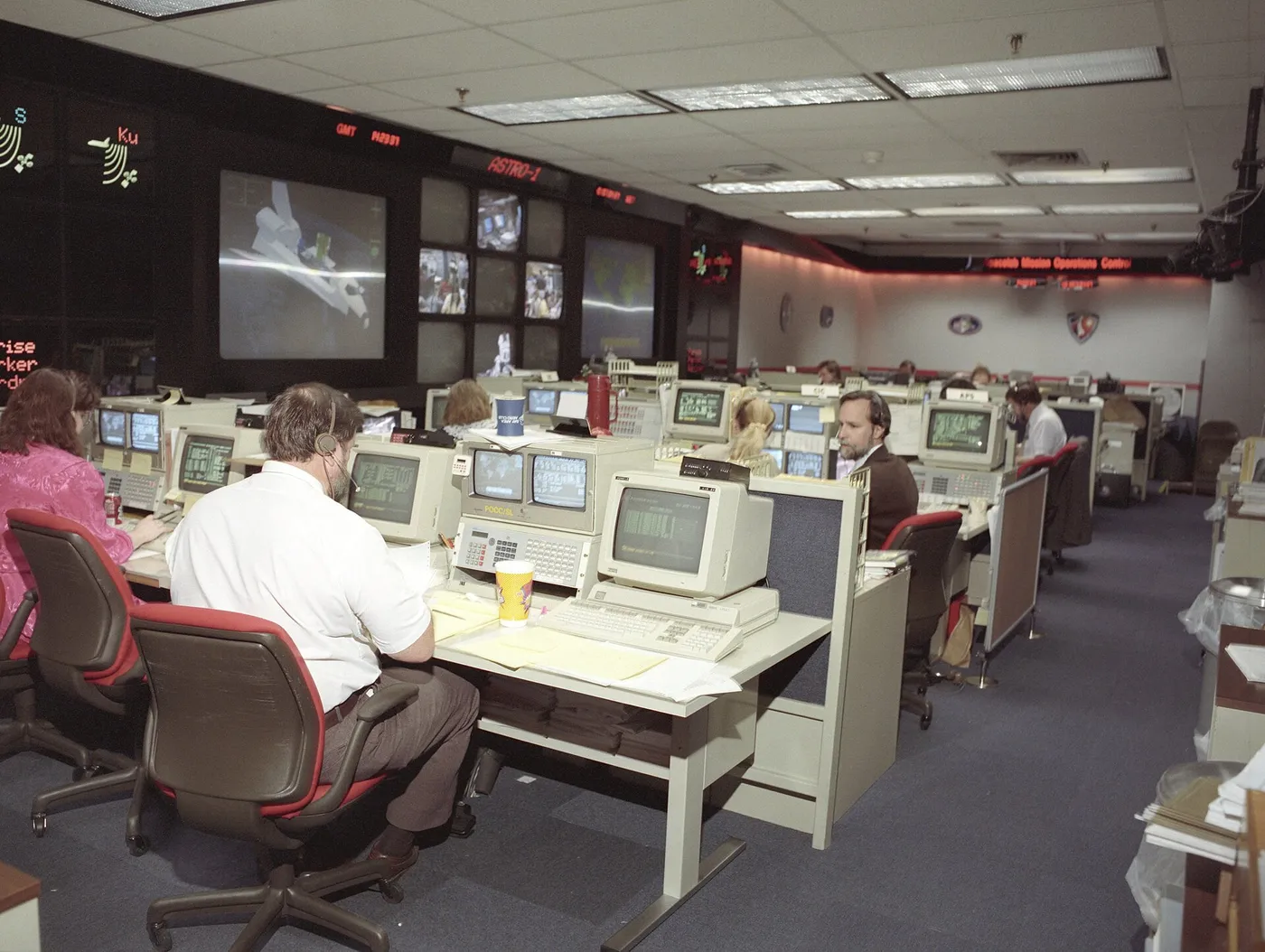
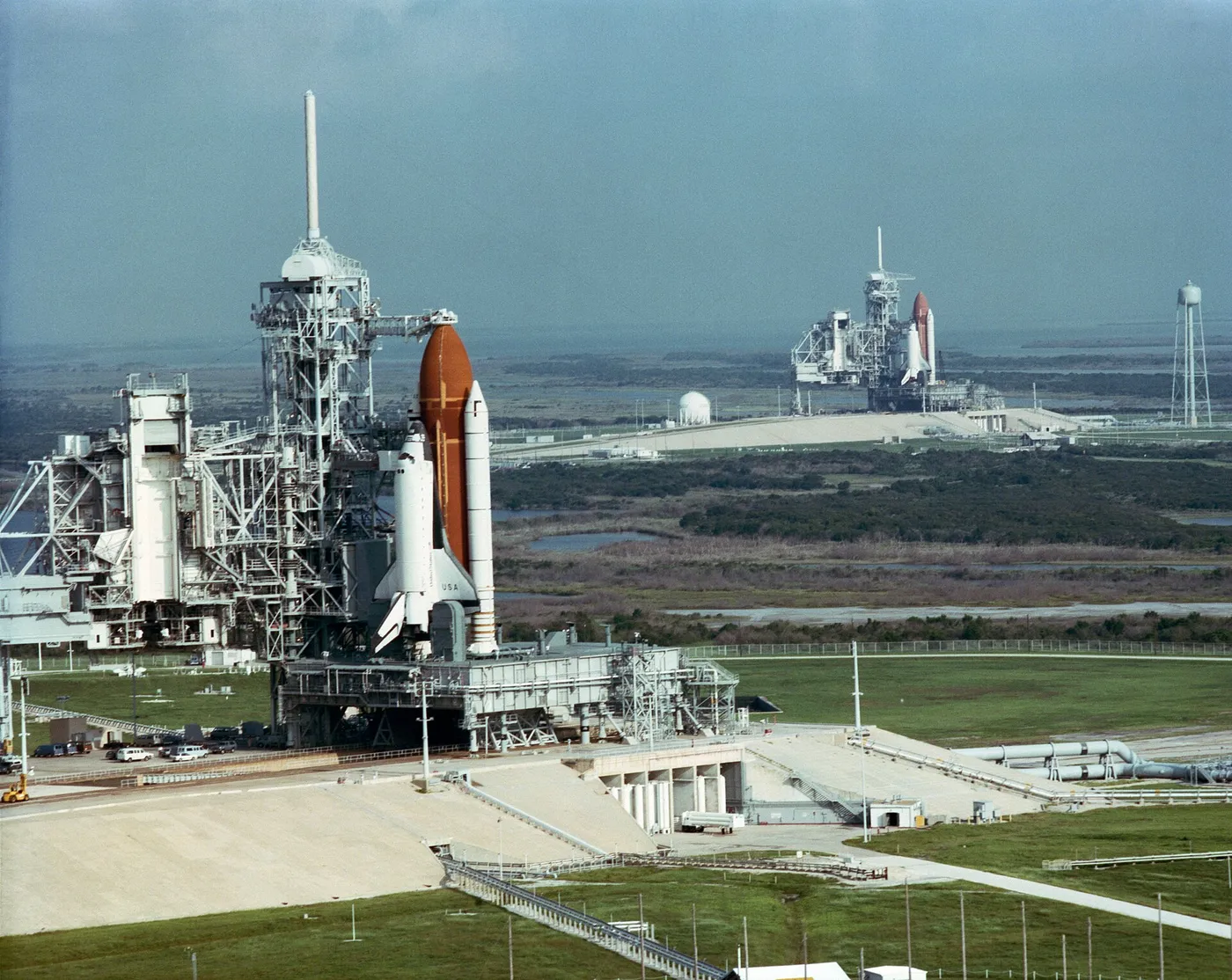
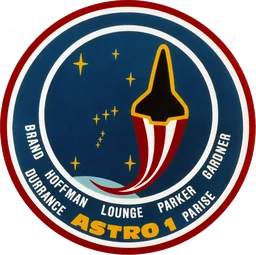
Columbia's December 1990 flight turned the payload bay into an observatory, carrying the ASTRO-1 cluster of ultraviolet and X-ray telescopes to study the hot, energetic universe invisible from the ground. The mission had been delayed repeatedly, including by fuel leaks that had grounded Columbia for months, and its crew of seven worked in two shifts to make up for lost time.
Trouble followed them into orbit, as failures in the pointing system forced the ground and crew to aim the telescopes by improvised means. Even so, the astronomers aboard, including astronomer-astronaut Ron Parise, gathered ultraviolet observations of stars, galaxies and a supernova's remnants. It was a demonstration that the Shuttle could serve as a crewed platform for astronomy, complementing the free-flying telescopes it also launched.
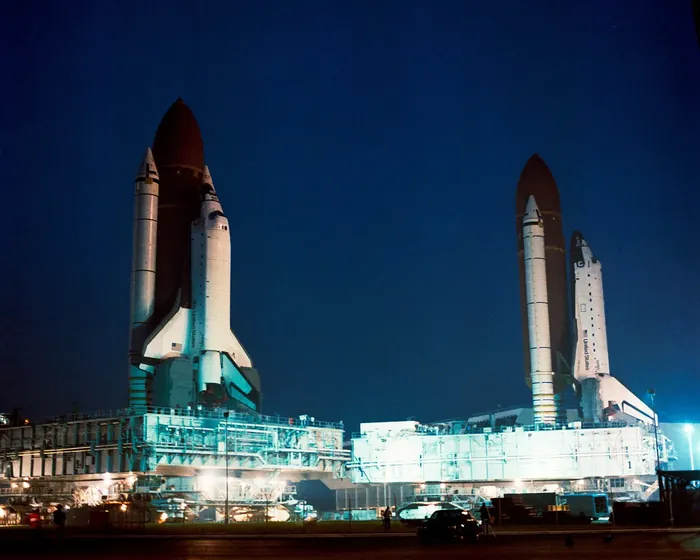
Astro-1 was an observatory bolted into a payload bay: three ultraviolet telescopes and an X-ray instrument, flown to look at the universe in wavelengths the atmosphere blocks. Getting it up took six months of delays for hydrogen leaks that engineers struggled to locate, and by the time Columbia flew in December 1990 the crew had been in training for years.
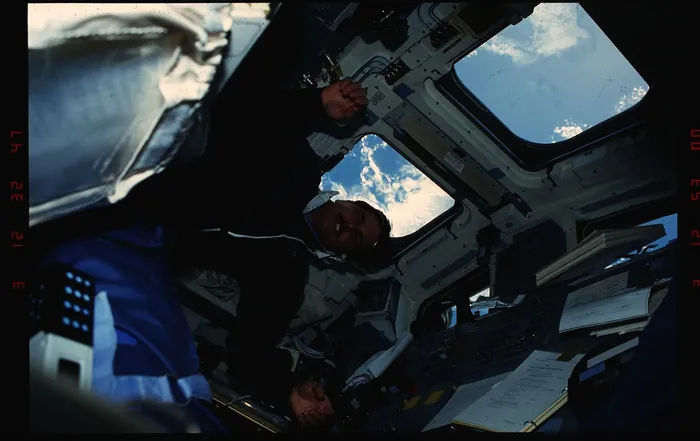
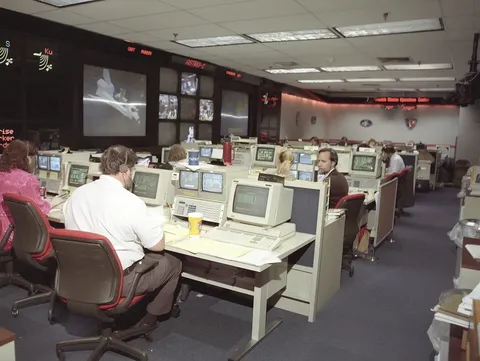
Then both of the pointing consoles failed. The units the crew used to aim the telescopes broke down one after the other, leaving instruments worth a decade of astronomers' careers unable to be pointed from inside the spacecraft. What followed was improvisation on a large scale: controllers at Marshall took over the pointing from the ground, working with the crew reading numbers aloud, and salvaged most of the observing programme.
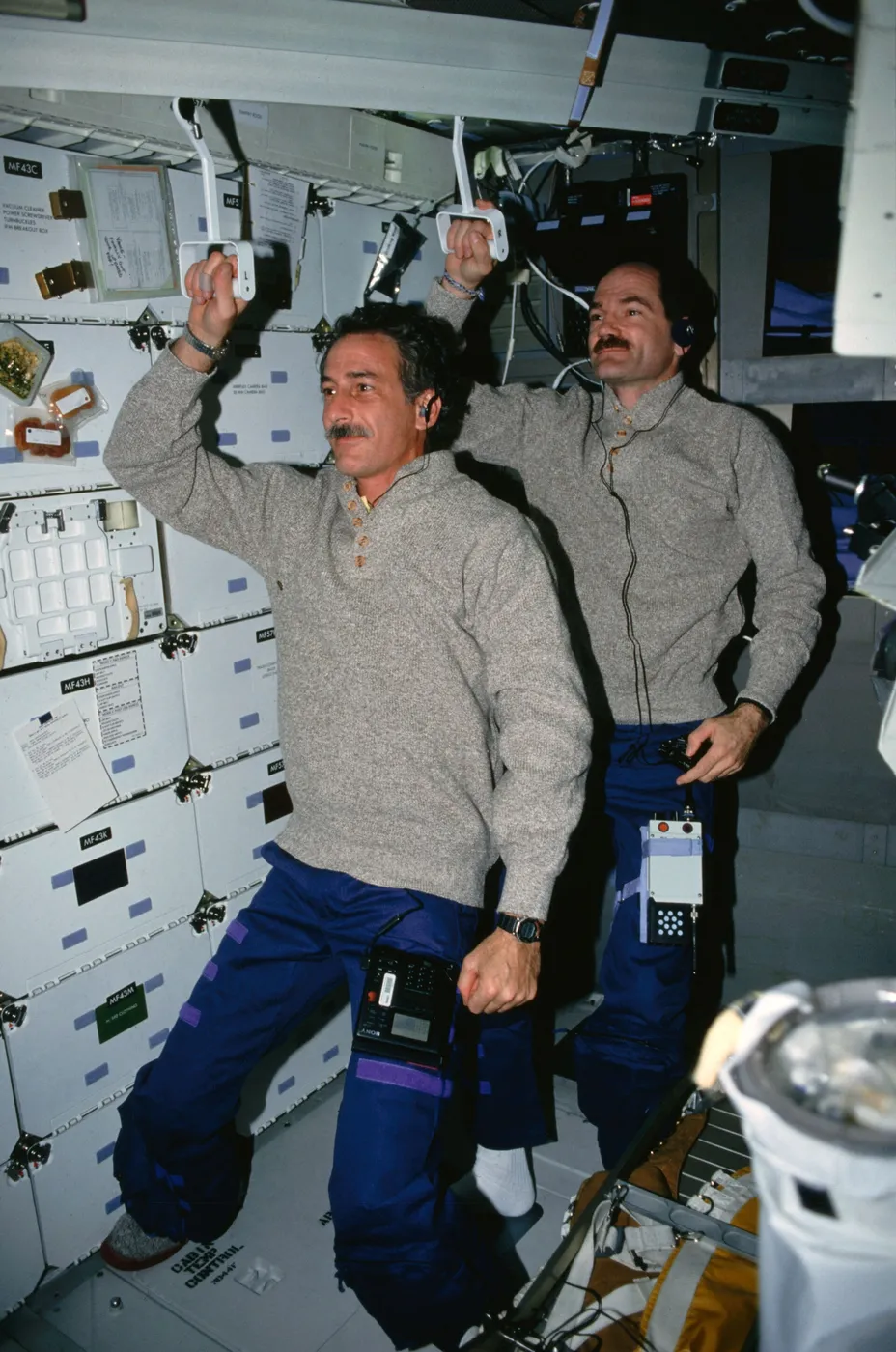
The flight carried two astronomers as payload specialists, Sam Durrance and Ron Parise, who had helped build the instruments they were now nursing; Parise, a keen radio amateur, spent his off hours making contacts with operators on the ground. Commander Vance Brand, at 59, became the oldest person to fly in space to that date — a record John Glenn would take emphatically eight years later.