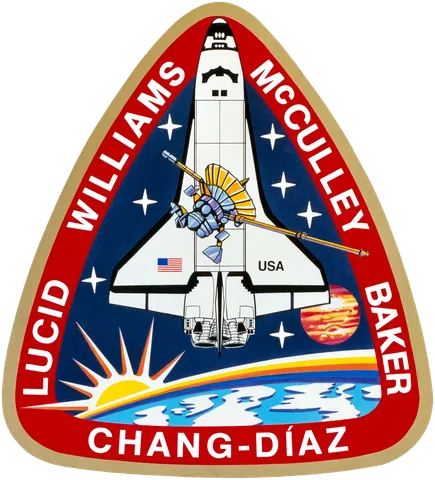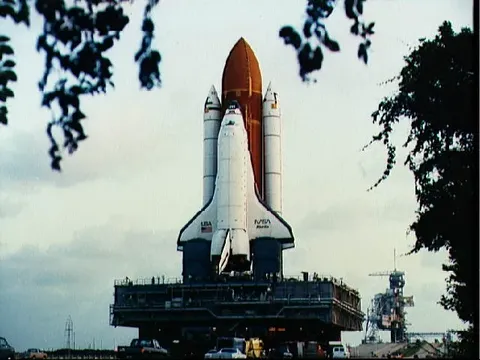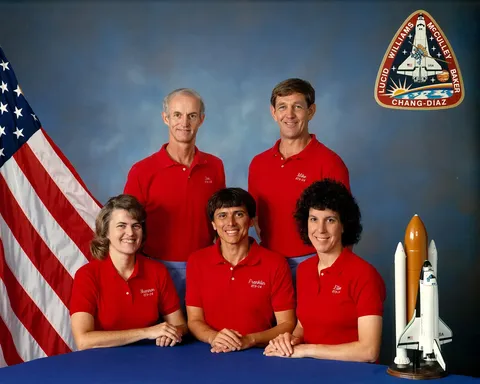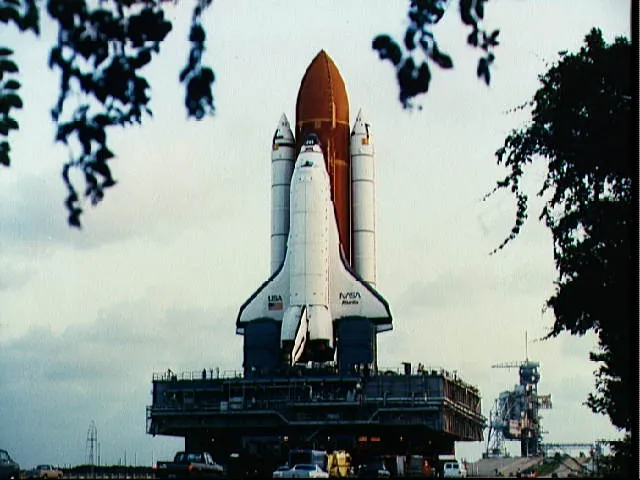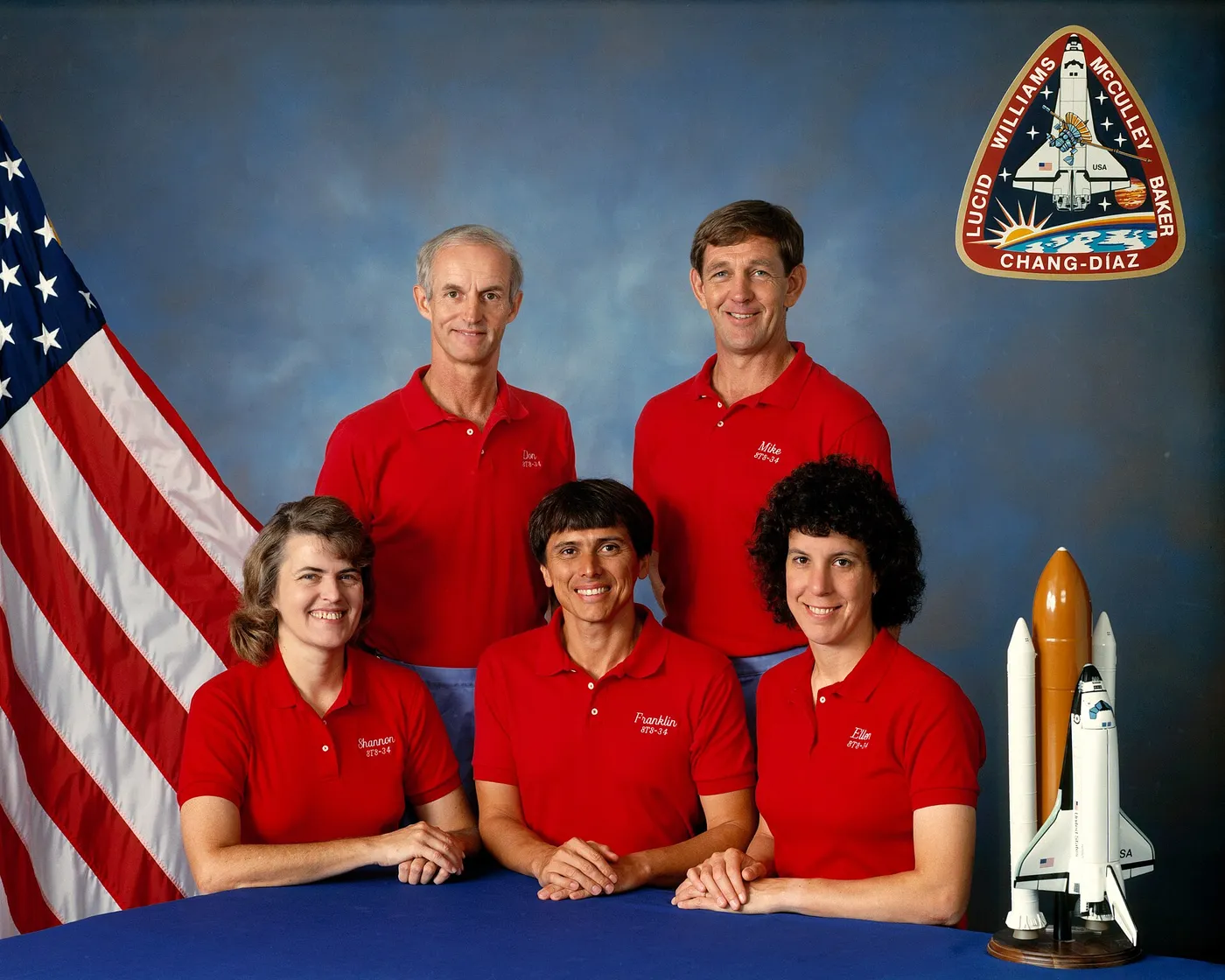
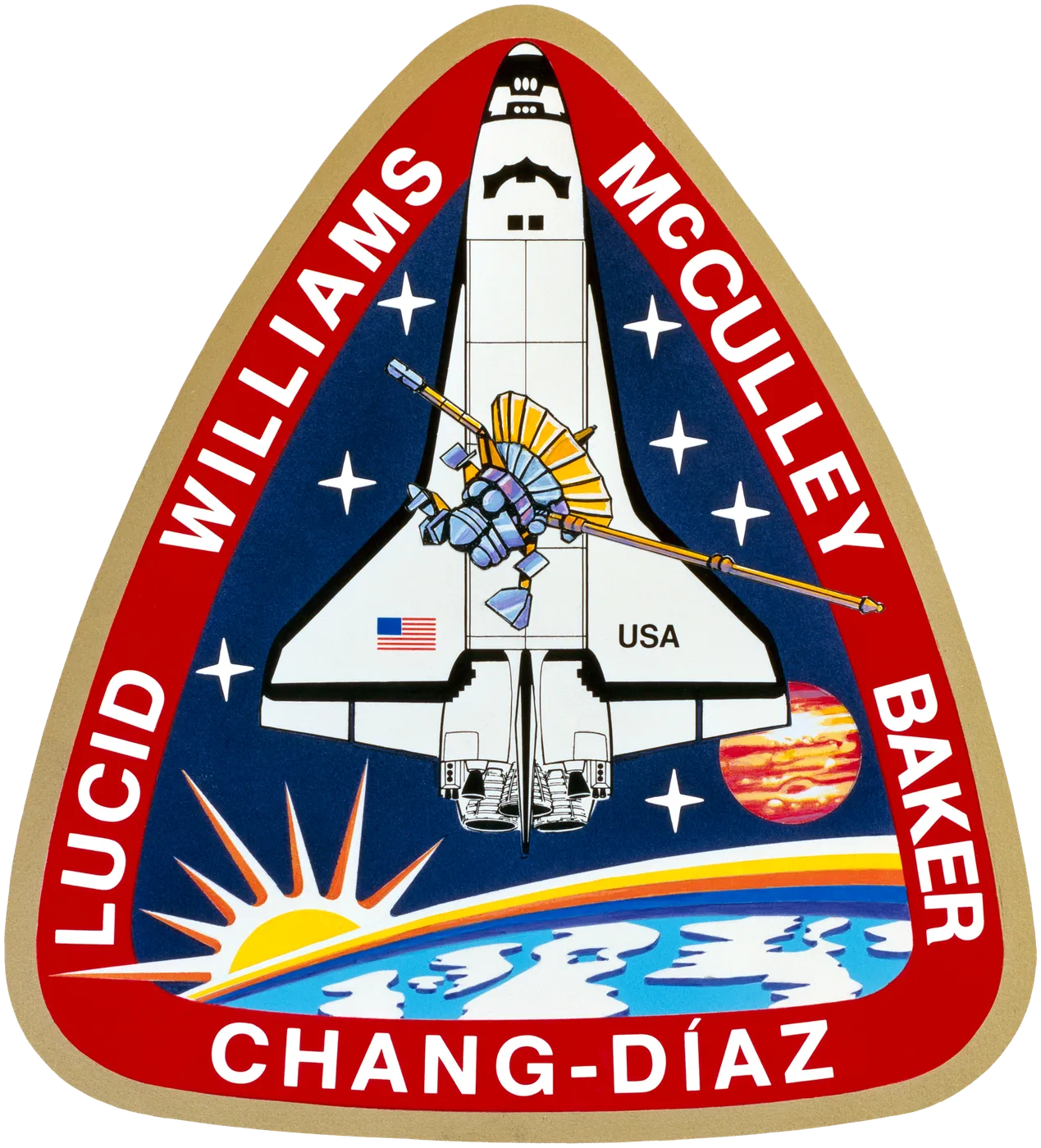
October 1989 saw Atlantis launch the boldest deep-space payload of the era: Galileo, an ambitious orbiter and probe bound for Jupiter. The mission drew protests over the plutonium power source that would keep Galileo alive in the dim outer system, with demonstrators seeking to halt the launch over fears of an accident.
The crew of five deployed the spacecraft on schedule, sending it not straight toward Jupiter but on a looping path past Venus and Earth to gather speed. Galileo would take six years to arrive, then spend years circling Jupiter and dropping a probe into its clouds. The flight underscored how the Shuttle, for a brief window, served as the launch vehicle for NASA's grandest robotic explorers.
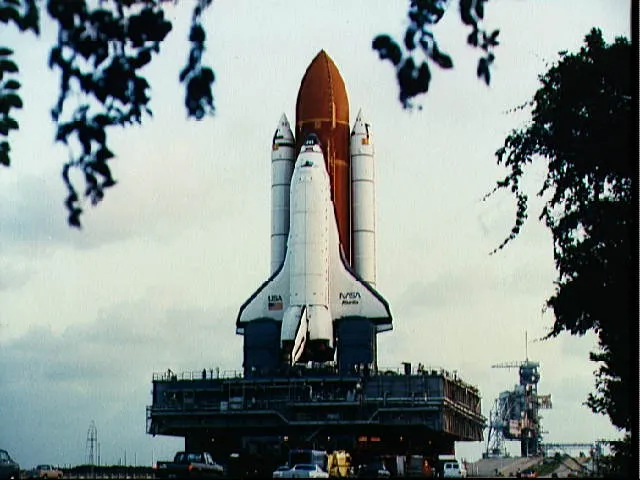
Galileo left Earth in October 1989 under legal siege. Because the probe carried plutonium-238 generators to make electricity in the dim light of Jupiter, protesters sued to stop the launch, arguing that a Challenger-style failure would scatter radioactive material over Florida. The courts declined to intervene days before the flight, and Atlantis went up with demonstrators at the gates.
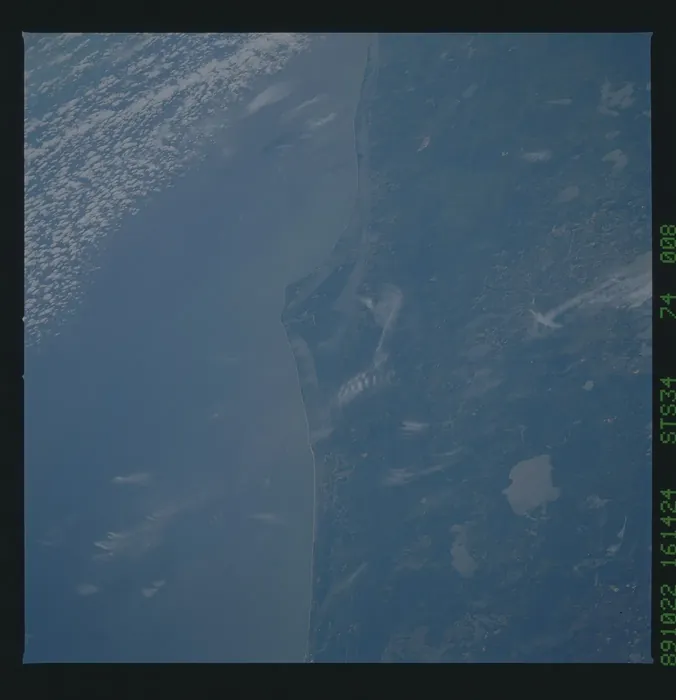
The mission itself was brief and clean — deploy the probe, light its upper stage, come home in five days. What followed was six years of gravitational billiards, because no rocket available could throw Galileo straight at Jupiter: it swung past Venus once and Earth twice to build up speed, a trajectory whose elegance was born of budgetary poverty.
Then its main antenna, an umbrella-like dish, jammed half-open and never unfurled. Engineers rewrote the spacecraft's software from a hundred million kilometres away to squeeze its science through a tiny backup antenna at a fraction of the intended data rate. Galileo still found evidence of a salt-water ocean beneath the ice of Europa, watched a comet smash into Jupiter, and was finally steered into the planet in 2003 to make certain it never contaminated the moons it had made interesting.