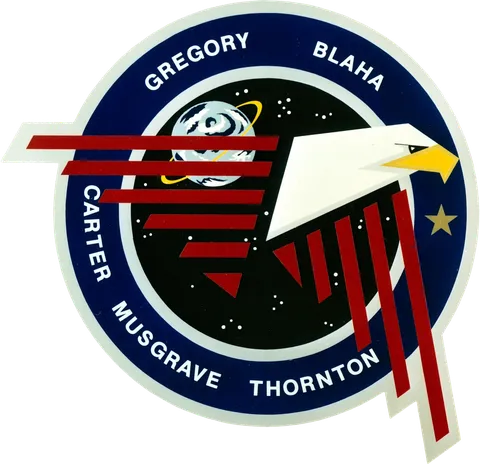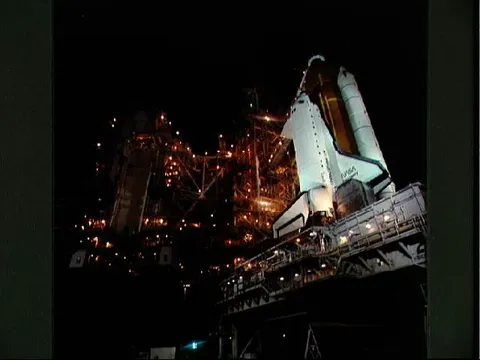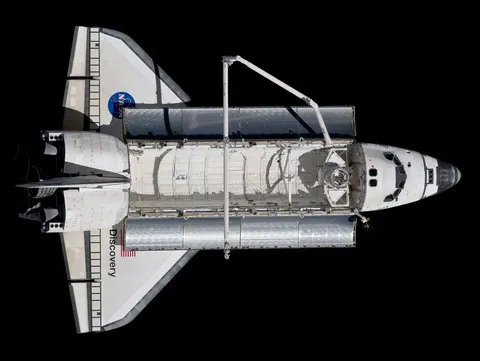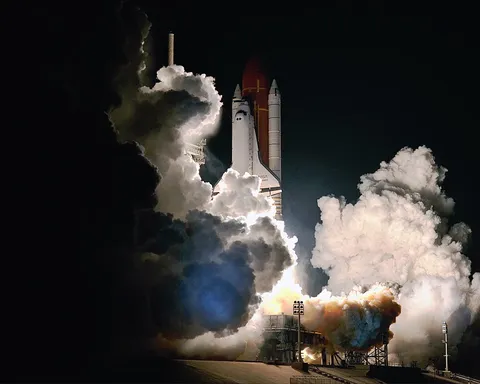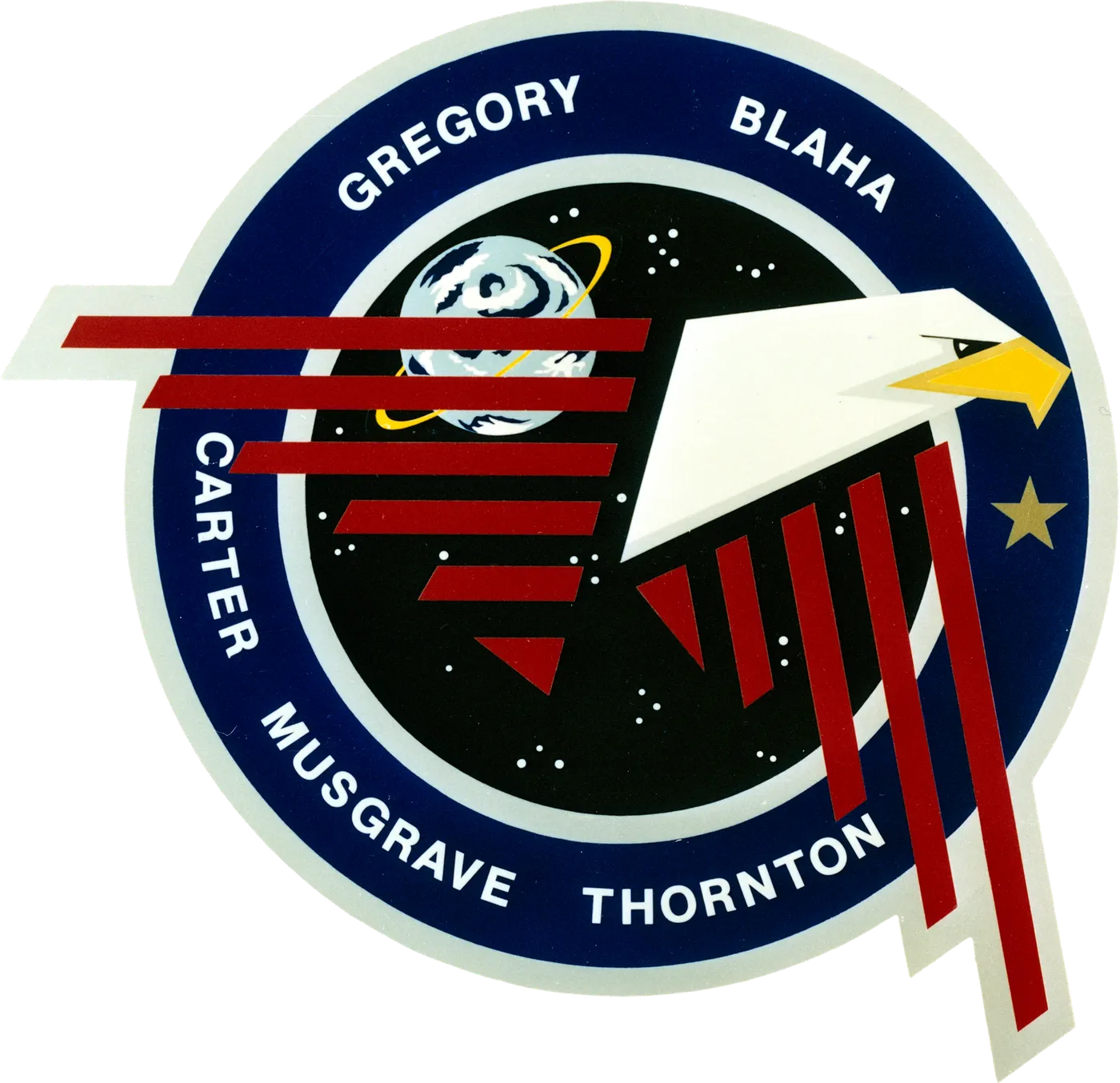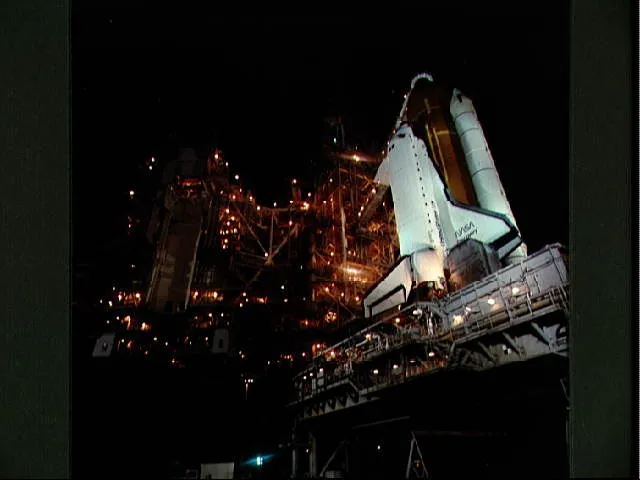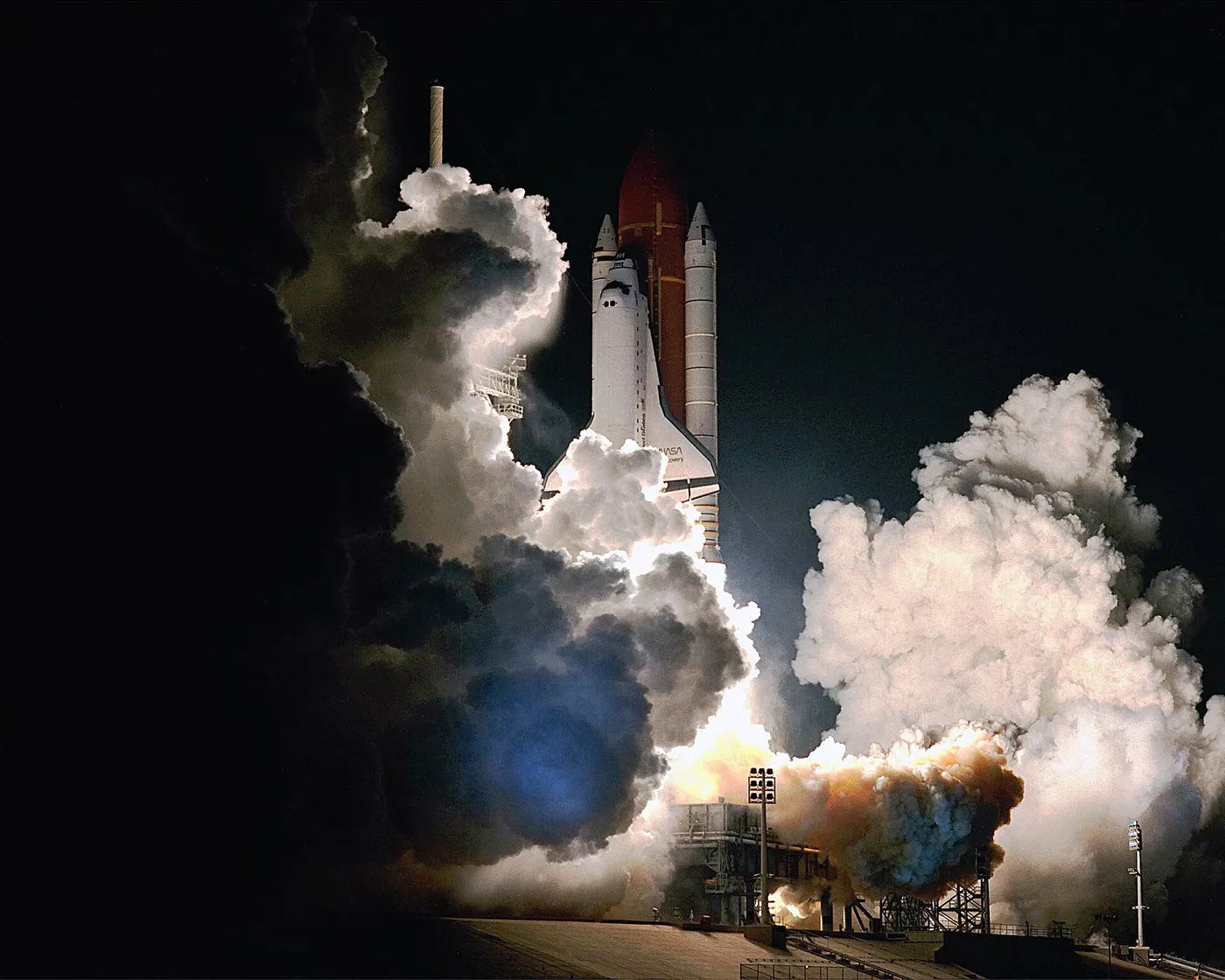
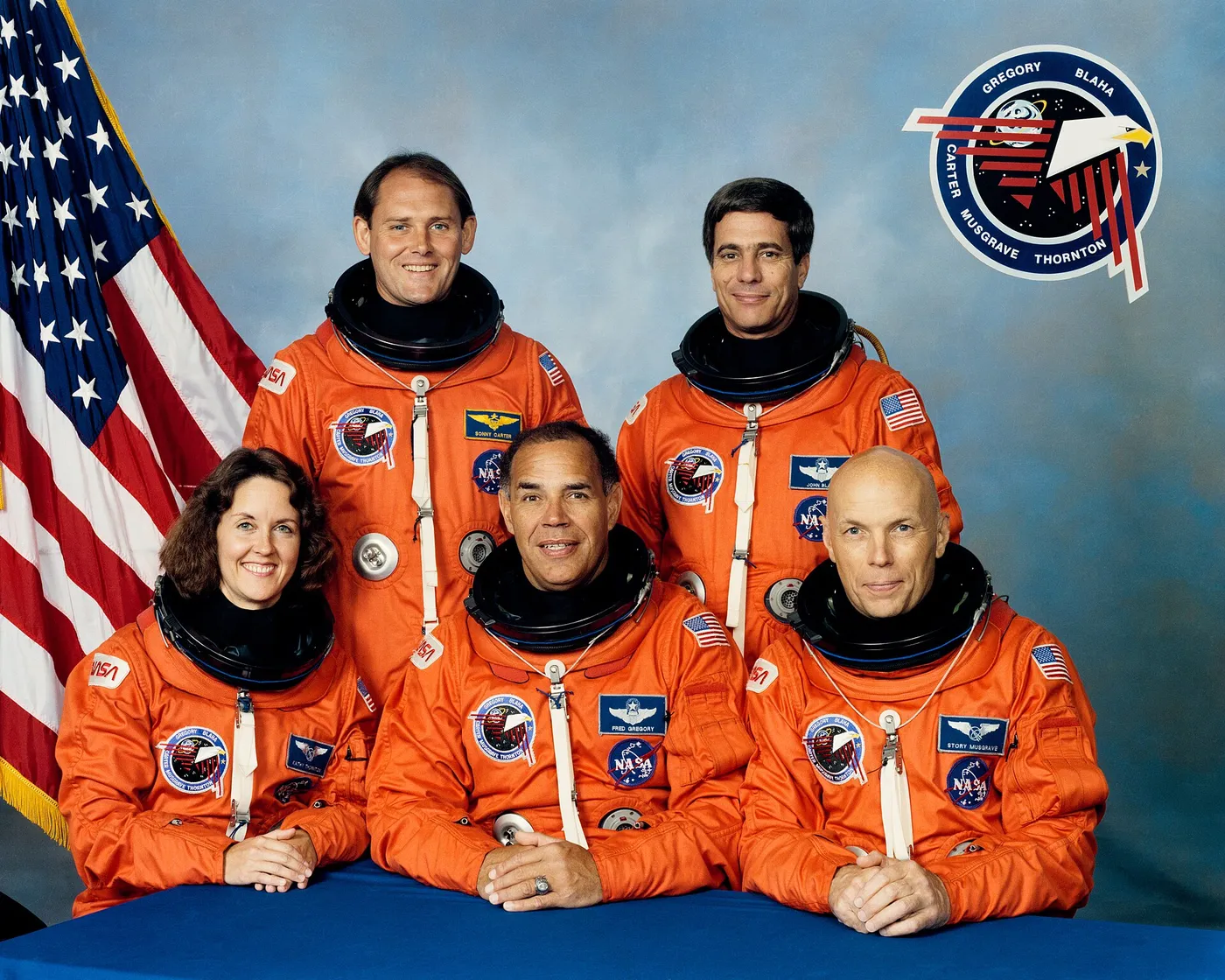
Discovery flew another dedicated military mission in November 1989, launching at night into the secrecy that surrounded all such flights. The crew of five is understood to have deployed a large electronic-intelligence satellite to a high orbit, one of a series the Shuttle lofted for the intelligence community during these years.
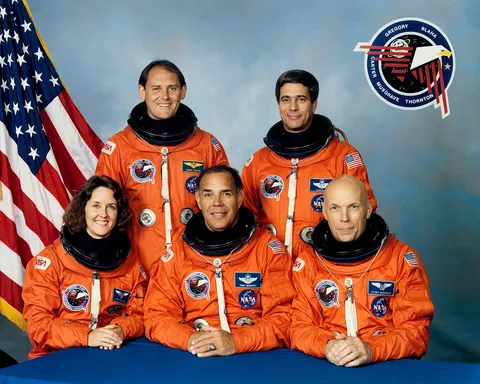
The five-day mission included the poignant presence of commander Fred Gregory, the first African American to command a spaceflight. As with its classified siblings, the flight returned little to the public record, but it added to the steady drumbeat of Defense deployments that occupied a significant share of the fleet's schedule before national policy shifted military payloads back to expendable rockets.
Frederick Gregory commanded this classified mission in November 1989, becoming the first African-American to command a spaceflight. A Vietnam helicopter pilot and test pilot who had joined NASA in 1978, he went on to run the agency's safety office and eventually served as deputy administrator.
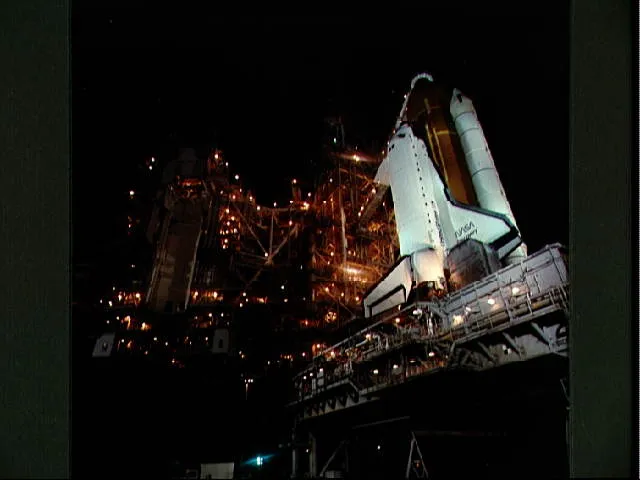
The mission itself was flown at night and under the usual security restrictions; the payload is widely believed to have been a large signals-intelligence satellite of the same family carried on the first dedicated military flight in 1985. Discovery was up for five days and the crew said essentially nothing about any of it.
The command was quietly historic and Gregory treated it much as Bluford had treated his own first flight — as a job that happened to carry symbolic weight for people watching. He later observed that the significance was not that he had commanded a mission but that, by then, nobody inside the astronaut office found it remarkable that he had.