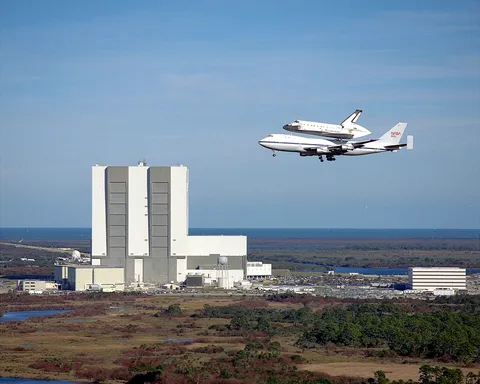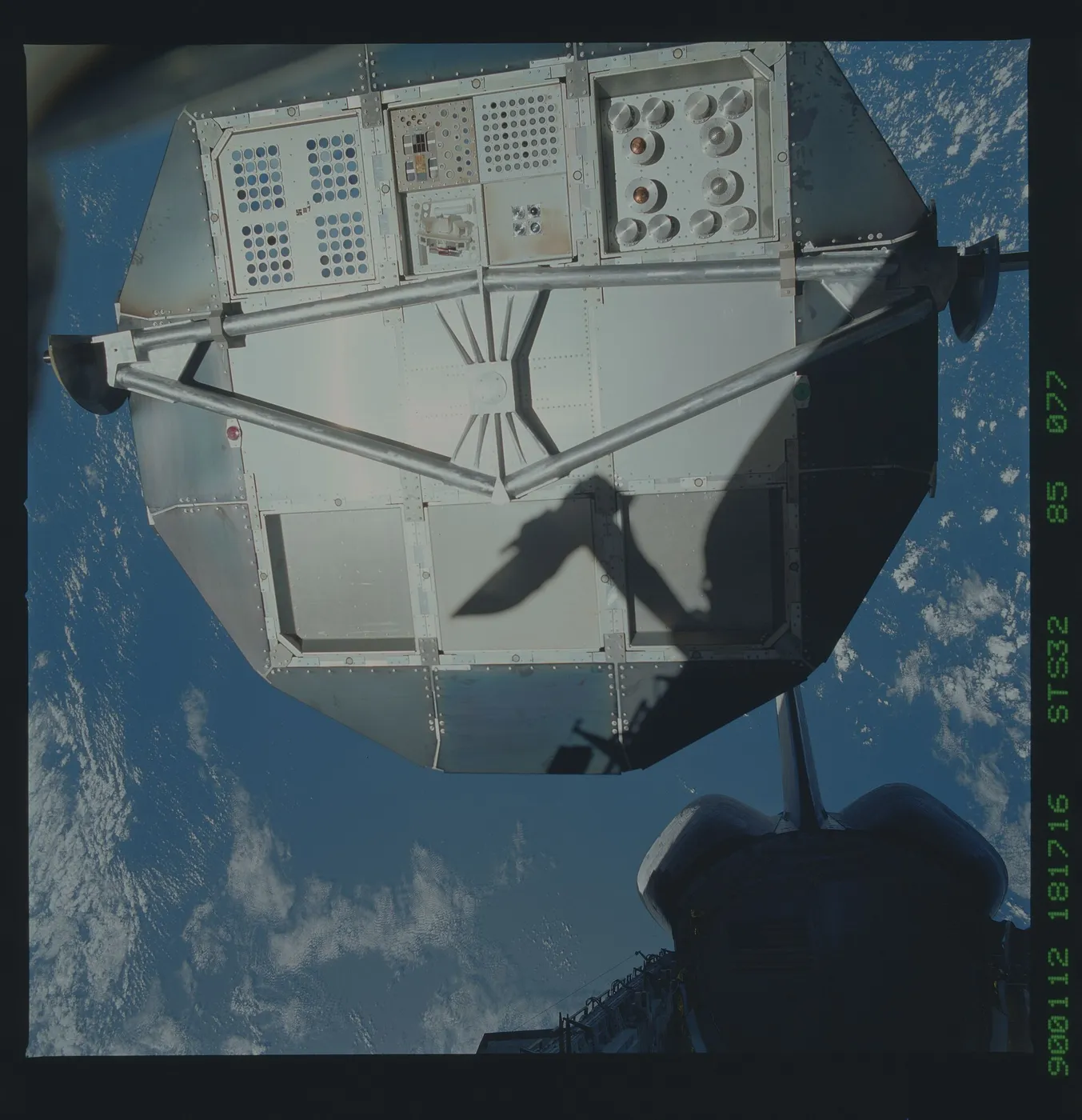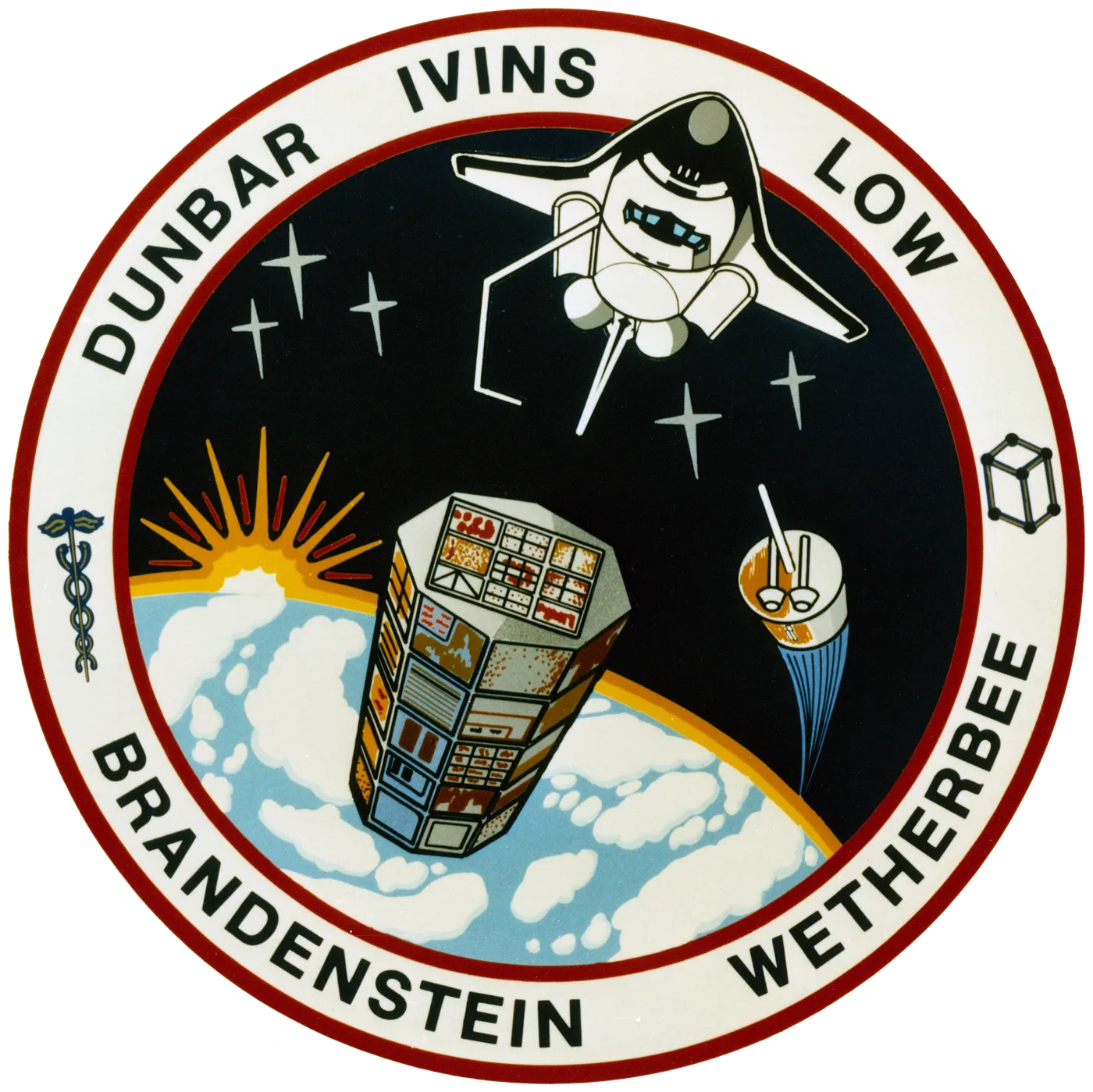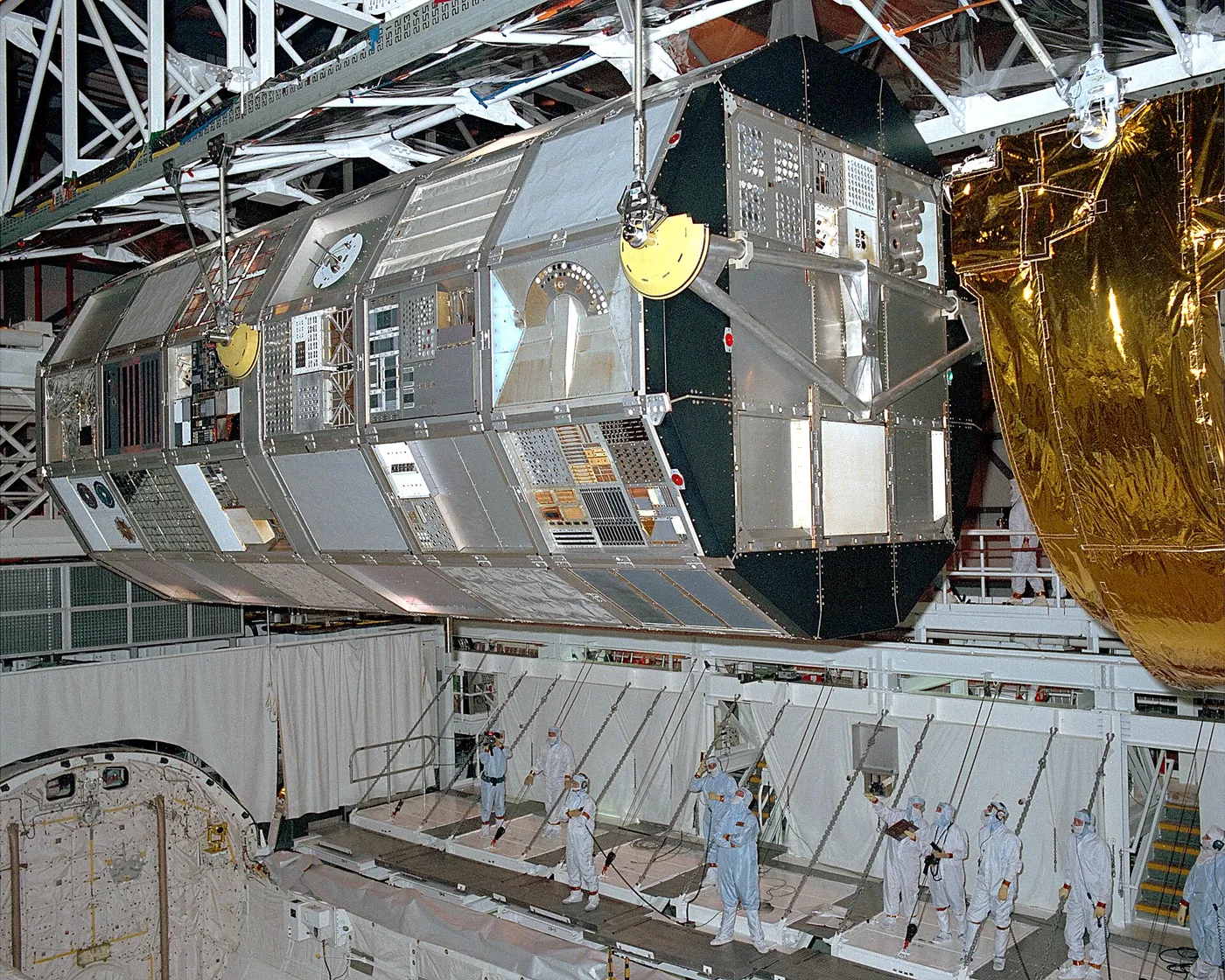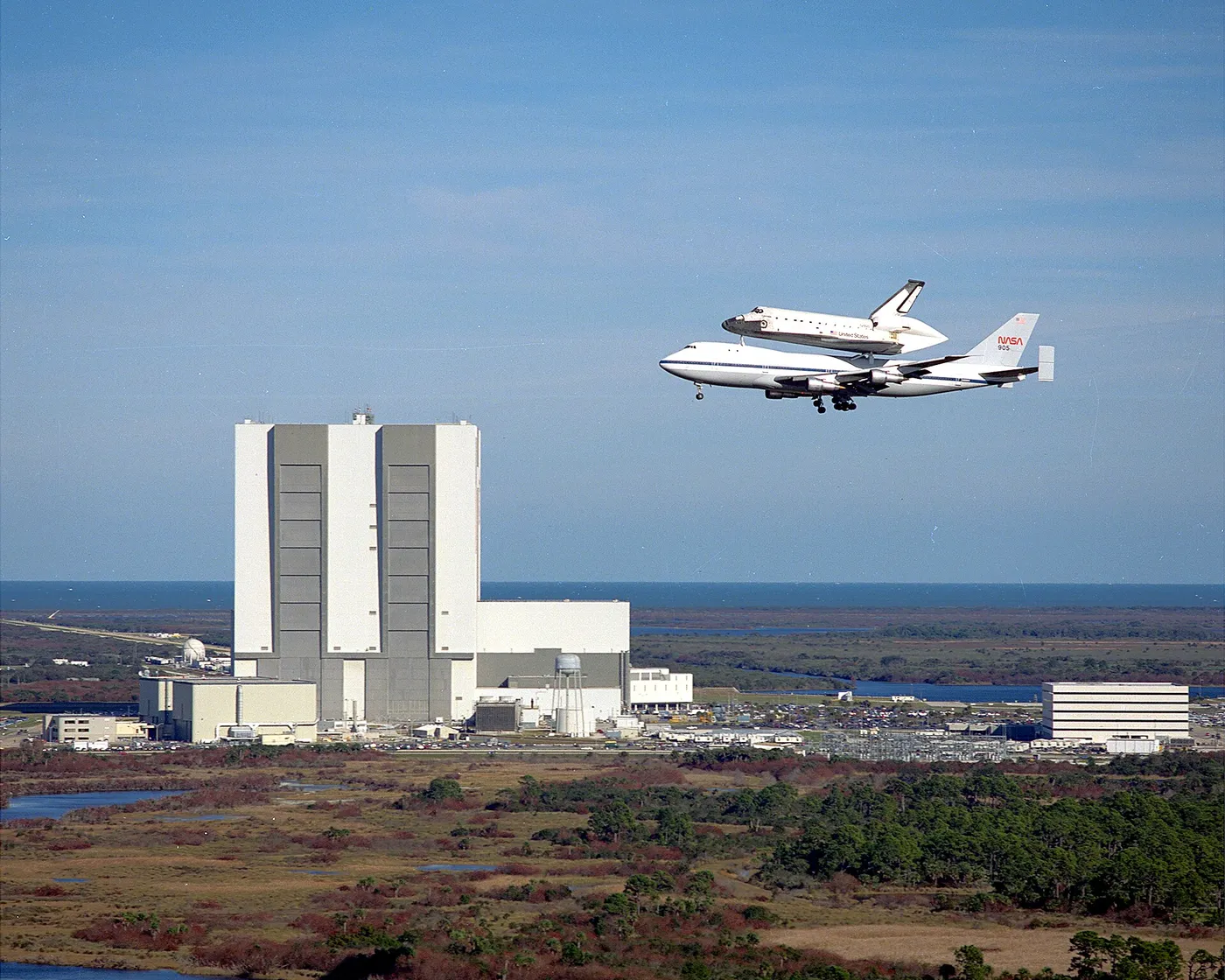
Columbia's January 1990 flight paired a satellite deployment with an act of orbital archaeology. The crew of five first released a Navy communications satellite, then chased down the bus-sized LDEF platform, left in orbit back in 1984 and drifting toward re-entry after years of delays had stranded it aloft far longer than planned.
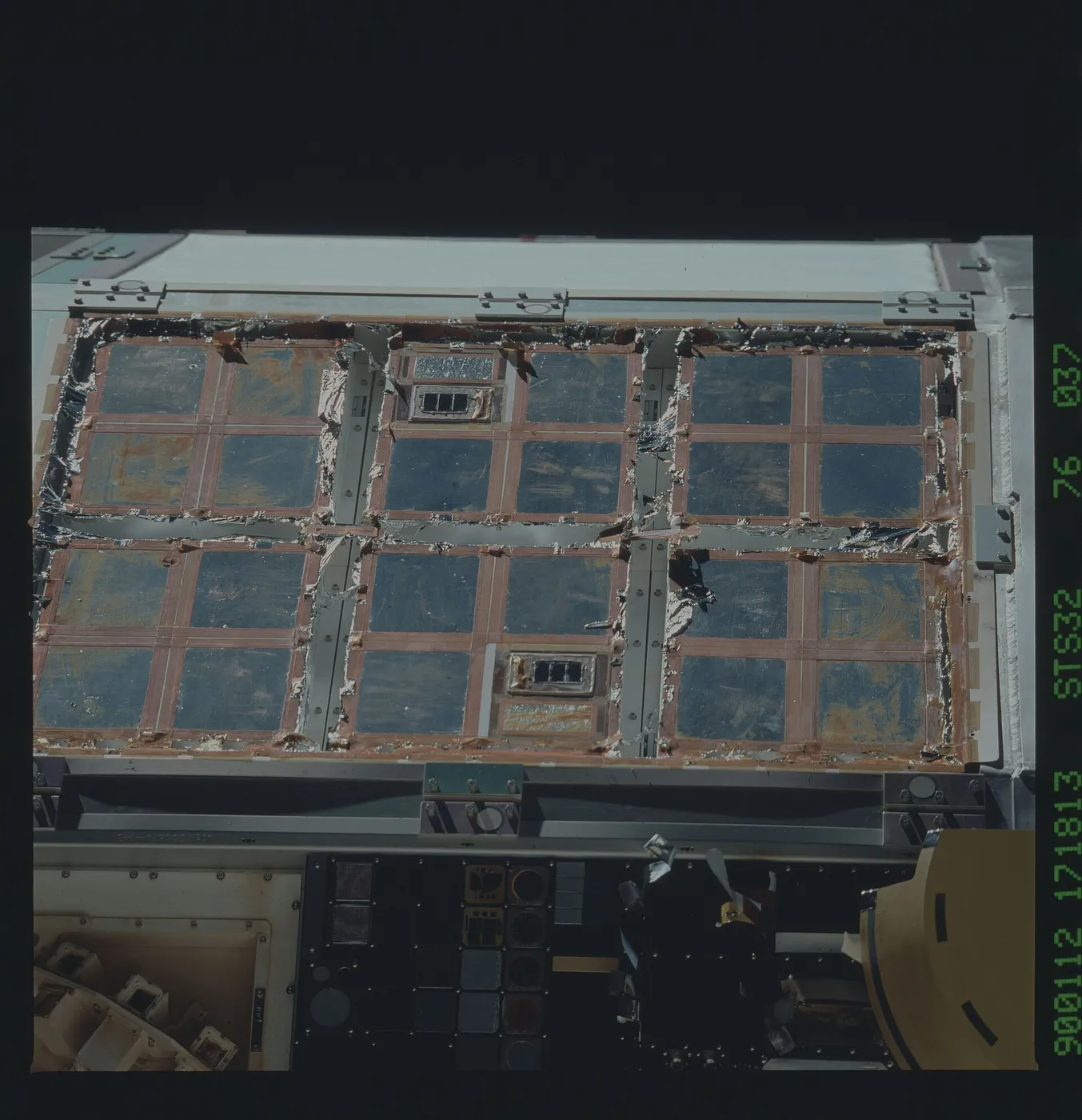
Grappling the cylinder with the robotic arm, the crew brought home a priceless record: tens of thousands of samples that had soaked up nearly six years of exposure to space, revealing how materials, seeds and even the orbiter's own tiles endured radiation and micrometeoroids. At almost eleven days, it was one of the longest missions yet, testing the fleet's ability to sustain crews for the extended flights that laboratory science would demand.
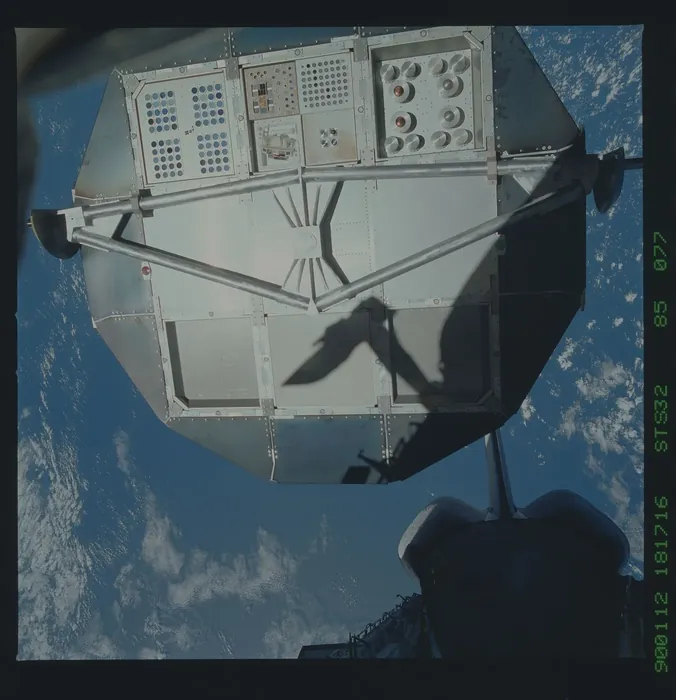
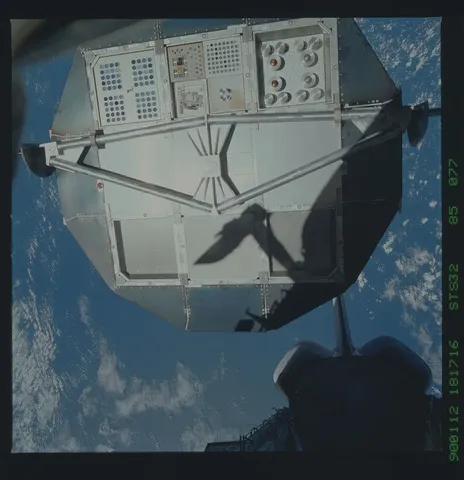
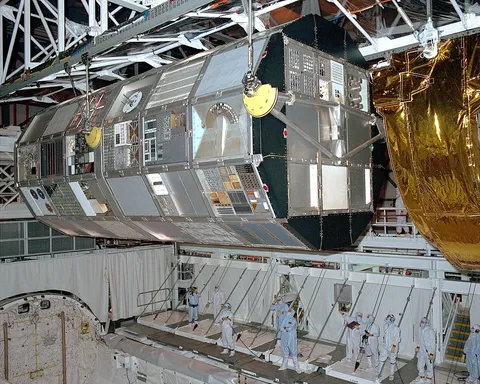
Columbia went up in January 1990 to rescue something that had been abandoned. The Long Duration Exposure Facility was a bus-sized cylinder covered in 57 experiments, left in orbit in 1984 to soak up space for a year — and then stranded when Challenger grounded the fleet. By the time a crew could reach it, it had been up for nearly six years and its orbit had decayed to within weeks of re-entry.
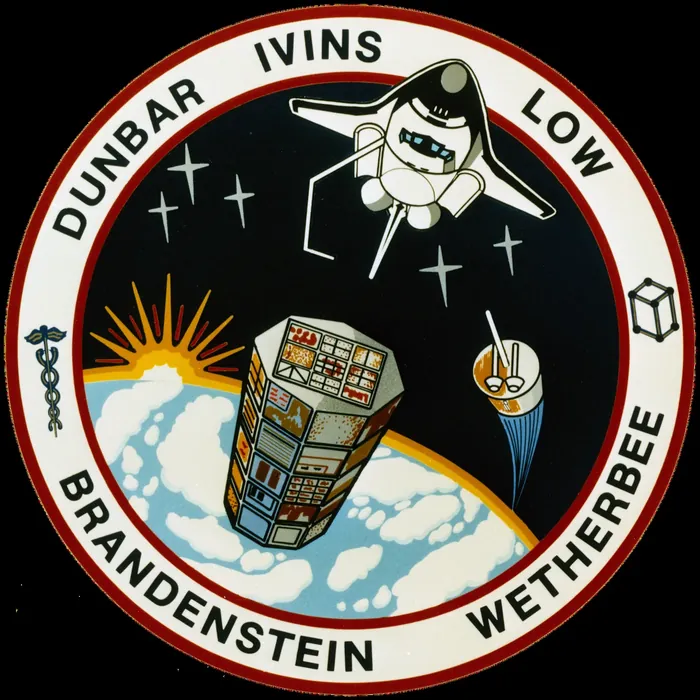
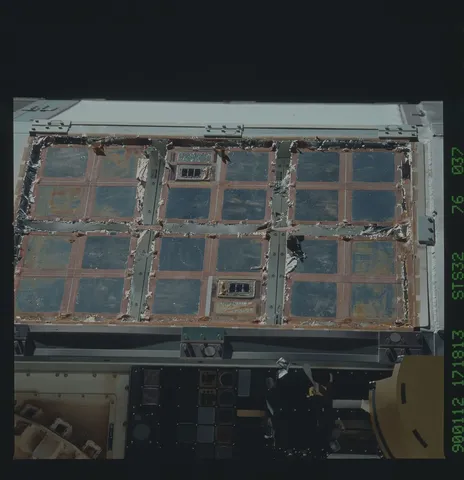
They caught it in time. Bonnie Dunbar took several hours to grapple the slowly tumbling structure with the robotic arm and lower it gently into the bay, photographing every surface first because the object itself had become the experiment. Nothing before or since has offered such a record: six years of continuous exposure to micrometeoroids, atomic oxygen, radiation and thermal cycling, on materials of every kind.
What came back rewrote the engineering handbooks. Thousands of impact craters mapped the debris environment; paints, polymers and lubricants showed exactly how they degrade; and in one sample, bacteria appeared to have survived six years of vacuum and radiation, a result that still features in arguments about how life might travel between worlds. Almost every satellite designed since has been built with numbers that came off that cylinder.