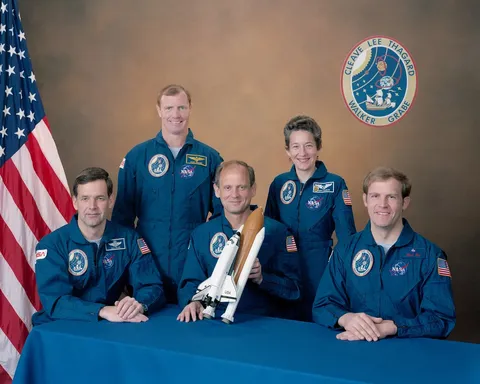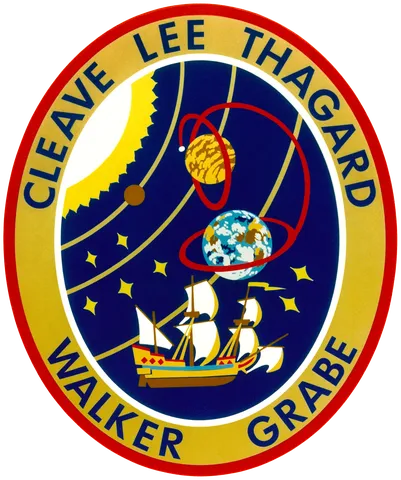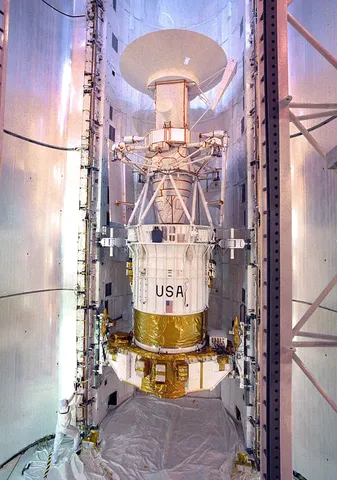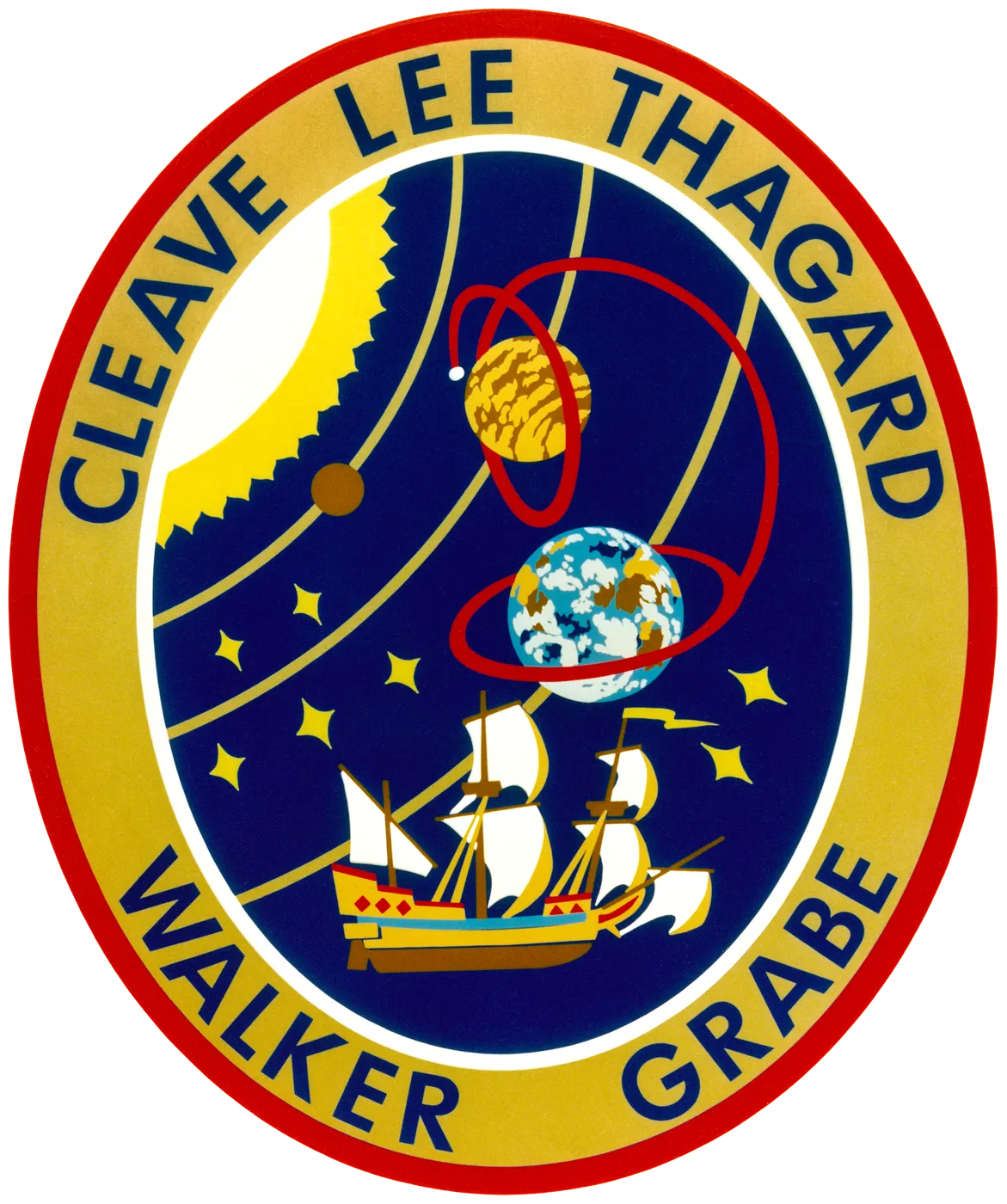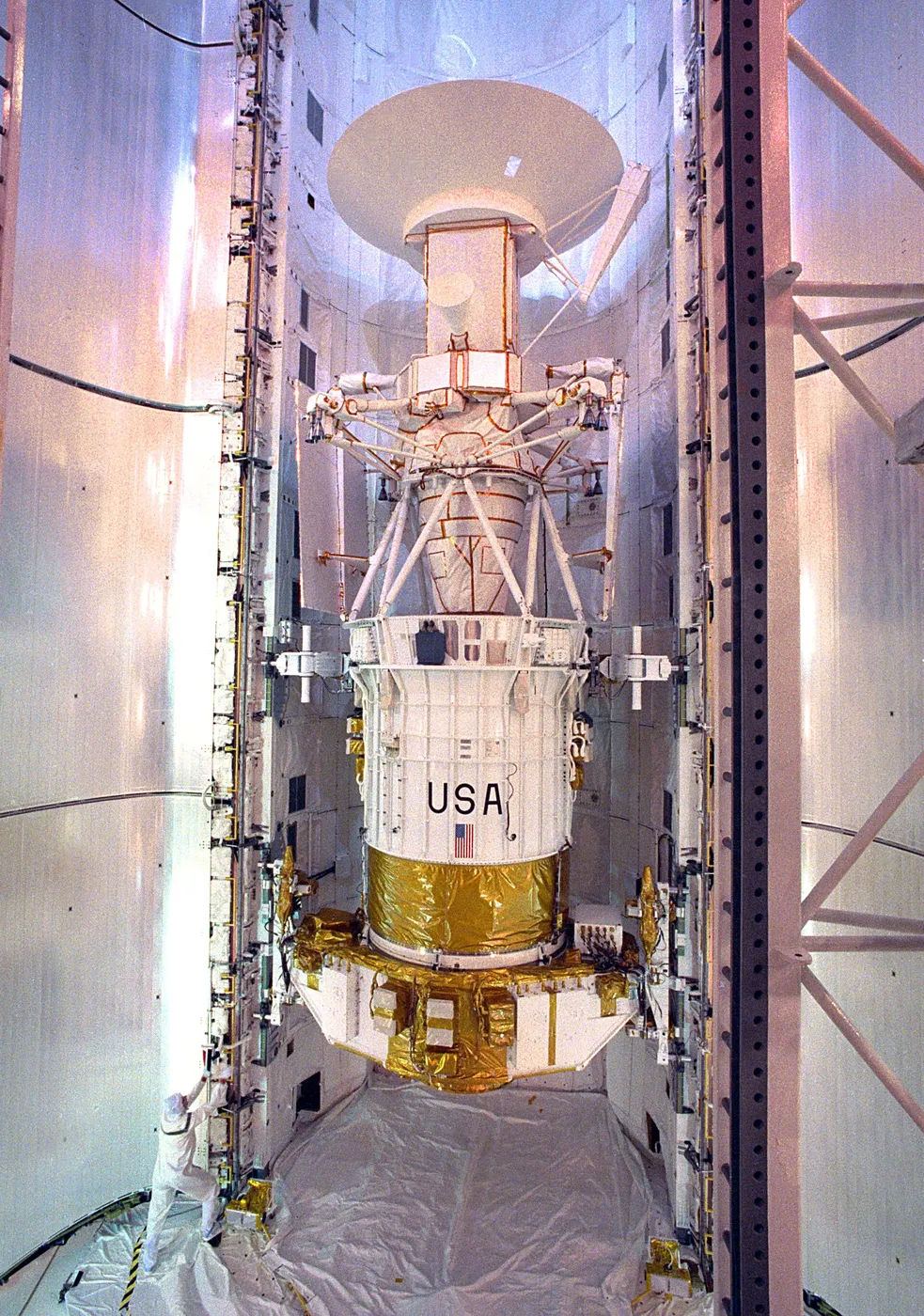
In May 1989 Atlantis opened a remarkable run of planetary launches, becoming the first Shuttle to send a probe beyond Earth. Bolted in the bay was Magellan, a radar mapper bound for Venus, mated to a solid booster that would fling it out of Earth orbit once released.
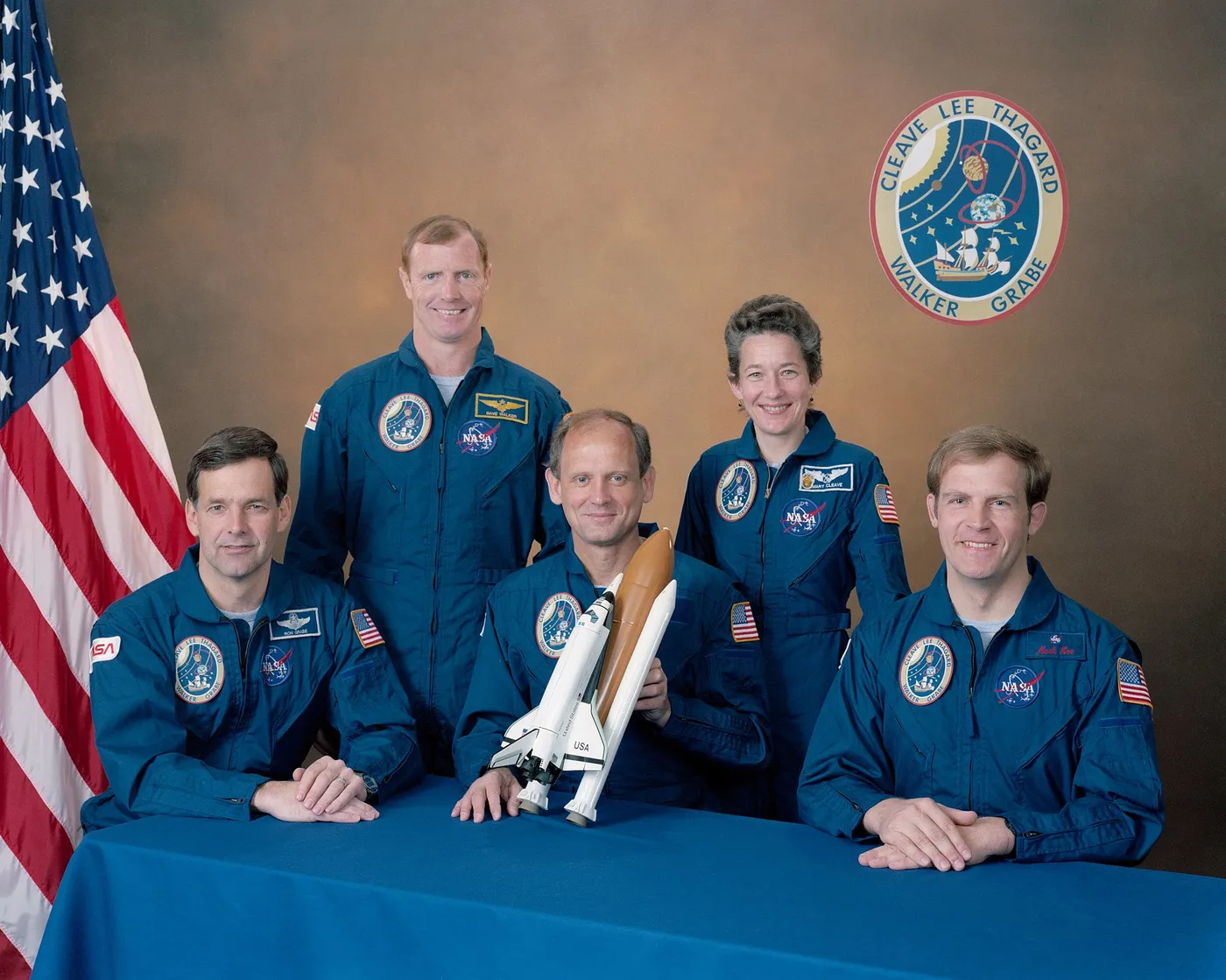
The crew of five deployed the spacecraft a few hours into the flight and watched it depart on the first leg of a fifteen-month cruise to another world. Magellan went on to map almost the entire surface of Venus through its perpetual clouds, revealing a landscape of volcanoes and lava plains. For a programme often criticised as Earth-bound, it was a reminder that the Shuttle could also be a launch pad for deep-space exploration.
In May 1989 Atlantis released Magellan on a trajectory to Venus, the first planetary probe ever launched from a Shuttle and the first American mission to another planet in eleven years. The long gap was itself a story: planetary exploration had been squeezed by budget cuts and then frozen entirely by the post-Challenger stand-down, and a generation of scientists had spent the decade waiting.
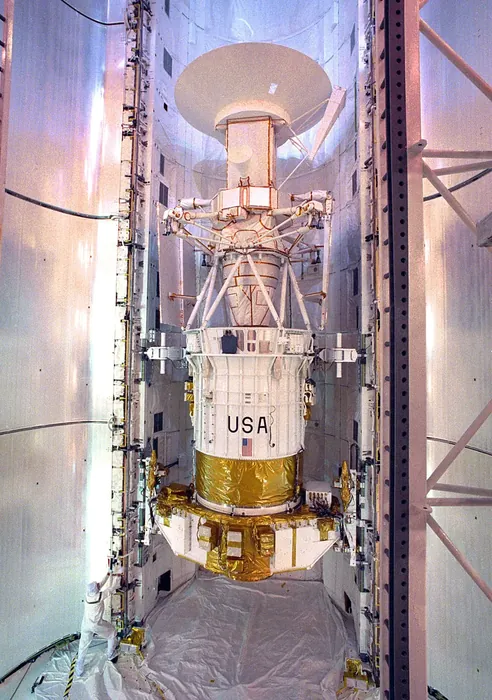
Magellan was built substantially from spare parts — a leftover antenna from Voyager, structures from Galileo, hardware scavenged across programmes to keep the cost survivable. It carried a single imaging radar because Venus is permanently shrouded in cloud and no camera could see the ground.
Over the following four years it mapped 98 per cent of the Venusian surface at a resolution better than anything achieved for much of Earth's own seabed, revealing a world of volcanic plains, tessera highlands and almost no impact craters — a planet resurfaced by catastrophic volcanism. In 1994 controllers deliberately flew it into the atmosphere to gather data on the way down. The five-day Shuttle flight that started it all is barely remembered; the map it delivered is still the standard.