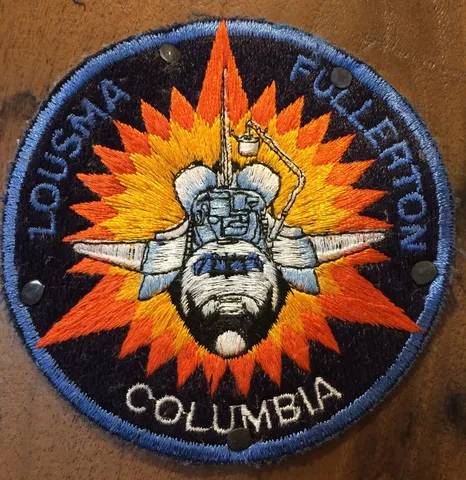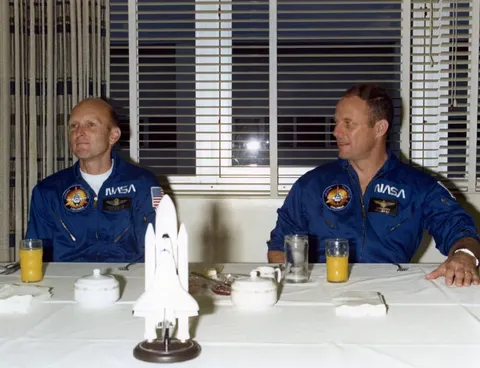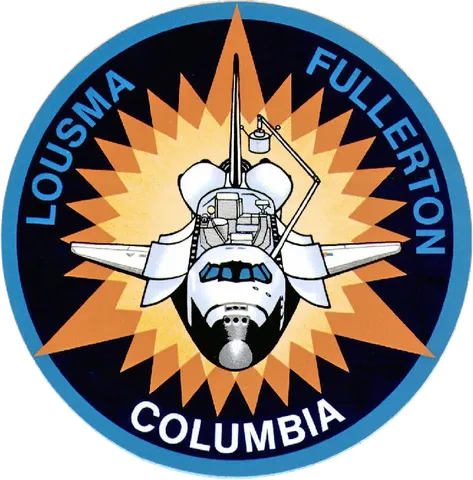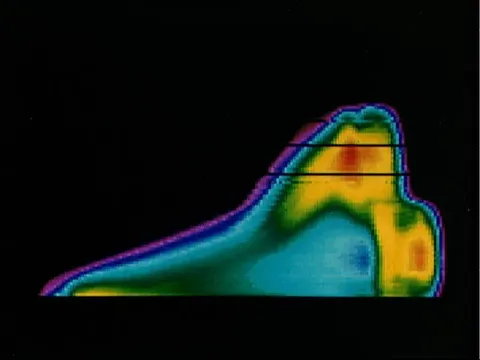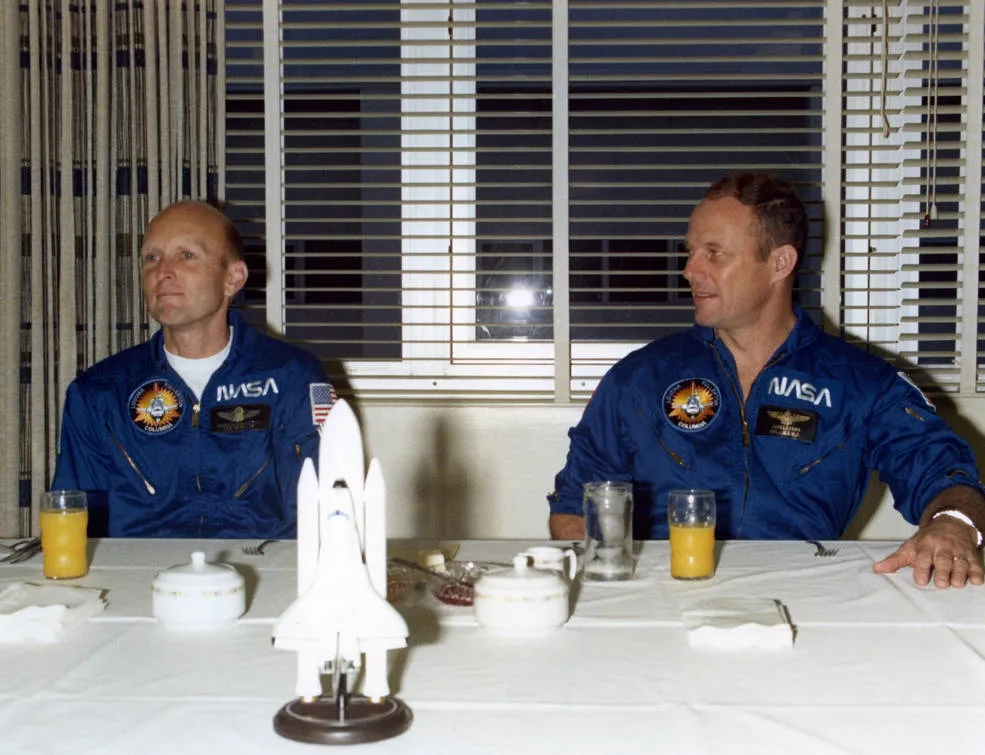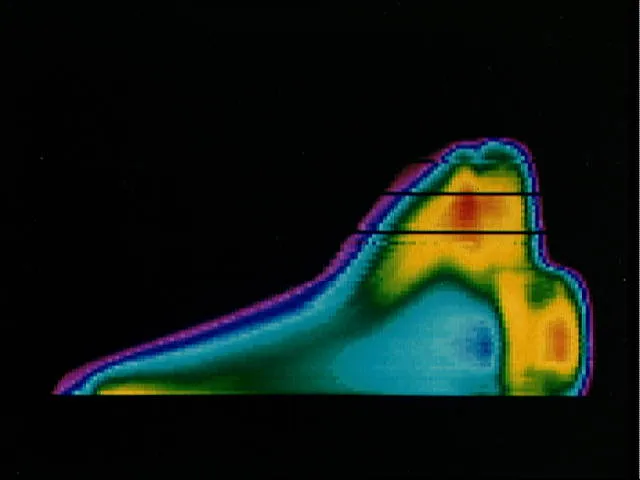
Columbia's third outing, in March 1982, was the longest test flight yet, keeping Jack Lousma and Gordon Fullerton in orbit for eight days. The mission leaned hard on engineering: the crew deliberately exposed different faces of the orbiter to the Sun for long stretches to see how the structure and systems coped with extremes of heat and cold, and they continued exercising the robotic arm with a science pallet in the bay.
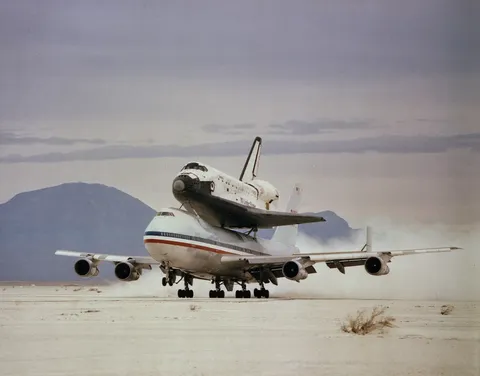
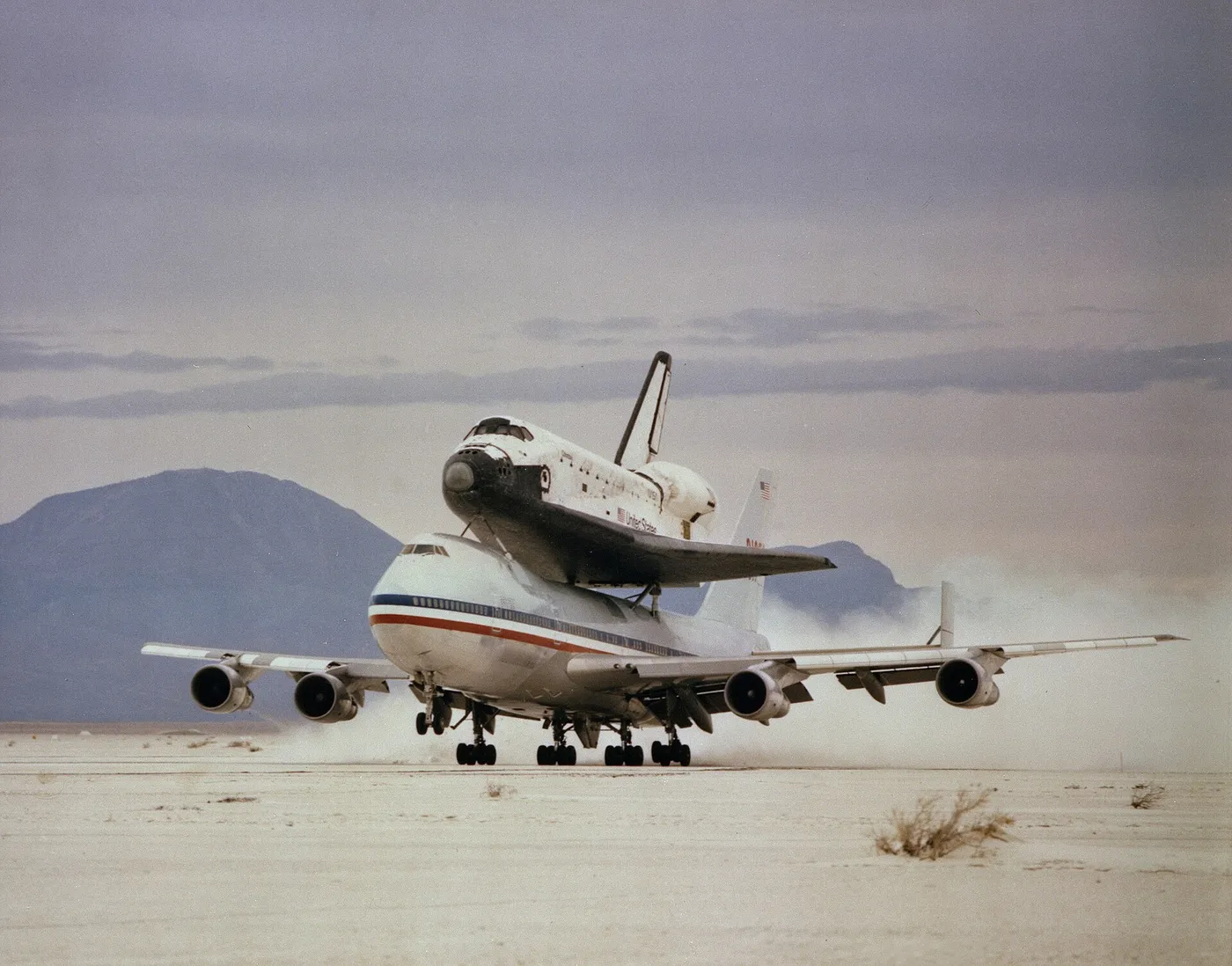
The flight is best remembered for where it ended. Flooding had turned the usual Edwards lakebed to mud, so Columbia was waved off to the gypsum flats of White Sands in New Mexico — the only Shuttle landing ever made there. The blindingly white desert coated the orbiter in fine dust that engineers were still cleaning out for weeks.
Columbia's third flight was a week of deliberately uncomfortable engineering. To find out how the orbiter coped with temperature extremes, Jack Lousma and Gordon Fullerton spent days pointing different faces at the Sun — tail first, nose first, belly up — baking one side and freezing another to see what warped, what stuck and what leaked.
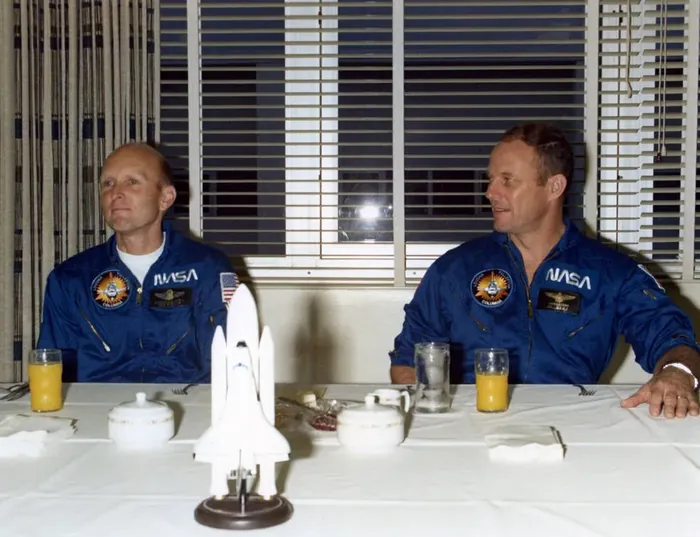
Small things went wrong in ways that mattered. The toilet malfunctioned, an auxiliary power unit overheated, three communications links failed at various points, and Lousma was sick for the first days of the flight — space adaptation syndrome being a phenomenon NASA was still reluctant to discuss publicly. The robotic arm was used for the first time to lift a payload out of the bay and hold it out in space.
The landing is what people remember. Edwards Air Force Base was flooded, so Columbia was diverted to the gypsum flats of White Sands in New Mexico — the only Shuttle landing ever made there. The scenery was magnificent and the aftermath was not: fine alkali dust worked into every seam and cavity of the orbiter, taking months to clean out, and the site was never used again.