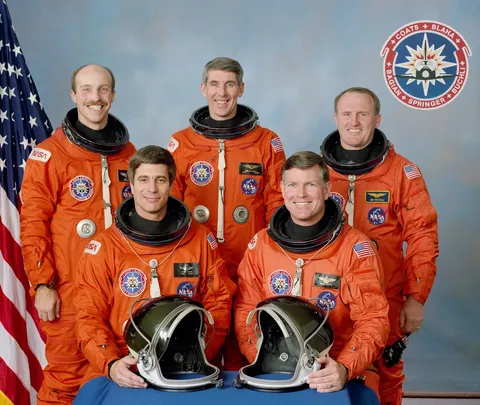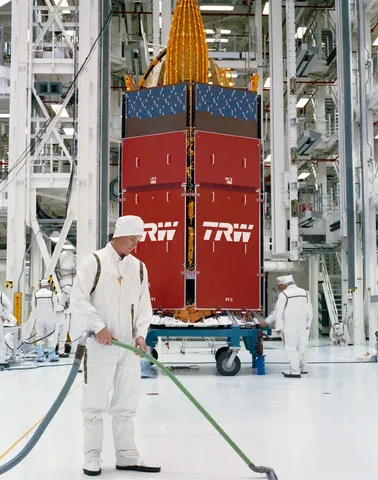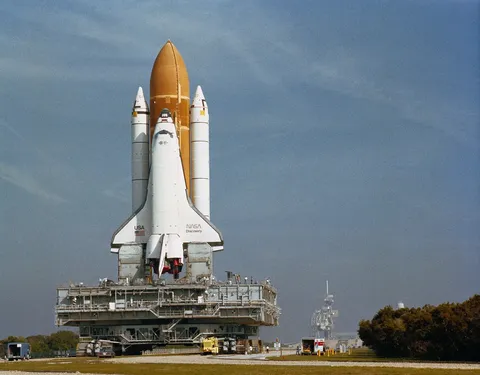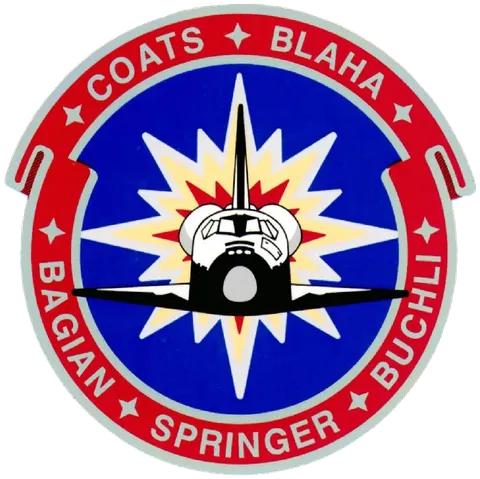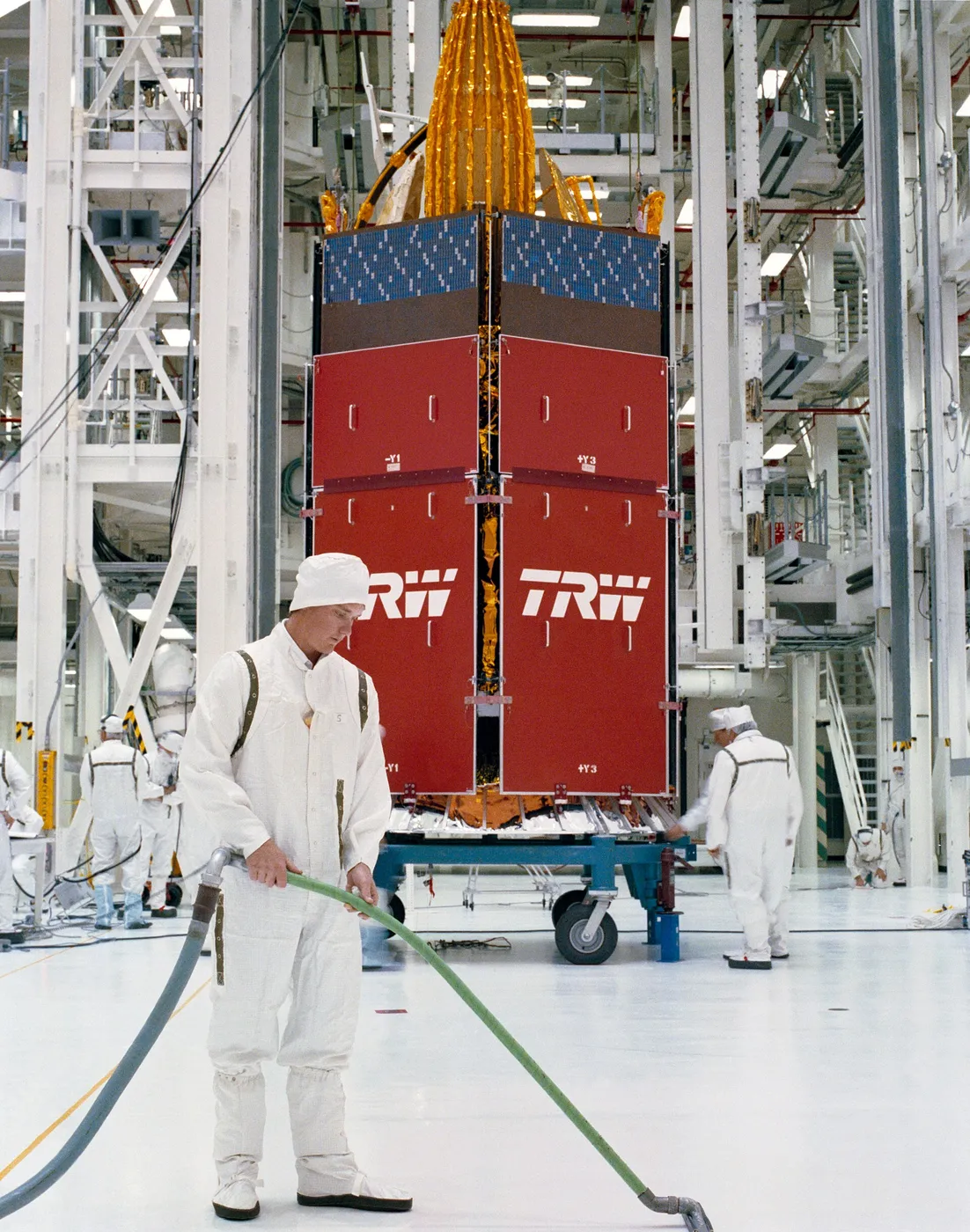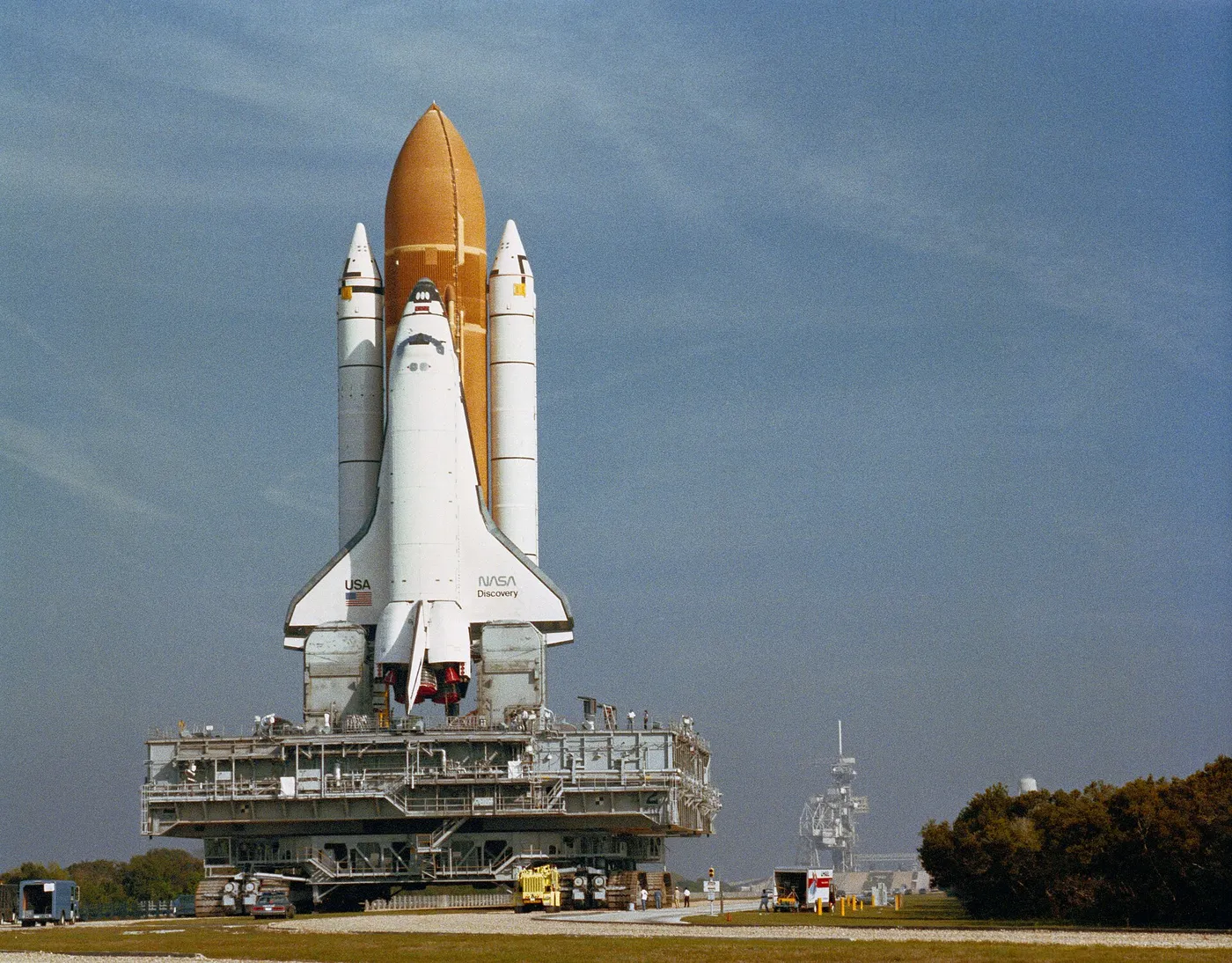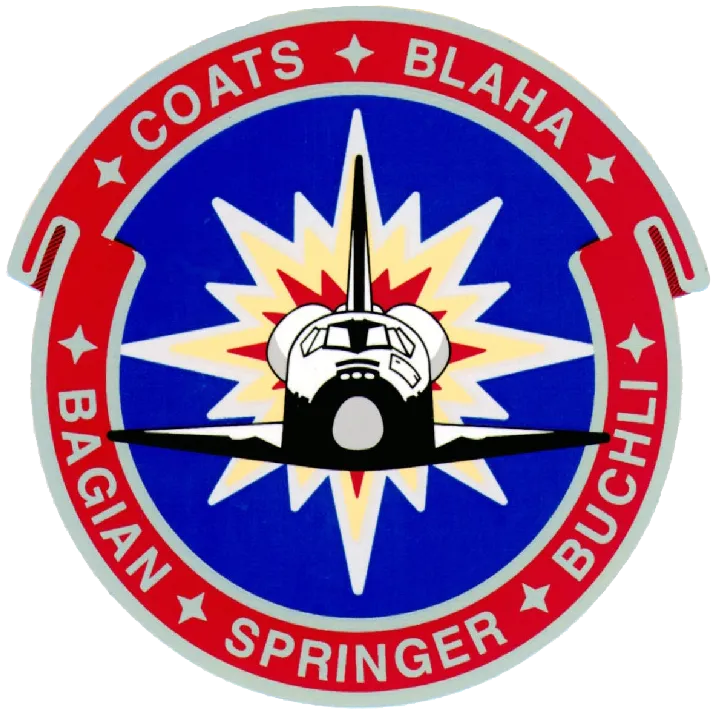
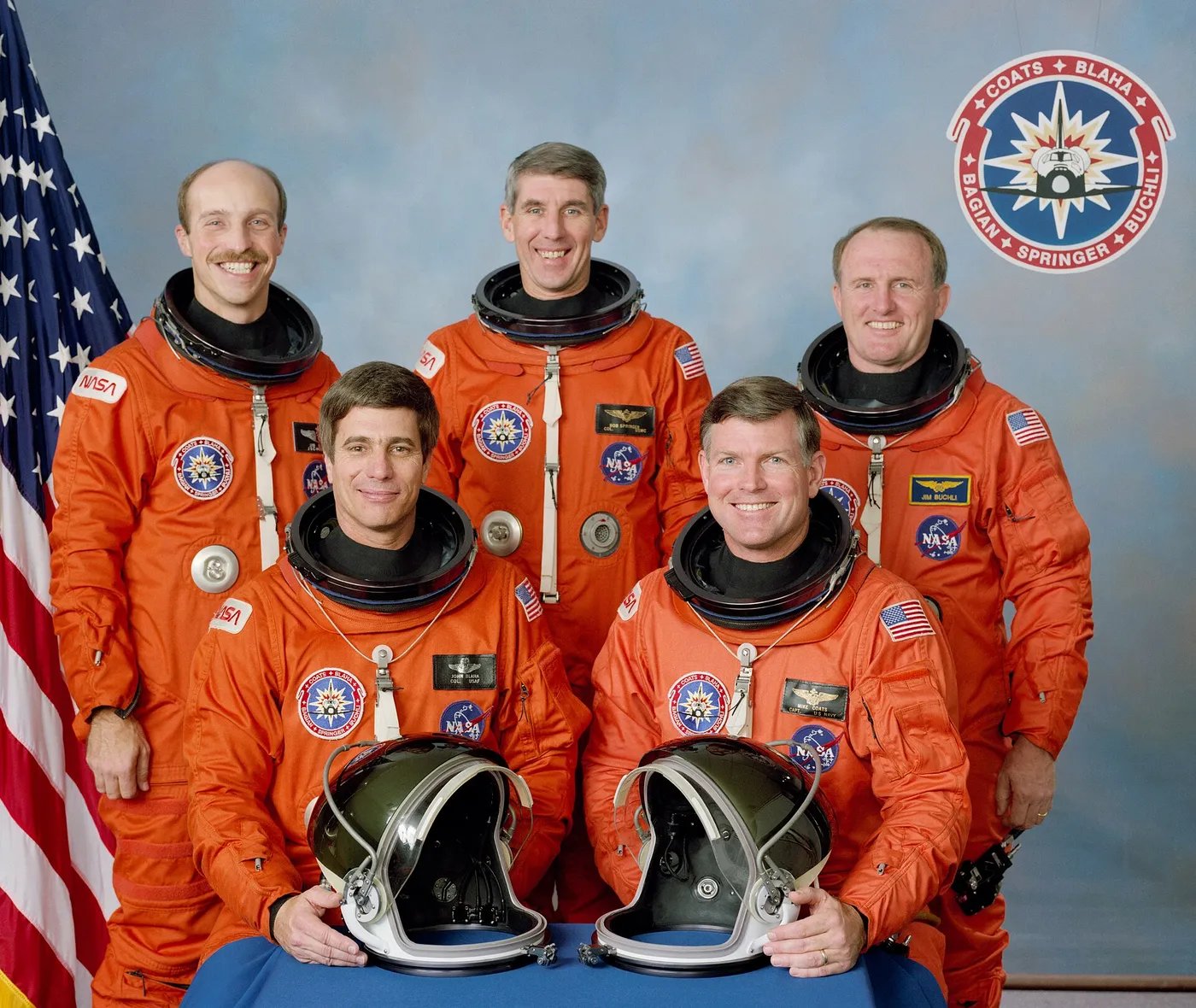
Discovery's March 1989 flight was a workmanlike deployment mission that continued rebuilding the communications backbone begun the previous autumn. The crew of five released another Tracking and Data Relay Satellite, extending the orbiting network that kept the fleet in near-constant contact with the ground.
Alongside the deployment, the astronauts ran a full slate of secondary experiments, from studies of bone-cell growth to a test of heat-pipe cooling and a student project on chicken embryo development. Discovery returned to Edwards after five days, adding another routine, reliable flight to the post-Challenger record as NASA methodically demonstrated that the Shuttle could once again be counted on for its bread-and-butter work.
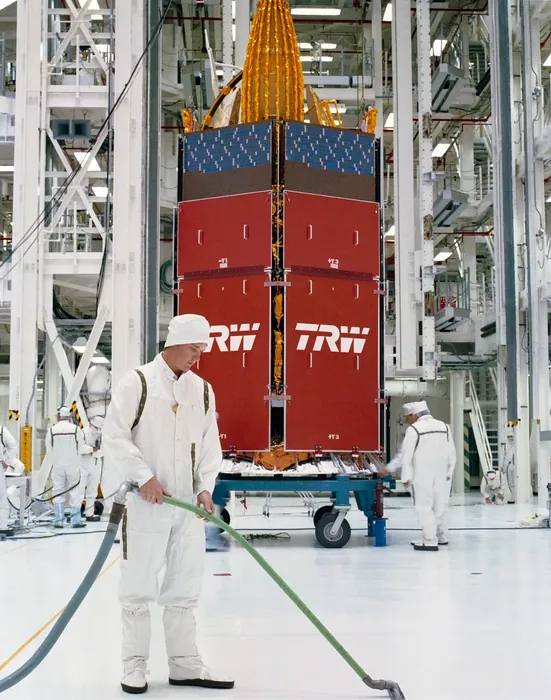
Discovery's March 1989 flight delivered the fourth Tracking and Data Relay Satellite, filling out the constellation that had begun so badly with the tumbling TDRS-1 six years earlier. With this one in place, the network could finally give continuous coverage to spacecraft in low orbit, which mattered enormously for the science missions and the station still to come.
The flight's quieter legacy was medical. James Bagian, a physician-astronaut, had been working on space adaptation sickness — the nausea and disorientation that afflicts something like half of all astronauts for their first days in orbit, and which NASA had historically preferred not to discuss. He treated it in flight with an injected antihistamine, and the protocol he established became standard practice for the rest of the programme.
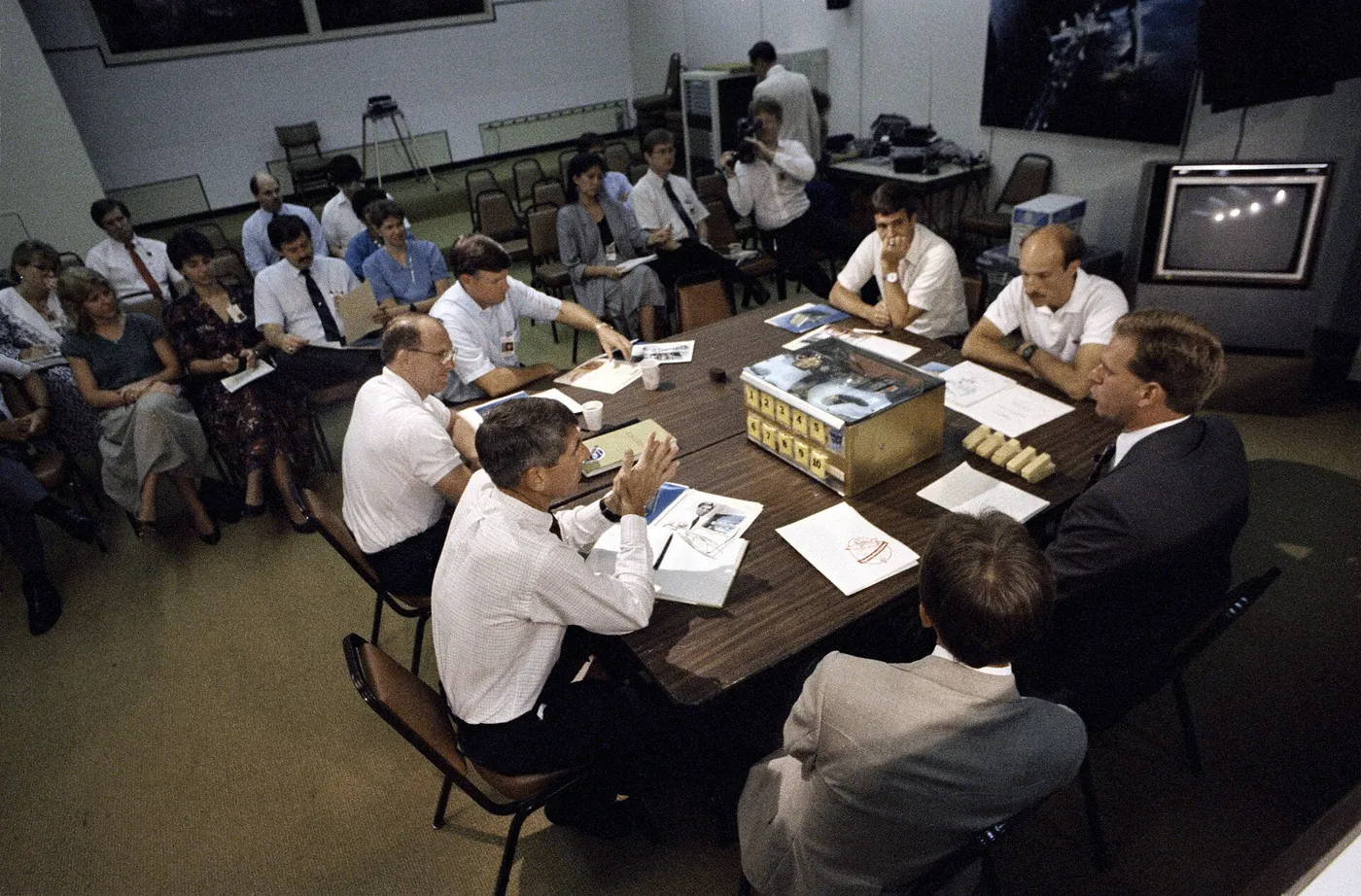
The mission also carried a set of student experiments, including chicken embryos flown to see whether they would develop normally in weightlessness — an experiment devised by a high-school student and sponsored, improbably, by a fast-food chain. Some of the eggs failed and some hatched normally after landing, which was itself a useful result about when in development gravity matters.