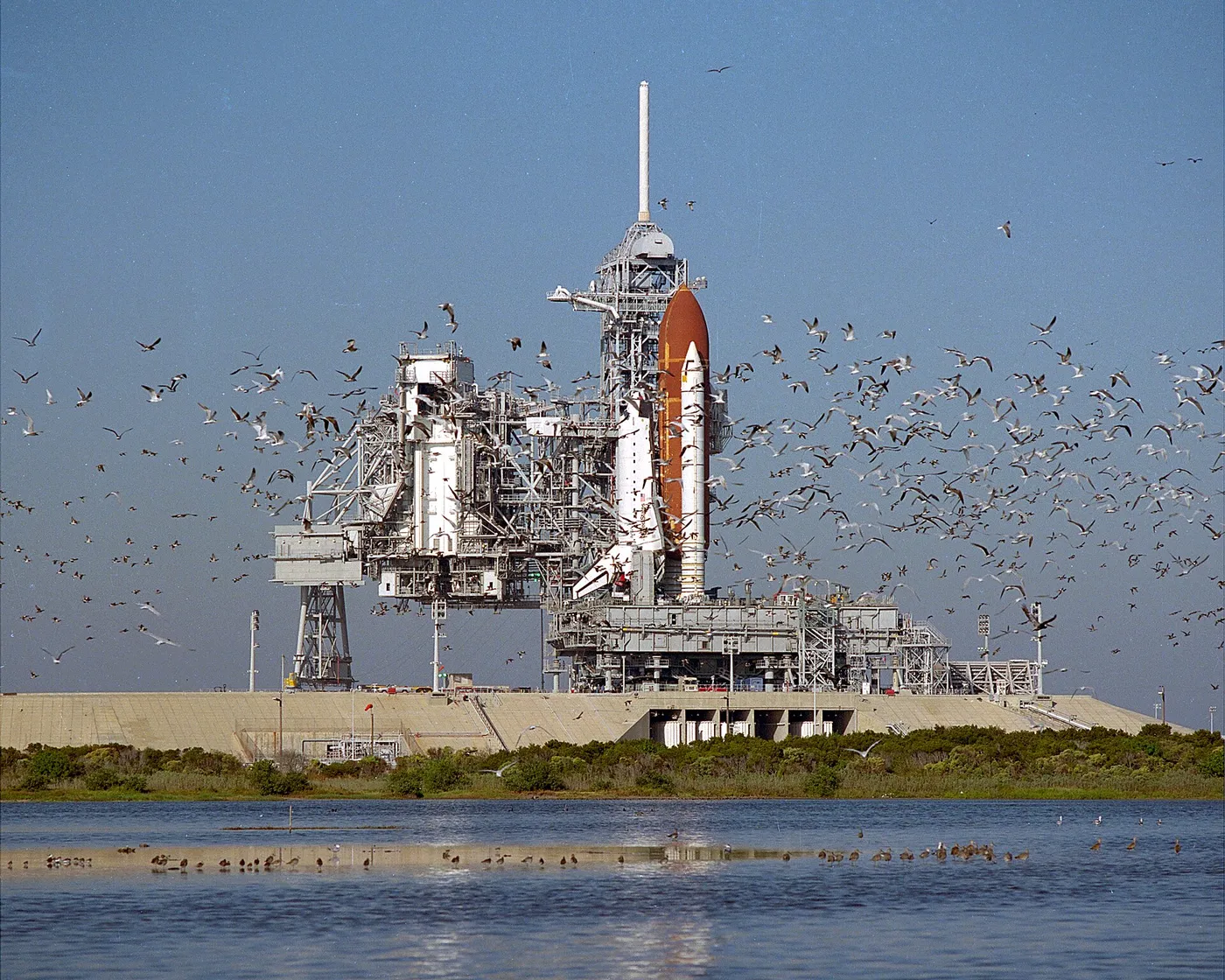
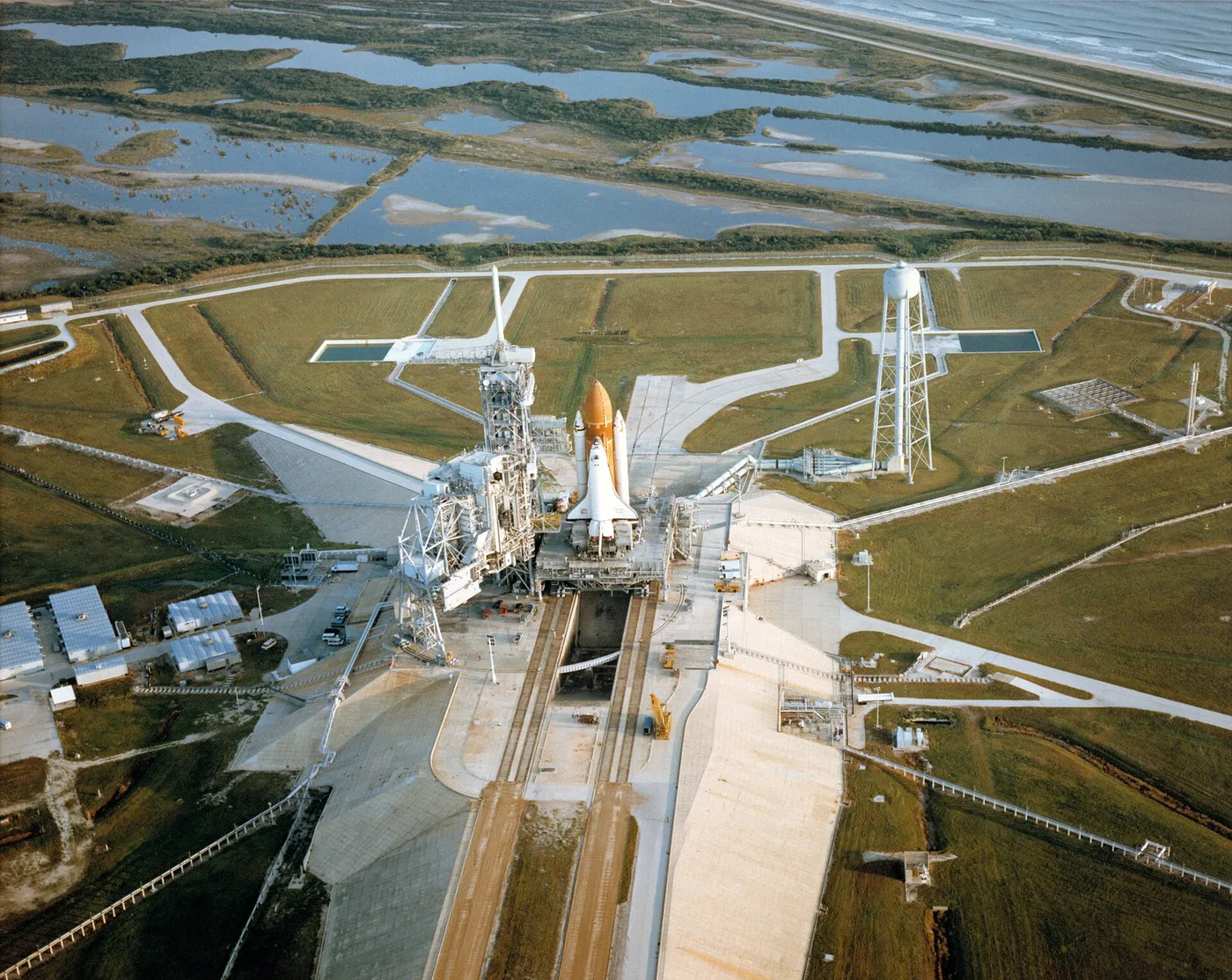

Atlantis flew a classified military mission in December 1988, its purpose hidden behind the secrecy that cloaked all dedicated Defense flights. The crew of five deployed what was understood to be a radar reconnaissance satellite, but the mission is remembered for how close it came to catastrophe on the way up.
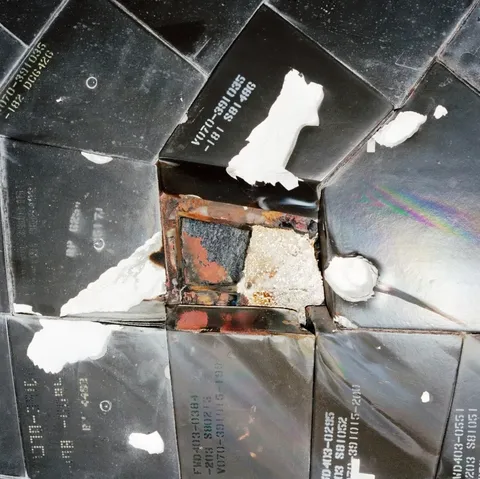
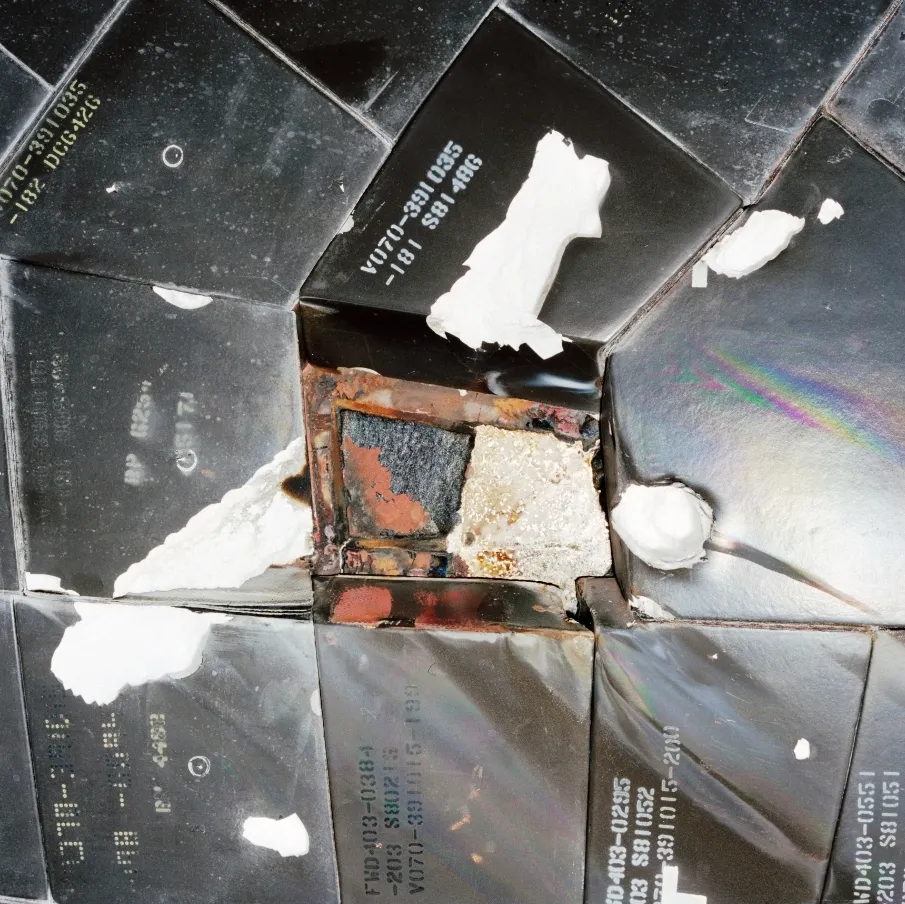
Insulation shed from the booster during ascent battered the orbiter's underside, stripping and damaging hundreds of heat-shield tiles. Peering at the wreckage on the robotic arm's camera, commander Hoot Gibson privately feared the crew might not survive re-entry. Atlantis came home safely — one tile had been over a steel plate that held — but the near-miss was a stark warning about debris strikes that, tragically, would go unheeded until Columbia was lost in similar fashion fifteen years later.

This was the closest call before Columbia, and almost nobody heard about it for years. Atlantis launched in December 1988 on a classified military flight, and eighty-five seconds into the climb a piece of ablative insulation tore off the nose cap of one solid rocket booster and sandblasted the orbiter's right side.
When the crew inspected the damage with the robotic arm's camera, they found what commander Robert Gibson later described as the worst thing he had ever seen — hundreds of gouged tiles and one apparently missing altogether, a black hole in the thermal protection. Because the mission was classified the video had to be sent down on an encrypted channel that degraded the image badly, and managers in Houston, looking at a smeared picture, concluded the damage was mostly lighting artefacts and told the crew it was fine.
Gibson did not believe them. He flew the re-entry expecting to die, and said afterwards that he intended to have some choice words for mission control on the way down. They survived because the one lost tile happened to sit over a thick steel plate that mounted an antenna, which absorbed the heat that would otherwise have burned into the airframe. More than 700 tiles were damaged. Fourteen years later, a differently-caused piece of debris and a similar management judgement destroyed Columbia.