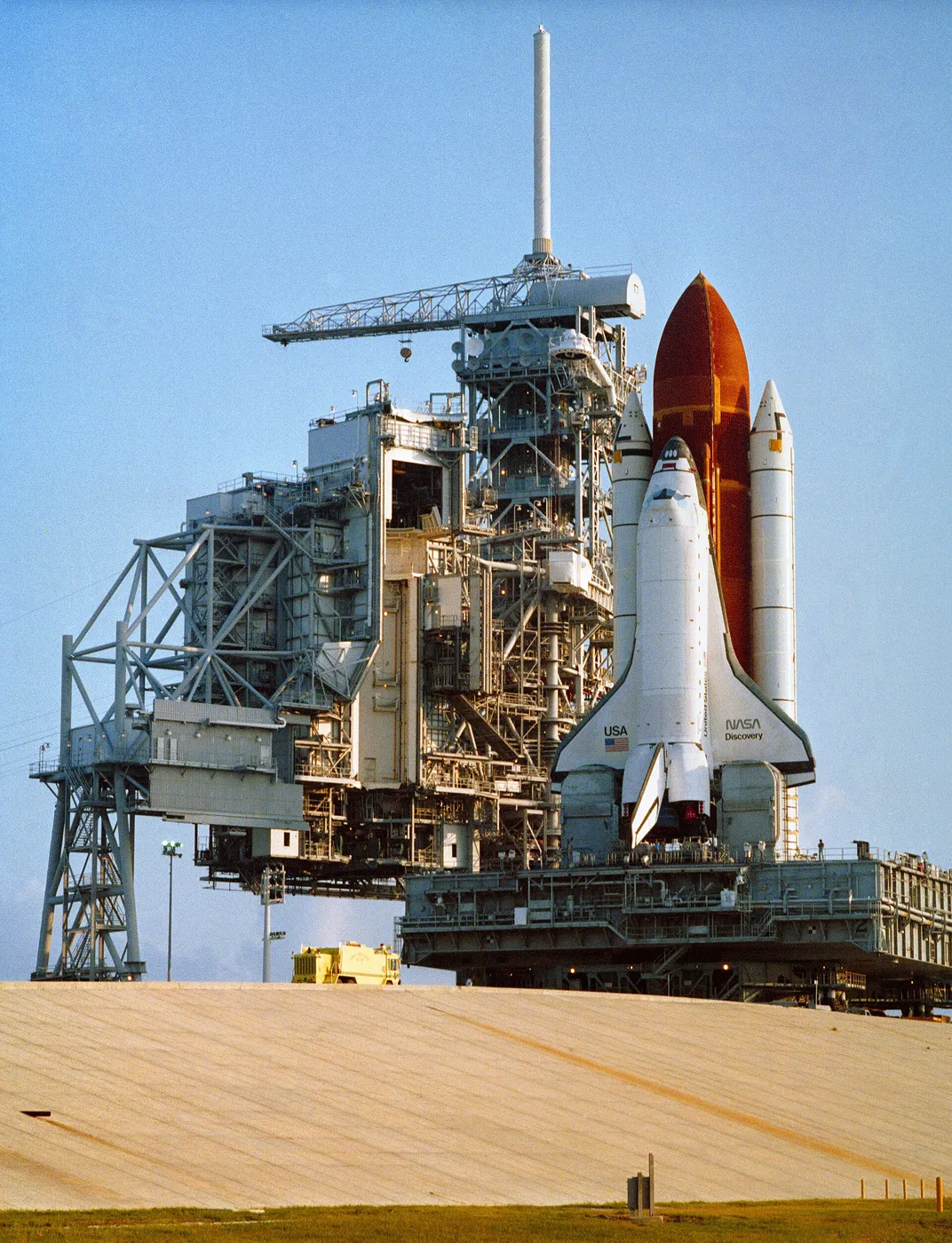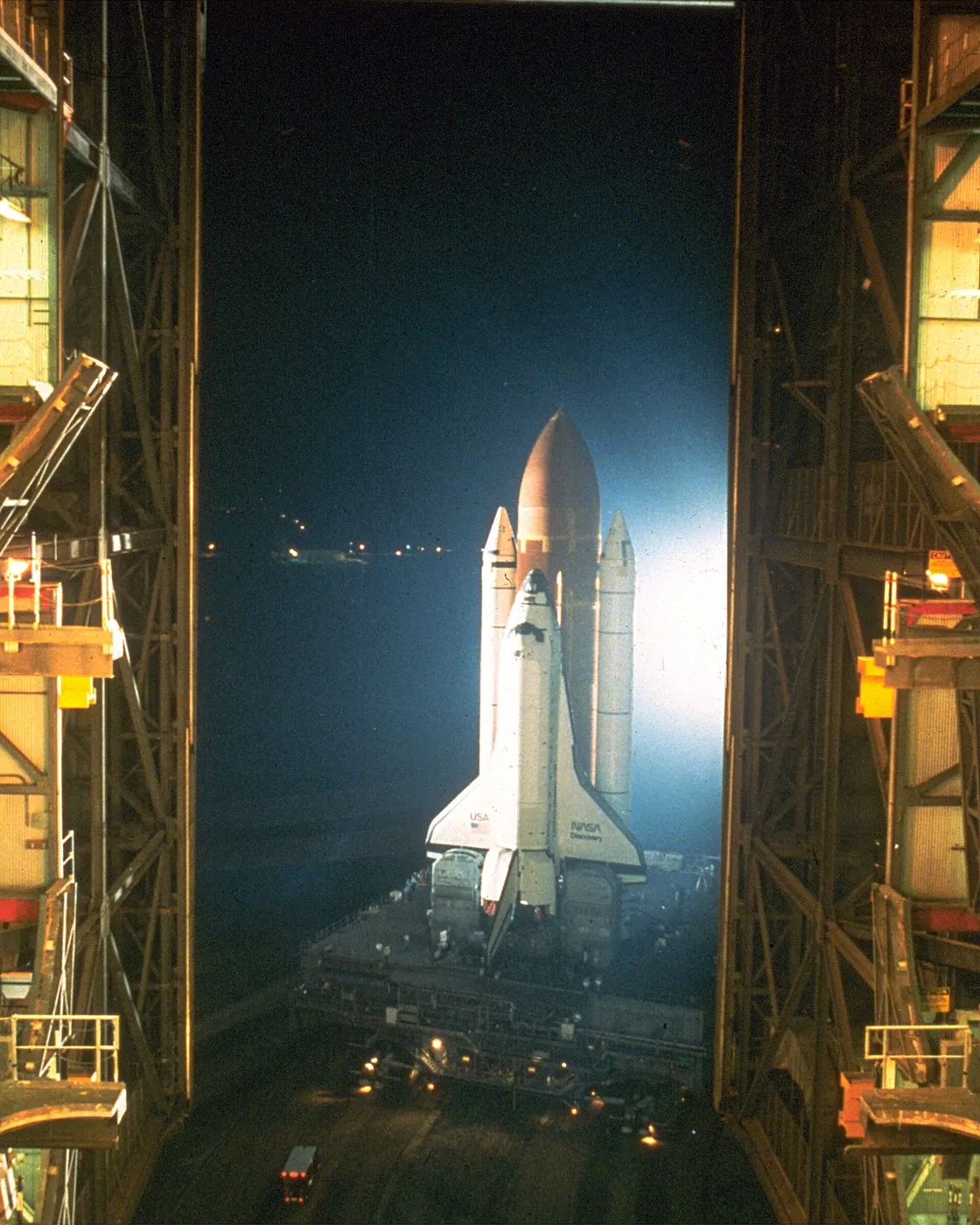
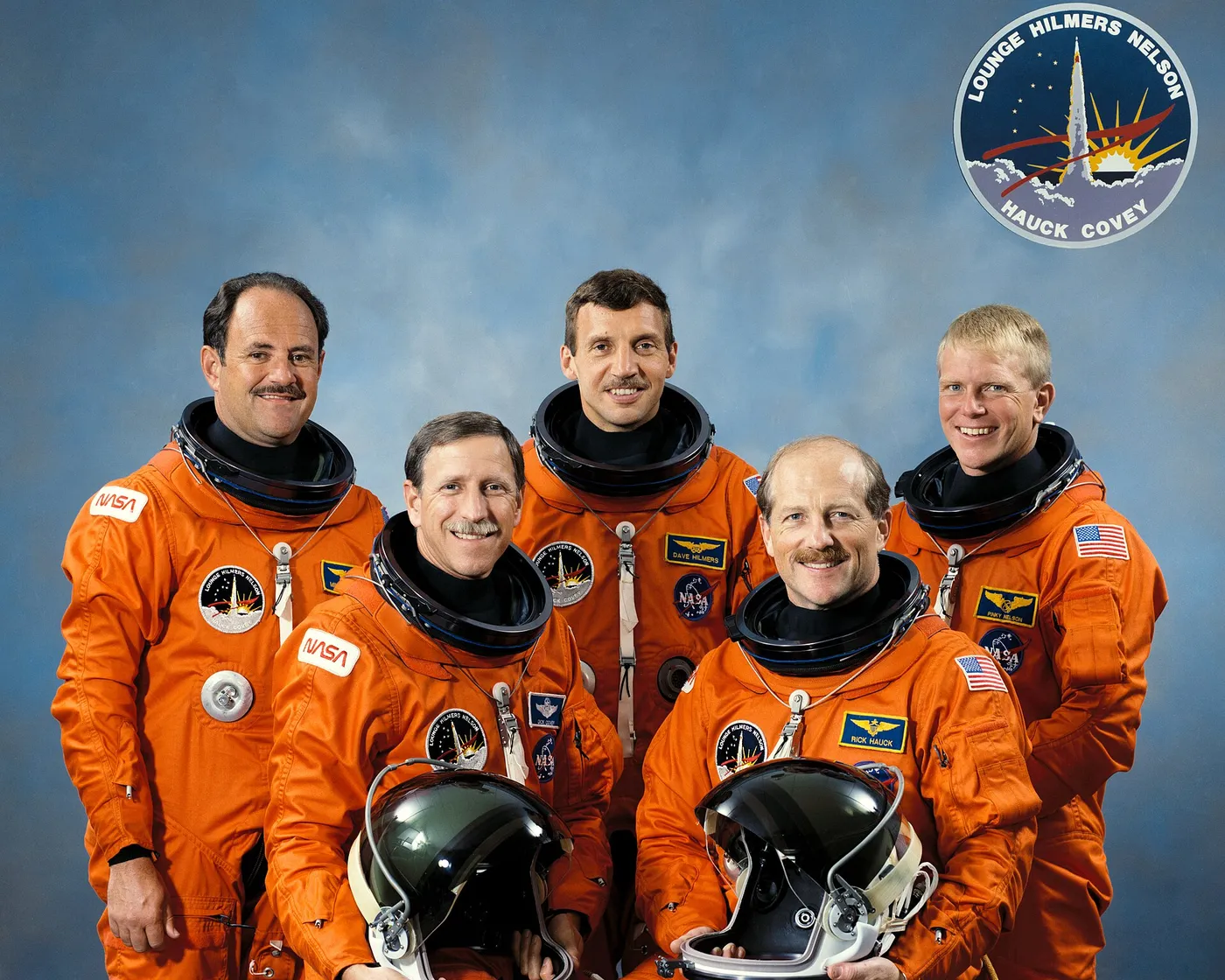

After nearly three years grounded, the Shuttle returned to flight in September 1988 when Discovery lifted off with a redesigned booster seal and a crew of five seasoned veterans. Everything about the mission was deliberately conservative: a proven payload, a well-worn flight plan, and a fleet flying under a new safety regime born of the Challenger investigation.
The crew deployed a Tracking and Data Relay Satellite, replacing the one lost with Challenger and restoring the communications network the programme depended on. When Discovery rolled to a stop at Edwards, the relief was national. The flight proved nothing scientifically novel, and that was the point — it showed a chastened NASA could fly safely again, and it reopened a programme many had wondered whether the country would ever trust with human lives.
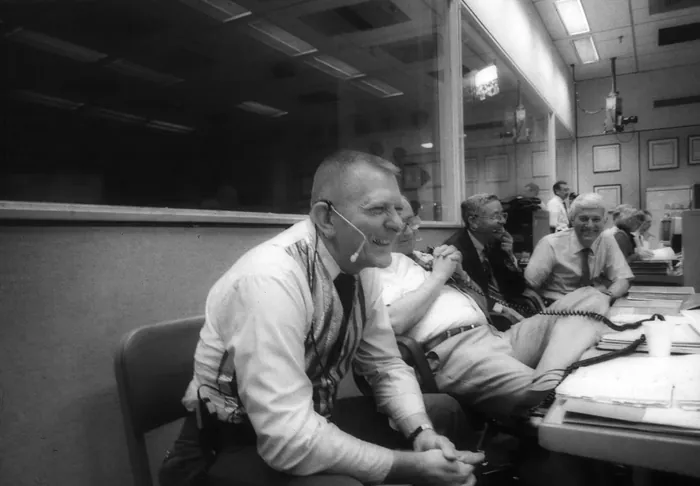
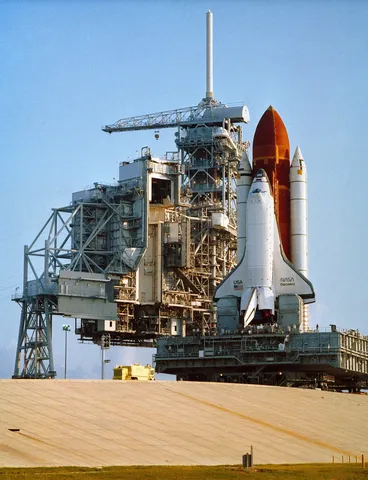
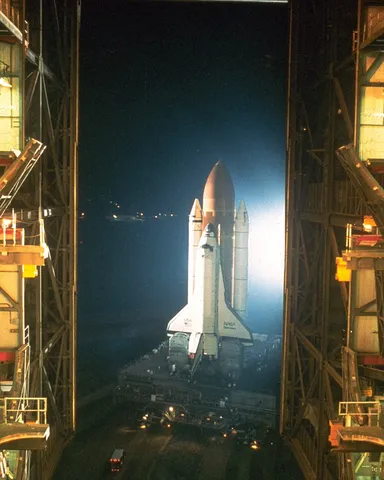
It took thirty-two months to fly again. When Discovery lifted off on 29 September 1988 it carried a redesigned booster joint with a third O-ring and heaters, a crew back in pressure suits after years of flying in shirtsleeves, and the accumulated caution of an agency that had rebuilt not just hardware but its own decision-making. More than four hundred changes had been made to the orbiter alone.
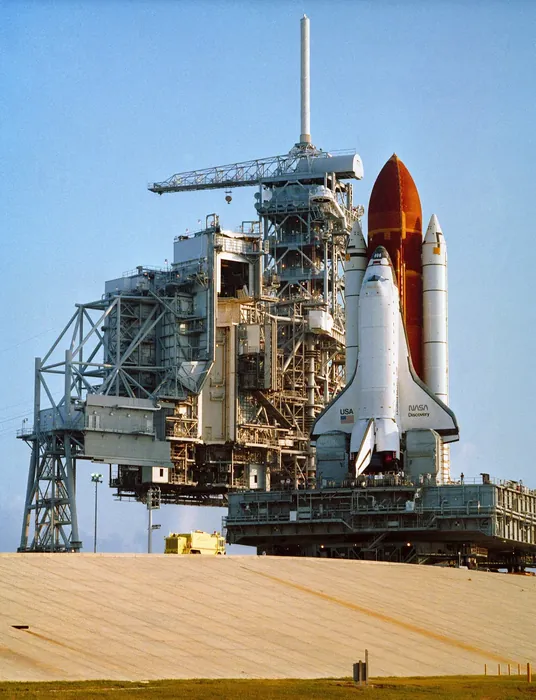
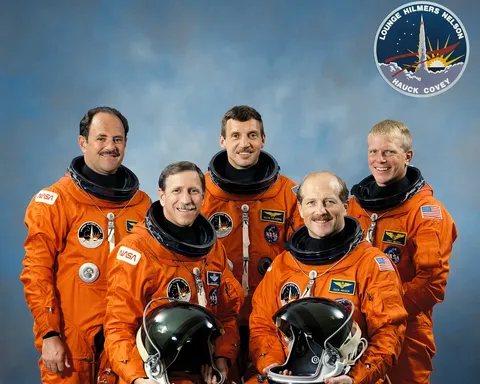
The five men aboard were all veterans, deliberately: NASA wanted no rookies on this flight. Their primary cargo was a tracking and data relay satellite, replacing precisely the one that had been lost with Challenger — a deliberate closing of the circle that nobody had to explain.
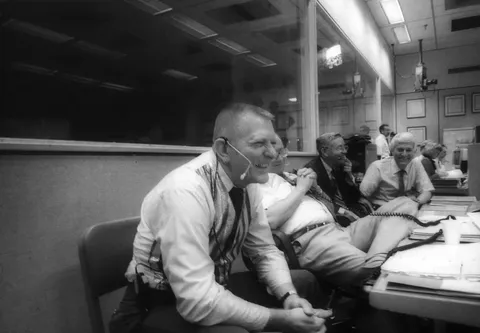
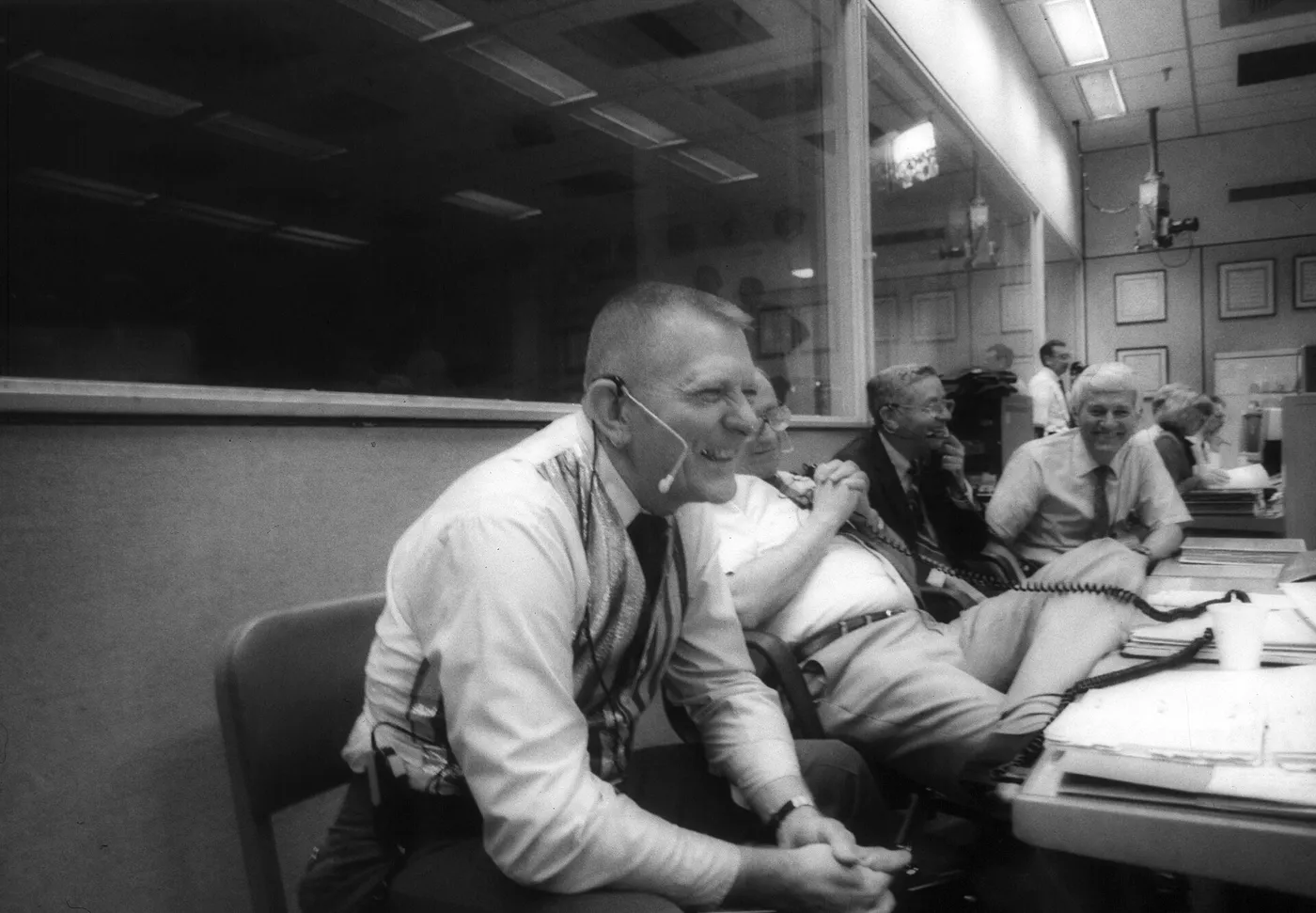
Partway through the mission the crew stopped and read a short dedication to the seven who had died, and commander Rick Hauck's voice did not stay entirely steady. When Discovery rolled to a stop at Edwards, the controllers in Houston were on their feet. The Shuttle would fly for another twenty-three years, but never again quite as it had before — the commercial satellite business was gone, military payloads were moving to expendable rockets, and the programme's purpose narrowed to science, servicing and, eventually, a space station.