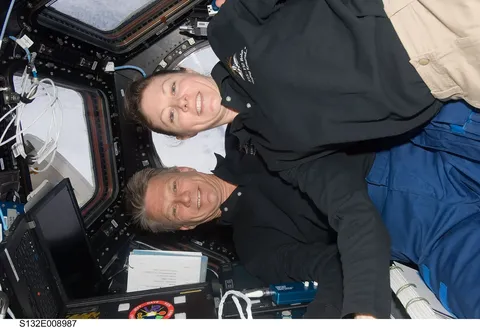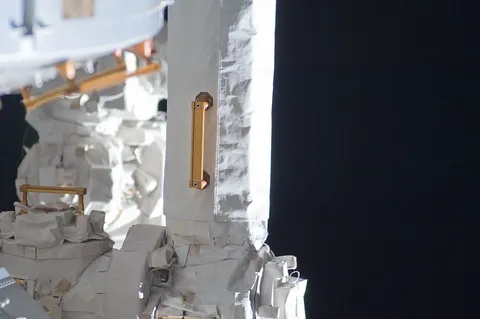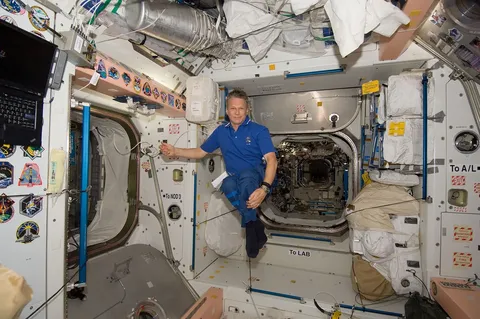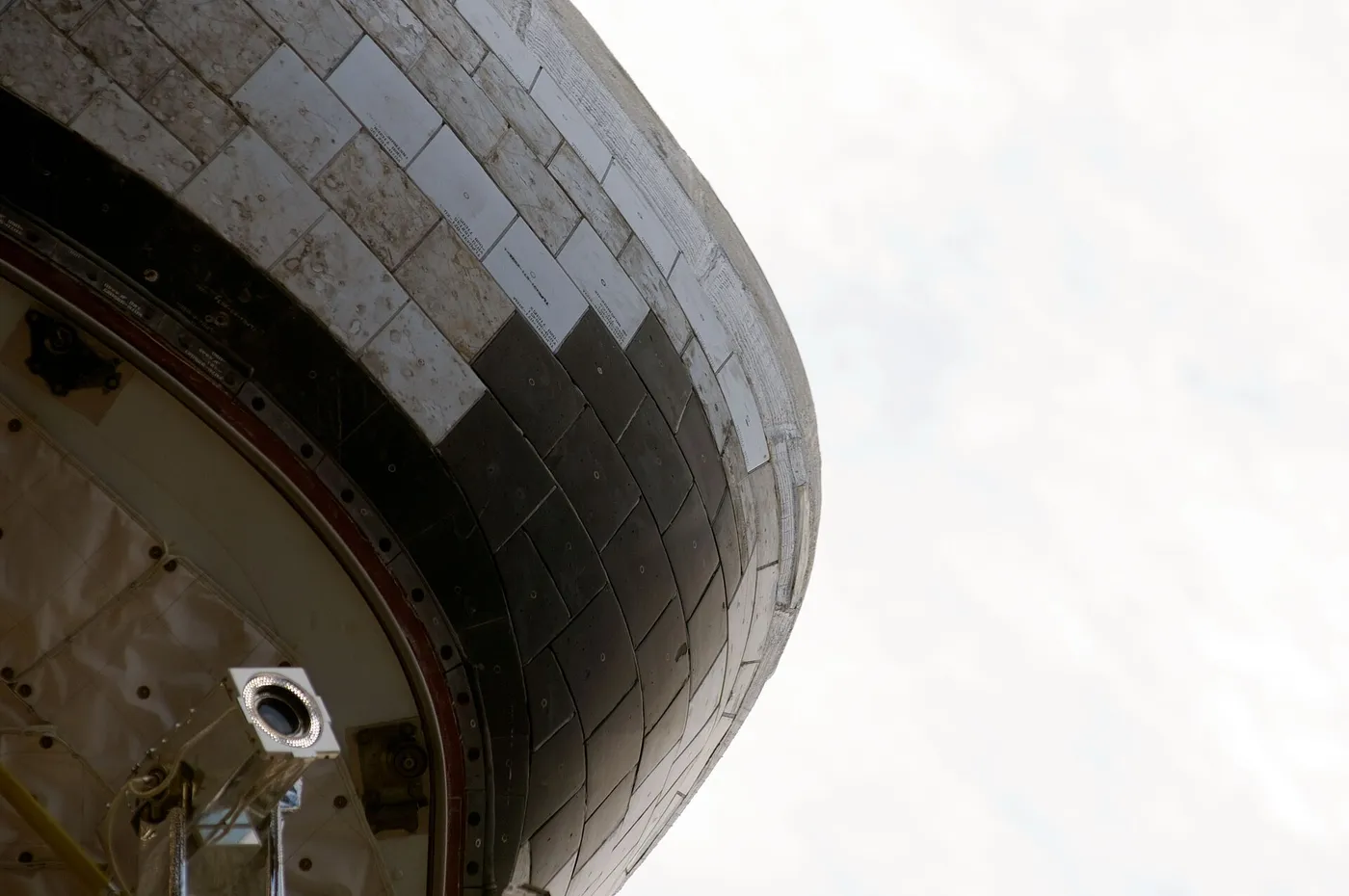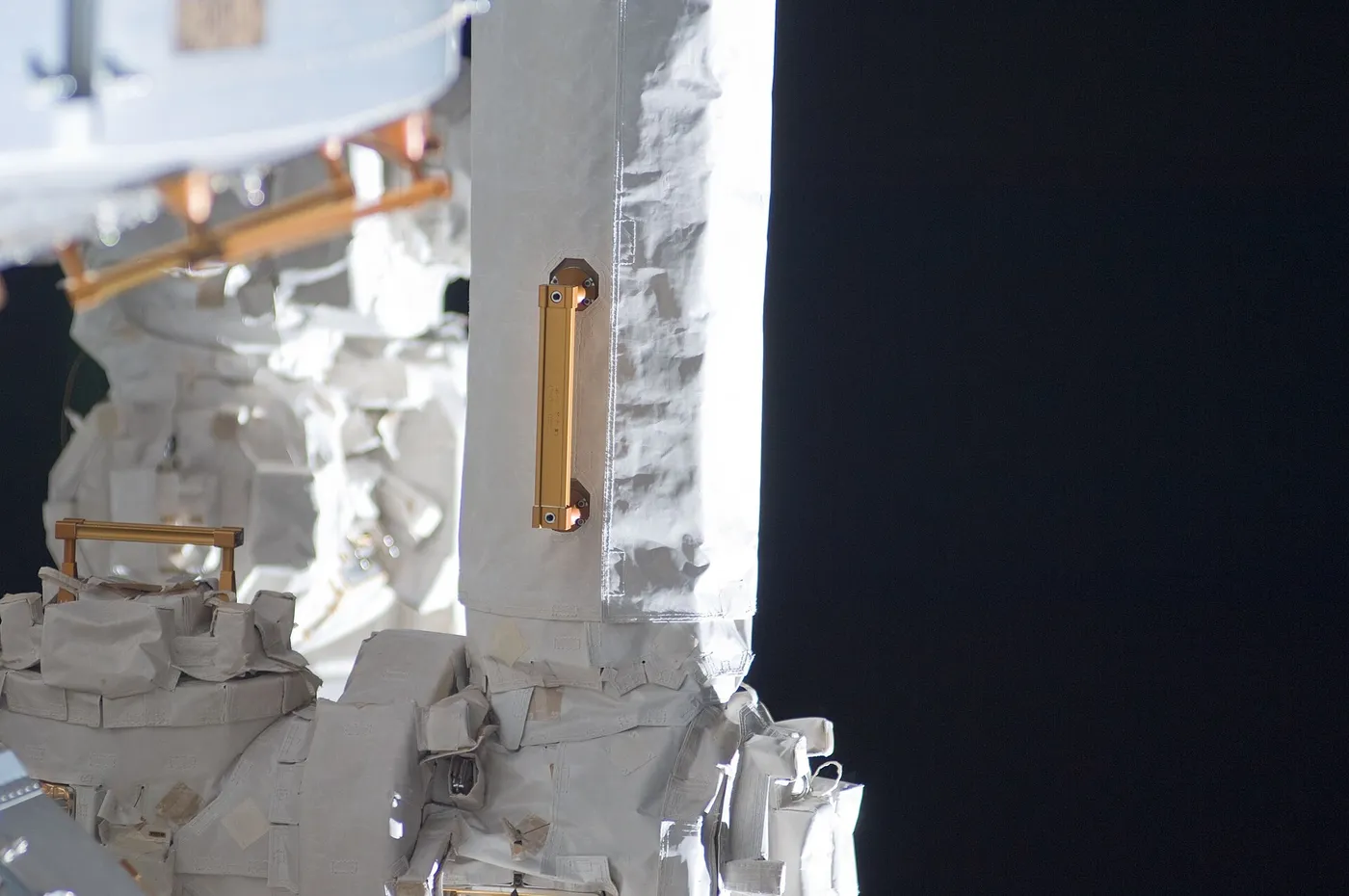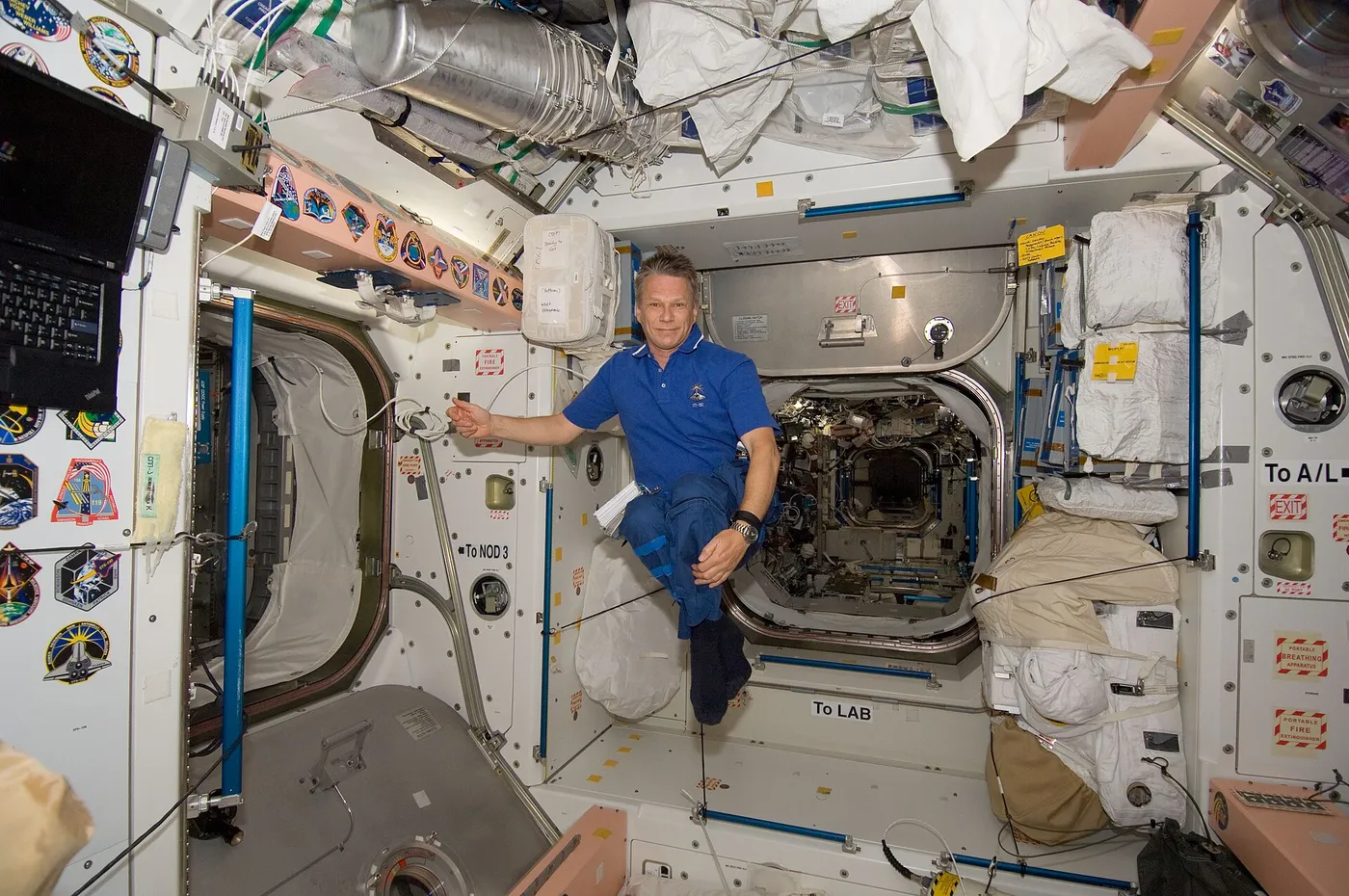
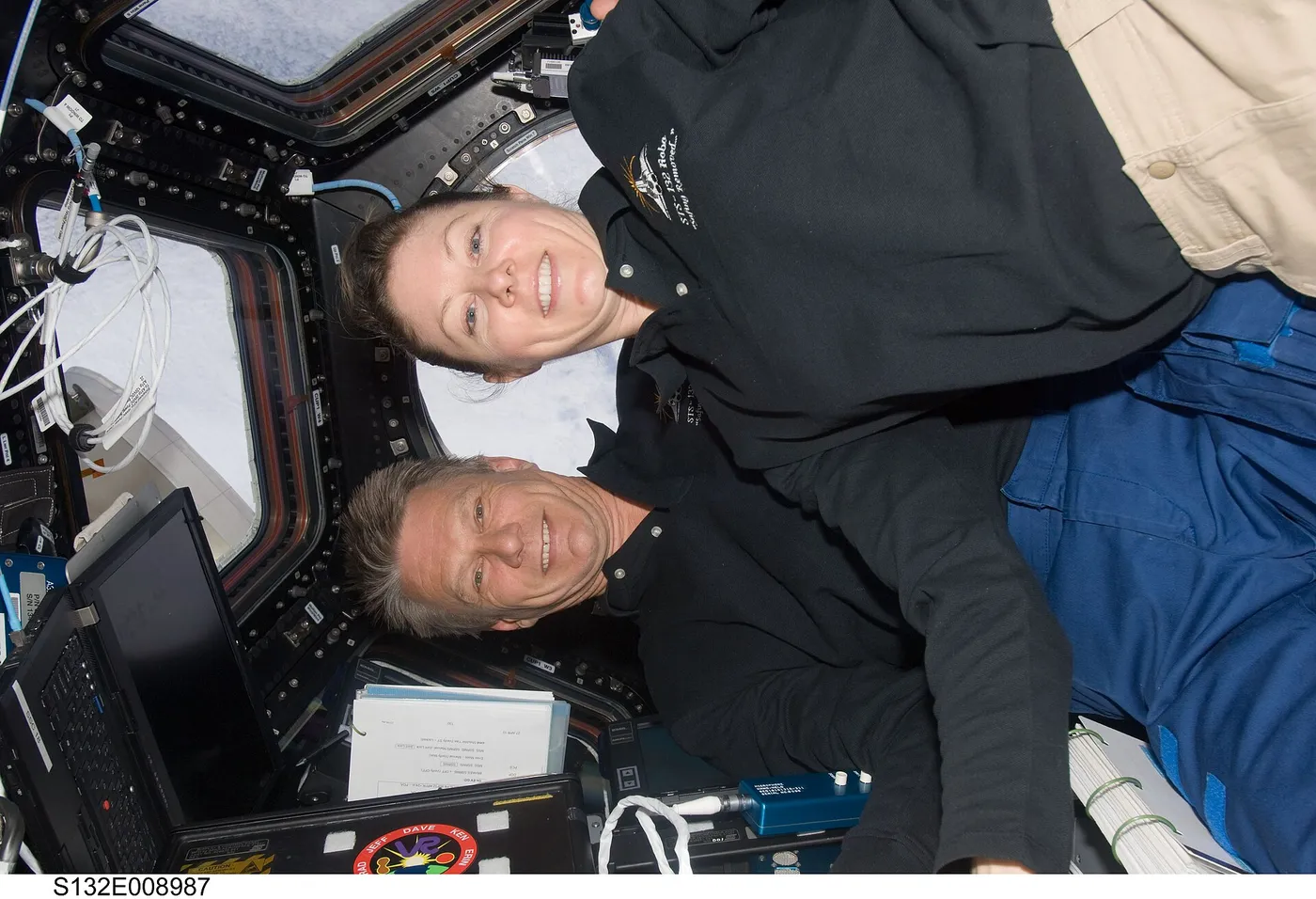

Atlantis delivered the Russian-built Rassvet module to the International Space Station in May 2010, adding a small research and docking module to the outpost's Russian segment. The crew of six used the robotic arm to install the module, which also carried spare parts mounted on its exterior for the station's future use.
Three spacewalks installed batteries, an antenna and other equipment on the station. The flight was planned as Atlantis's final mission, and its crew and ground teams treated it as a farewell — though the orbiter would later be called back for one last flight to close out the program. Delivering a Russian module aboard an American Shuttle underscored, once more, the international partnership that had built and sustained the station across more than a decade of assembly.
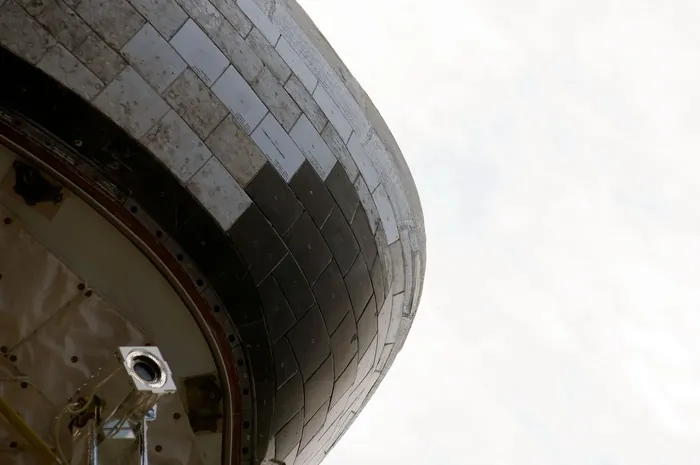
Atlantis delivered a Russian module in May 2010 — an arrangement that by then surprised nobody. Rassvet was built in Moscow, carried up in an American payload bay, and berthed to the Russian segment to serve as a docking port and storage compartment, with Russian equipment aboard destined for the Russian side.
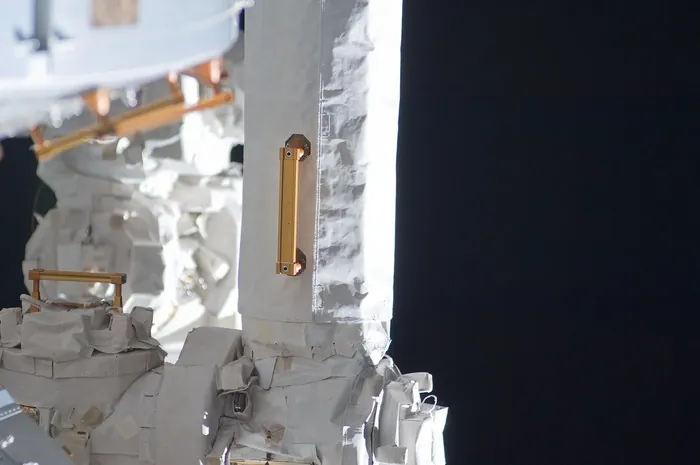
The flight also installed a spare communications antenna and six fresh batteries for one of the truss segments, continuing the stockpiling that occupied the final missions. Three spacewalks were required, all of them the sort of methodical component-swapping that had become the routine business of keeping a large machine alive in a corrosive environment.
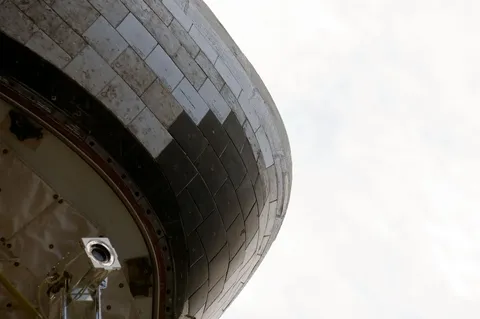
This was expected to be Atlantis's final flight, and it was flown as one — with the traditional farewells and a crew who believed they were closing the orbiter's career. An additional mission was subsequently funded, and Atlantis flew again fourteen months later to end the entire programme, which is a fitting sort of accident.