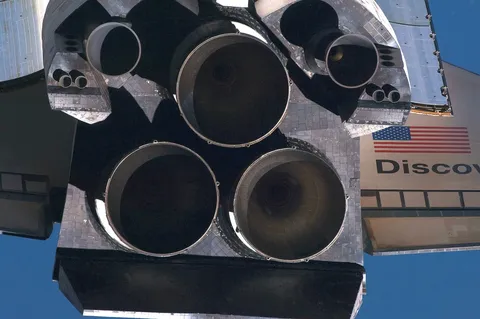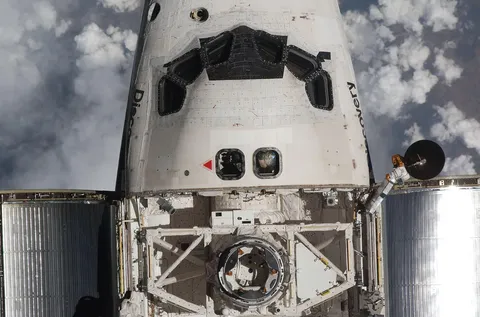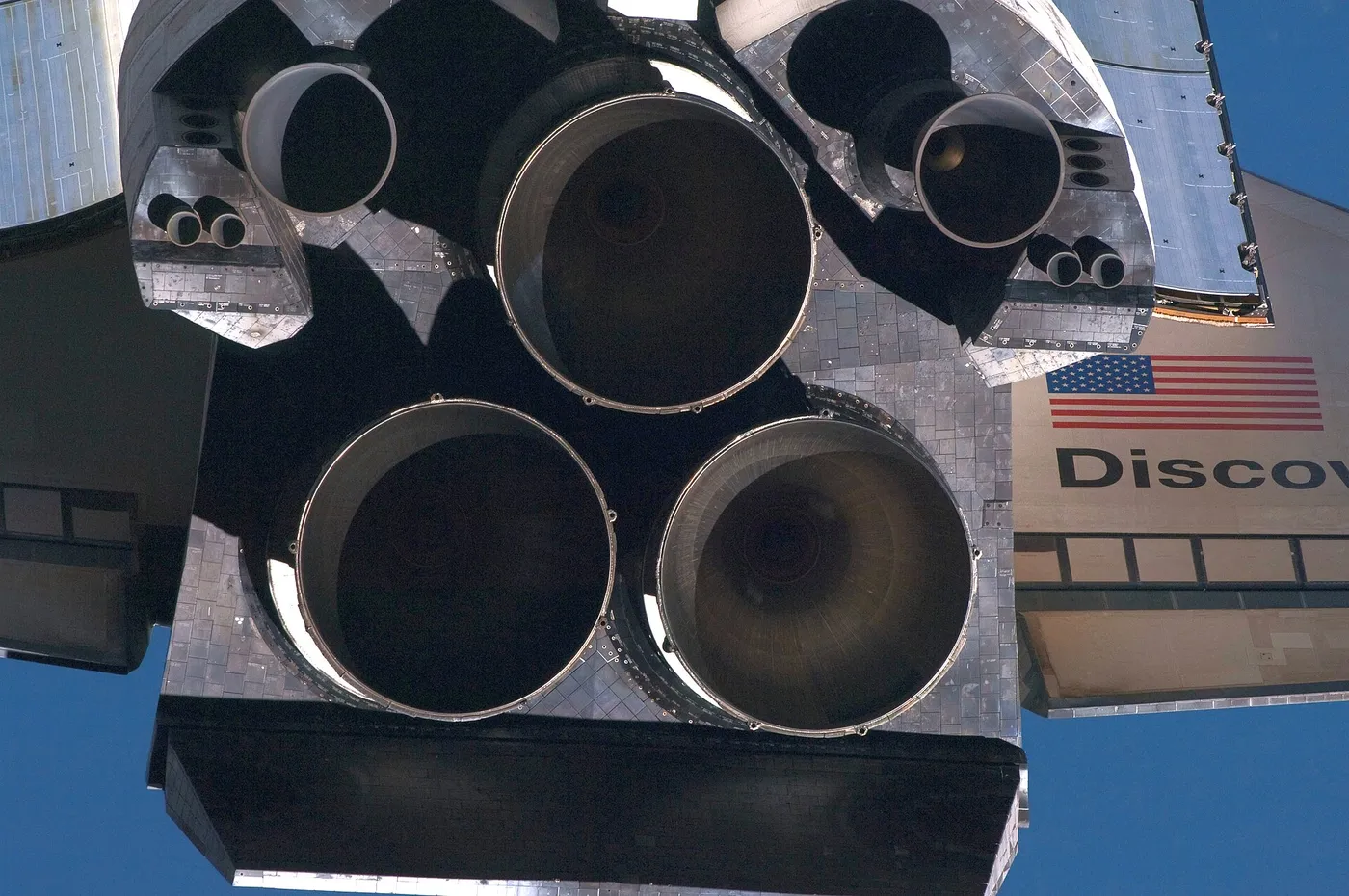
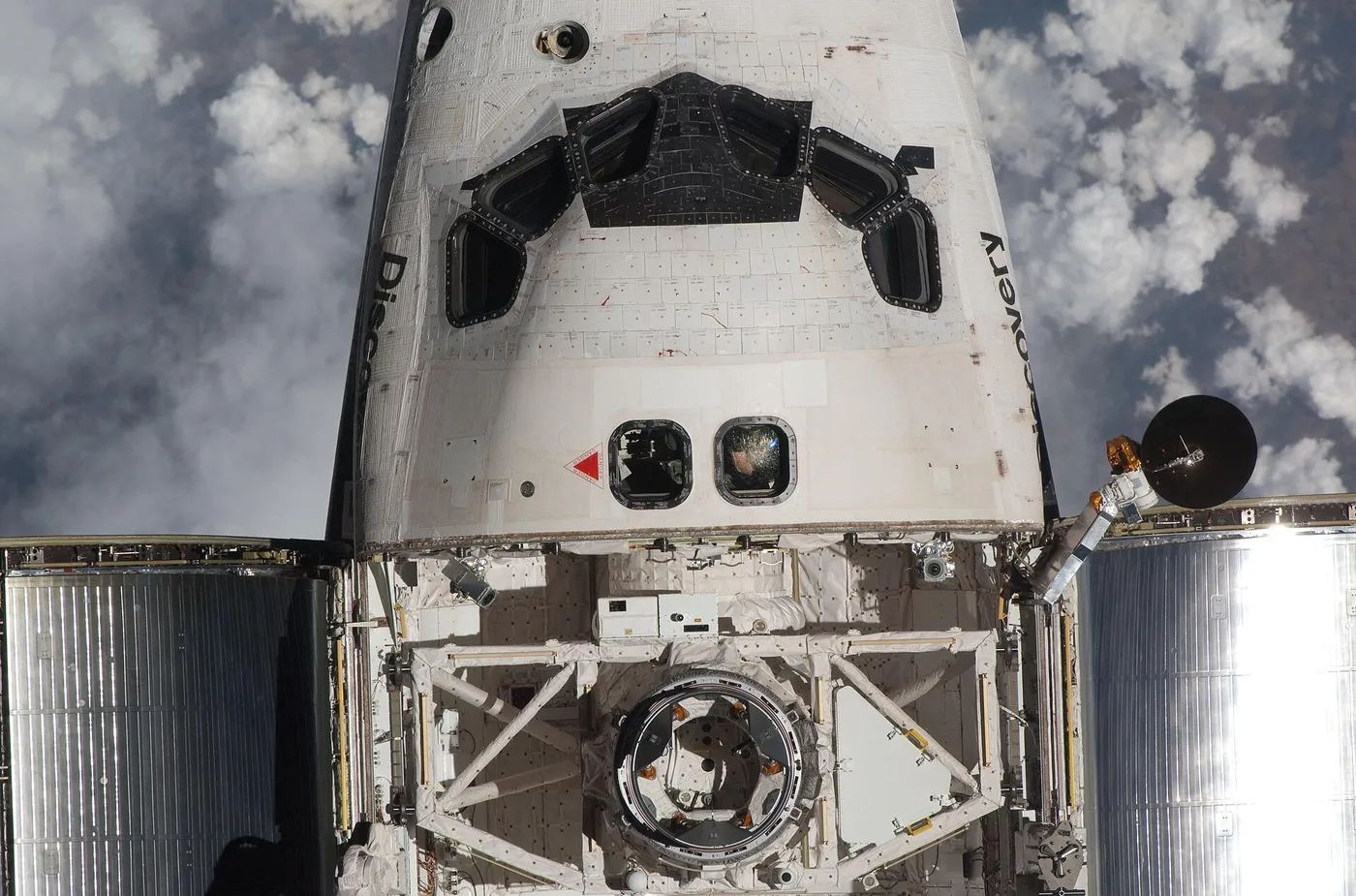
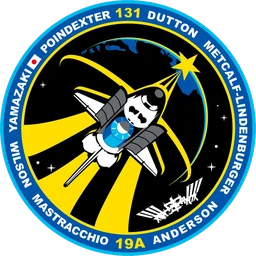
Discovery flew a heavy resupply mission to the International Space Station in April 2010, delivering an Italian cargo module packed with science racks, a new crew sleeping compartment and a fresh ammonia tank for the cooling system. The crew of seven transferred the supplies and carried out three spacewalks to replace the coolant tank and handle maintenance.
The mission was notable for its crew's composition, which contributed to a remarkable moment: with a Japanese woman among Discovery's astronauts and another woman already aboard the station, four women were in orbit at the same time, the most ever. At more than fifteen days it was one of the longest station flights. As the program neared its end, such logistics missions stocked the outpost heavily to carry it through the years after the Shuttle's retirement.
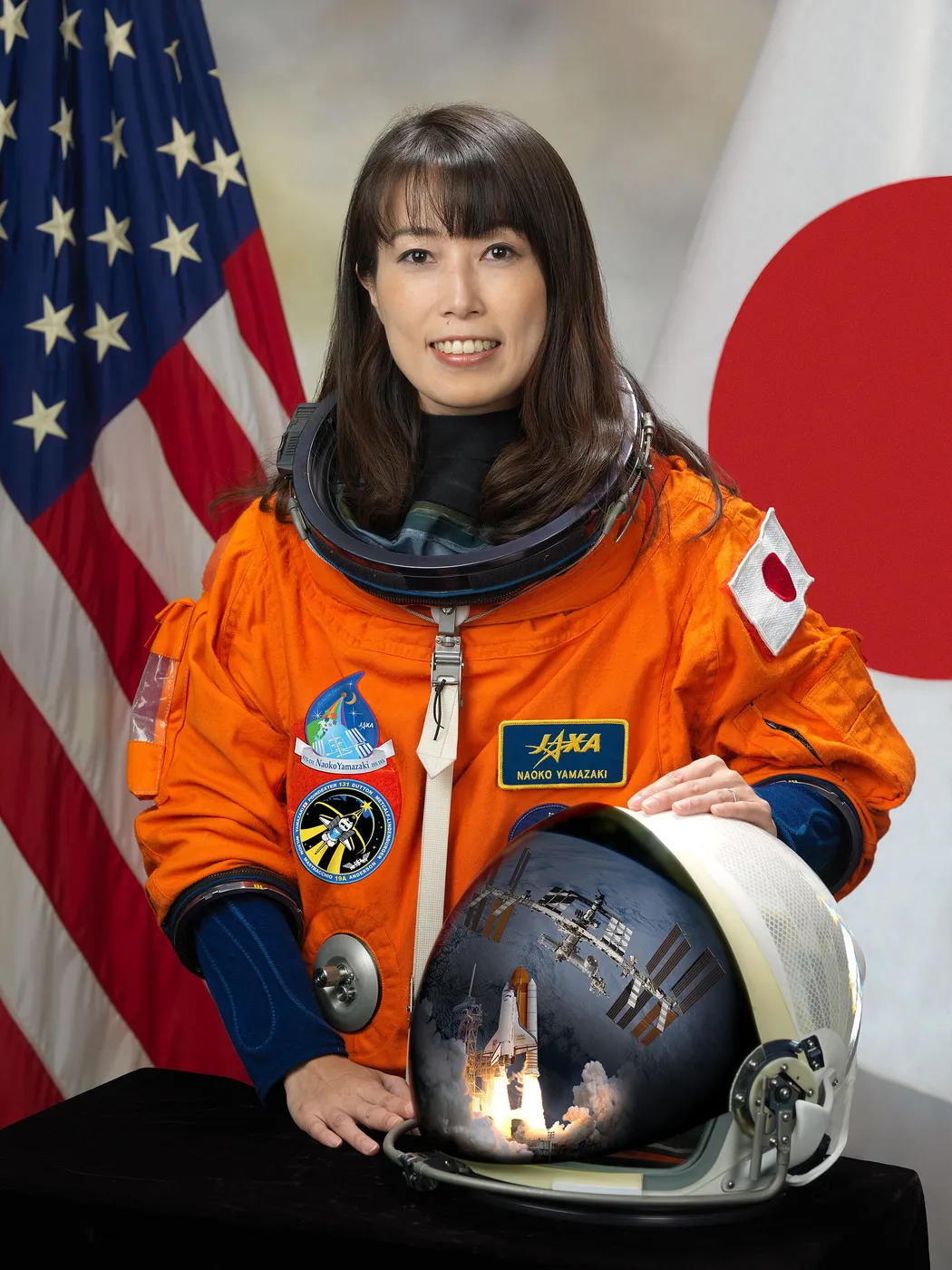
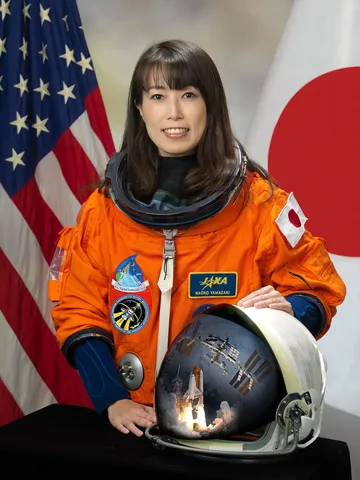
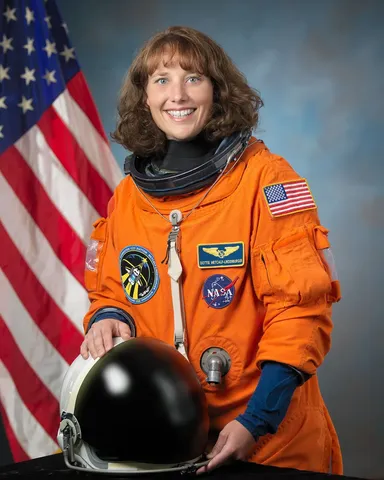
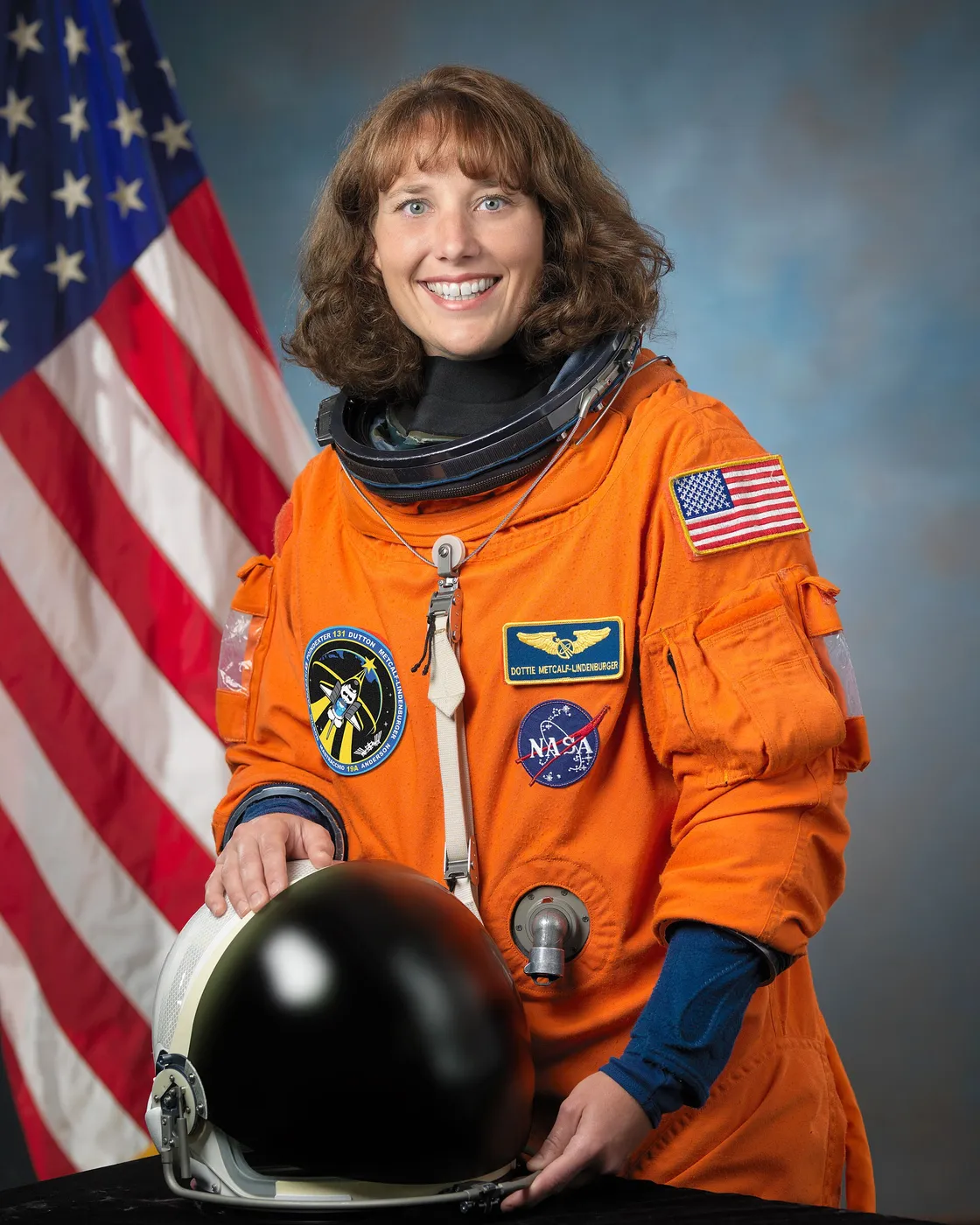
For a few days in April 2010 there were four women in orbit at once, the most there had ever been: three aboard Discovery — Dorothy Metcalf-Lindenburger, Stephanie Wilson and Naoko Yamazaki — and Tracy Caldwell Dyson already living on the station. It happened without being planned, which was rather the point, and it has not happened again since.
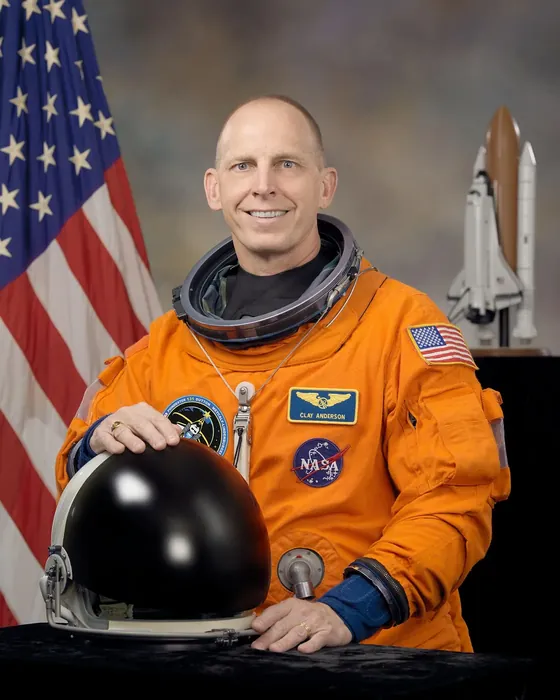
The mission was a heavy resupply run, carrying the Leonardo module packed with science racks, a new crew sleeping compartment, an ammonia tank and several tonnes of equipment. Three spacewalks replaced the ammonia tank — an awkward job with a component the size of a refrigerator — and retrieved experiments from the hull.
Yamazaki, the second Japanese woman in space, operated the robotic arm; Metcalf-Lindenburger had been a high-school science teacher recruited through the educator astronaut programme that succeeded the Teacher in Space initiative. Fifteen months of Shuttle flights remained.