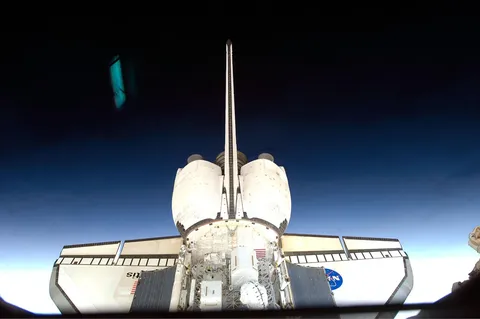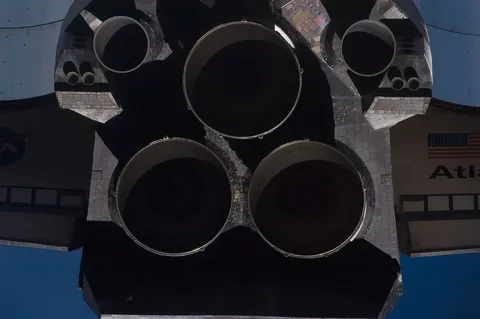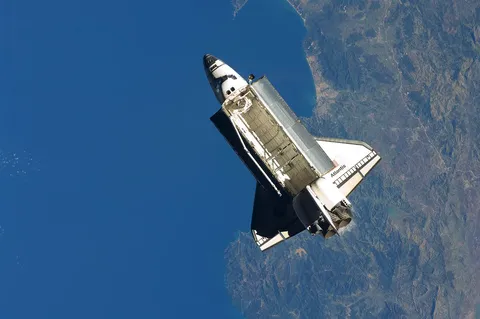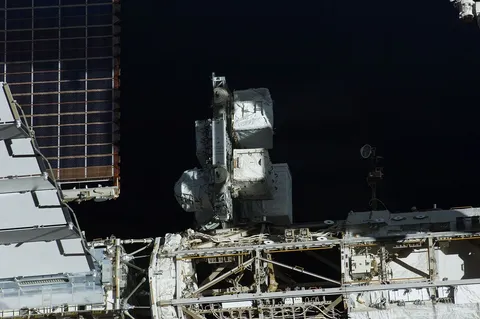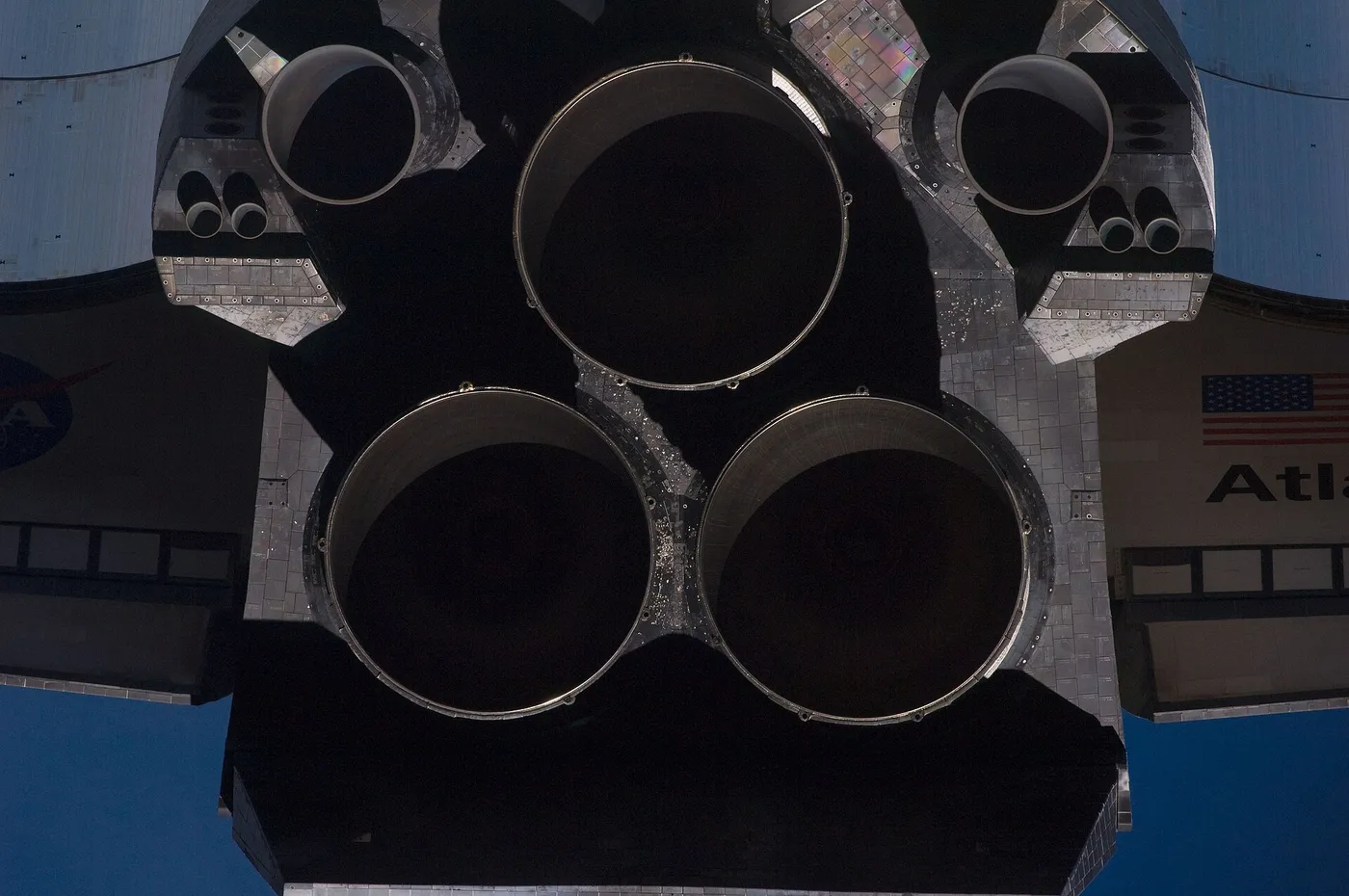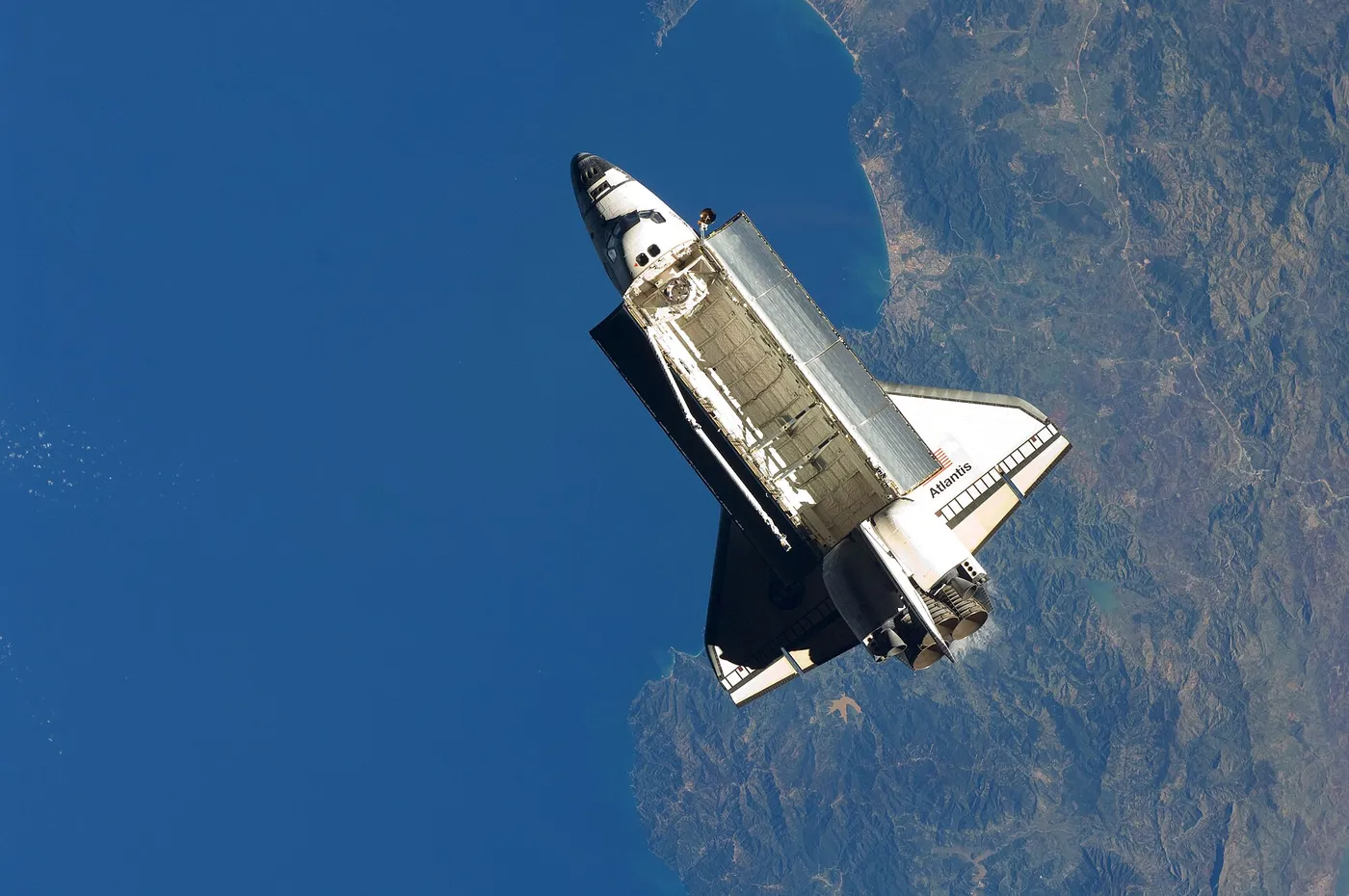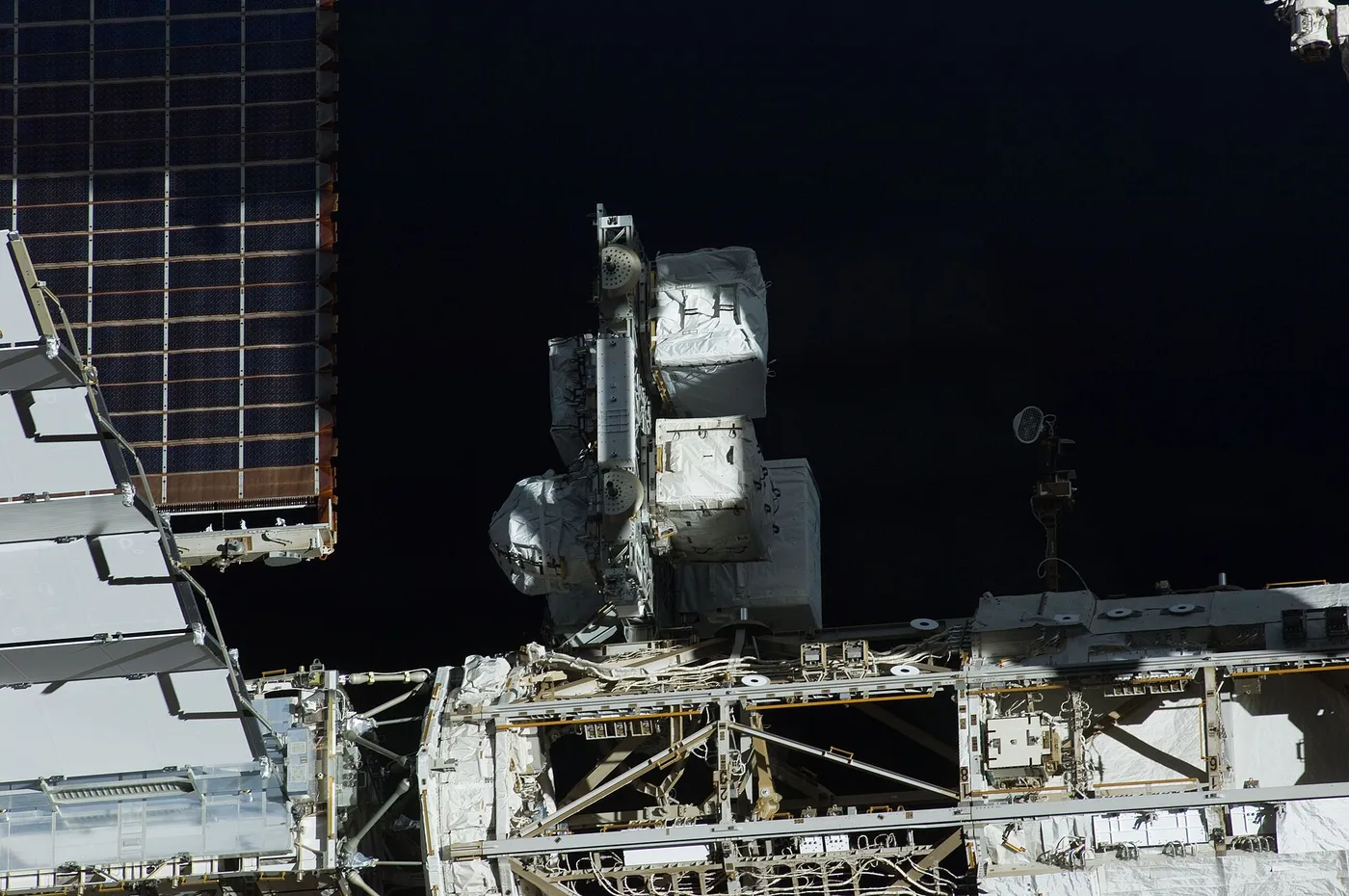
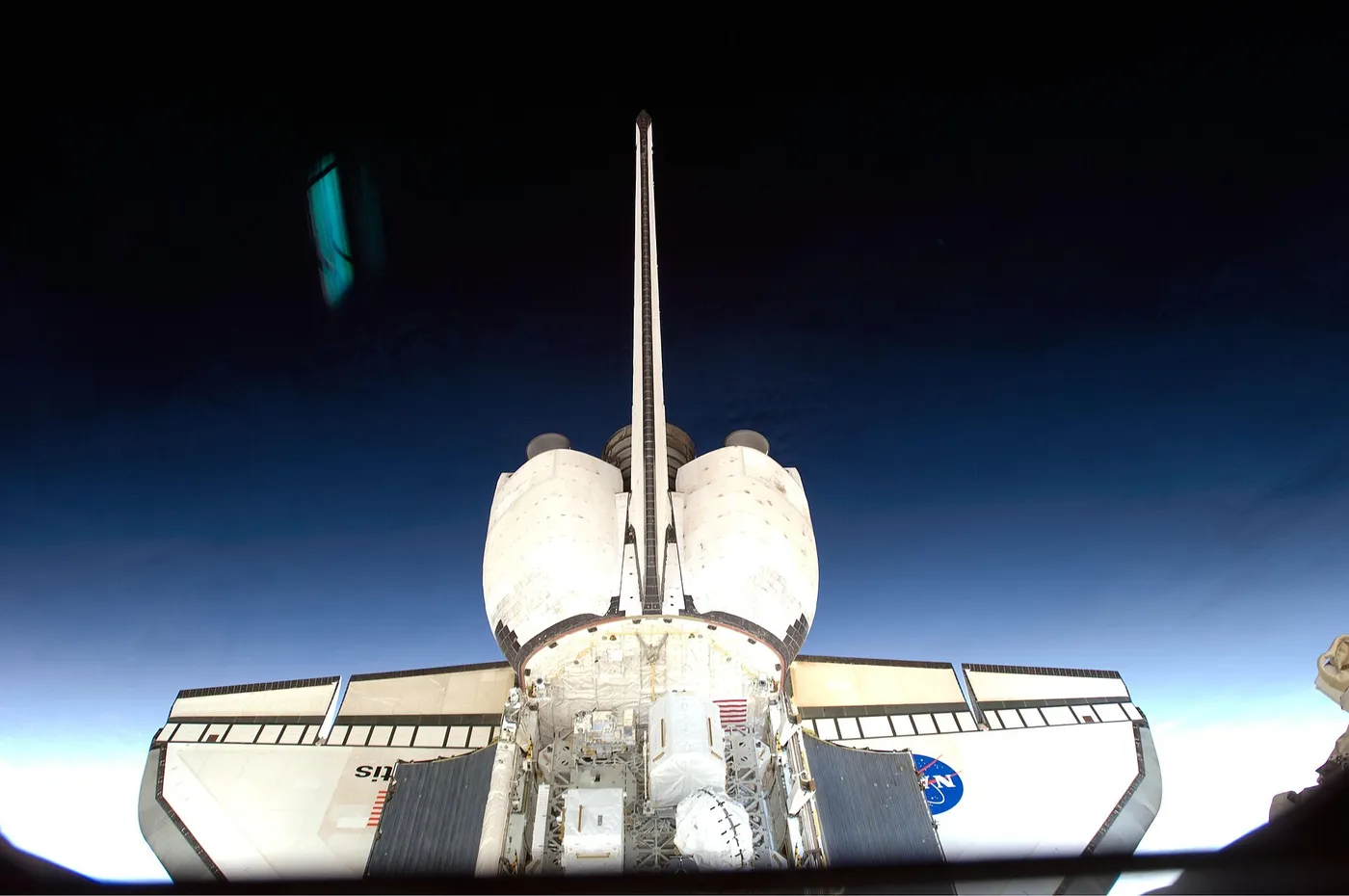

Atlantis delivered spare parts and equipment to the International Space Station in November 2009, carrying two large external platforms loaded with critical replacement components. With the Shuttle's retirement approaching, the mission was designed to stock the station with bulky spares that only the orbiter could deliver, ensuring the outpost could be maintained after the fleet was gone.
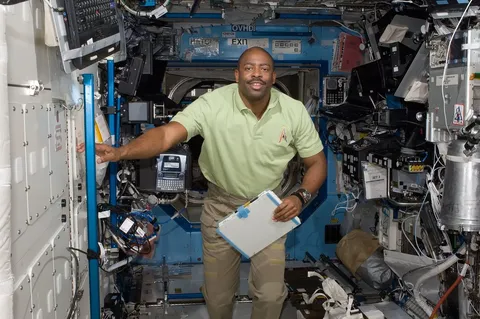
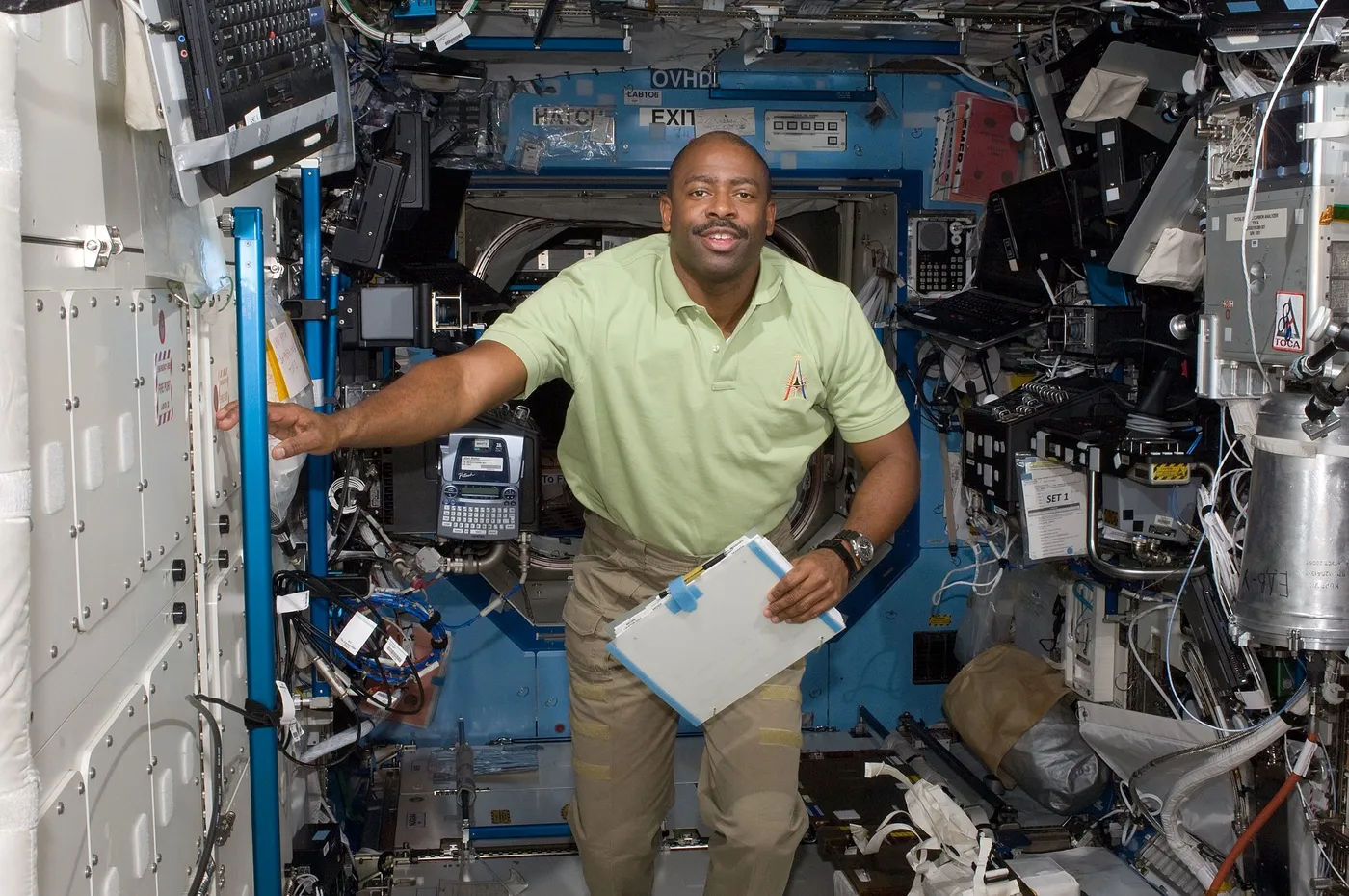
The crew of six installed the platforms on the station's truss across three spacewalks and transferred cargo. The flight also returned astronaut Nicole Stott to Earth, the last resident station crew member to come home aboard a Shuttle. As the program wound down, missions like this quietly prepared the station for a future in which it would depend on other vehicles, front-loading the heavy spare parts its long life would require.
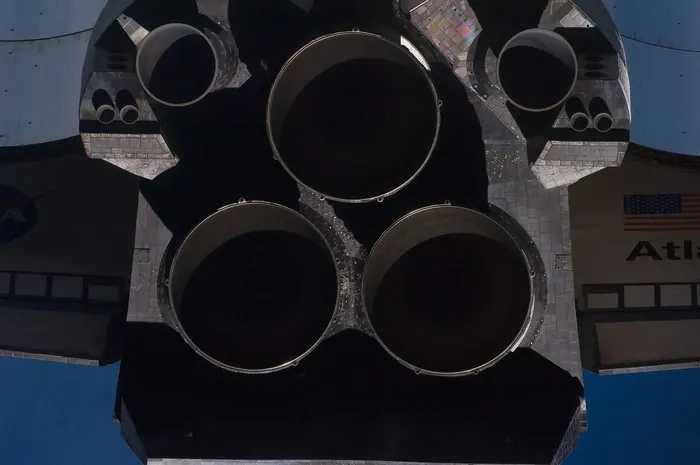
Atlantis flew a stockpiling mission in November 2009, carrying two external platforms loaded with the largest spare parts the station would ever need: gyroscopes, ammonia tanks, a spare arm joint, nitrogen tanks and pump modules.
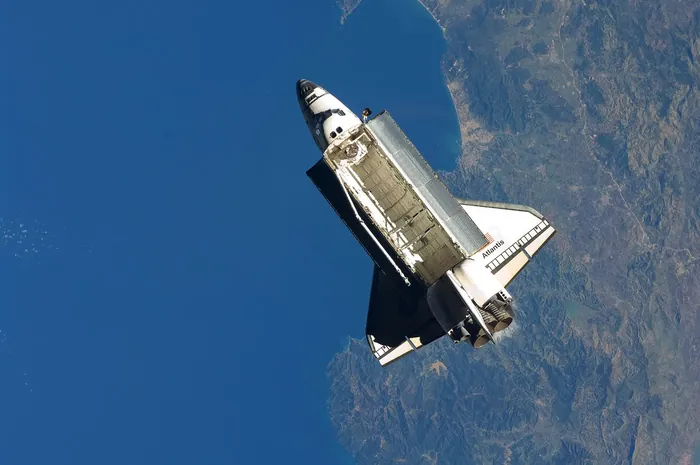
The logic was simple and slightly melancholy. Once the Shuttle retired there would be no vehicle able to carry components of that size, and any failure of a large external unit would leave the station degraded for years. So the final assembly flights spent much of their capacity hanging spares on the outside of the structure, like a household laying in supplies before a long winter.
Those spares have been used repeatedly in the years since, replaced by spacewalking crews or by the Dextre robot without any need for a delivery from Earth. The flight also brought Nicole Stott home, making her the last station crew member to return aboard a Shuttle; every resident after her came home in a Soyuz.