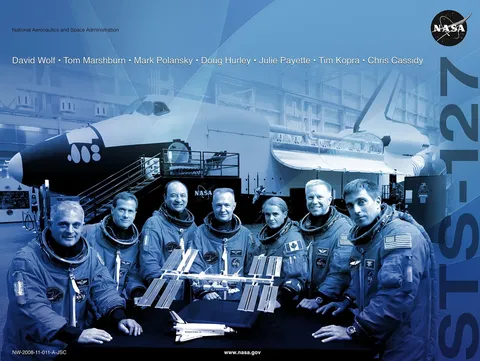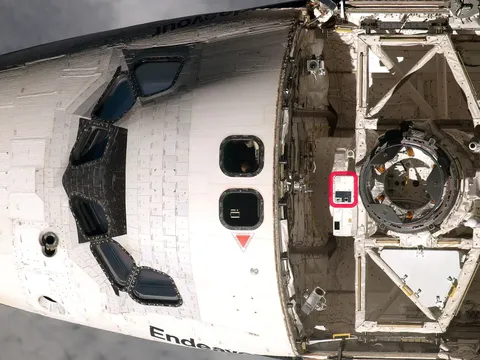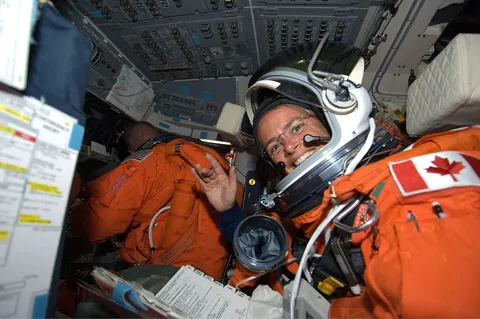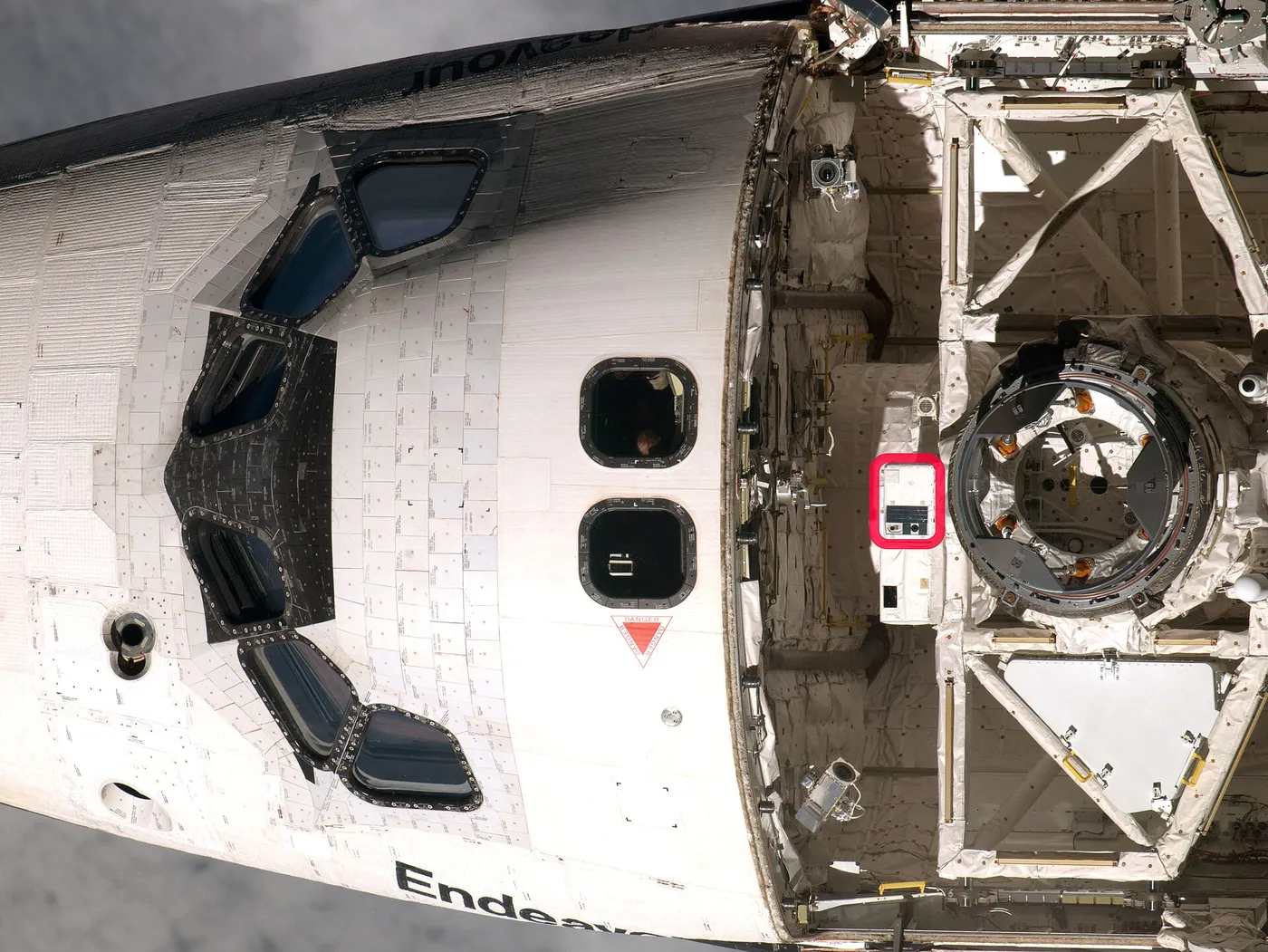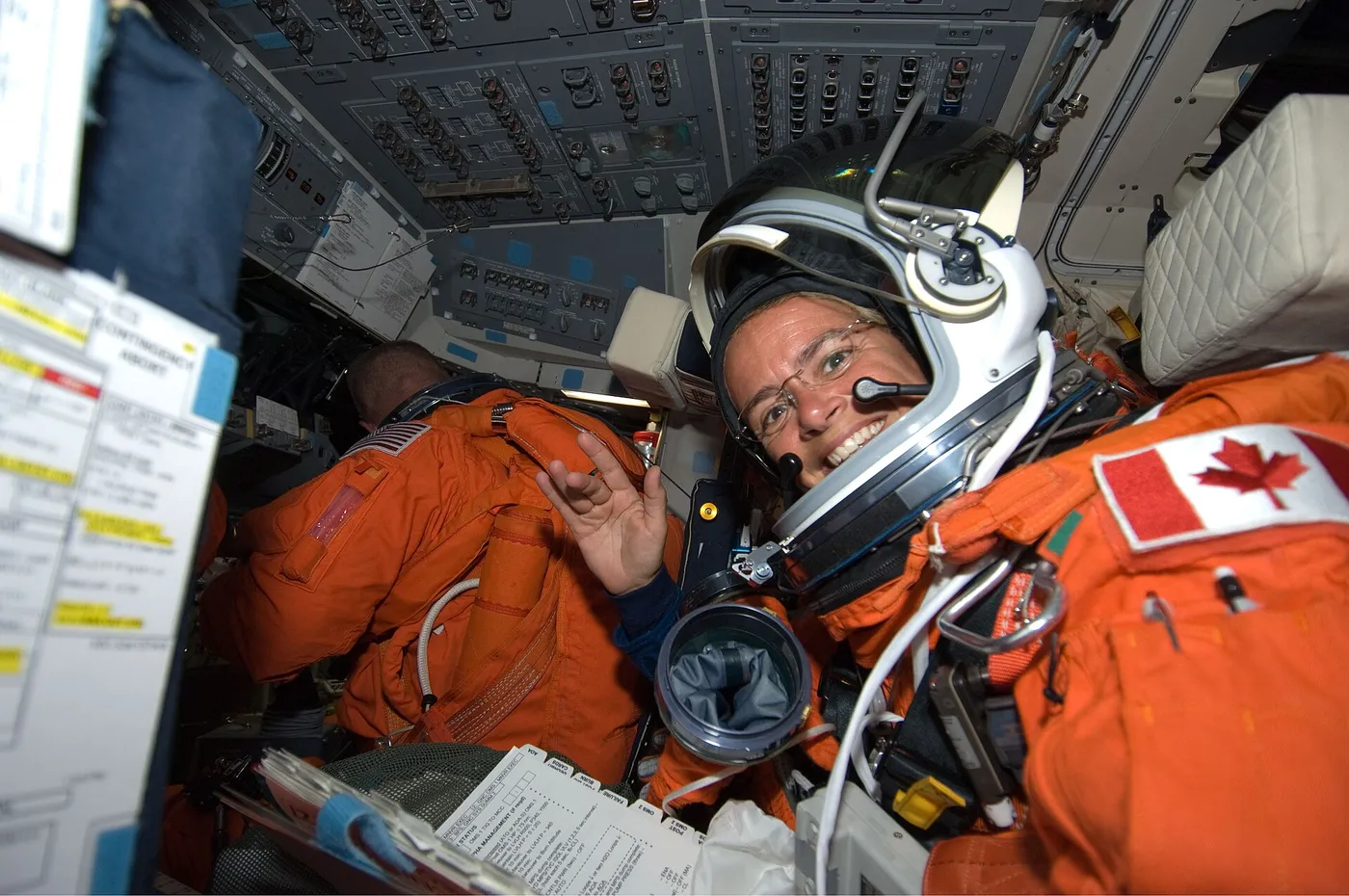
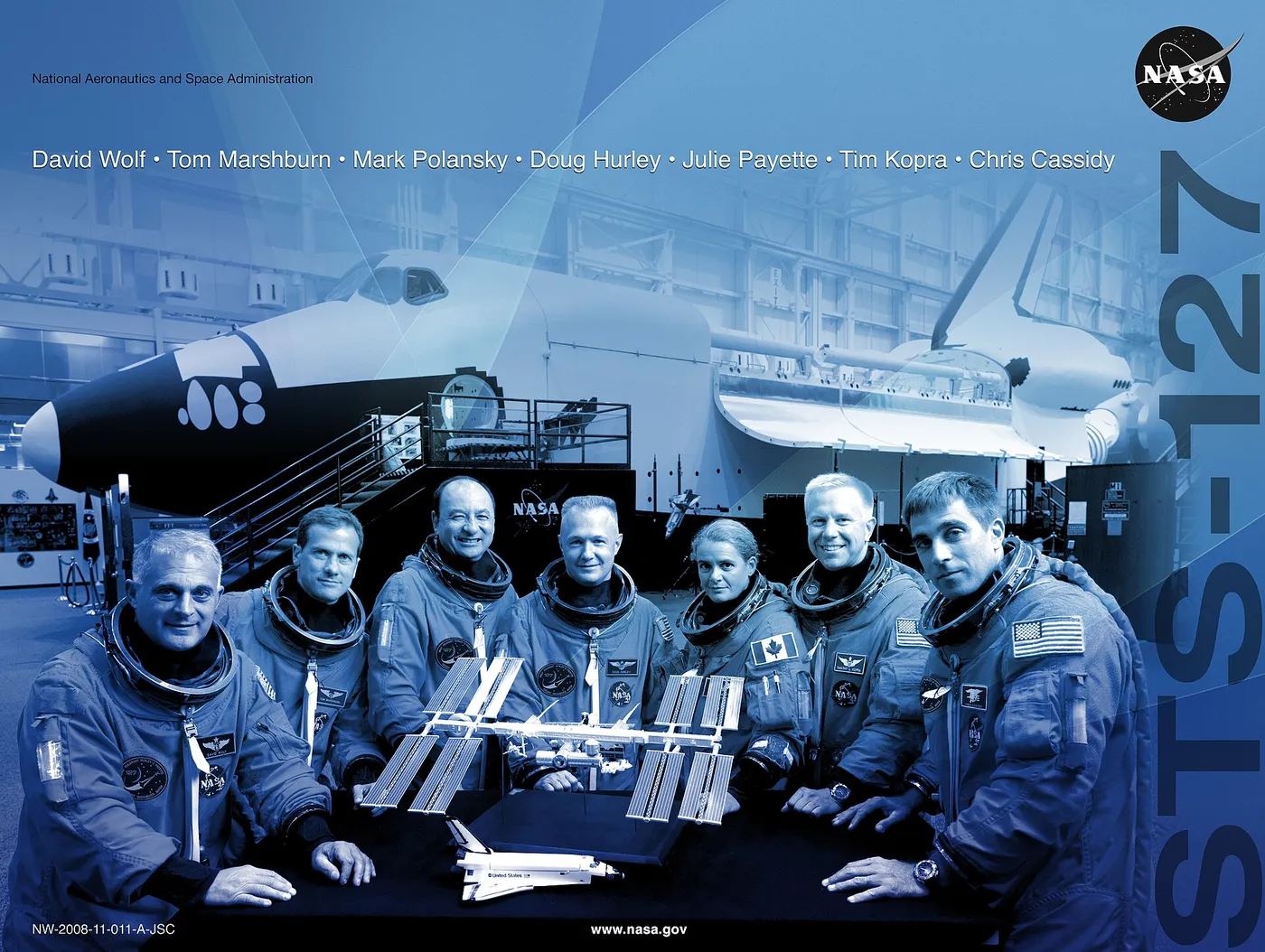

Endeavour completed Japan's Kibo laboratory in July 2009 by delivering its external platform, a porch exposed to open space where experiments could operate in the vacuum. The crew of seven, on a mission requiring five spacewalks, installed the exposed facility and a spare-parts platform on the growing station.
While Endeavour was docked, the combined station and Shuttle crews briefly numbered thirteen people, the most ever gathered in one spacecraft at that time. The mission also exchanged a resident crew member. Finishing Kibo gave Japan a complete laboratory complex with both pressurised and exposed research areas, and the record crowd aboard offered a striking image of how far the station had come — from two bare modules a decade earlier to a bustling international outpost.
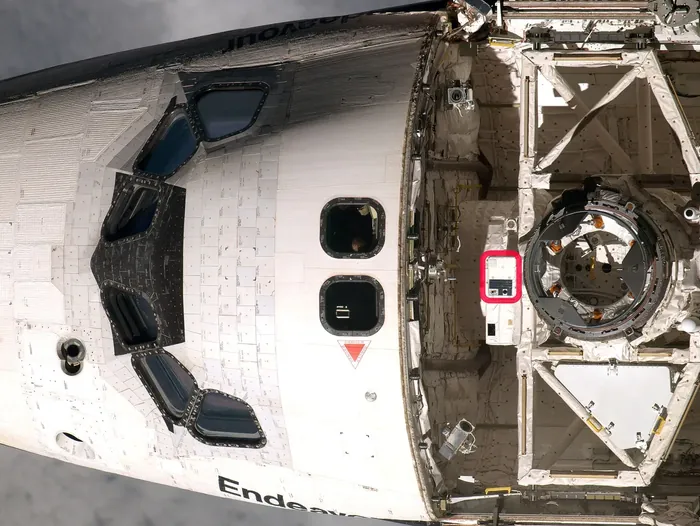
For eleven days in July 2009 there were thirteen people aboard the International Space Station — the largest number of human beings ever gathered on a single spacecraft, seven from Endeavour and six residents, from five different space agencies and representing an unusually crowded set of nationalities.
The purpose was to complete Kibo by installing its exposed facility, an external porch on which experiments sit directly in vacuum, along with a small dedicated robotic arm to service them. Five spacewalks were required, and the crowding inside was a genuine operational problem: sleeping arrangements, carbon dioxide levels and simple traffic in the modules all had to be managed carefully.
The flight also swapped a station crew member and carried spare parts that could only be delivered by a Shuttle — large components with no other ride to orbit. That consideration increasingly drove the final missions: with retirement approaching, anything too big for a Russian or commercial vehicle had to go up while there was still something capable of carrying it.