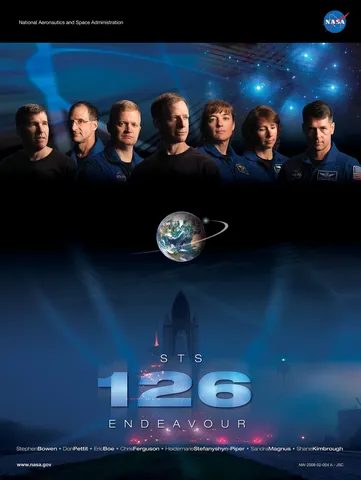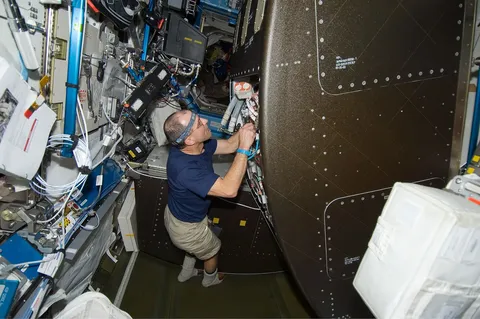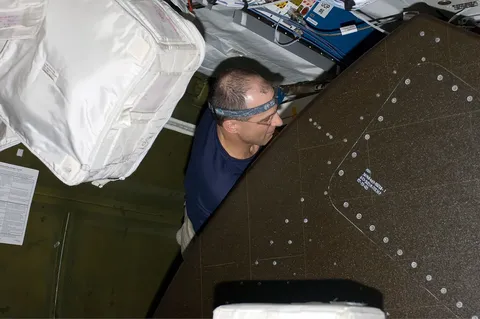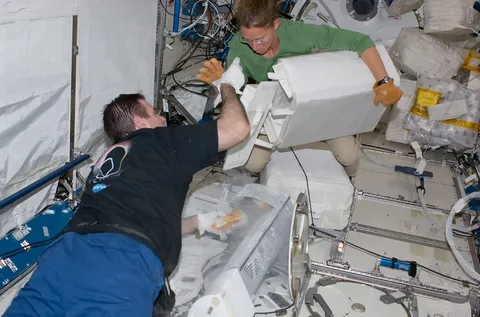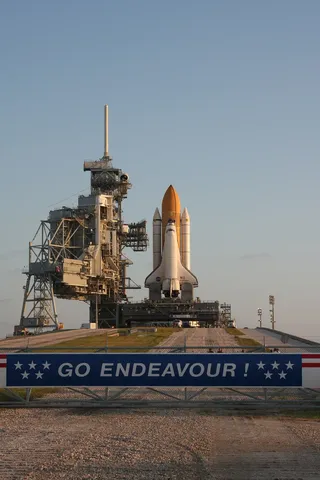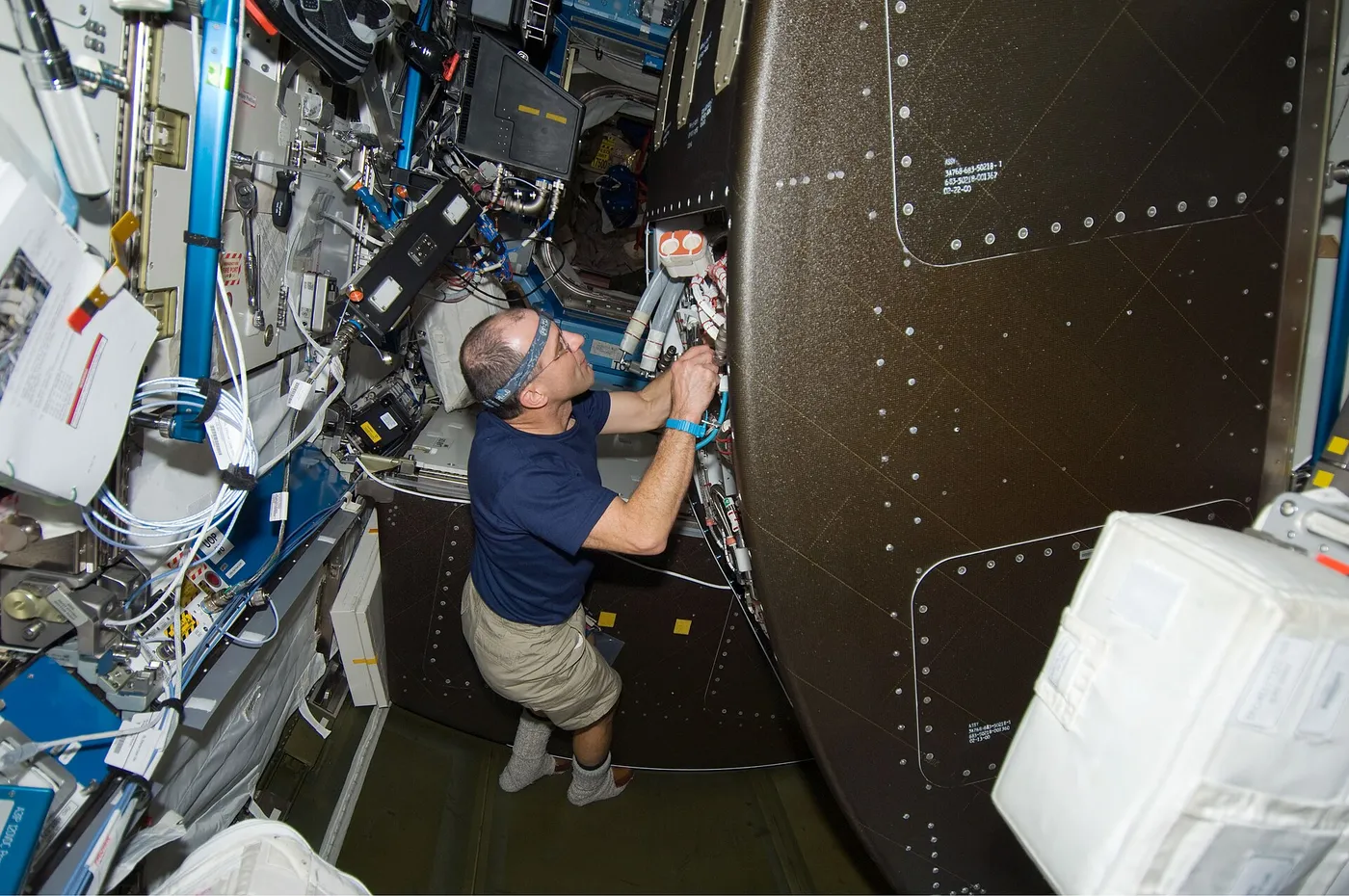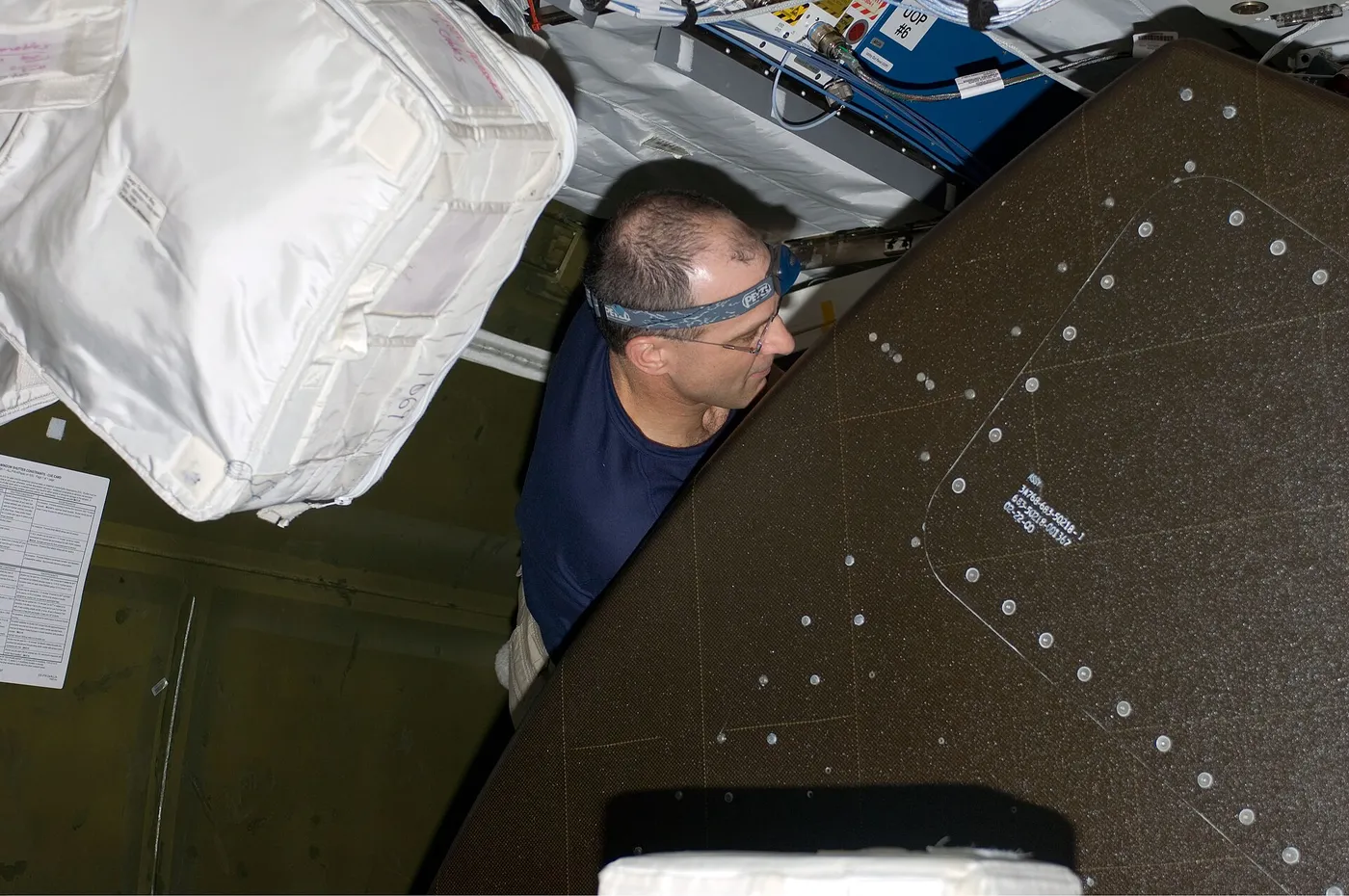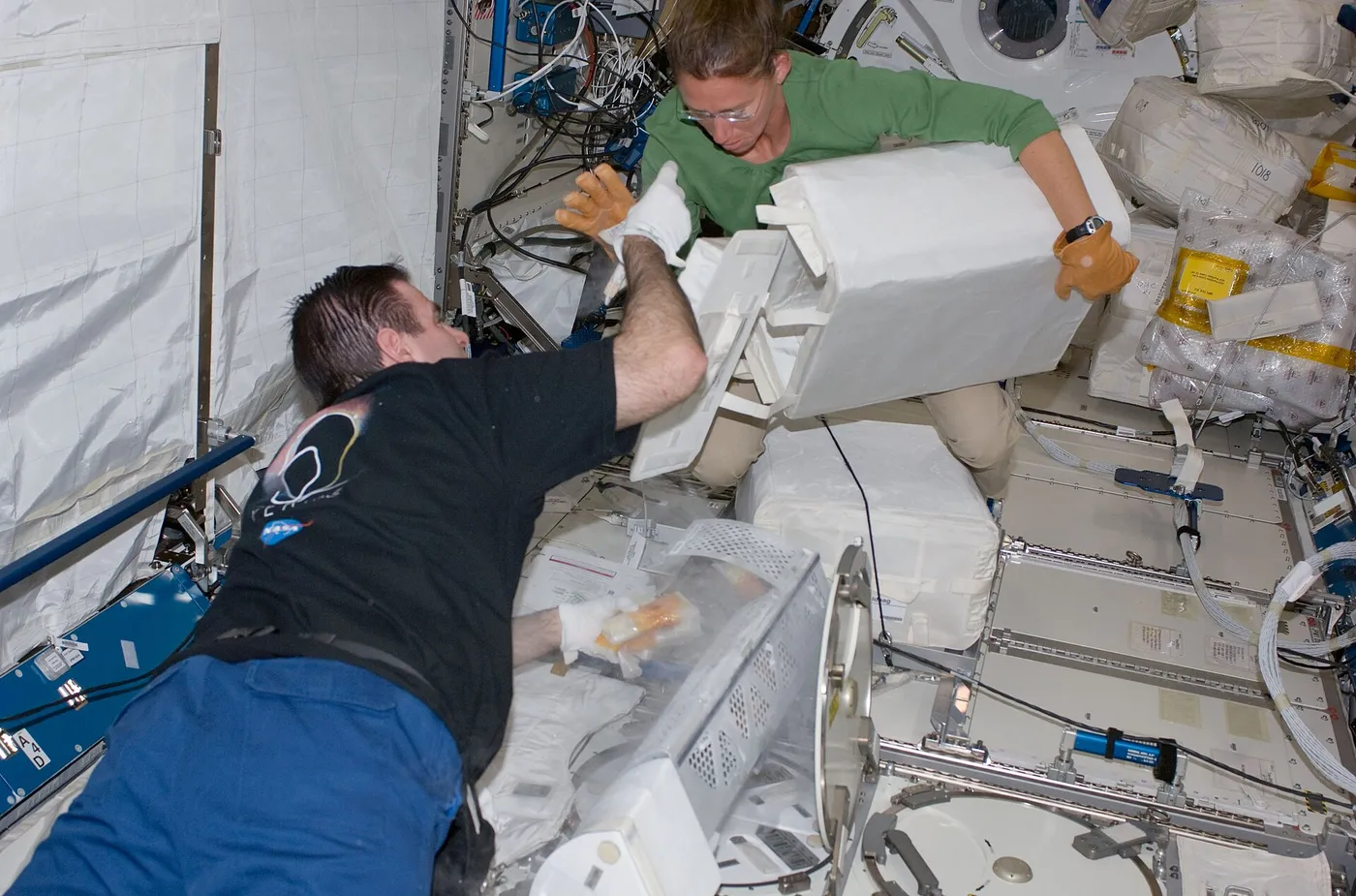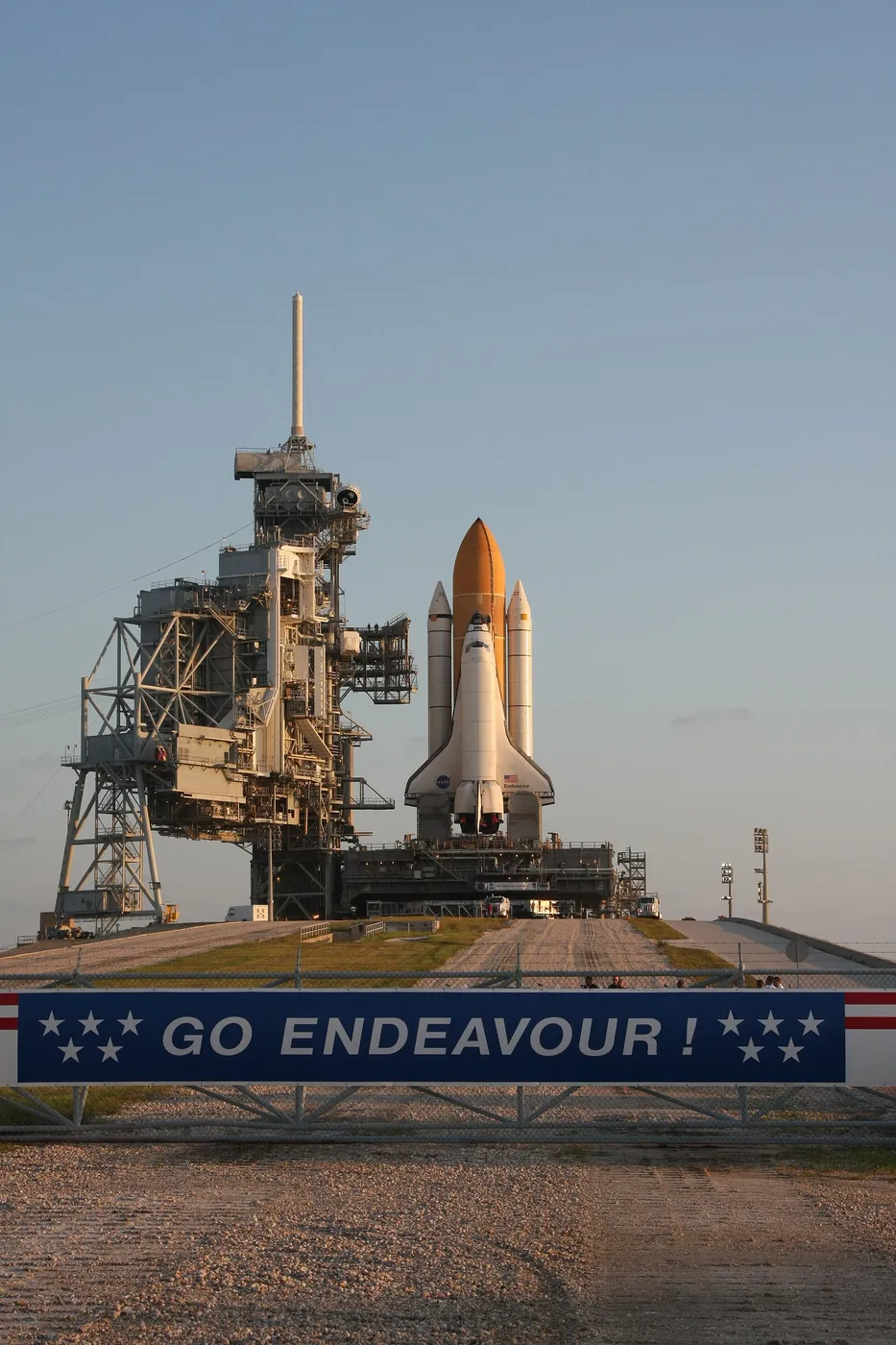
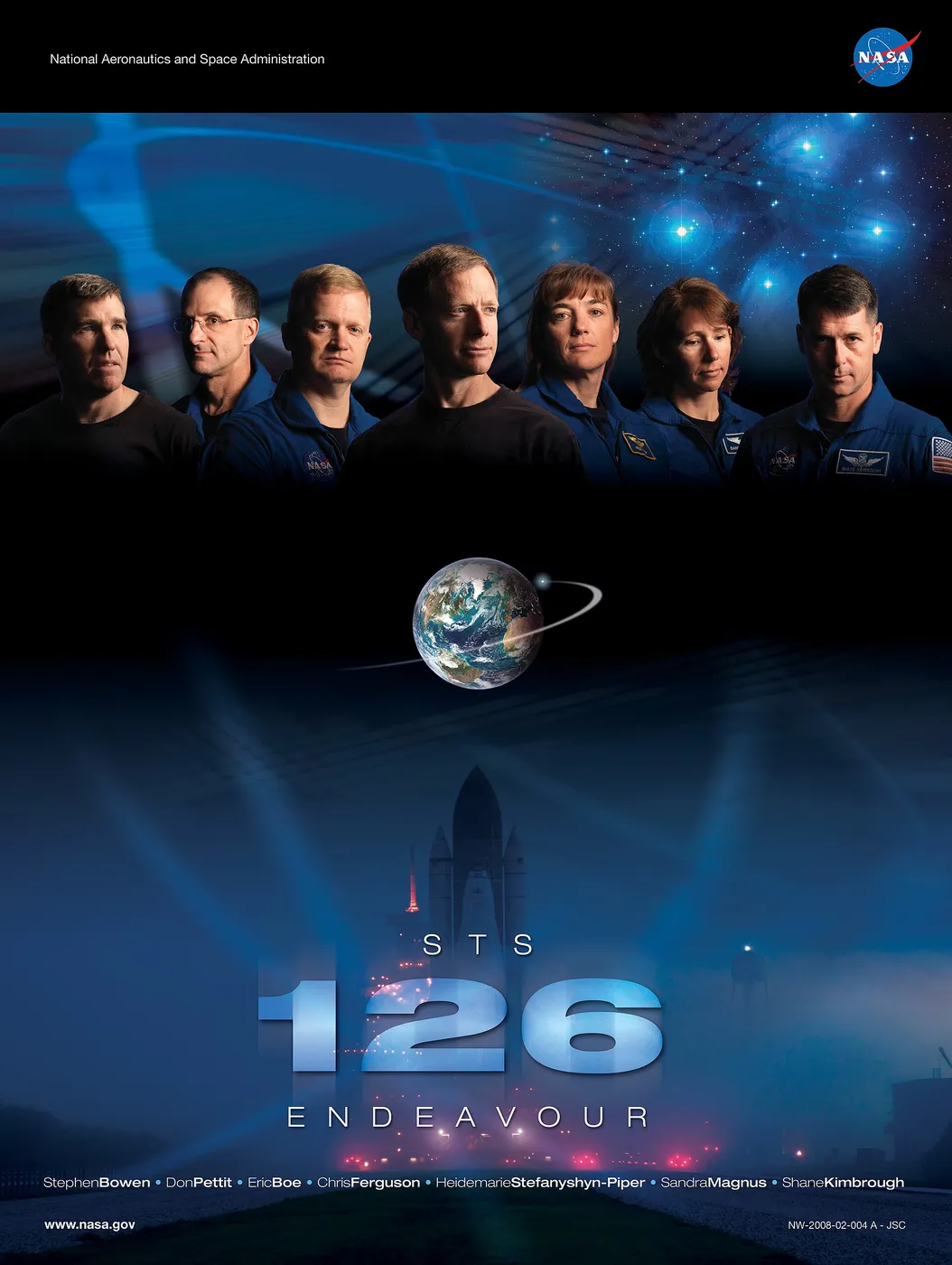
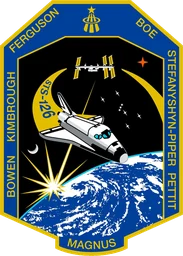
Endeavour flew a major resupply mission in November 2008 aimed at preparing the International Space Station to house a crew of six, double its previous size. The crew of seven carried an Italian cargo module packed with new crew quarters, exercise equipment, a galley and a water-recycling system that would turn wastewater, including urine, back into drinking water.
Four spacewalks serviced the station's solar-array rotating joints, which had been grinding and drawing too much power, cleaning and lubricating the massive bearings. Outfitting the station to support six residents was essential to unlocking its full research potential, and the water-recovery system was a key step toward the self-sufficiency long-duration crews would need. The mission was logistics-heavy but foundational to the station's coming era of expanded habitation.
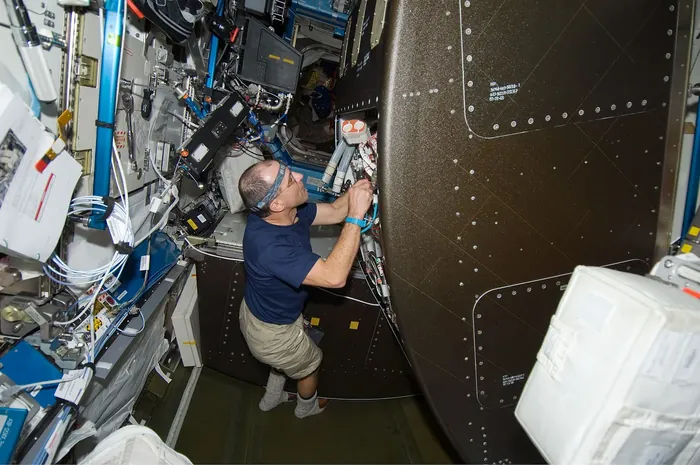
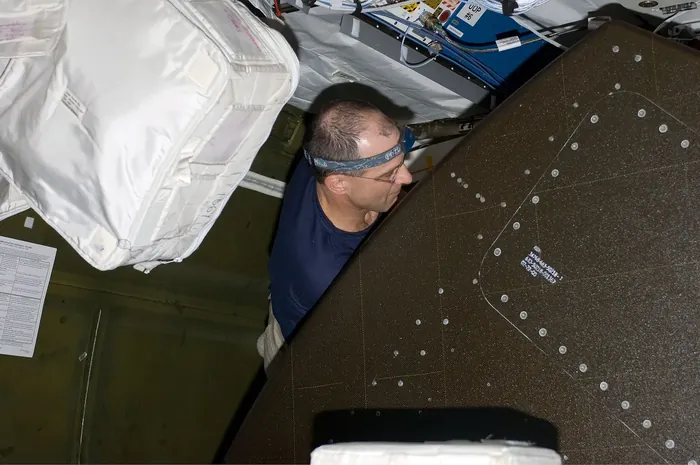
This flight was about plumbing, and it mattered more than most assembly missions. The station was preparing to double its crew from three to six, and Endeavour carried the equipment that made that possible: a water recovery system that distils urine and condensate back into drinking water, a second toilet, two more sleeping compartments, a new galley and an improved exercise machine.
Recycling water is the difference between a station that must be supplied constantly and one that can approach self-sufficiency; the system recovers something like 90 per cent of what goes into it. Its commissioning did not go smoothly — the distillation assembly kept shutting down and had to be coaxed through repeated troubleshooting before it produced water clean enough to certify.
The mission also produced one of the more widely-watched mishaps of the era, when Heidemarie Stefanyshyn-Piper lost her grip on a tool bag during a spacewalk and it drifted away — one of the largest objects ever dropped in orbit, tracked for months by amateur astronomers who found it an easy target through binoculars before it burned up.