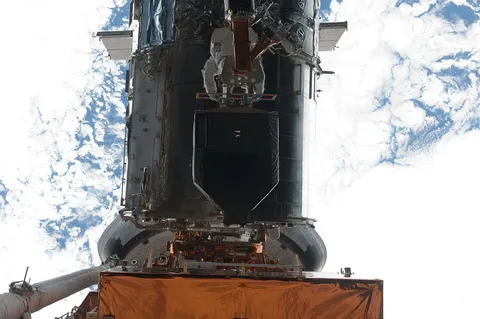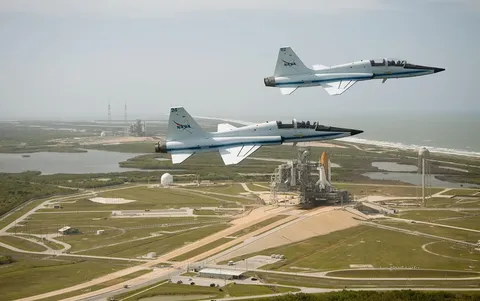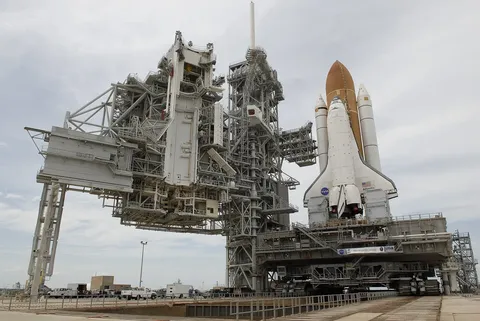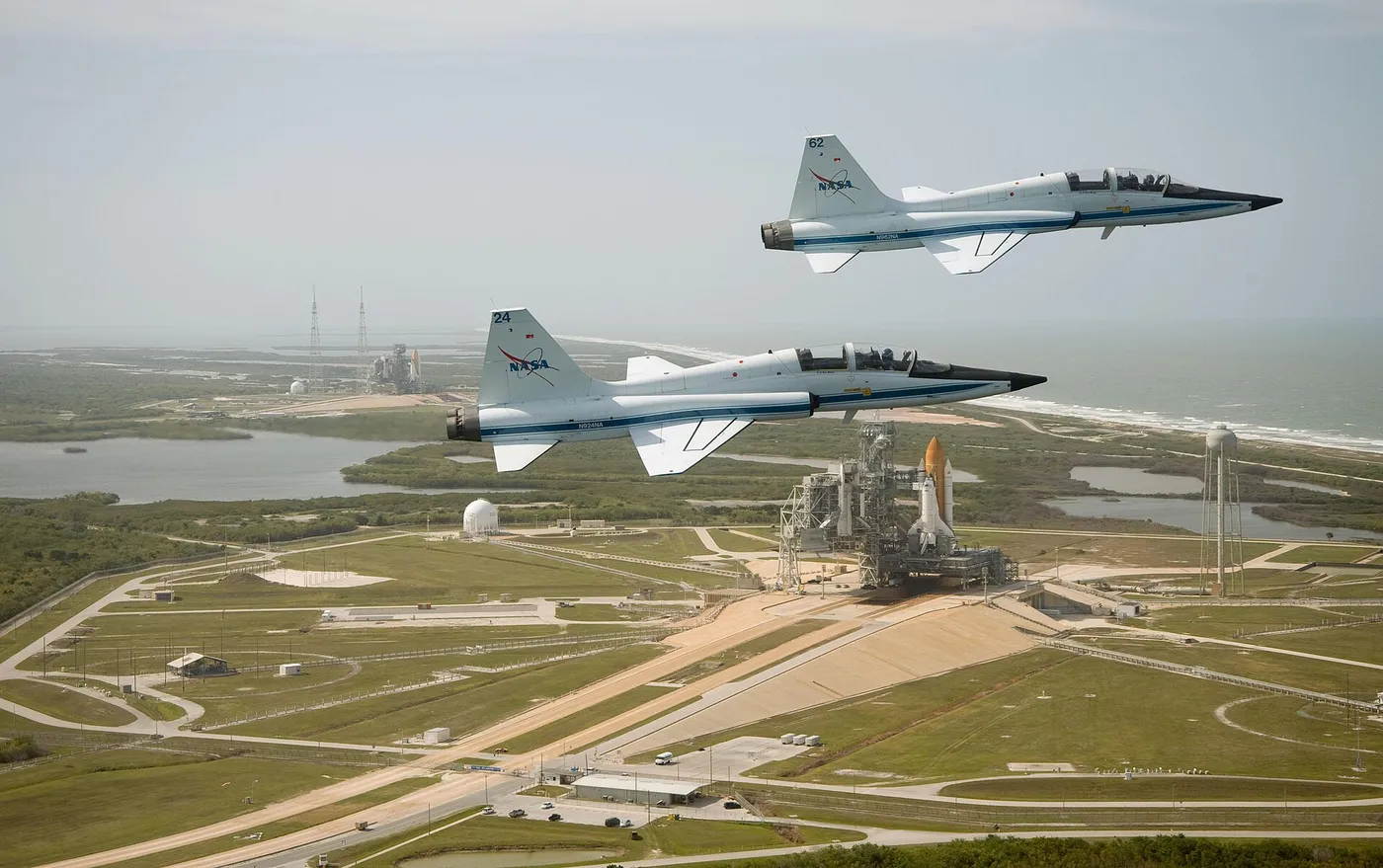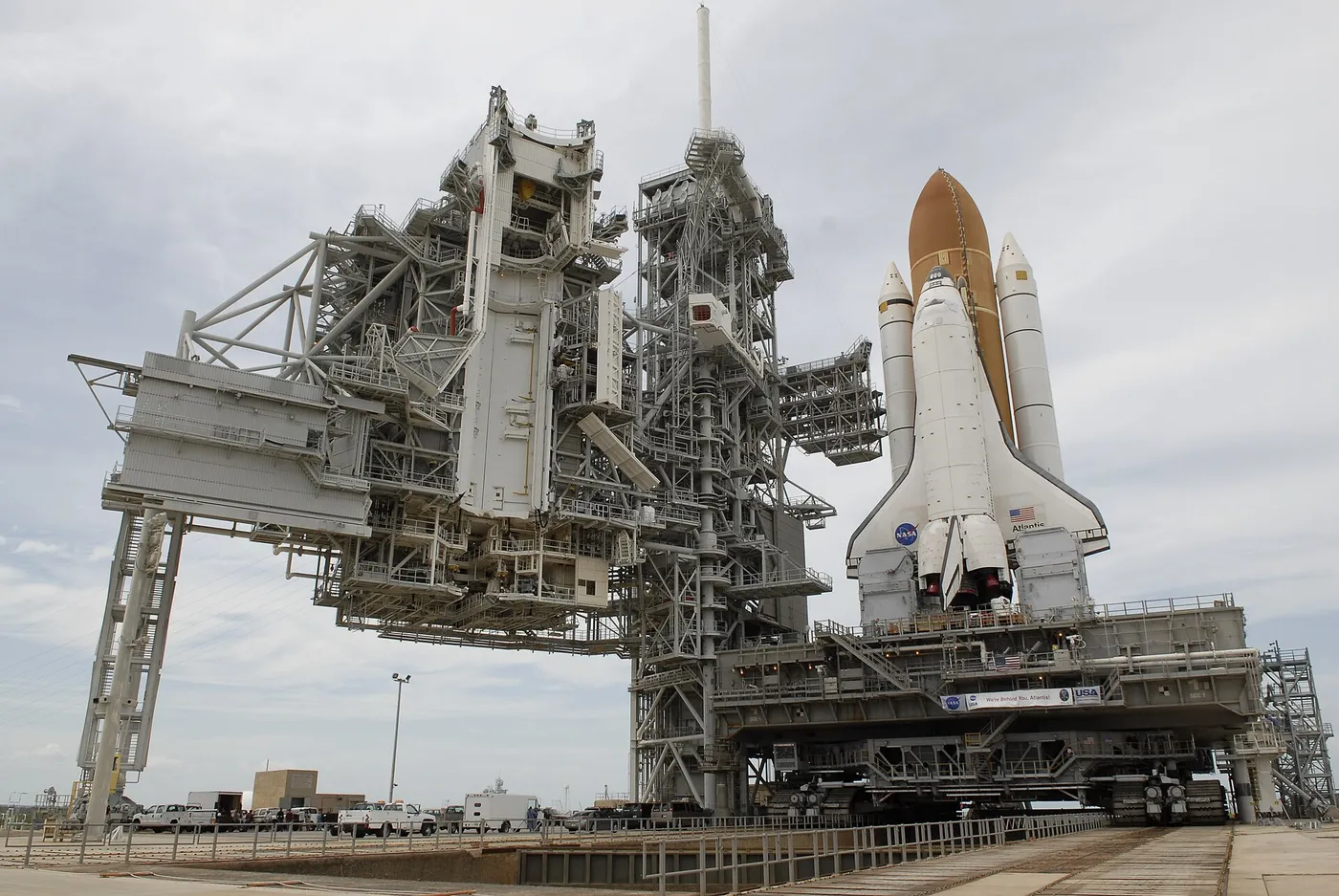
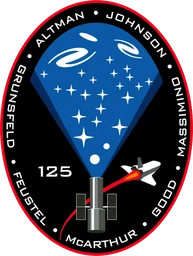
Atlantis flew the fifth and final servicing mission to the Hubble Space Telescope in May 2009, a daring flight NASA had once cancelled as too risky after the Columbia accident, then reinstated under public and scientific pressure. Because the telescope's orbit offered no safe haven at the station, a second Shuttle stood ready on another pad to launch a rescue if needed.
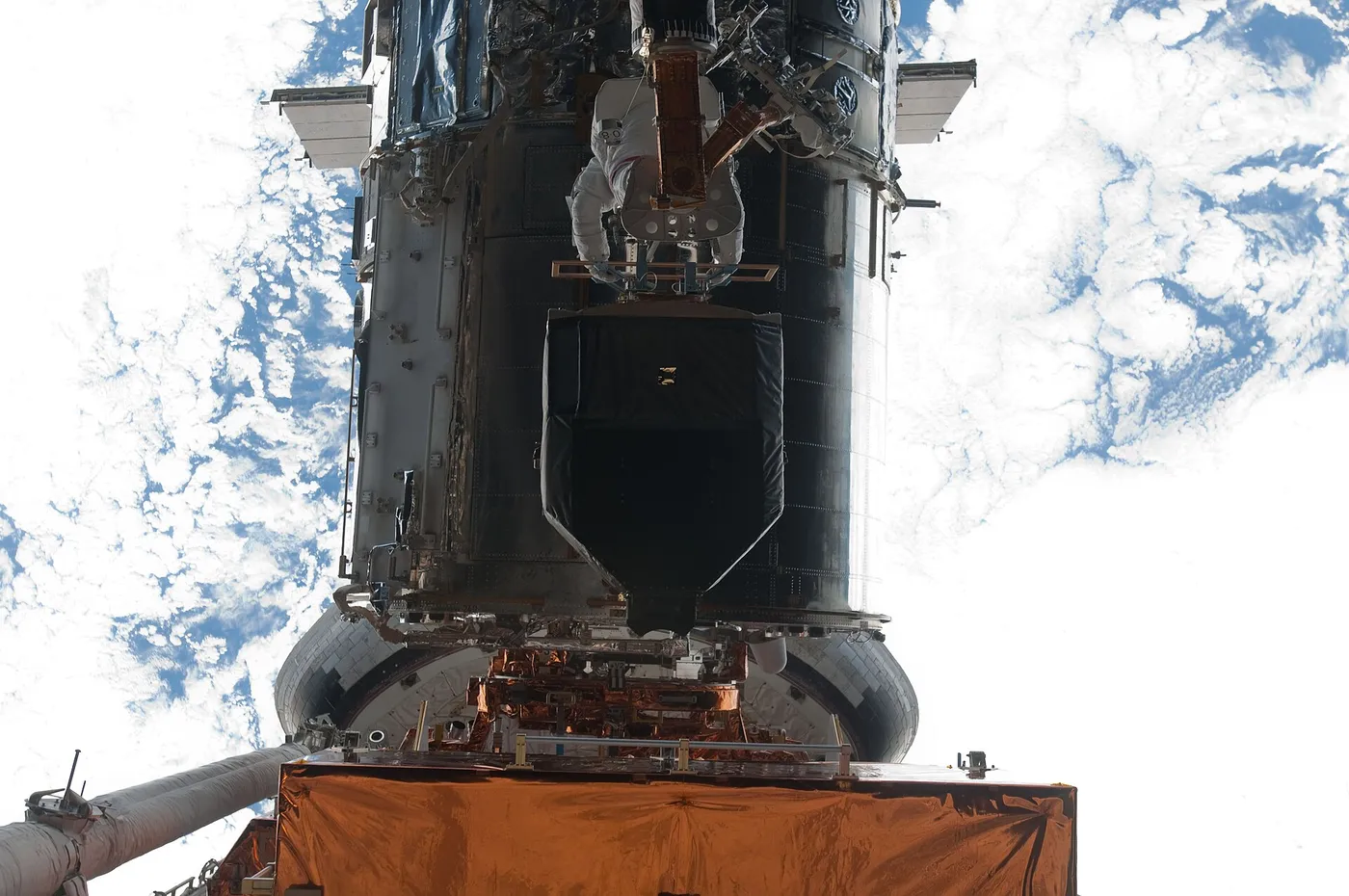
Over five demanding spacewalks the crew of seven installed two new instruments, repaired two others that had never been designed to be fixed in orbit, and replaced gyroscopes, batteries and other components. The overhaul left Hubble more capable than ever and able to work for many more years. It was the last time human hands would touch the telescope, a fitting capstone to two decades of servicing missions that had made Hubble a scientific legend.
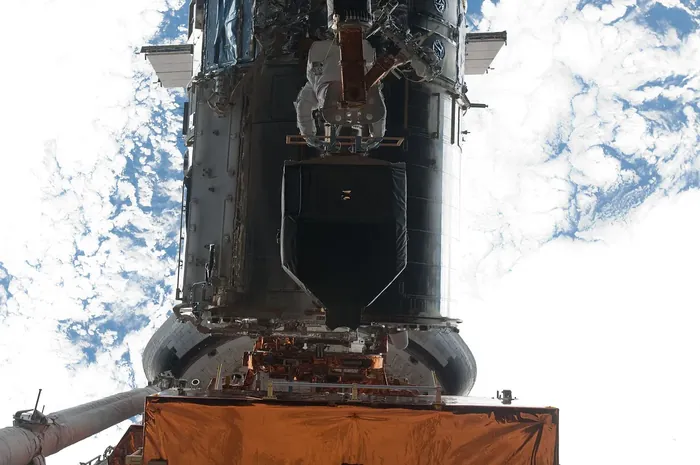
The last Hubble mission almost never happened. After Columbia, NASA's administrator cancelled it on the grounds that a crew flying to the telescope could not reach the space station if their orbiter were damaged, and would have no refuge. The decision was reversed by his successor, on the condition that a second Shuttle stand ready on the other pad, fuelled and crewed, able to launch a rescue within days. It is the only time two orbiters were prepared for flight simultaneously in the post-Columbia era.
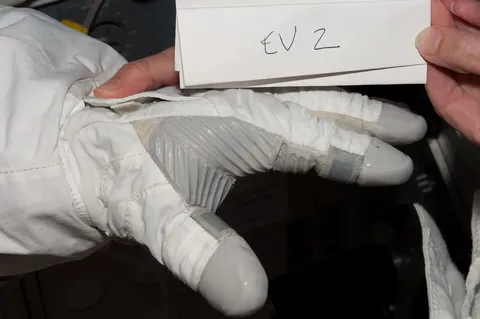
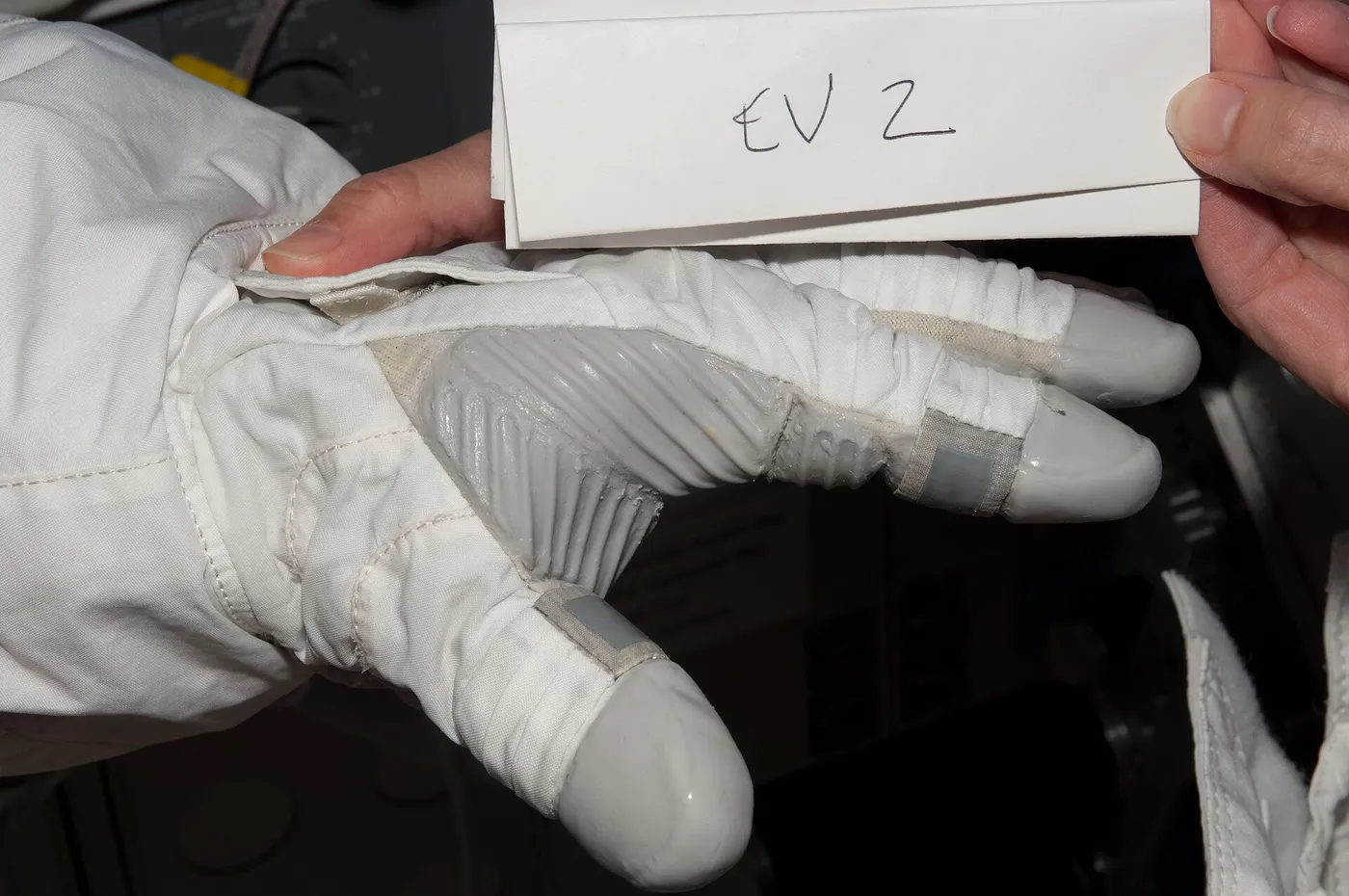
The work was correspondingly ambitious. Over five spacewalks the crew installed a new wide-field camera and an ultraviolet spectrograph, replaced gyroscopes, batteries and a guidance sensor, and then did something the telescope had never been designed to permit: they repaired two instruments internally, in vacuum, in gloves. One repair required removing 111 small screws from a panel without letting a single one float away into the optics — solved with a specially built capture plate.
Mike Massimino provided the mission's defining moment when a bolt on a handrail stripped and left him unable to open an instrument. After hours of consultation the answer from the ground was to simply pull: he braced himself and tore the handrail off with brute force, taped to catch fragments, and the repair went ahead. Hubble was left better than new, good into the 2030s, and no one has visited it since.