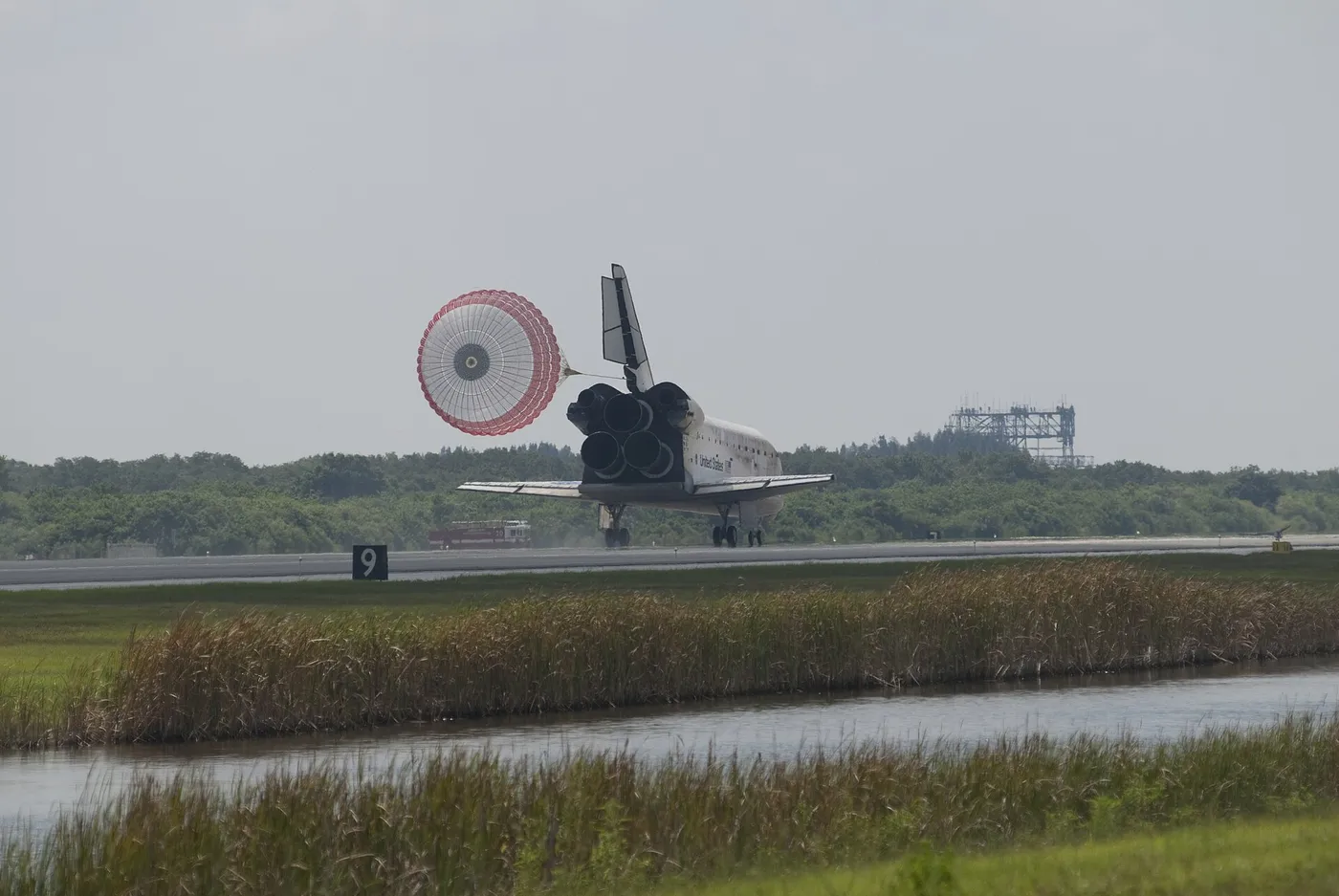
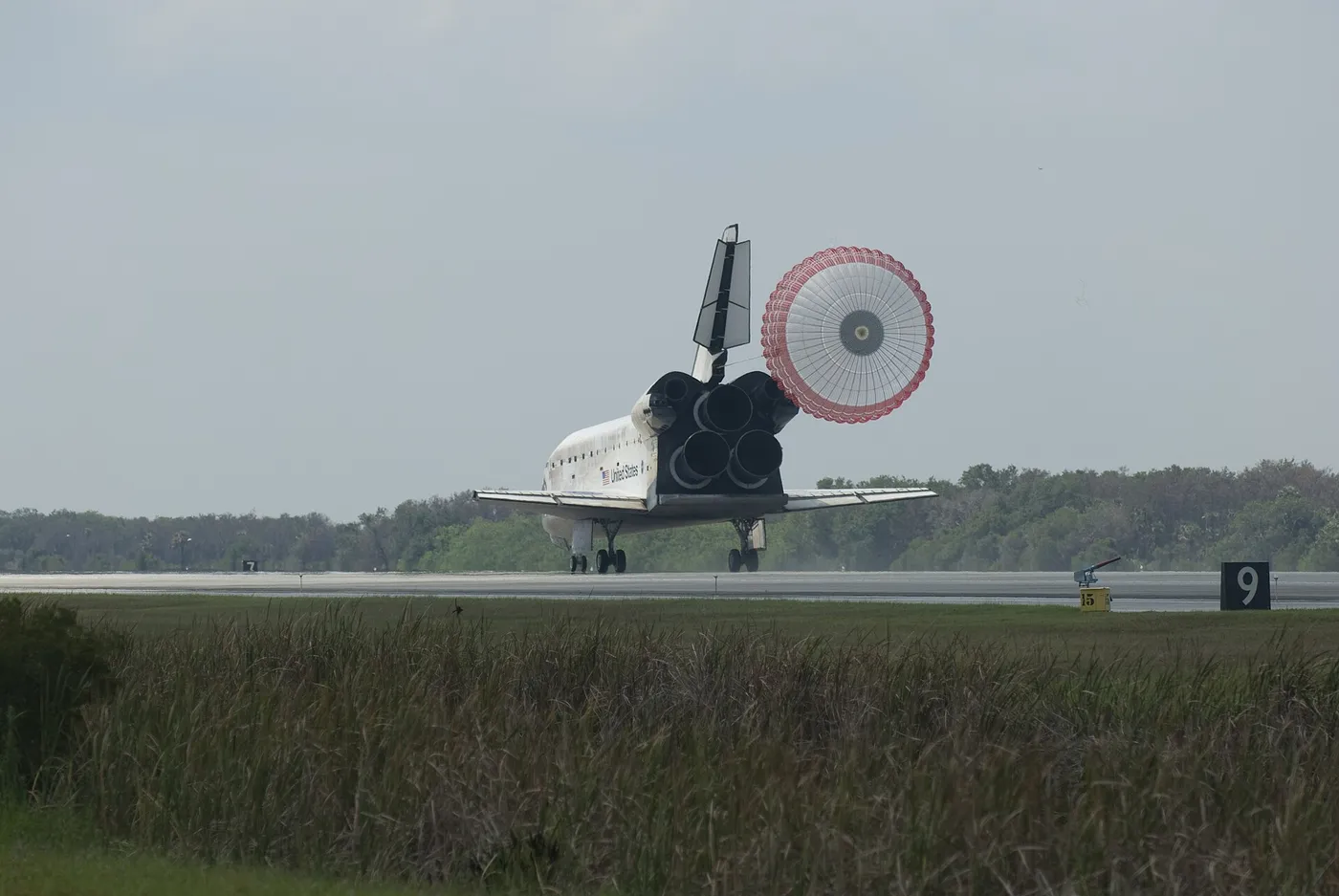
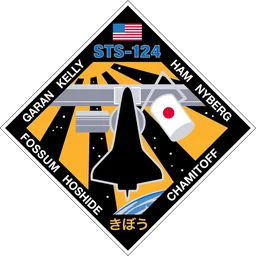
Discovery delivered the heart of Japan's Kibo laboratory in May 2008, installing the large pressurised module that became the station's biggest single research facility. The crew of seven used the robotic arm to berth the module to the Harmony node and then relocated the smaller Japanese logistics module, delivered weeks earlier, onto its top.
Three spacewalks connected and outfitted the new laboratory, and the crew installed and activated its systems, giving Japan a spacious permanent workspace in orbit. The flight also swapped a member of the resident crew. With Kibo's main module in place, the station gained a third major laboratory, and the outpost's scientific capacity approached the level its designers had envisioned — a growing orbital research complex assembled from the contributions of many nations.
Kibo's main laboratory was the largest pressurised module ever added to the station — eleven metres long, four and a half wide, and heavy enough that Discovery had to fly with its own inspection boom left behind on the previous mission to make room. Installing it in June 2008 gave Japan a permanent research facility comparable to the American and European ones.
The flight also carried a spare pump for the station's toilet, which had failed the week before and reduced a three-person crew to a single working commode with an increasingly involved manual workaround. It is a reliable pattern of station life that the most urgent cargo is rarely the most scientific.
Akihiko Hoshide operated the arm for the berthing, and the crew relocated the logistics module delivered three months earlier onto the top of the new laboratory, completing the shape Kibo would keep. The Japanese segment eventually included an external platform for experiments exposed to vacuum and its own small robotic arm.