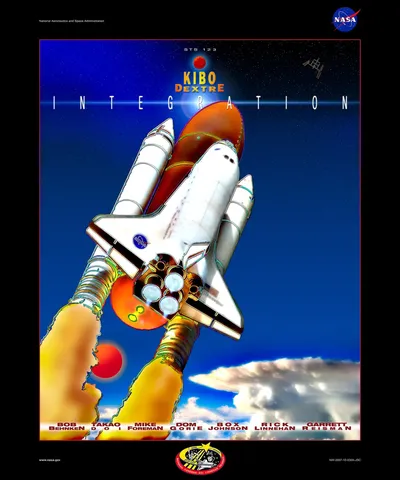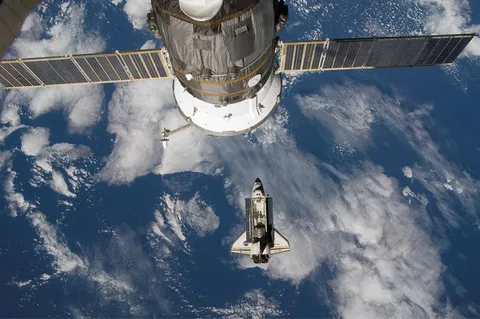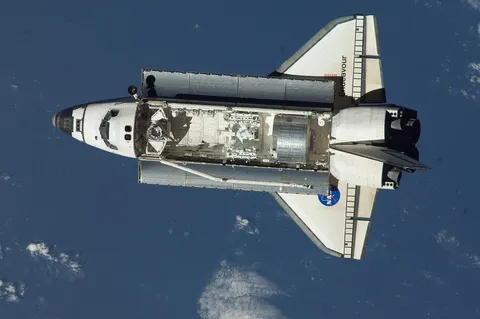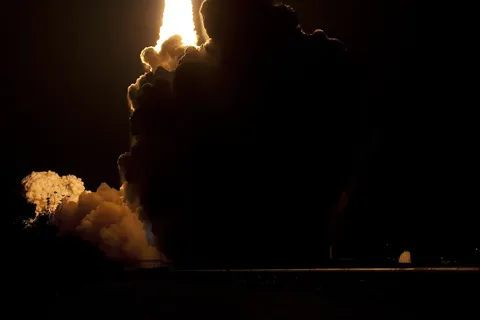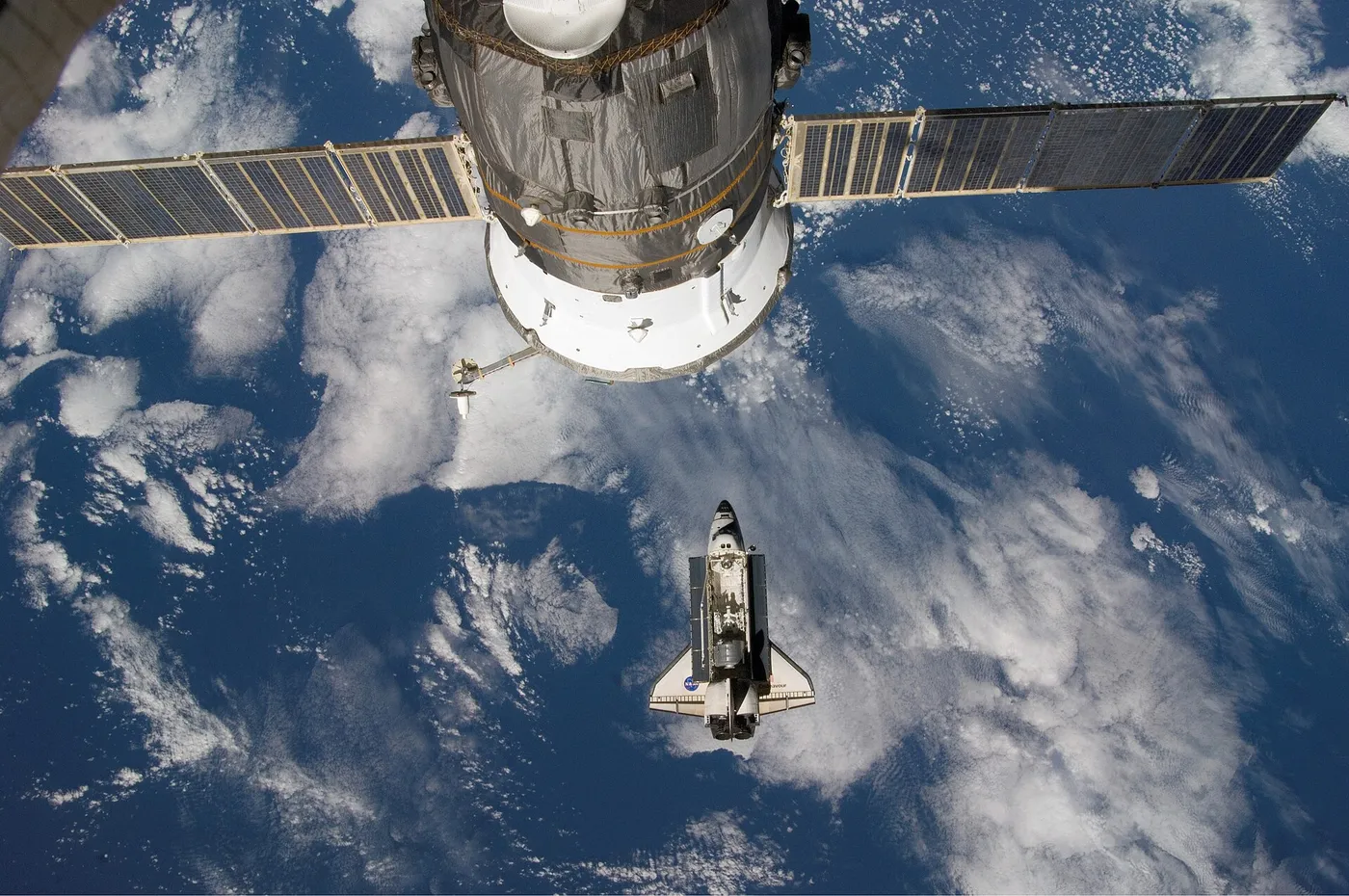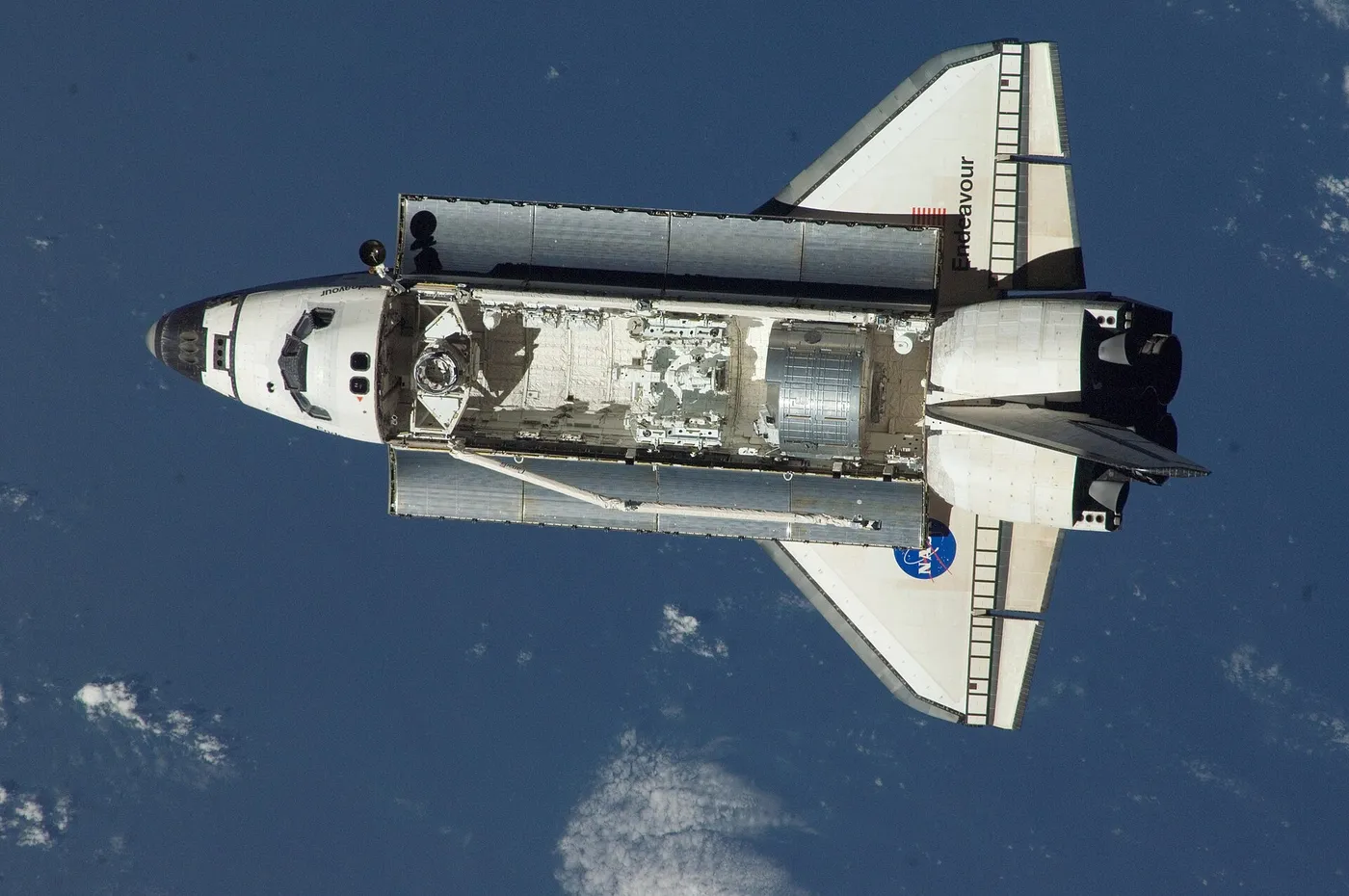
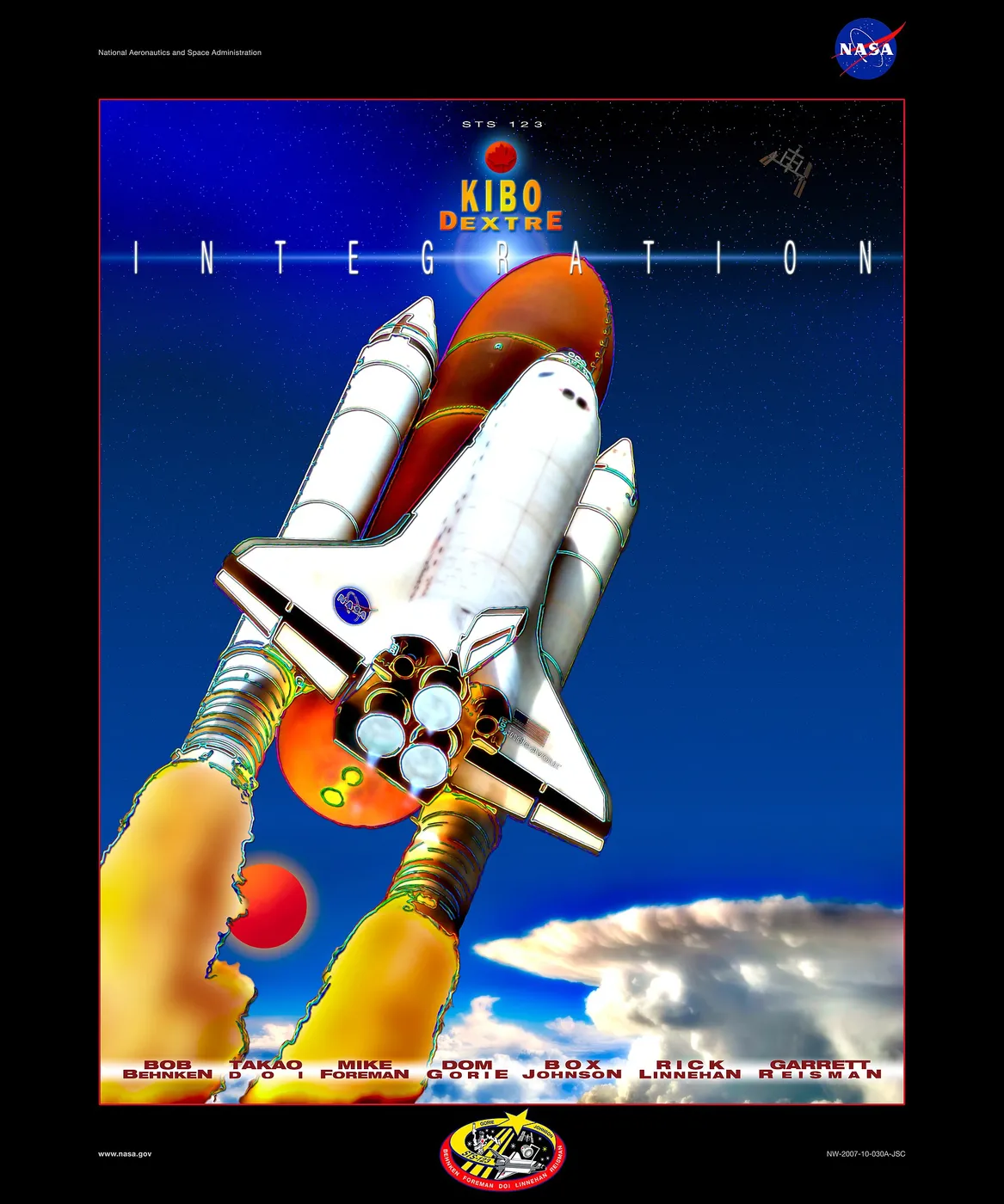
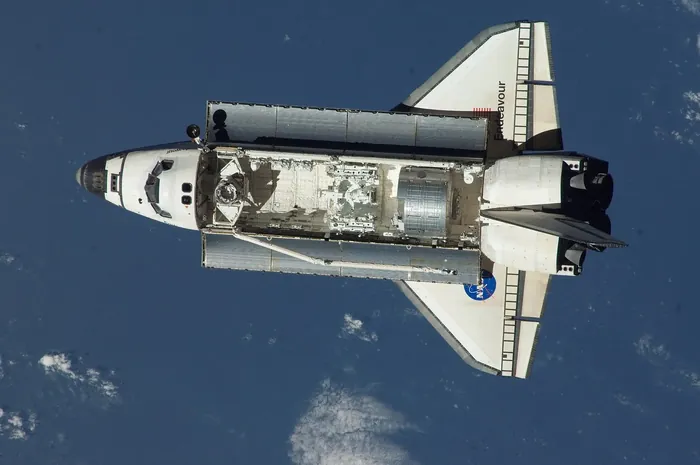
Endeavour delivered the first piece of Japan's Kibo laboratory and a Canadian robot to the International Space Station in March 2008, on one of the longest station assembly missions of the programme. The crew of seven installed a Japanese logistics module, a forerunner to the main lab arriving on the next flight, and assembled Dextre, a two-armed robotic handyman built by Canada to perform delicate external tasks.
Five spacewalks were needed to build Dextre and outfit the new hardware, an intensive campaign of orbital construction. The mission also exchanged a resident crew member. By delivering both a Japanese module and a Canadian robot in a single flight, STS-123 showcased the truly international nature of the station, whose components were now arriving from partners across three continents.
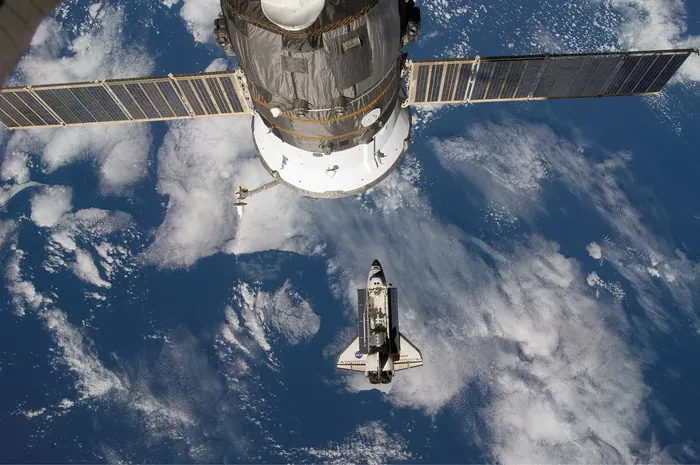
Endeavour carried two things in March 2008: the first piece of Japan's laboratory, and a robot with two arms. The Japanese logistics module was a storage compartment that would sit atop the main Kibo laboratory still to come, and its arrival began the assembly of the largest single module on the station.
Dextre — formally the Special Purpose Dexterous Manipulator — was a Canadian-built robot with two three-metre arms and interchangeable tools, designed to ride on the end of Canadarm2 and perform the fine handling work that would otherwise require a spacewalk. Assembling it in orbit was itself a considerable undertaking, and it briefly refused to power up because it had no power connection until the arm handed it one.
The mission ran sixteen days with five spacewalks, the longest station flight to that point, and carried Takao Doi, who had performed Japan's first spacewalk a decade earlier. Dextre has since replaced batteries, swapped failed components and refuelled satellites in orbit, saving crews a substantial number of hours outside.