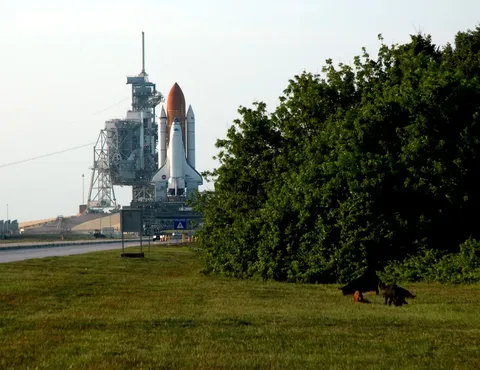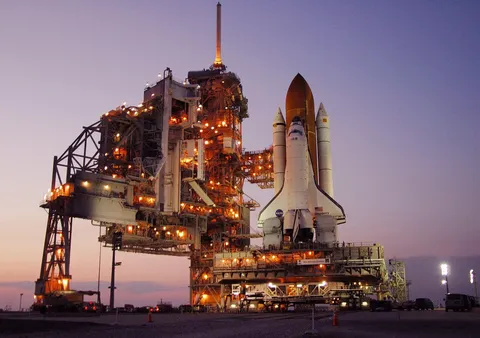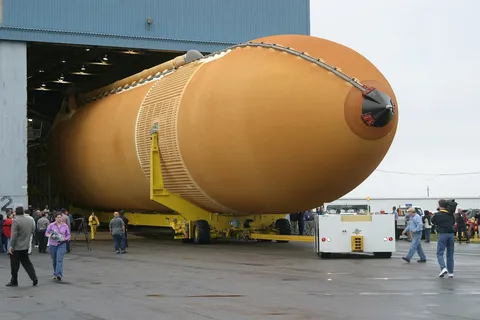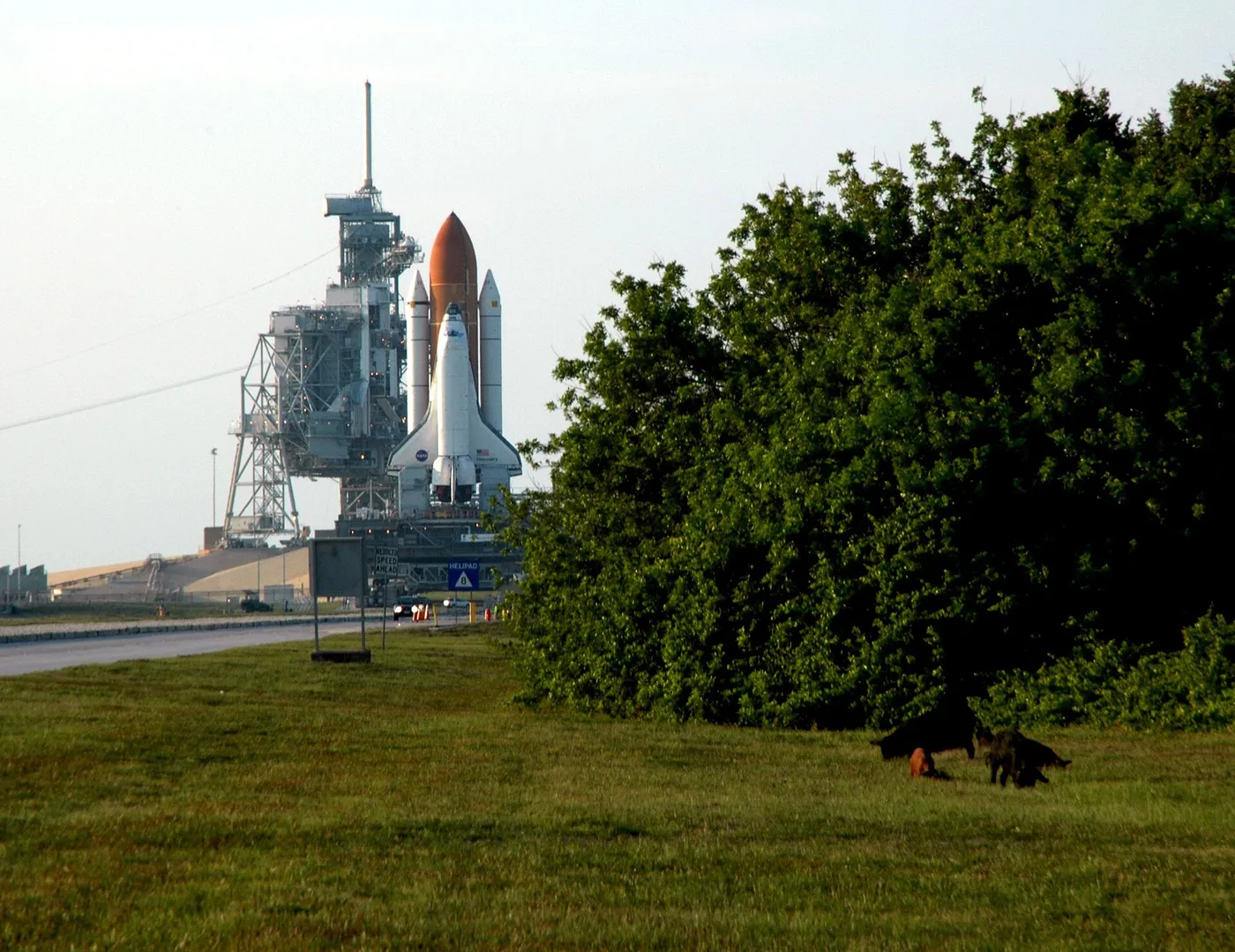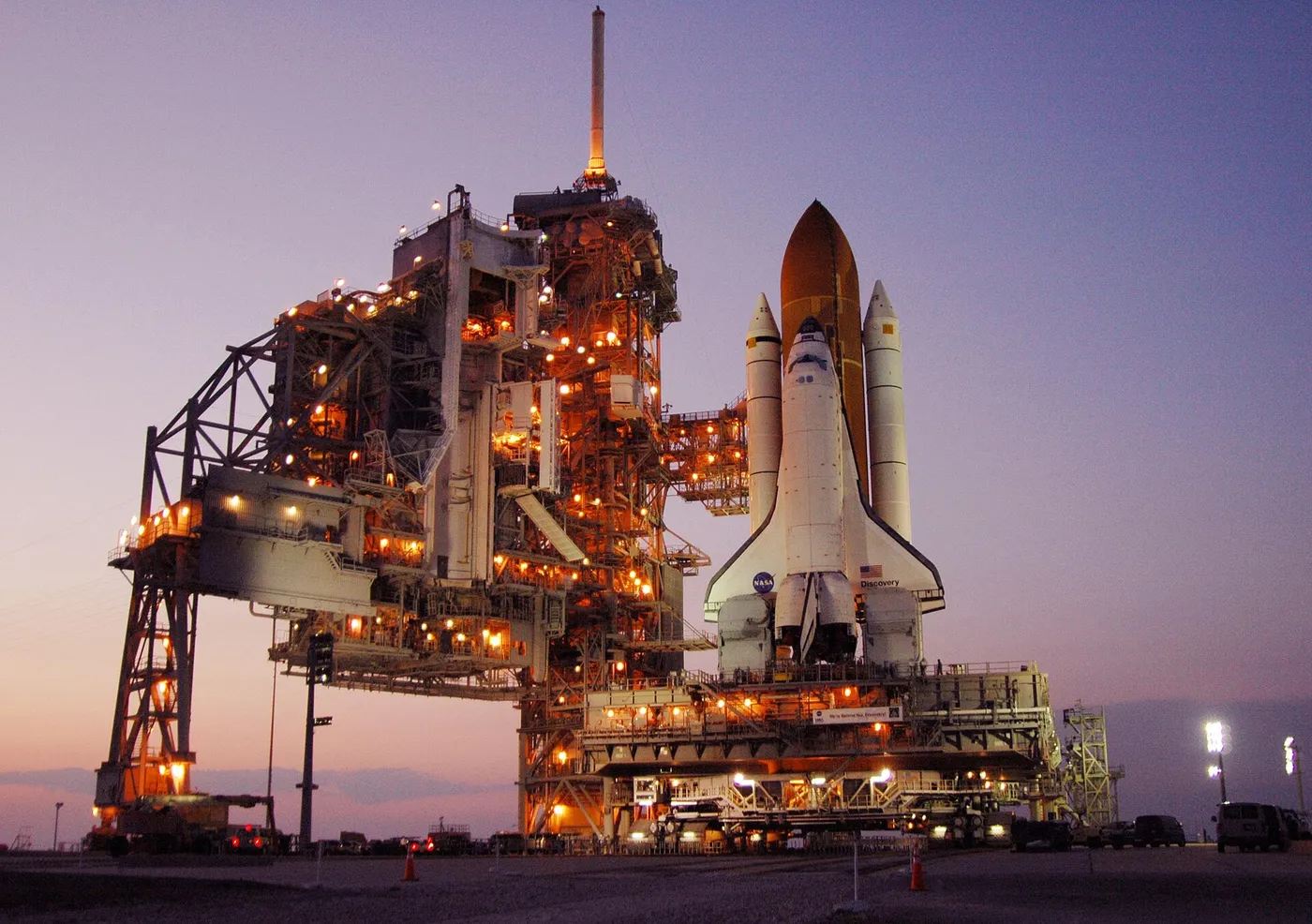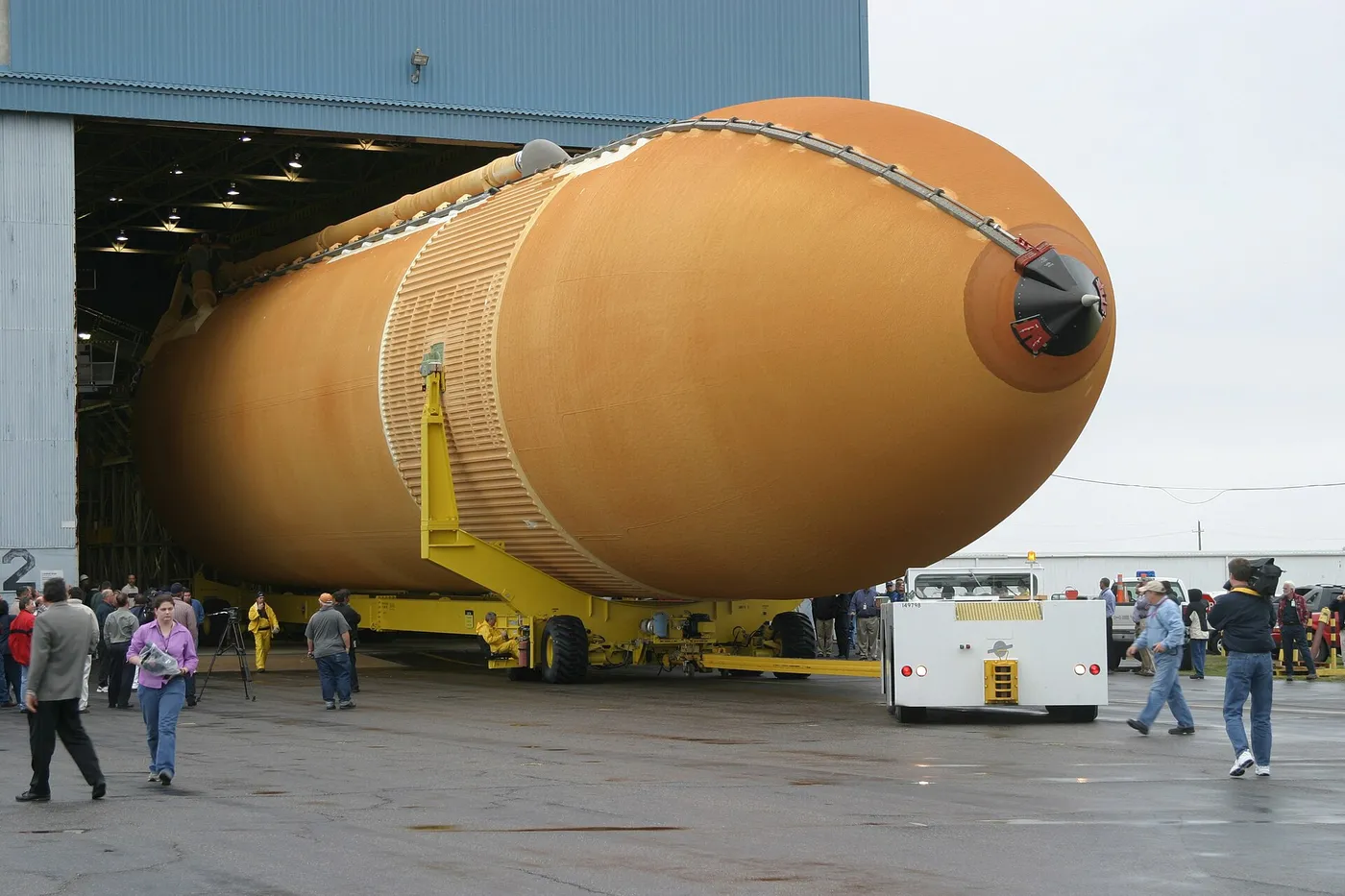
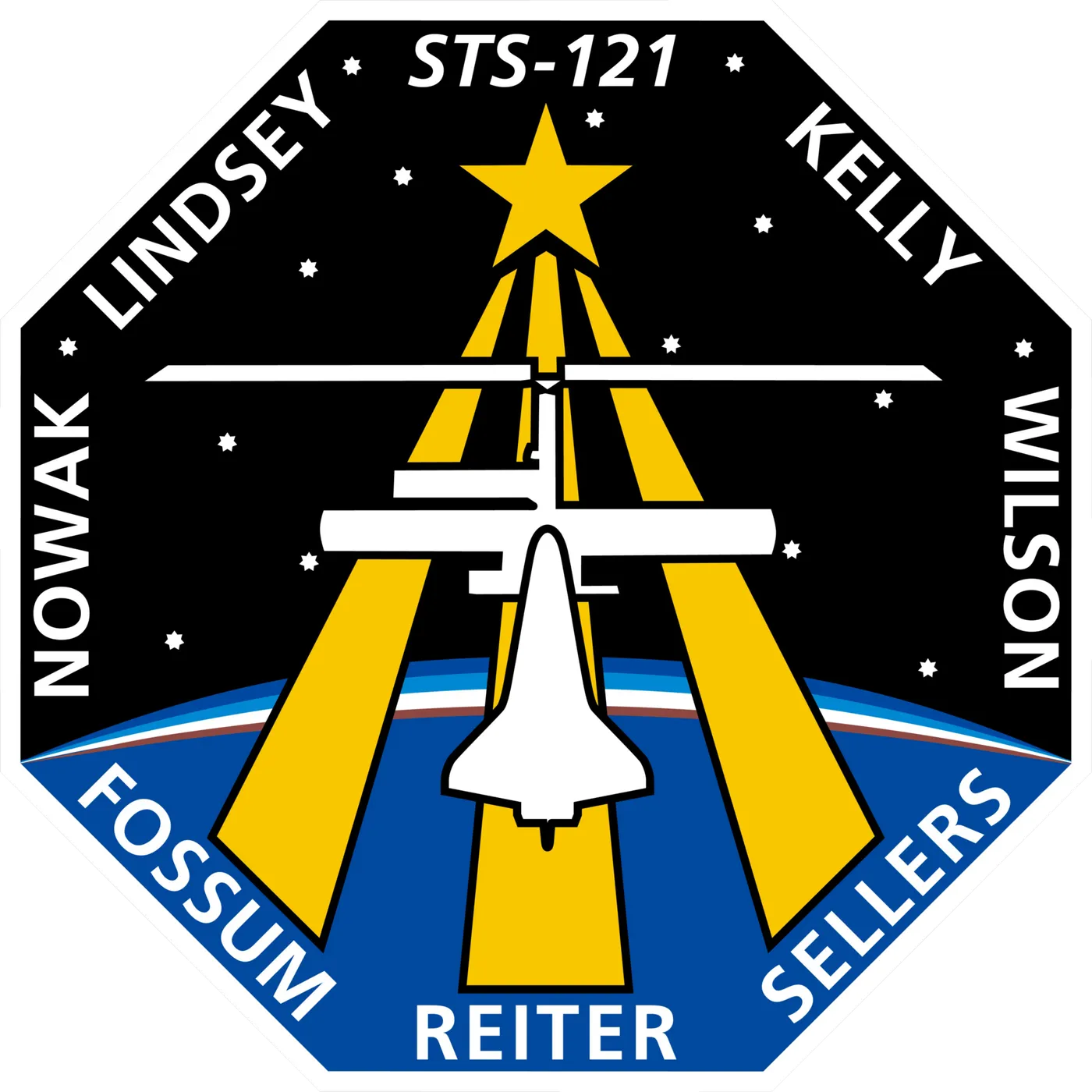
Discovery flew a second test flight in July 2006 to confirm that changes to the external tank had finally tamed the foam-shedding that doomed Columbia and worried the previous mission. The launch, on American Independence Day, shed far less debris, and detailed inspections in orbit cleared the orbiter for a safe return, allowing NASA to declare the Shuttle ready to resume station construction.
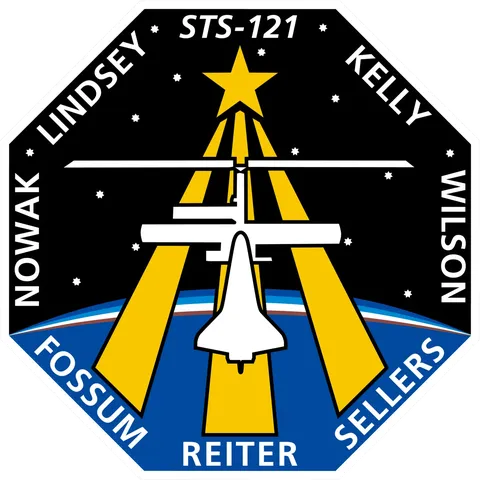
The crew of seven delivered supplies and equipment and tested more heat-shield repair methods. Crucially, it left European astronaut Thomas Reiter aboard the station, restoring its resident crew to three for the first time since the Columbia accident and reviving the outpost's capacity for science. With the debris problem judged under control, the way was clear for the intense assembly campaign that would complete the station.
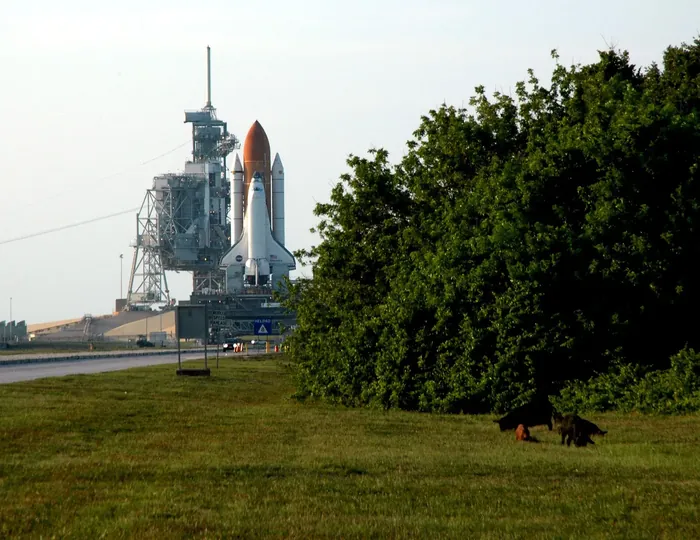
Discovery launched on the Fourth of July 2006, the only Shuttle ever to fly on American Independence Day, and the choice was not sentimental: the date was what the orbital mechanics and a run of weather scrubs permitted. This was the second return-to-flight test, sent up to prove that the redesigned external tank had finally stopped shedding dangerous foam.
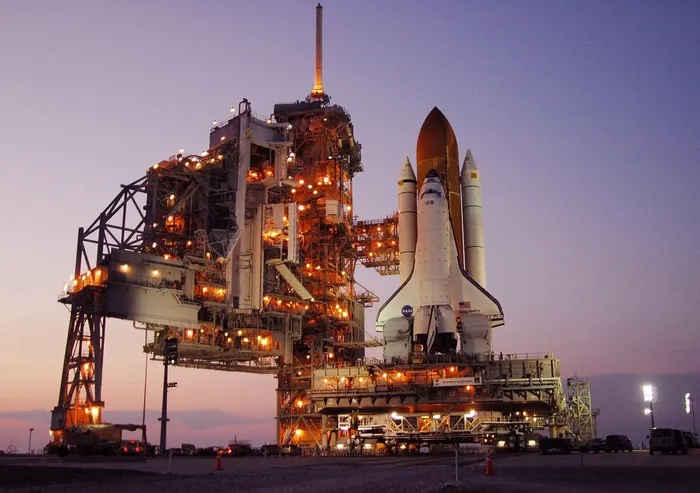
It had. The inspections, by now routine — the boom survey, the backflip beneath the station, the ground-based analysis of every camera angle — found the tank had performed as intended, and the fleet was cleared to resume assembling the station after three years of interruption.
The flight also restored something quietly important. Since Columbia the station had been kept on a skeleton crew of two, because Soyuz alone could not supply more; Discovery delivered the European astronaut Thomas Reiter, taking the resident crew back to three for the first time in nearly three years and returning the ISS from survival mode to actual science. Reiter's arrival also made him the first non-American, non-Russian to serve a long-duration expedition aboard.