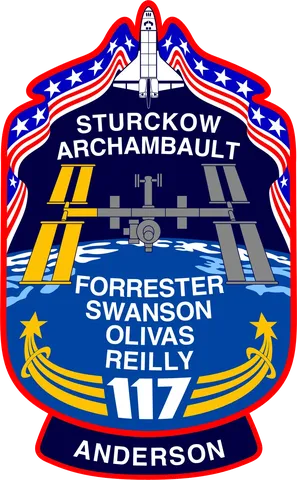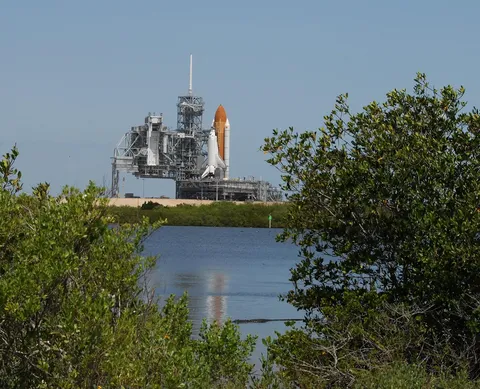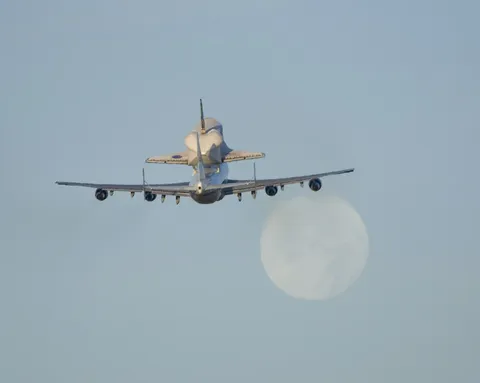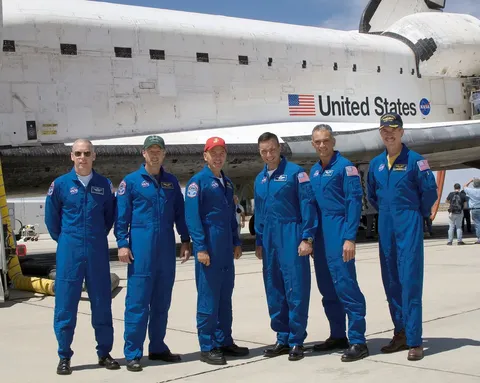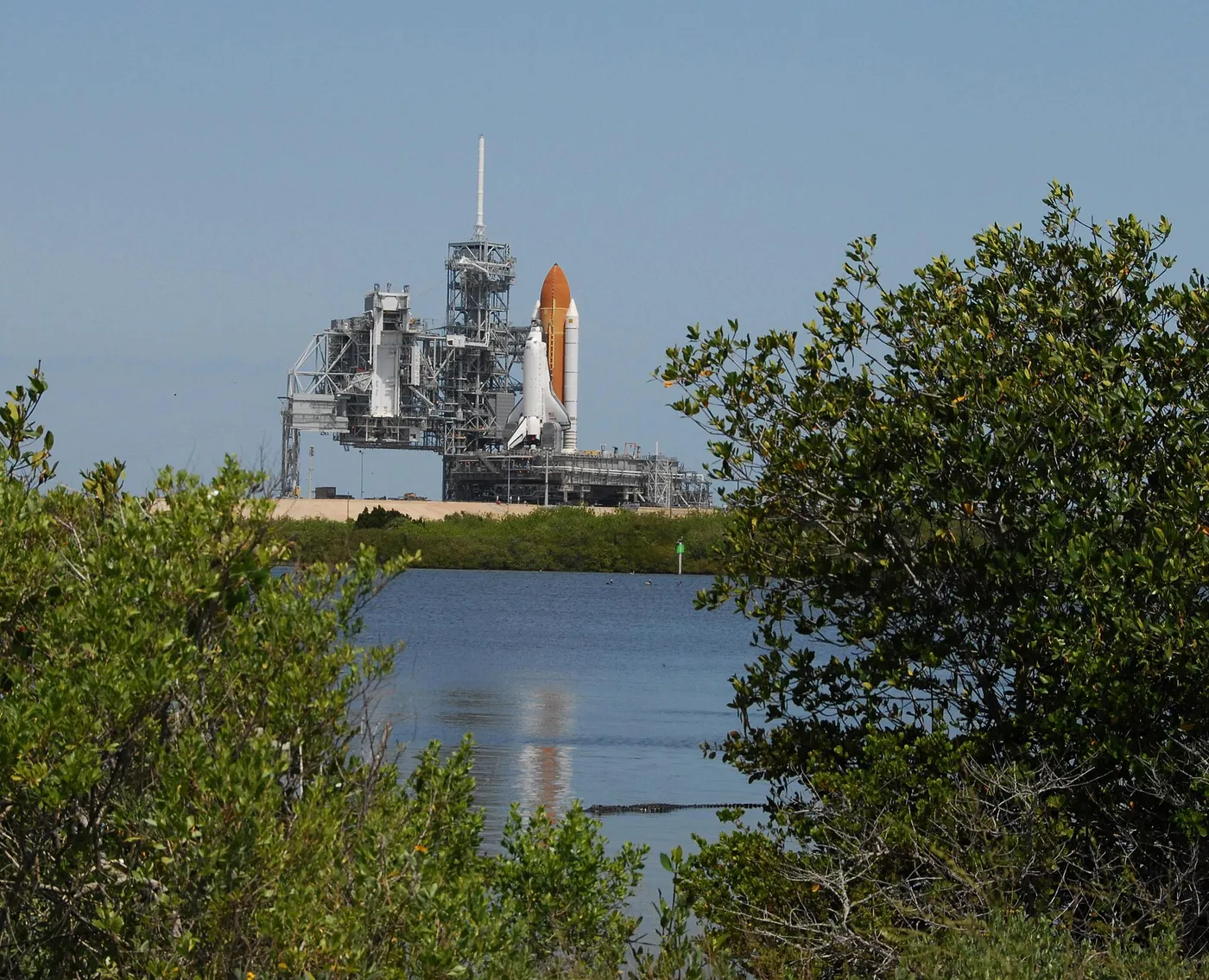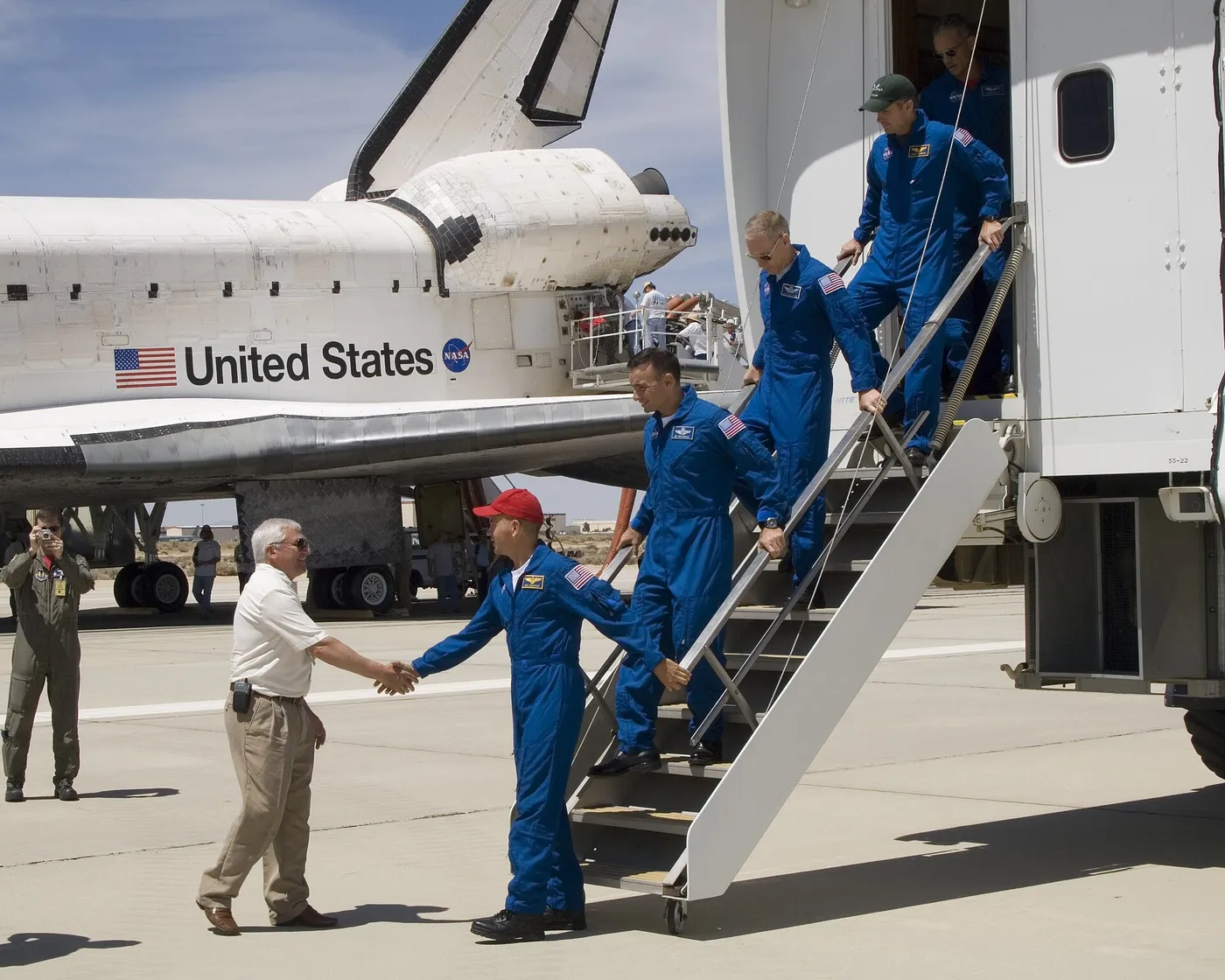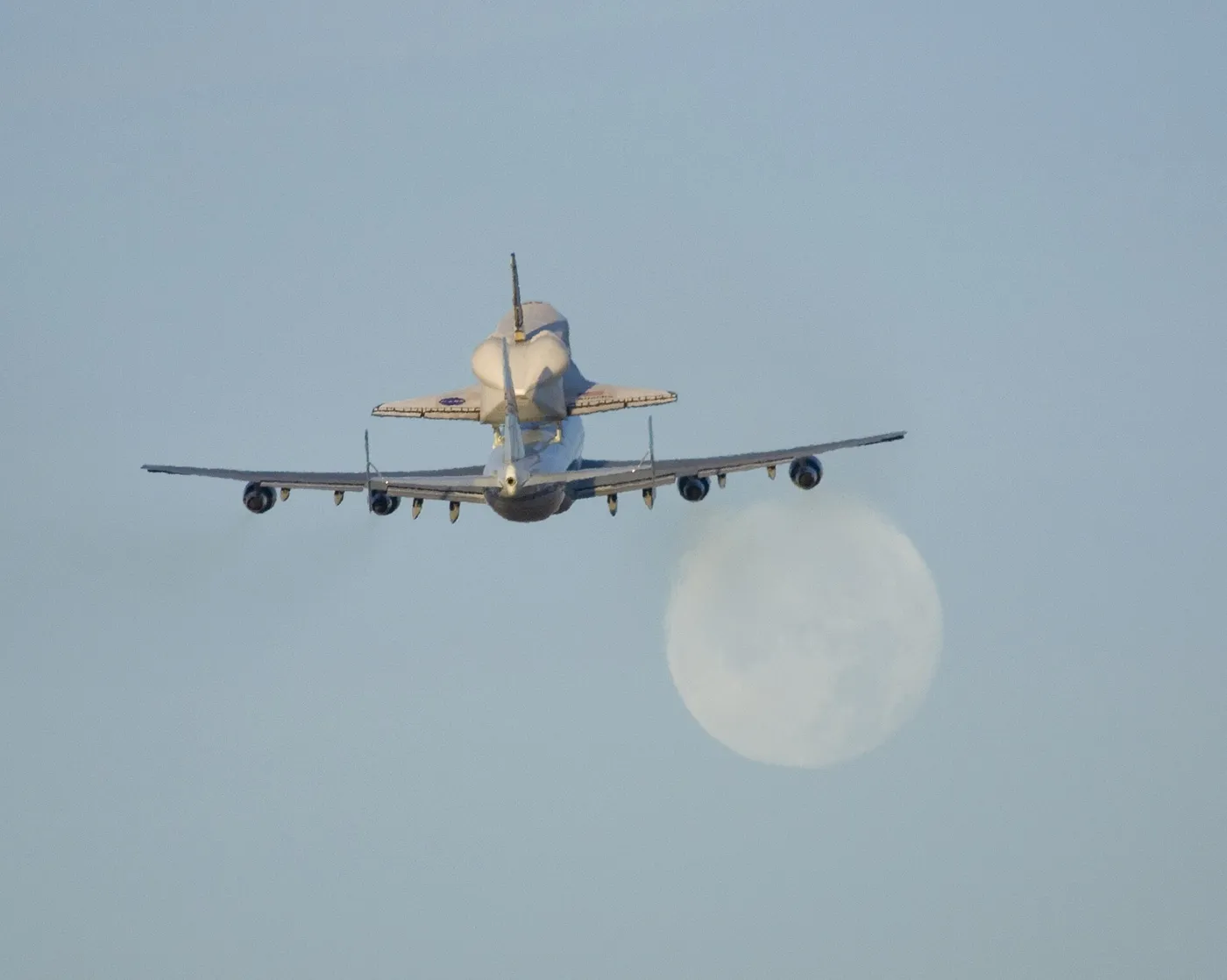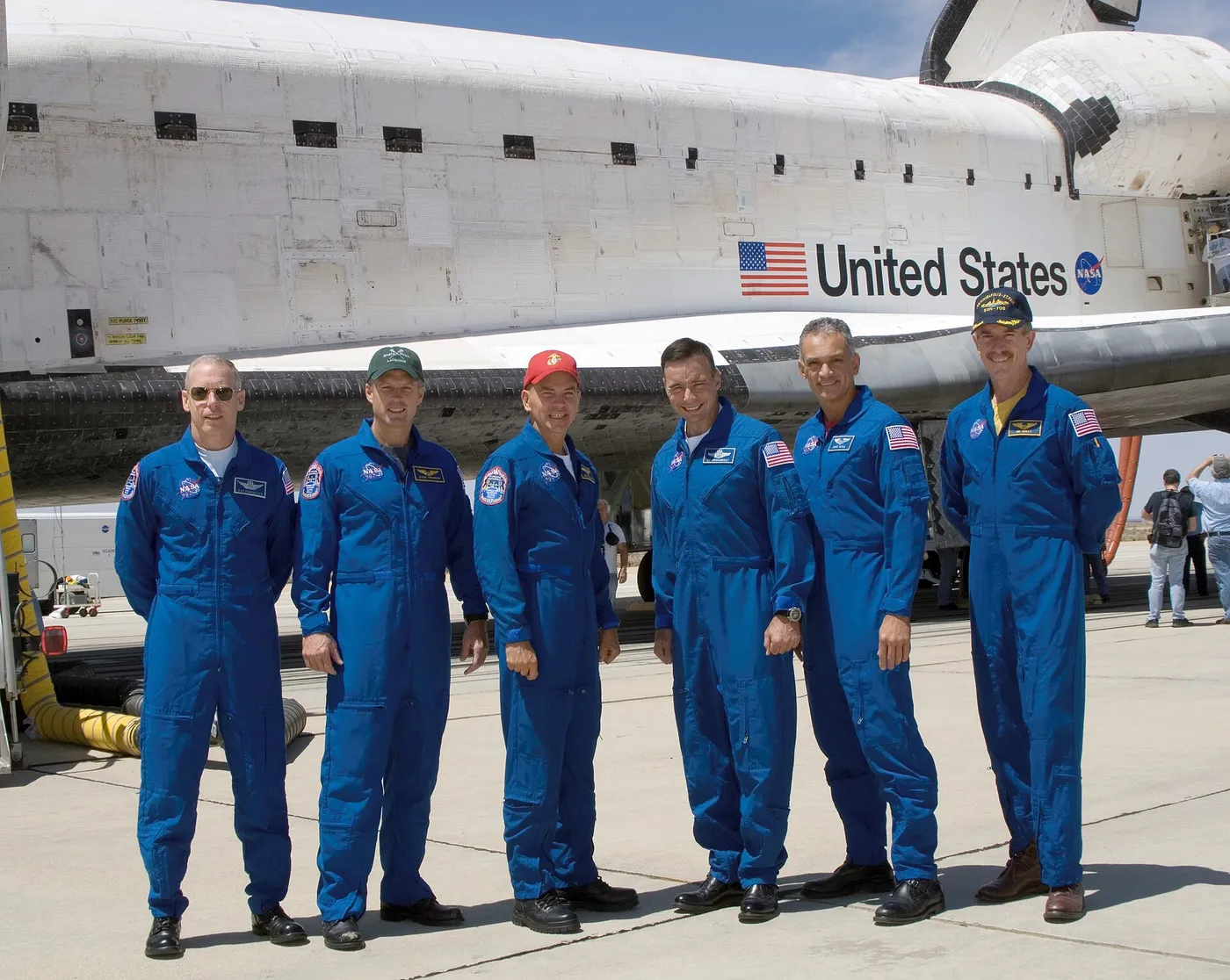
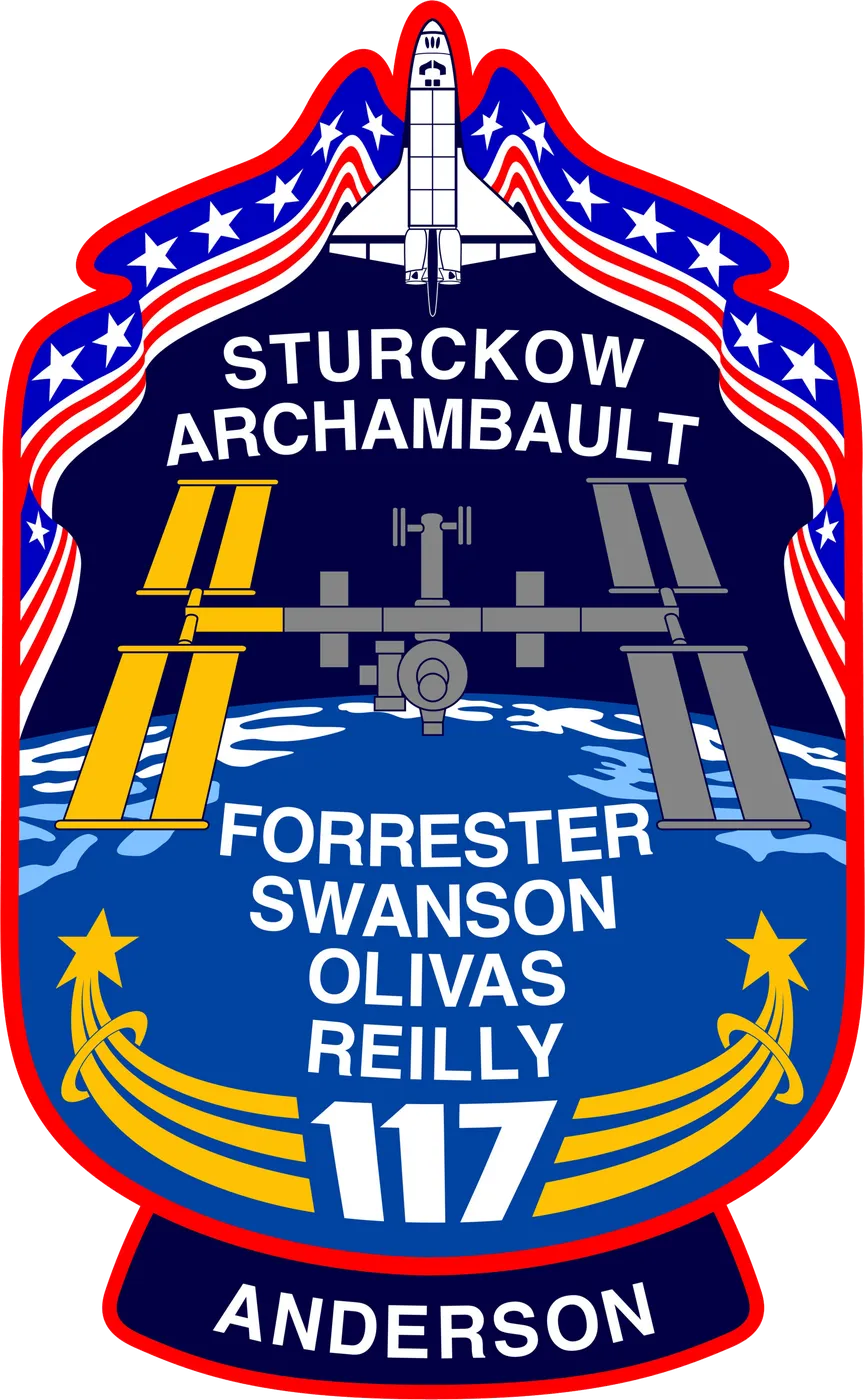
Atlantis delivered another truss segment and solar arrays to the International Space Station in June 2007, continuing to extend the starboard side of the outpost's backbone. The crew of seven installed the girder and unfurled a new pair of power-generating wings, then retracted an older array to clear the way for the truss's rotation.
Four spacewalks handled the installation and also repaired a peeling thermal blanket on the orbiter, using a stapler and pins in an improvised fix that reflected the post-Columbia vigilance over heat-shield integrity. The mission exchanged a member of the resident crew, delivering a new station flight engineer. Each such flight added more power and structure, steadily building toward the station configuration that would support a full crew of six and a suite of laboratories.
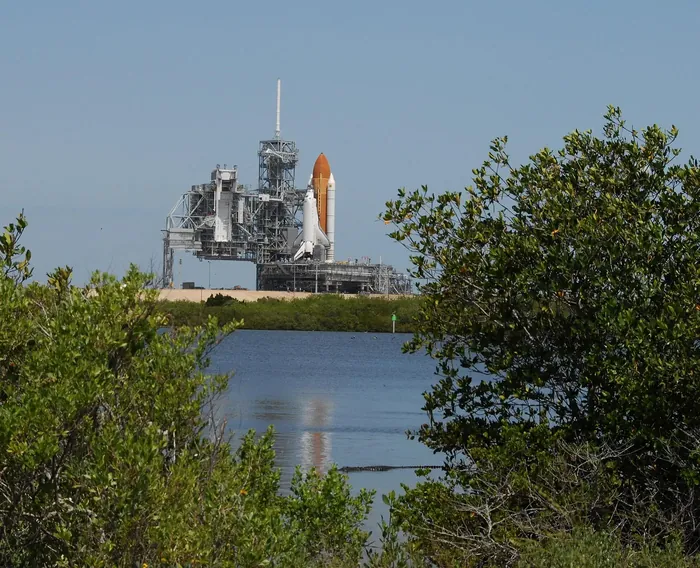
Atlantis delivered the starboard S3 and S4 truss with its own pair of solar wings in June 2007, mirroring the previous flight's work on the other side and bringing the station's power system close to completion. Four spacewalks connected the structure, deployed the arrays and retracted an older one that had to be folded away.
During ascent a corner of thermal blanket on one of the orbital manoeuvring pods peeled back, exposing structure that would have overheated during re-entry. John Olivas was sent out on the station's arm to fix it, and did so with a medical stapler and pins from the on-board kit — an improvised repair to a spacecraft's heat protection that would have been unthinkable before Columbia and was now, if not routine, at least rehearsed.
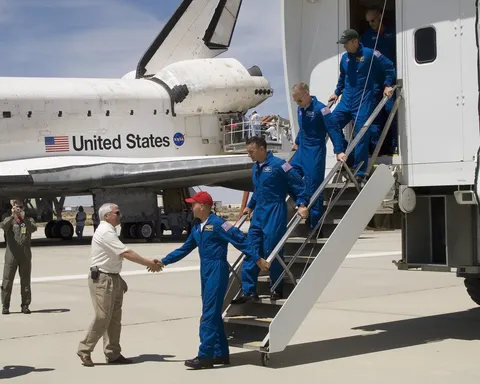
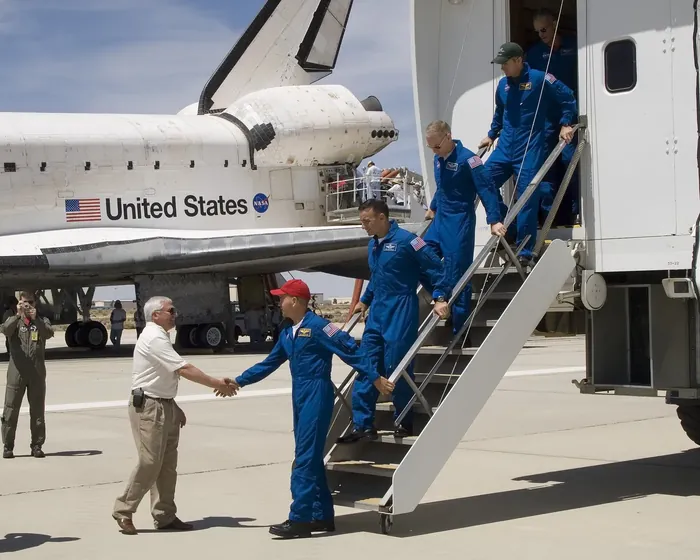
The flight brought Sunita Williams home after 195 days aboard, then the longest single spaceflight by a woman. She had run a marathon on a treadmill in orbit, timed to coincide with the Boston Marathon, and returned with a great deal of data about what six months does to a body — and to the equipment meant to keep it in shape.