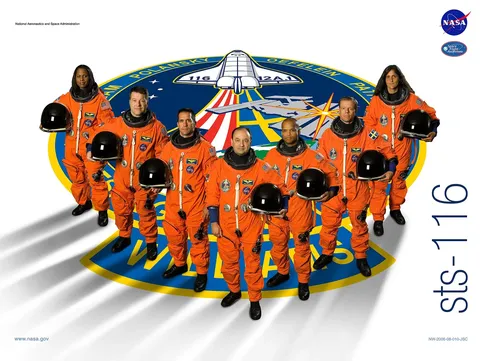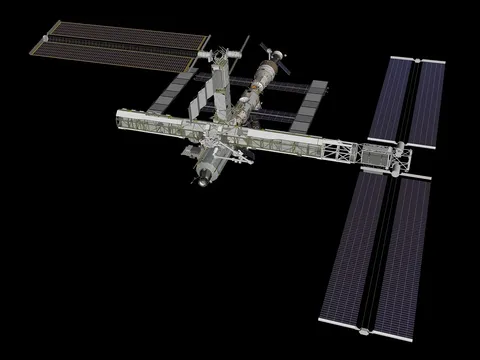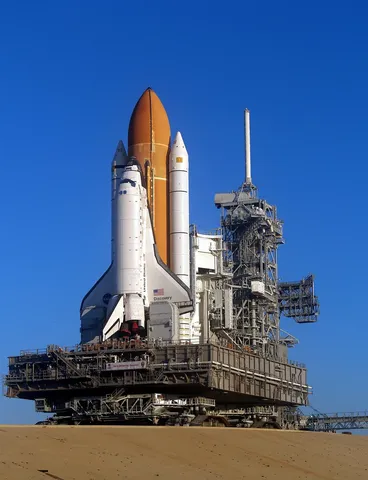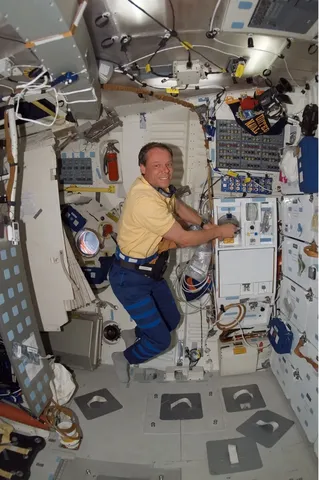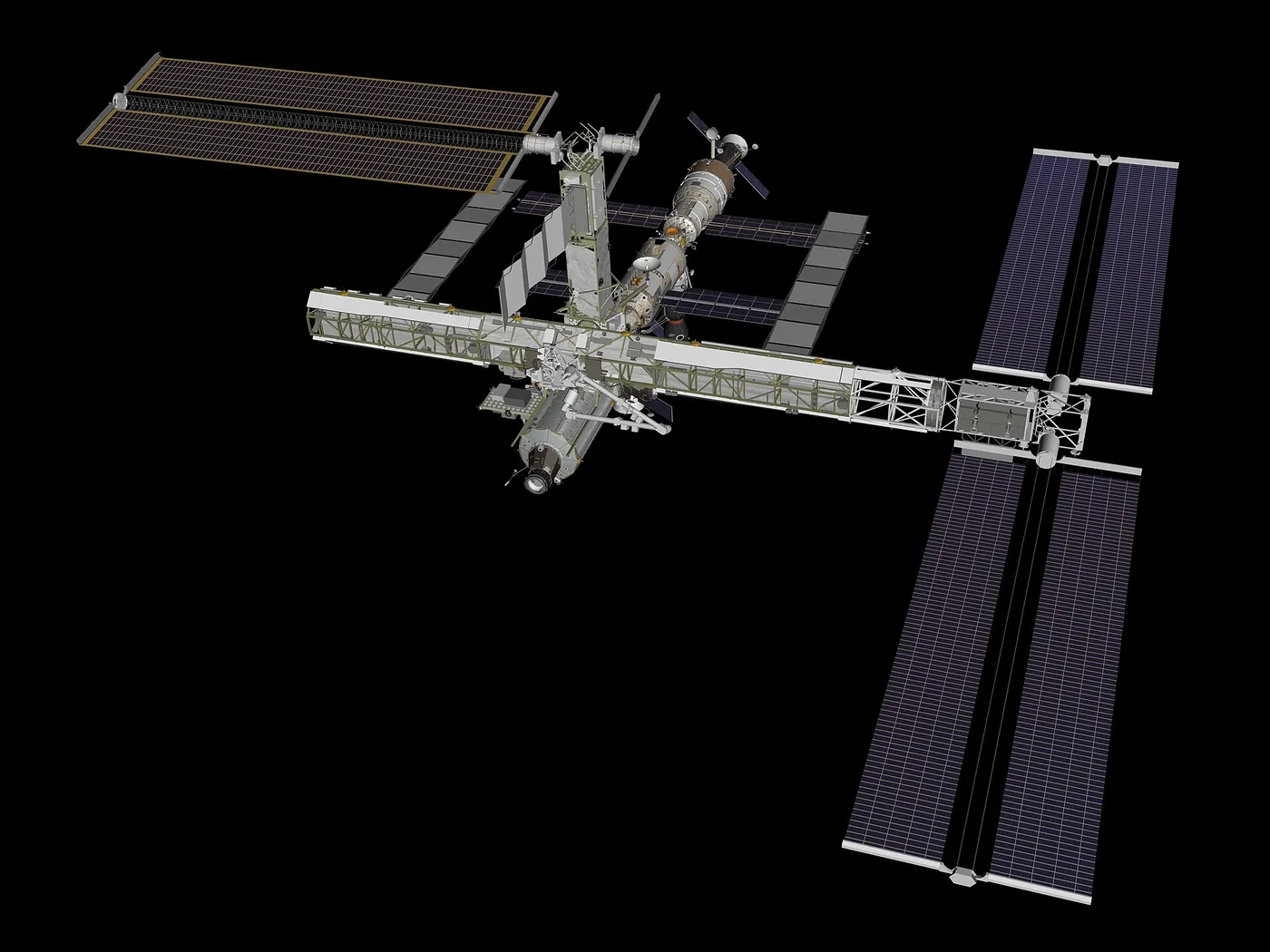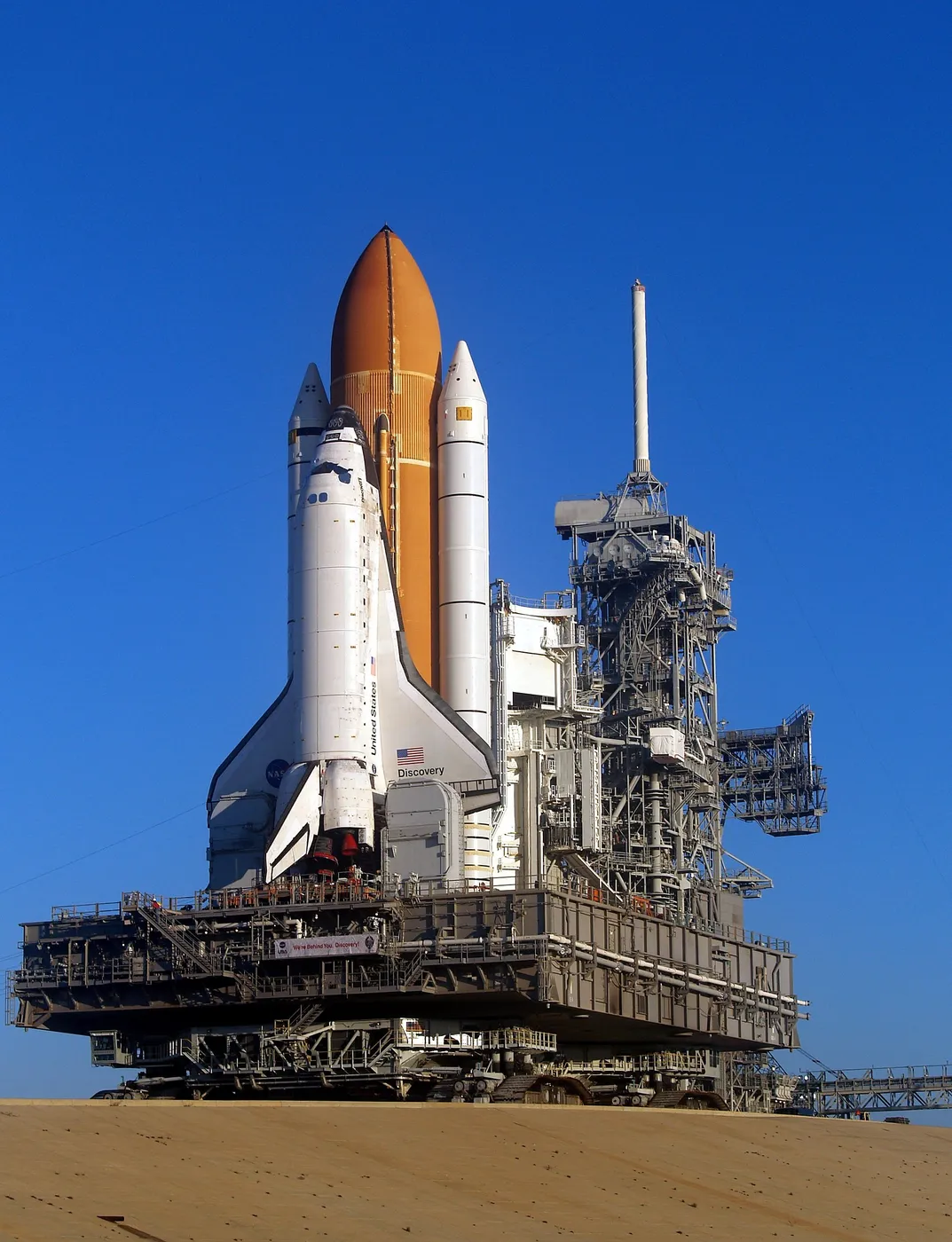
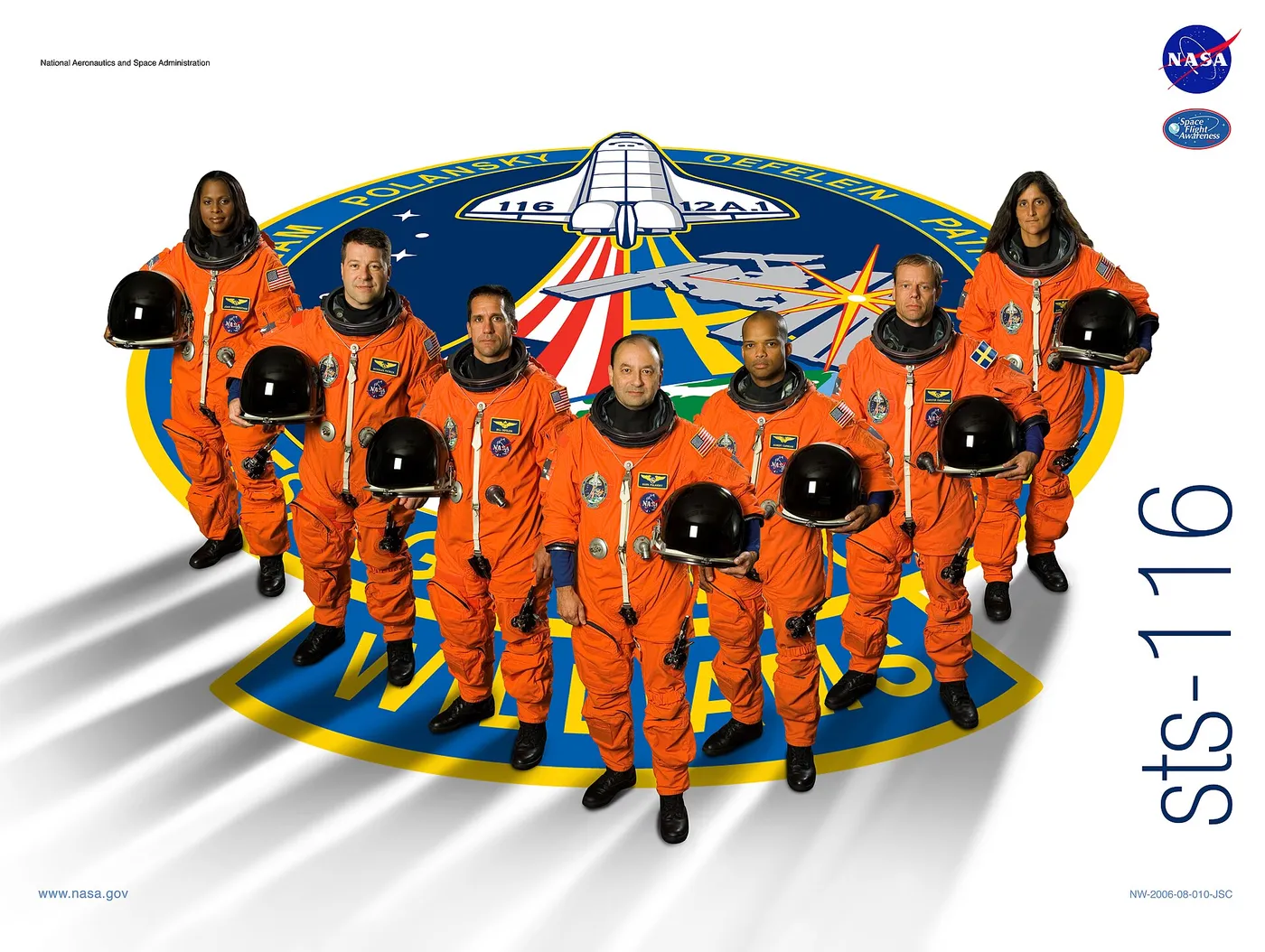
Discovery delivered a short truss segment and rewired the International Space Station's power system in December 2006, a complex electrical reconfiguration that switched the outpost to its permanent power architecture. The crew of seven installed the new girder, but the harder work was internal and external rerouting that let the newly added solar arrays feed the station properly.
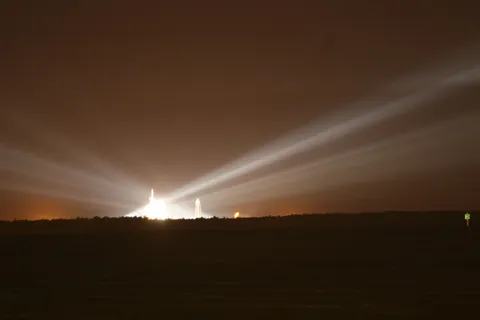
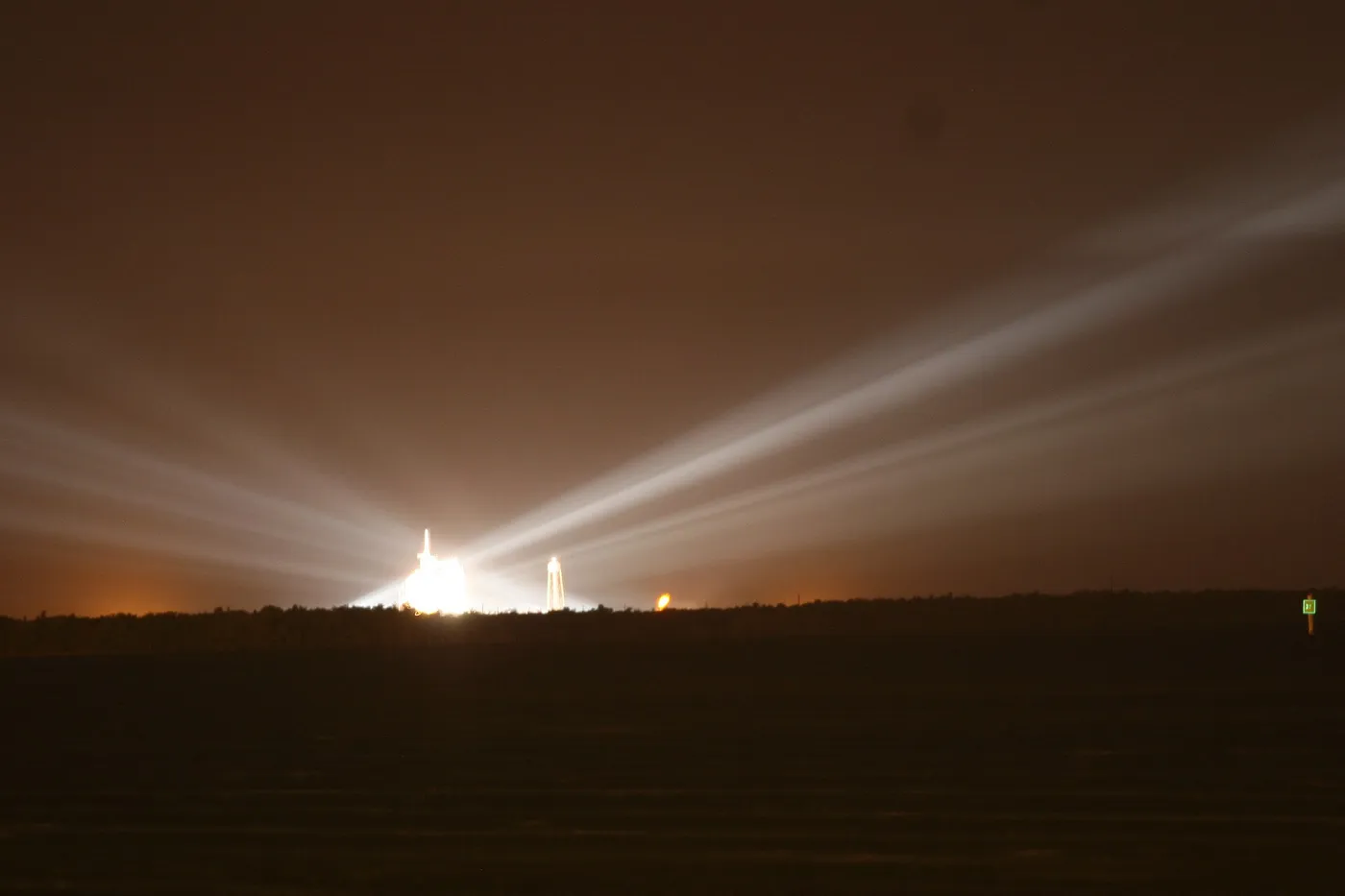
Four spacewalks carried out the rewiring, and when one of the older solar arrays refused to fold up as planned, the crew improvised, shaking it and adjusting it until it retracted. The mission carried European astronaut Christer Fuglesang, the first Swede in space, and launched at night in a spectacular liftoff. Reconfiguring the station's power was a prerequisite for adding the international laboratories that would soon follow.
This mission rewired a spacecraft while people were living in it. Since 2000 the station had run on a temporary electrical arrangement, and Discovery's crew had to convert it to the permanent system — reconfiguring power channels in stages, shutting down half the station at a time, with the cooling for critical electronics interrupted while connections were remade outside.
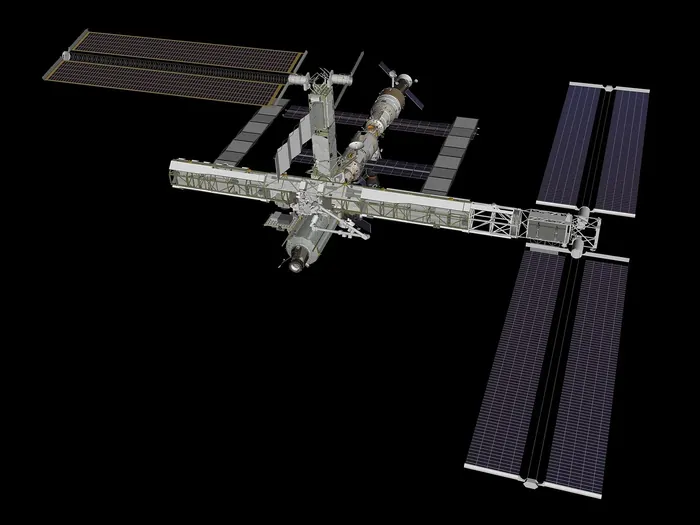
It was the most complex electrical work ever attempted in orbit, and it mostly went to plan until a solar array refused to fold. The P6 blanket, unfurled six years earlier, would not concertina back into its box; the material had taken a set, and guide wires kept snagging. Controllers tried commanding it in increments, then had the crew shake the structure by pulsing thrusters, before Robert Curbeam went out on an unplanned fourth spacewalk and worked the folds loose by hand.
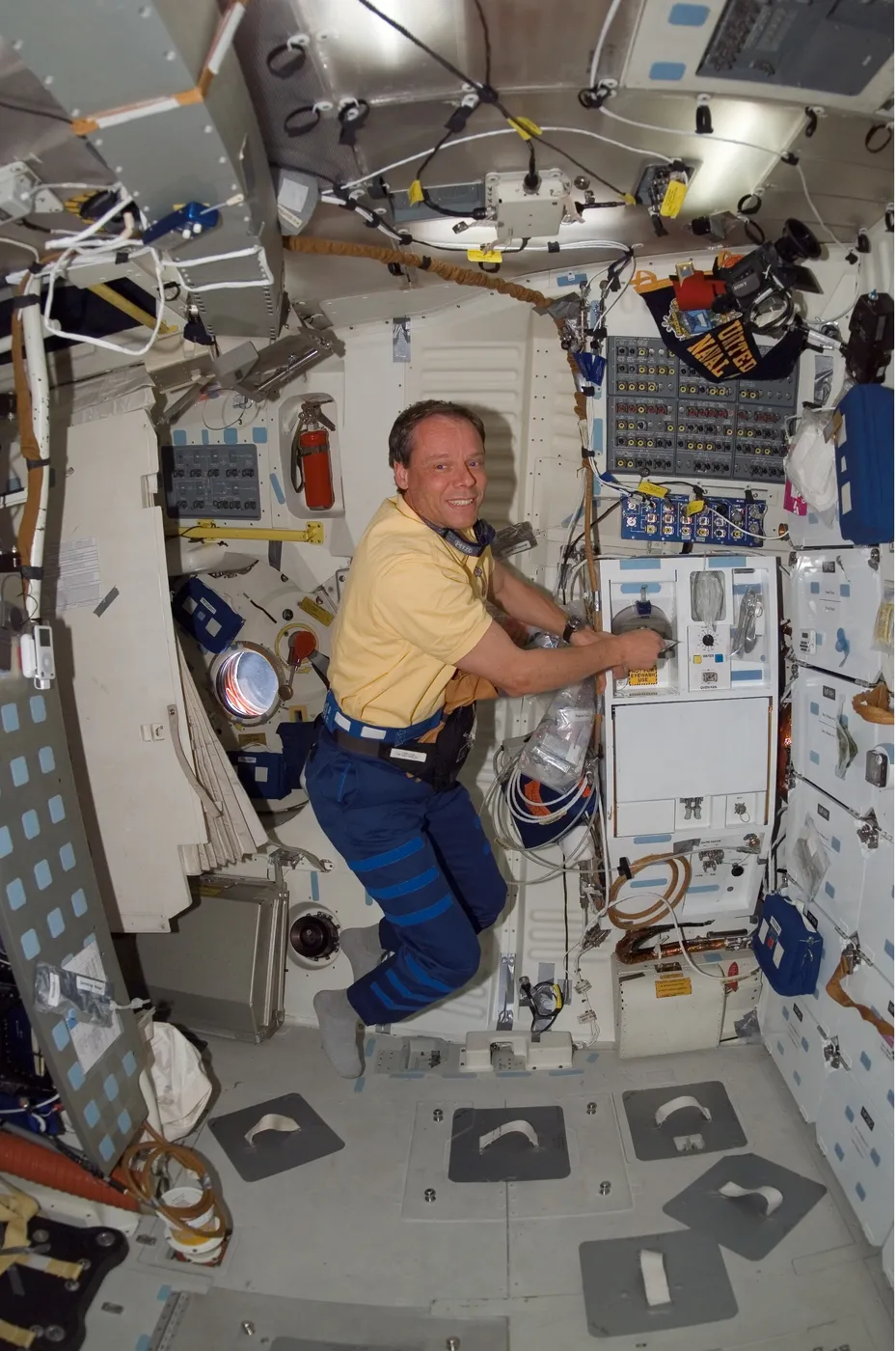
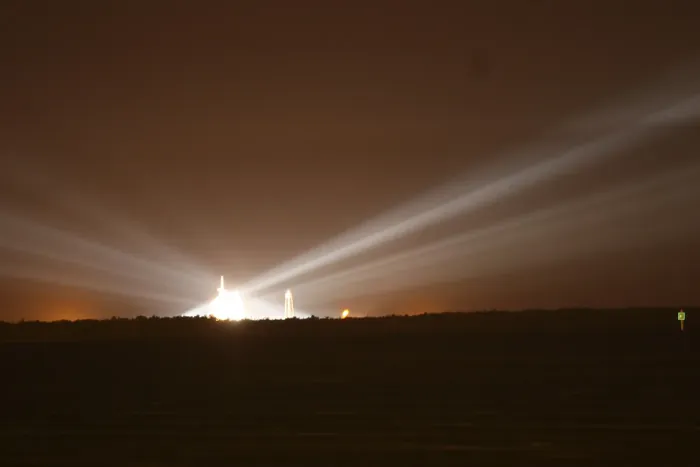
Aboard was Christer Fuglesang, the first Swedish astronaut, who ended up making three spacewalks; the flight also delivered Sunita Williams to the station, where she would spend six months and run the Boston Marathon on a treadmill in orbit. The launch, in December darkness, was the first night launch since Columbia and lit the coast for hundreds of kilometres.