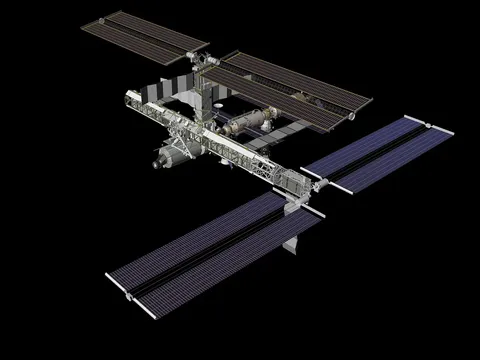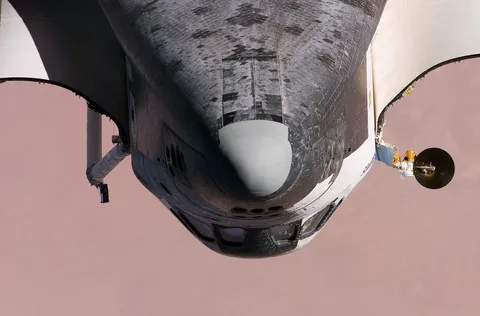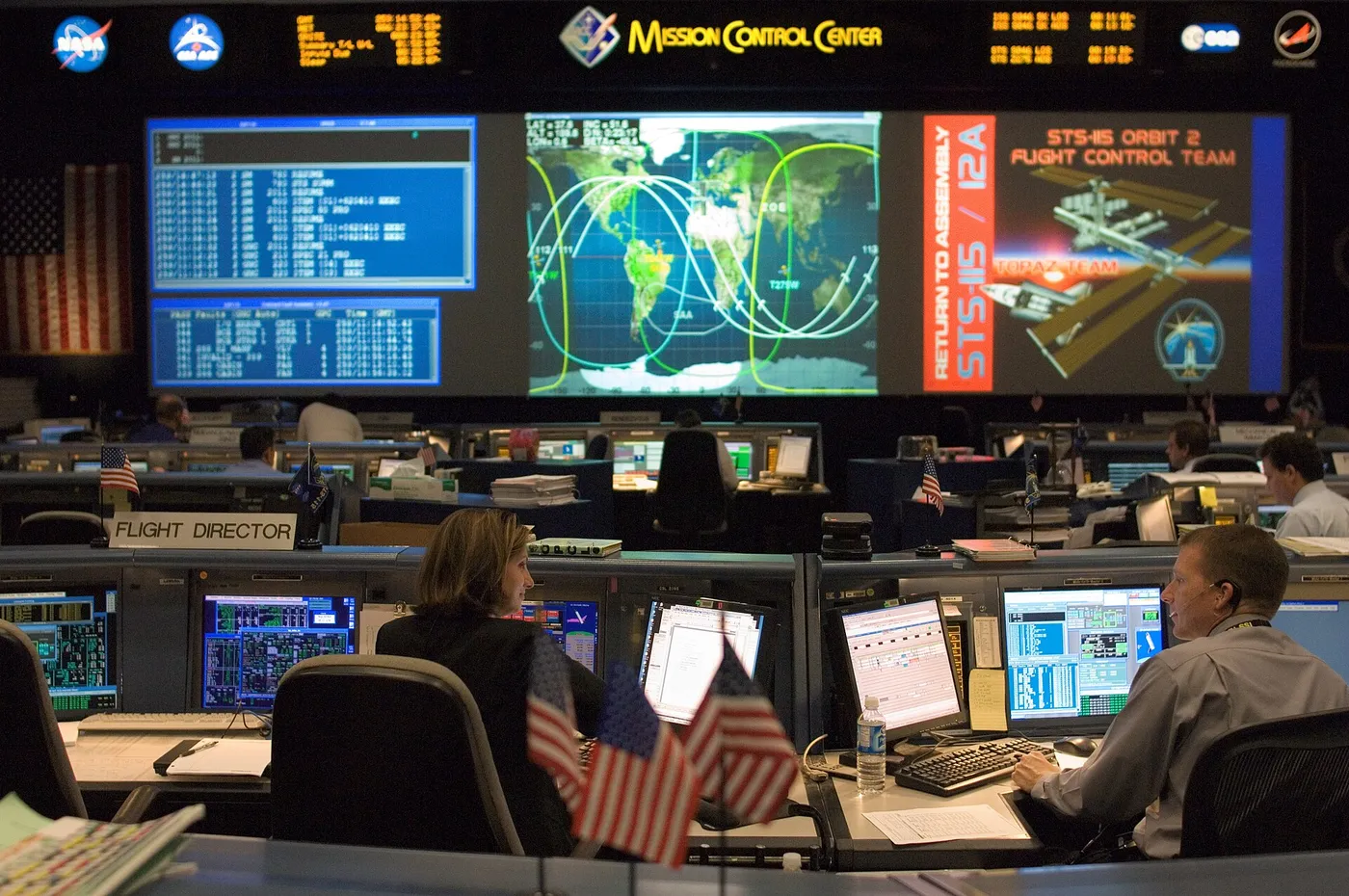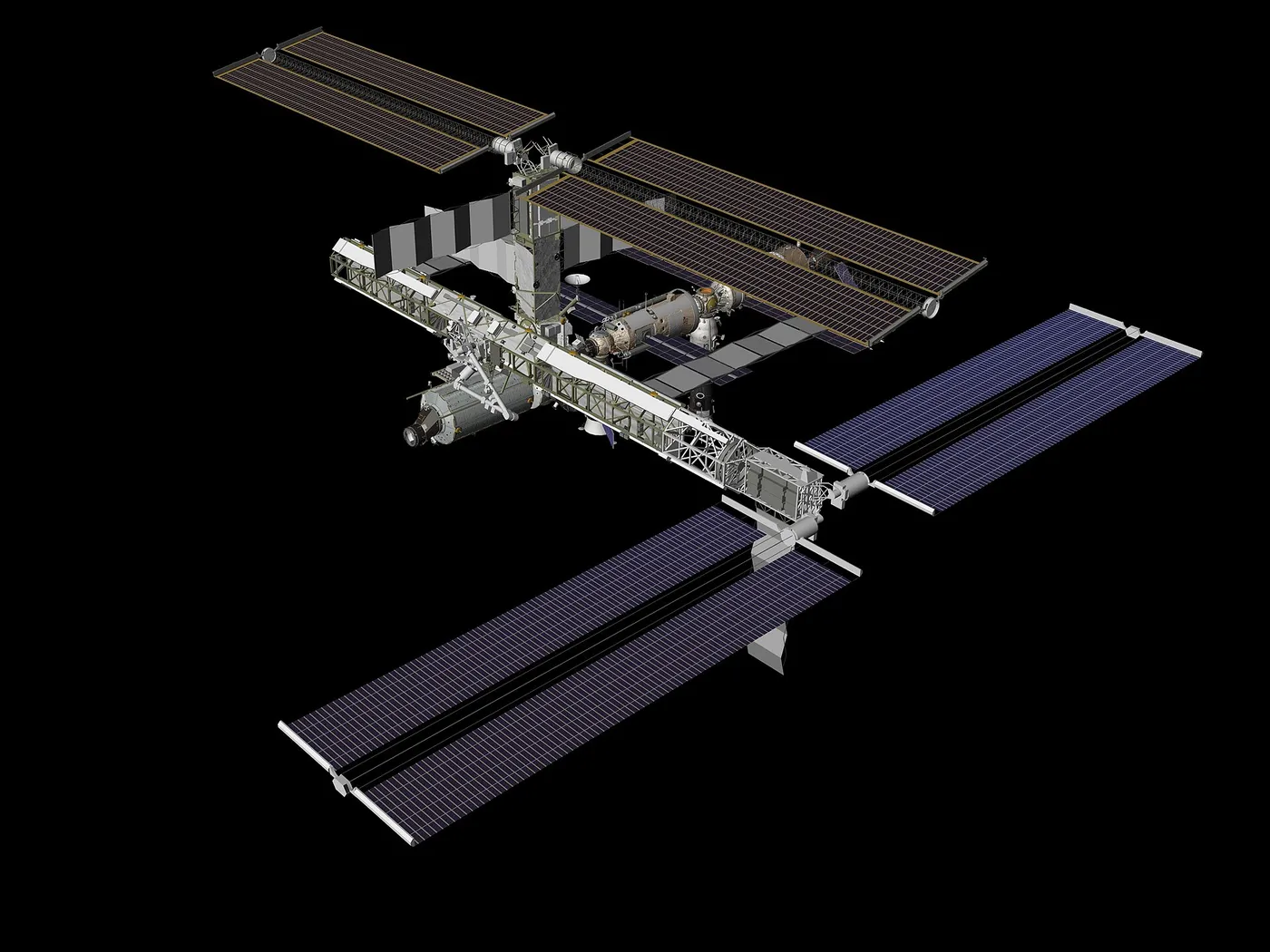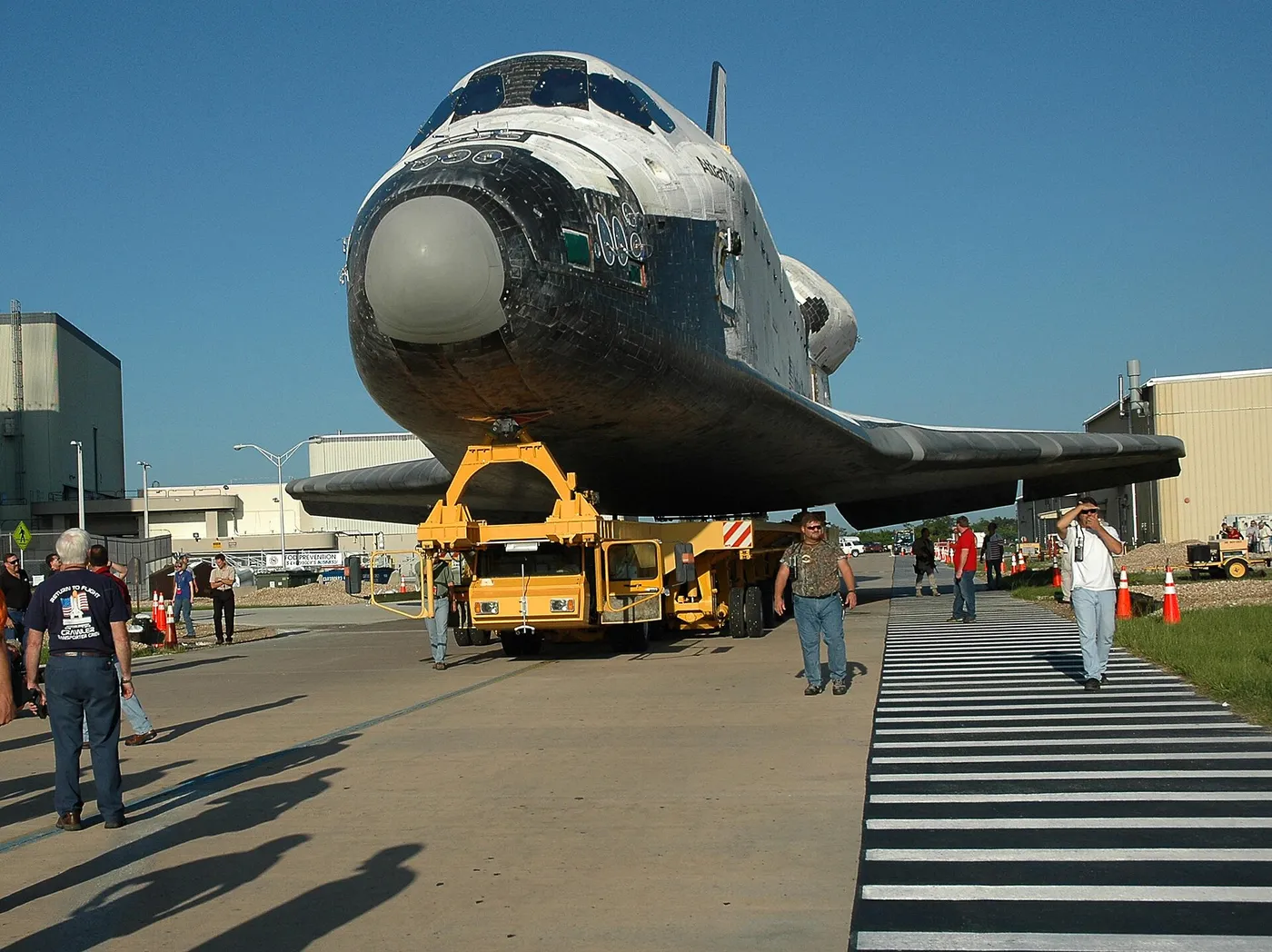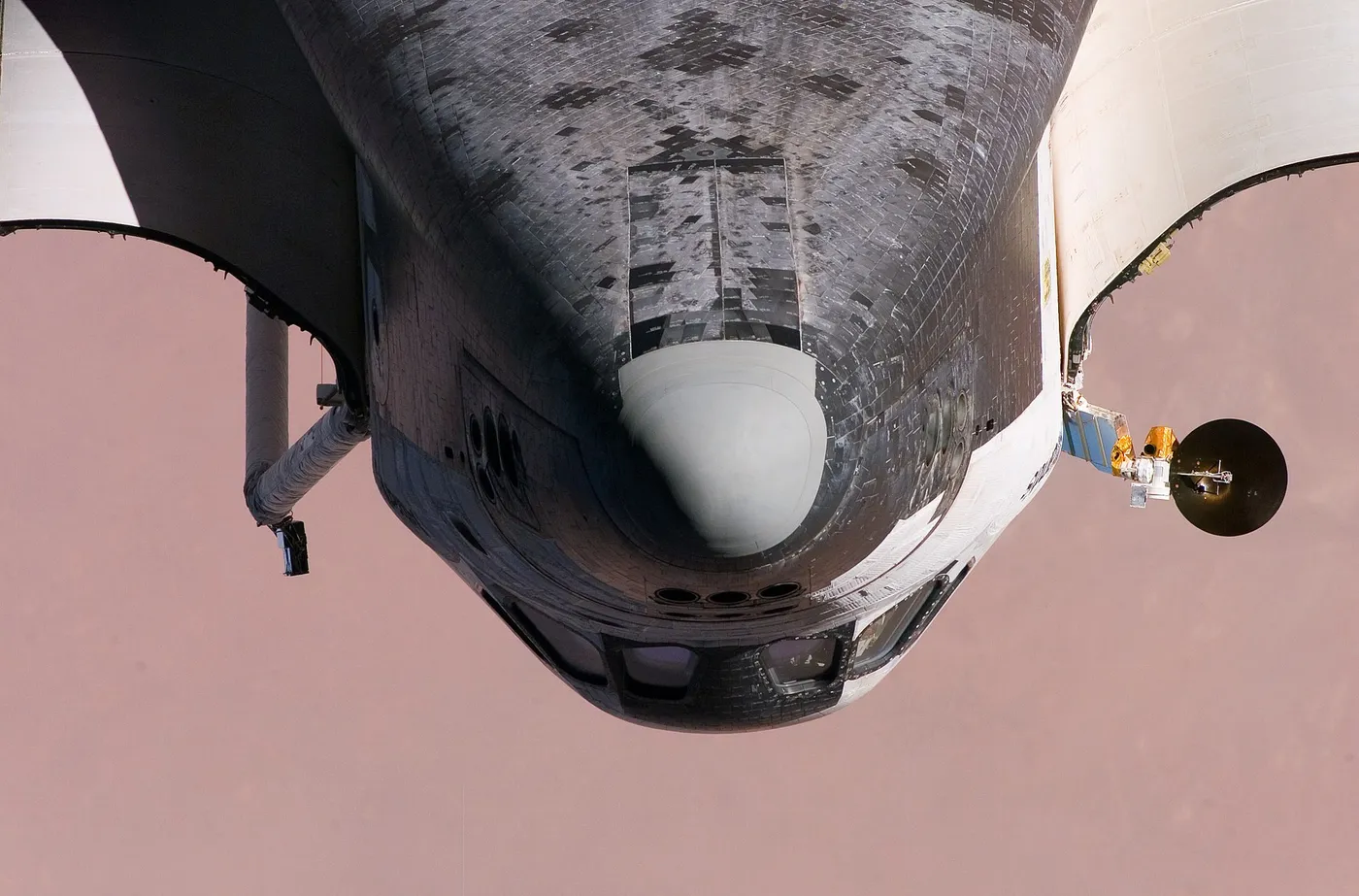
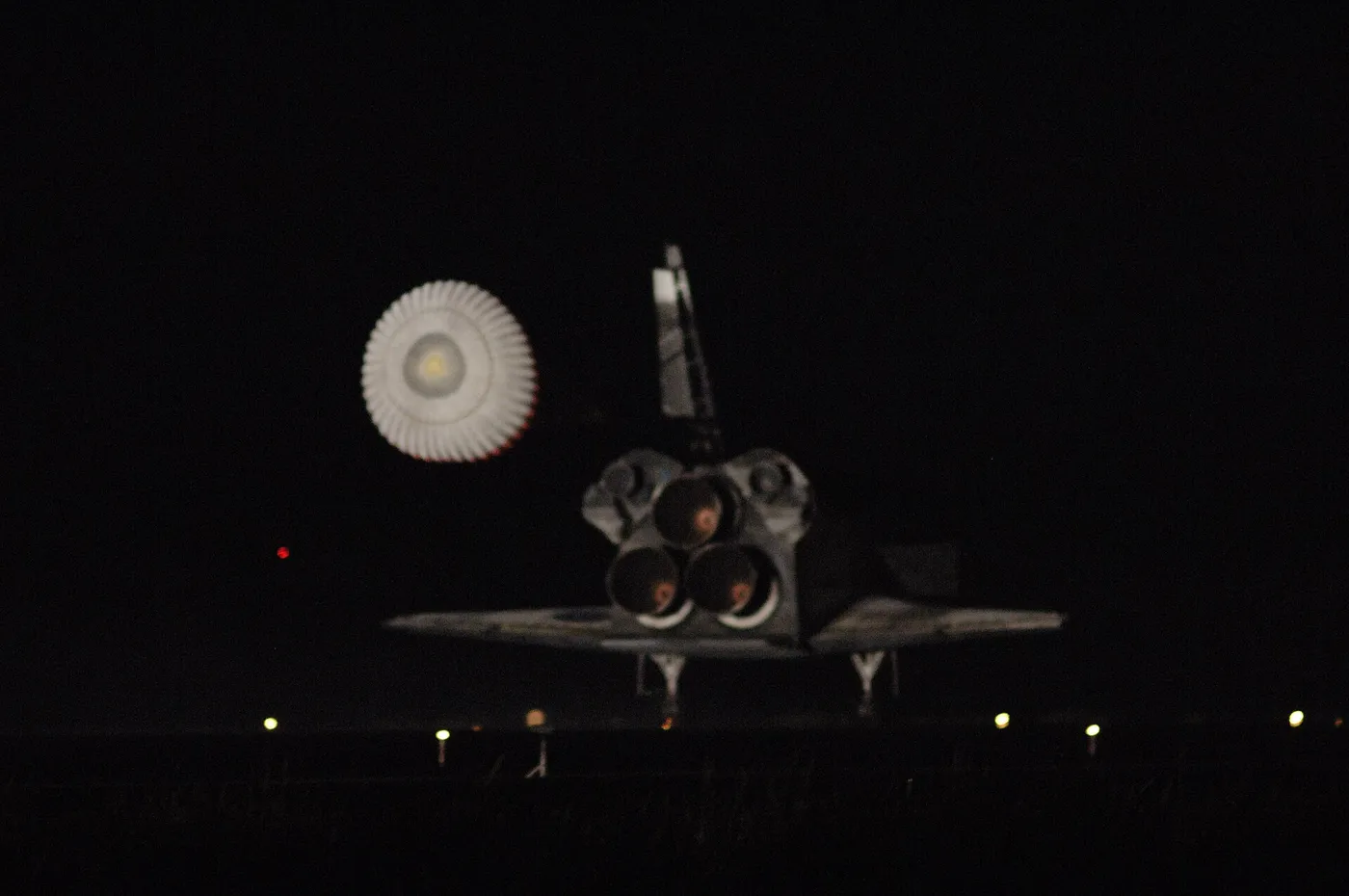
Atlantis resumed the assembly of the International Space Station in September 2006, delivering a major truss segment and a pair of giant solar arrays after a three-year pause forced by the Columbia accident. The crew of six installed the girder on the growing backbone and unfurled the wings, roughly doubling the station's power generation.
Three spacewalks connected the new hardware and coaxed the arrays and their rotating joint into operation, restarting the outdoor construction work that had been frozen since 2003. The mission reopened the fast-paced building phase that would, over the next few years, complete the station before the fleet retired. After the long hiatus, seeing the truss grow again marked a turning point: the Shuttle was back to doing the job it had been kept flying to finish.
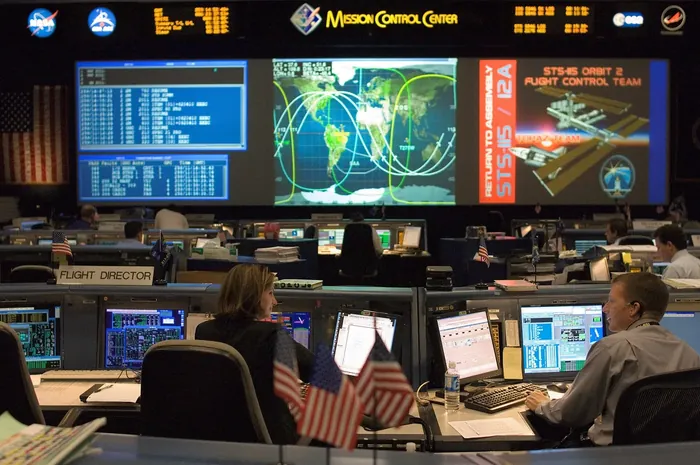
Assembly resumed after four years. Between Columbia and this September 2006 flight the station had been maintained but not enlarged, kept alive by Russian vehicles and a skeleton crew, and the truss had sat half-built since 2002.
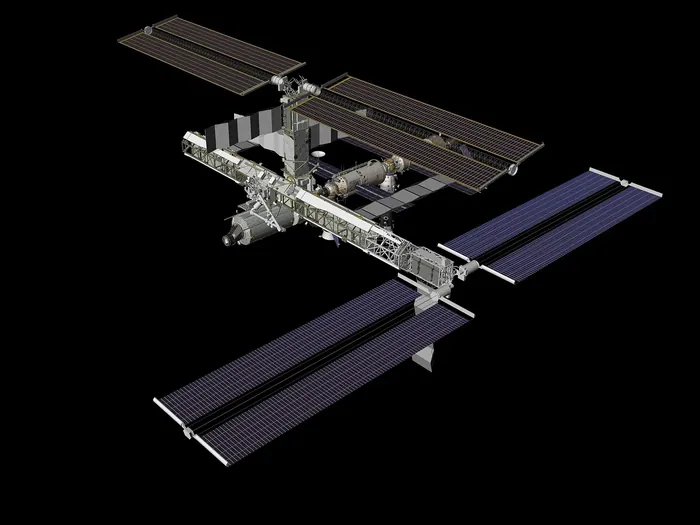
Atlantis delivered the P3 and P4 segments, extending the port truss and carrying the second pair of large solar array wings. Deploying them doubled the station's power and, more importantly, restored the sequence: with power available, the European and Japanese laboratories could follow, and the outpost could finally be finished.
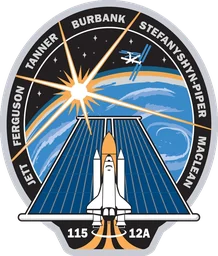
Three spacewalks connected the segment and coaxed the arrays open, and the crew watched the rotating joint that keeps the panels facing the Sun turn for the first time. The flight also carried Daniel Burbank and Steven MacLean, the latter becoming the second Canadian to walk in space. Fourteen assembly missions remained, and they were flown in five years.