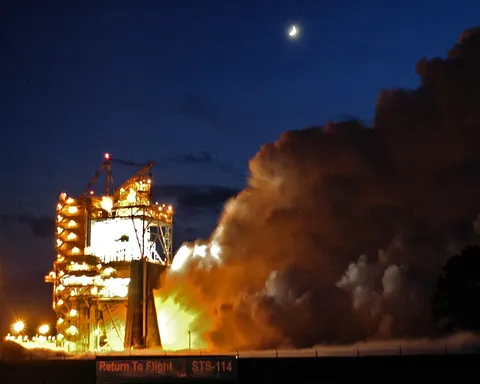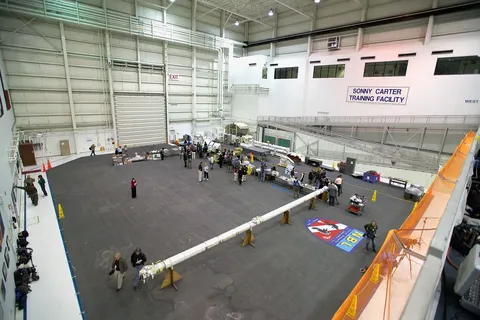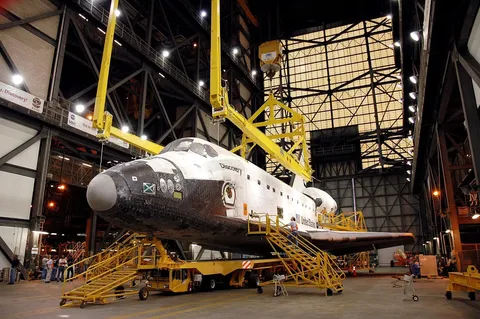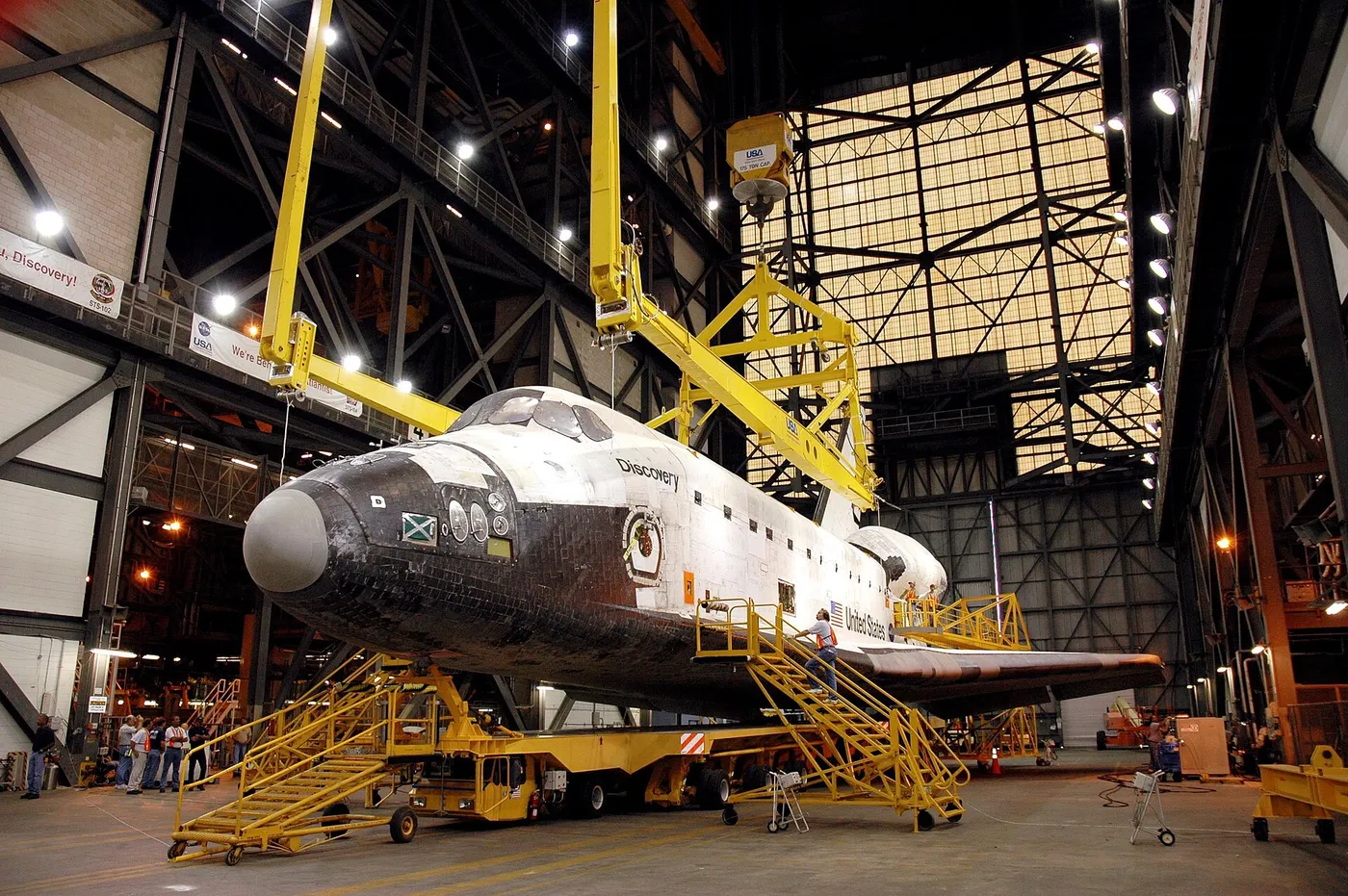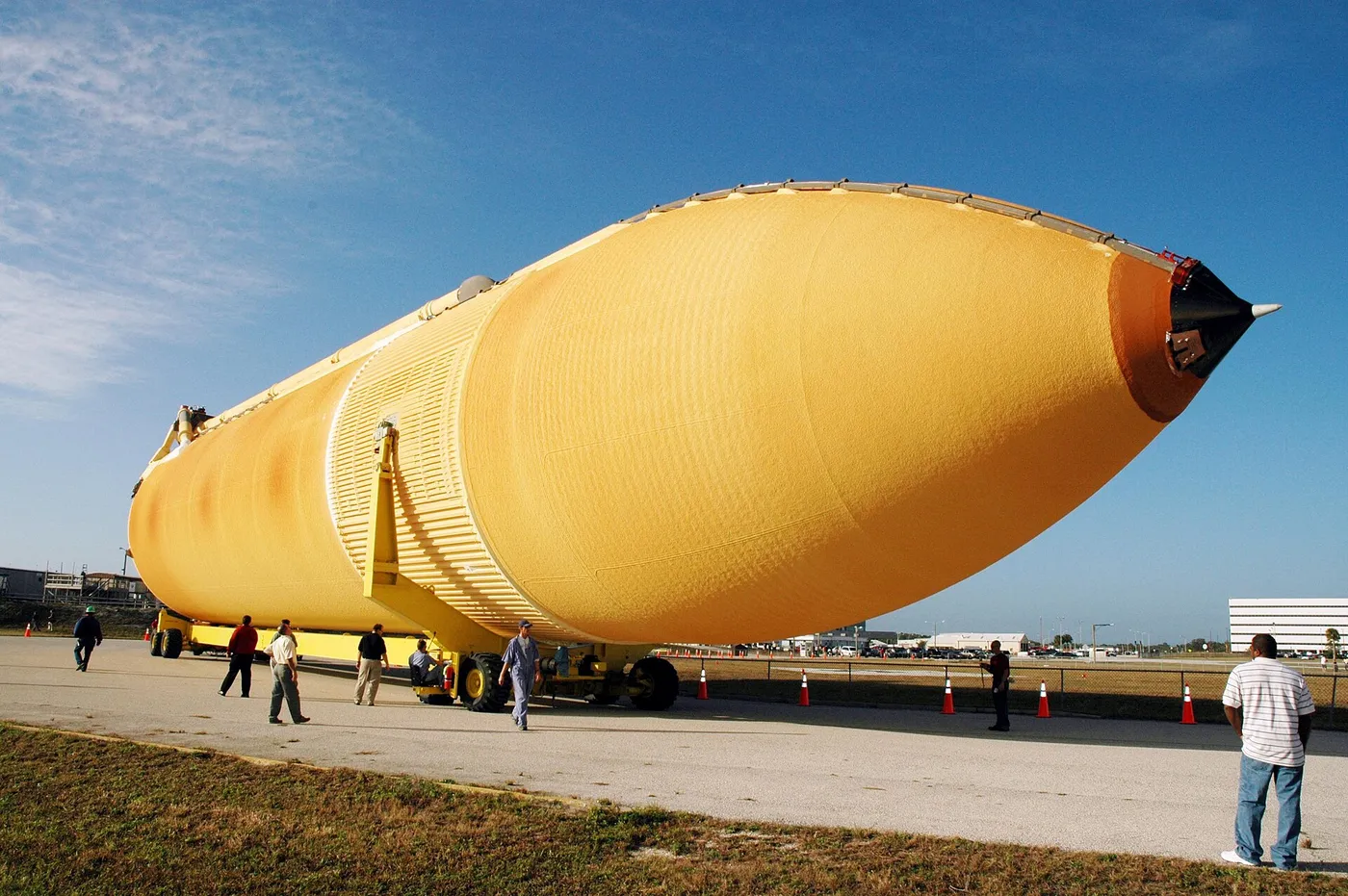
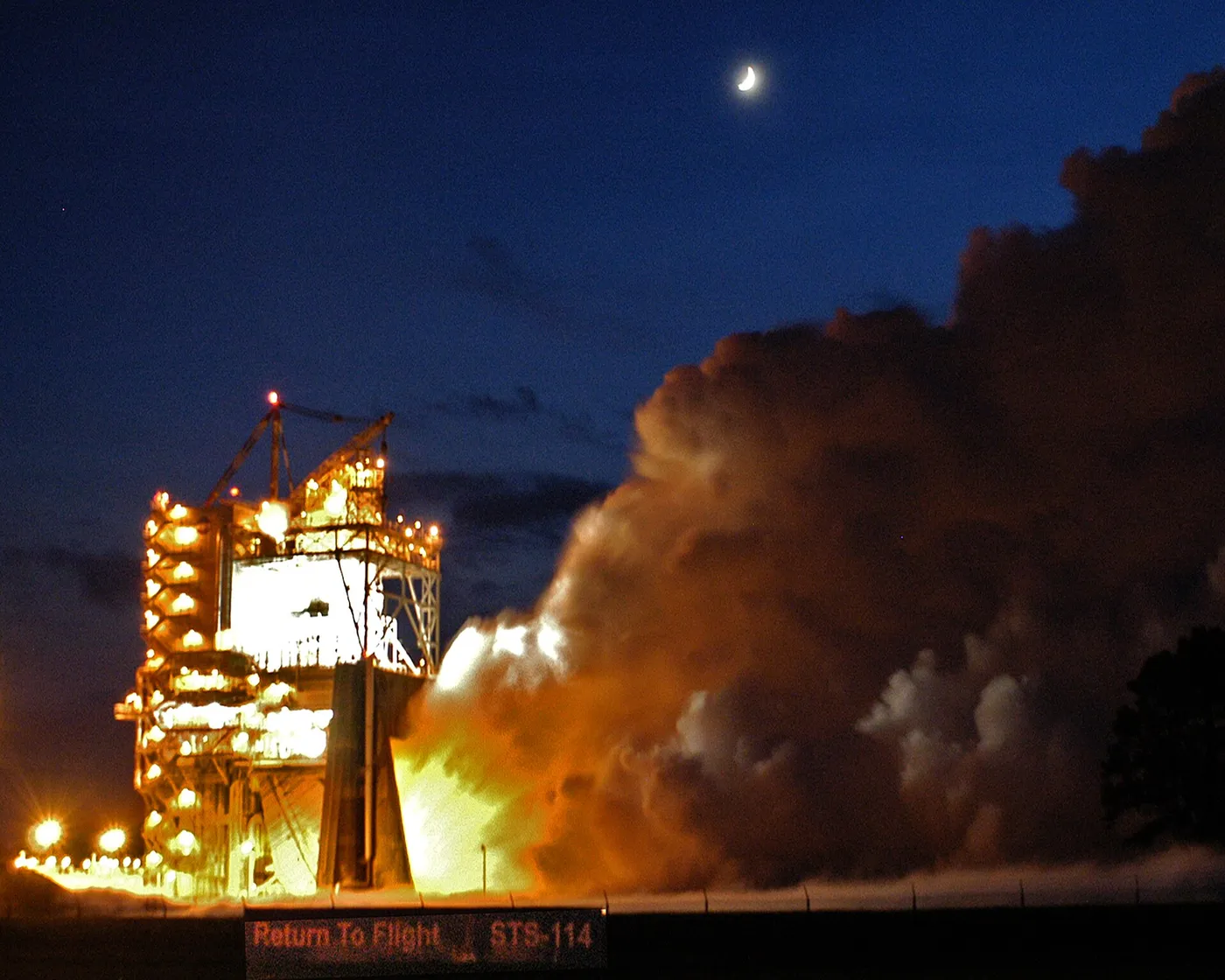

Discovery returned the Shuttle to flight in July 2005, two and a half years after Columbia was lost, on a mission dominated by the drive to make ascent and re-entry safer. New cameras and sensors watched the climb for falling debris, and once in orbit the crew of seven used a new boom to inspect the orbiter's heat shield in detail for the first time.
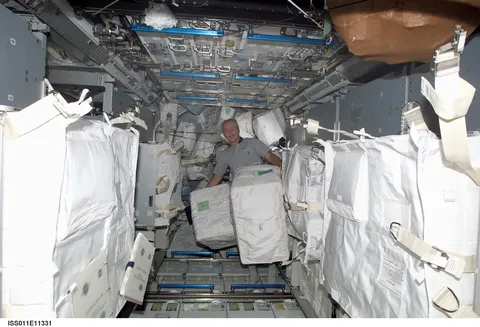
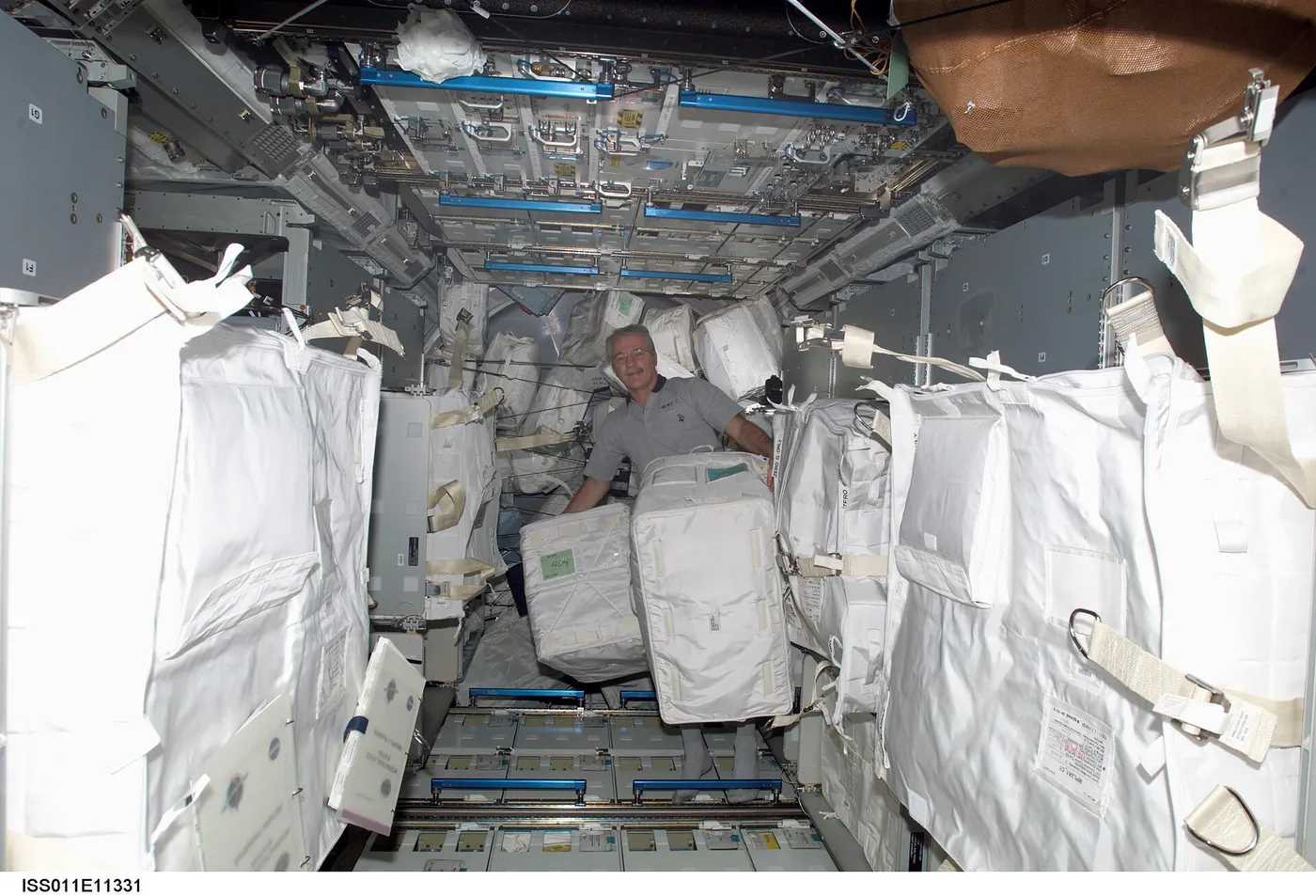
Docked at the station, the crew resupplied the outpost and tested repair techniques, and in a first, Steve Robinson rode the robotic arm beneath Discovery to pull loose material from between its tiles. But a large piece of foam had again broken off the tank during launch, missing the orbiter but shaking NASA's confidence. The return was safe, yet the persistent debris problem forced another stand-down before assembly could resume in earnest.
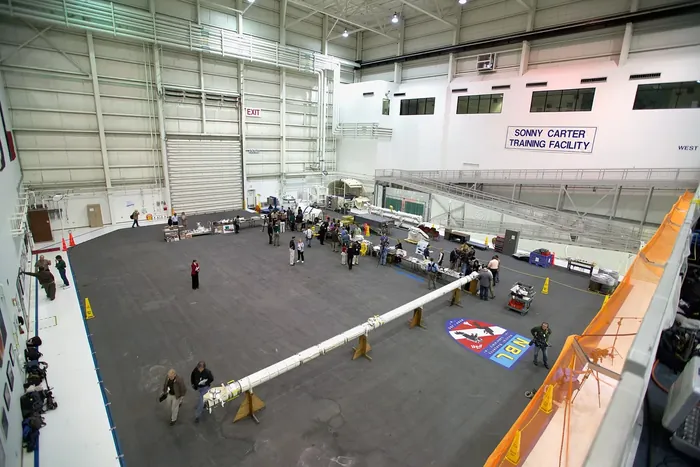
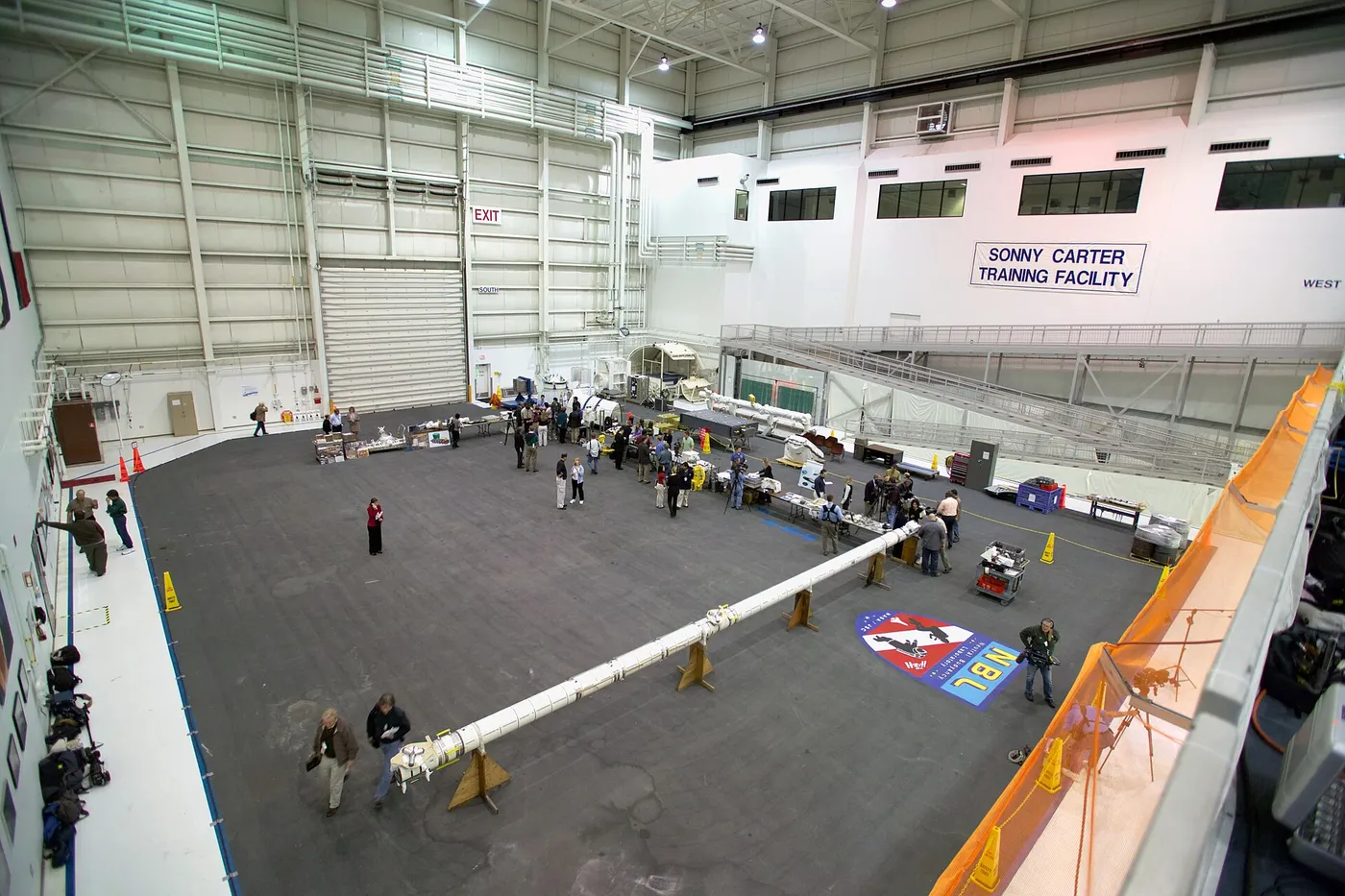
It took two and a half years to fly again, and Discovery's return in July 2005 was conducted under a level of scrutiny no mission had faced. The vehicle carried a new fifteen-metre inspection boom with cameras and lasers to survey its own heat shield, and before docking Eileen Collins flew the entire orbiter through a slow backflip beneath the station so the residents could photograph its belly with long lenses — a manoeuvre invented for the sole purpose of never again wondering whether the tiles were intact.
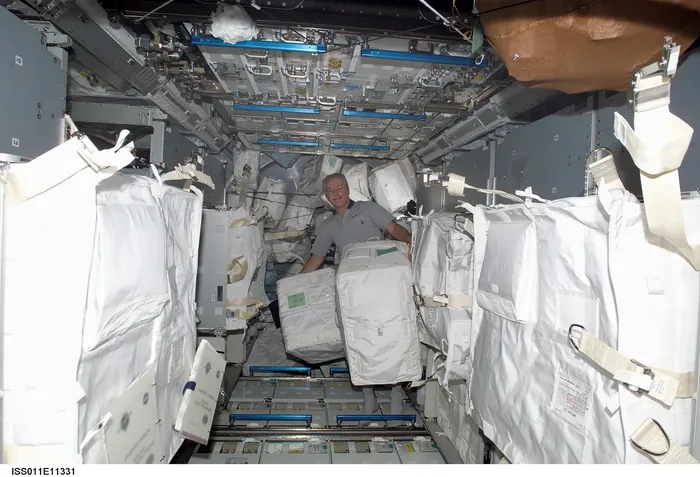
The inspection found two ceramic gap fillers protruding between tiles on the underside, thin strips that might have tripped the airflow into turbulence and overheated the surrounding tiles. Nobody had ever repaired the outside of an orbiter in flight. Steve Robinson was carried under the belly on the end of the station's arm, reached out, and pulled both of them free with his fingers — the whole intervention taking less effort than the months of analysis that preceded it.
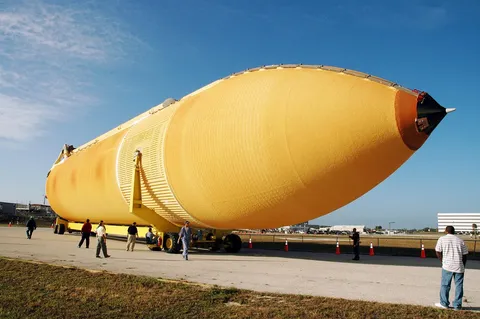
And then the foam came off again. A sizeable piece separated from the tank during ascent, missing the orbiter but proving the fix incomplete, and NASA grounded the fleet a second time for another year. Return to flight had demonstrated both that the Shuttle could now watch and mend itself, and that its fundamental problem — a fragile spacecraft mounted beside a shedding tank — could be managed but never designed away.