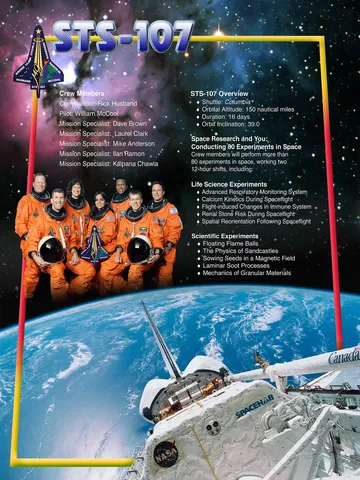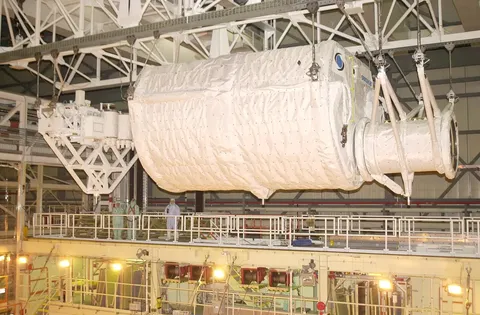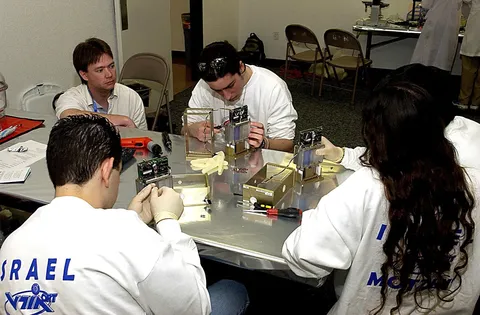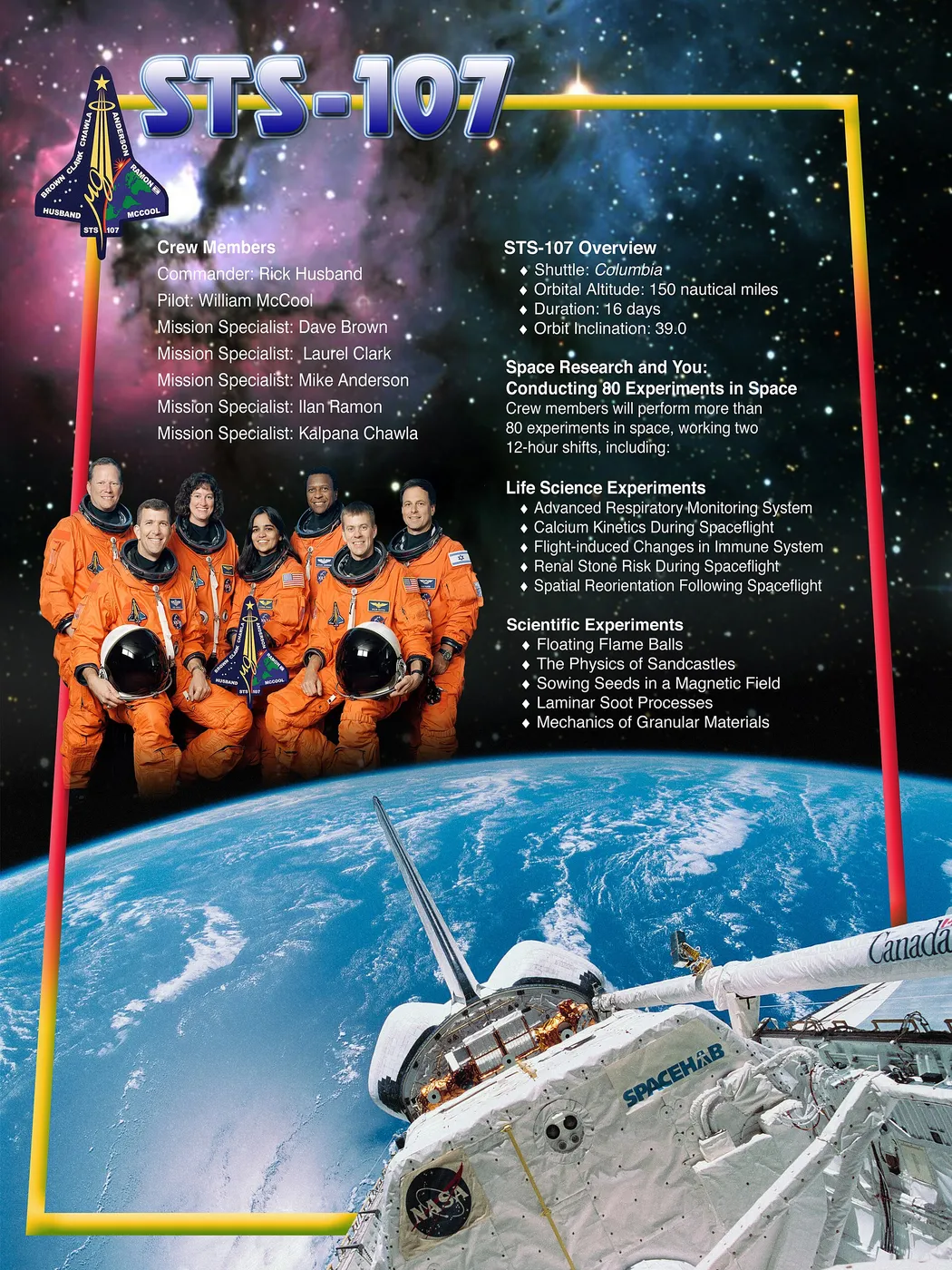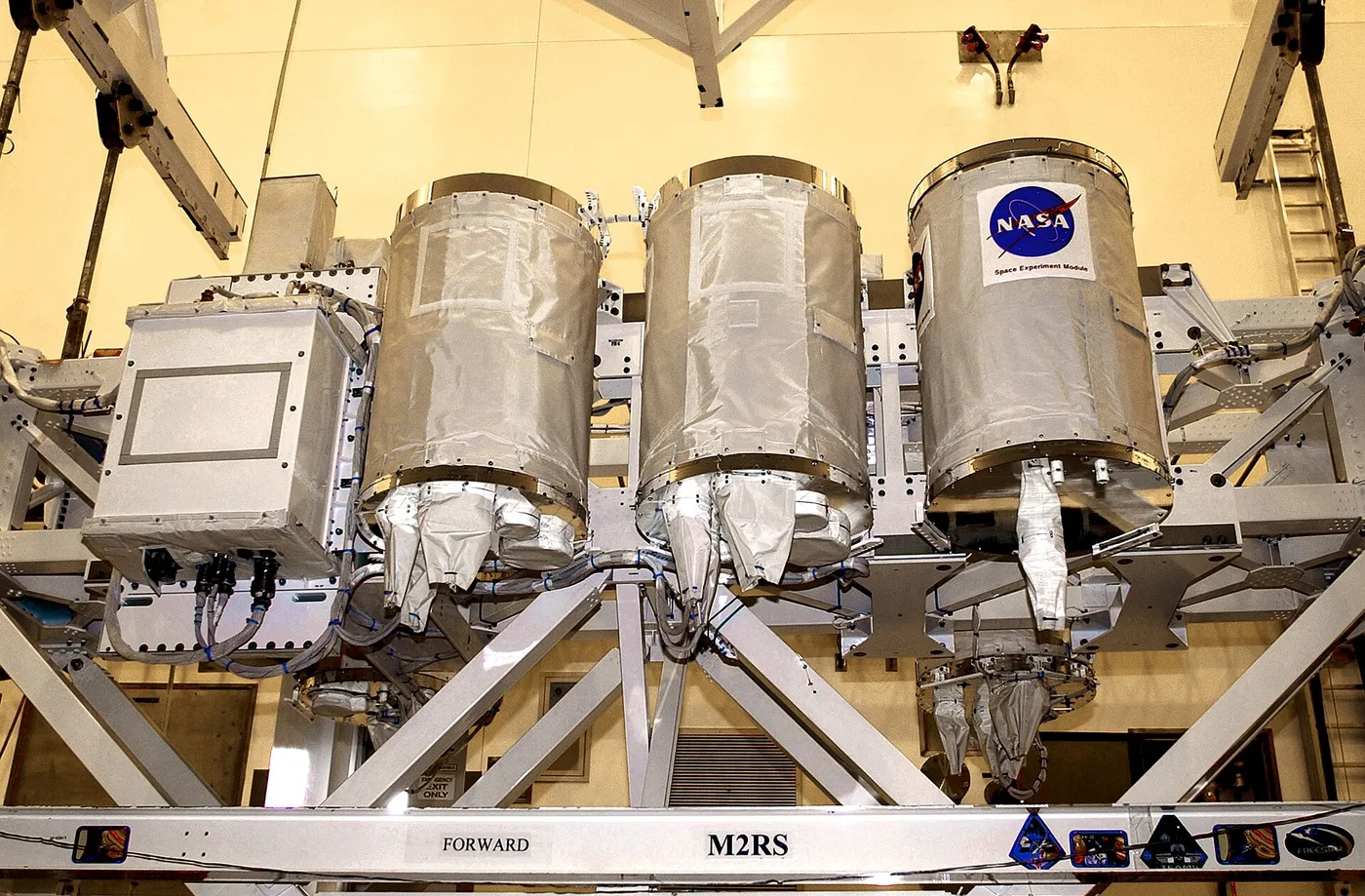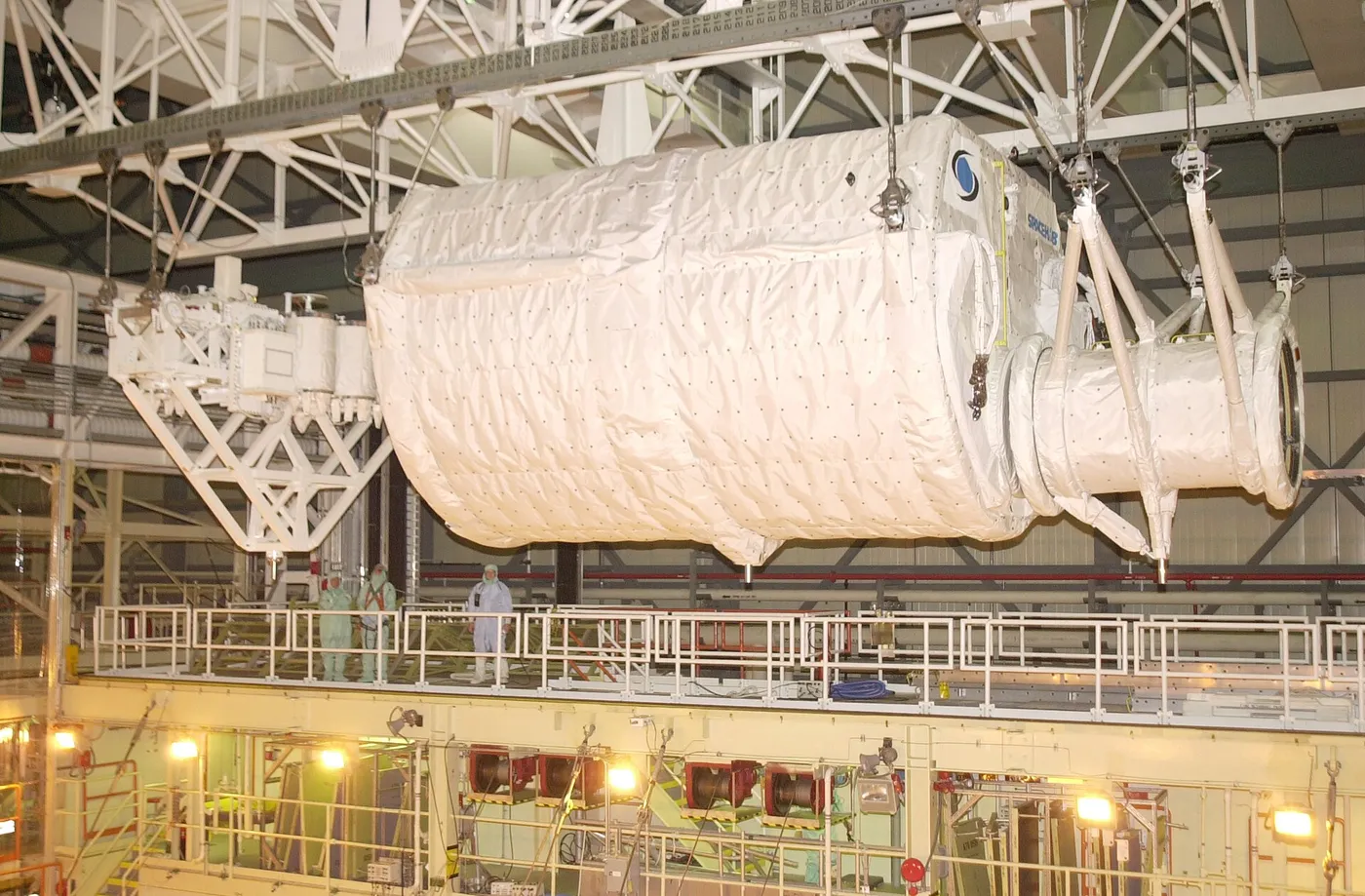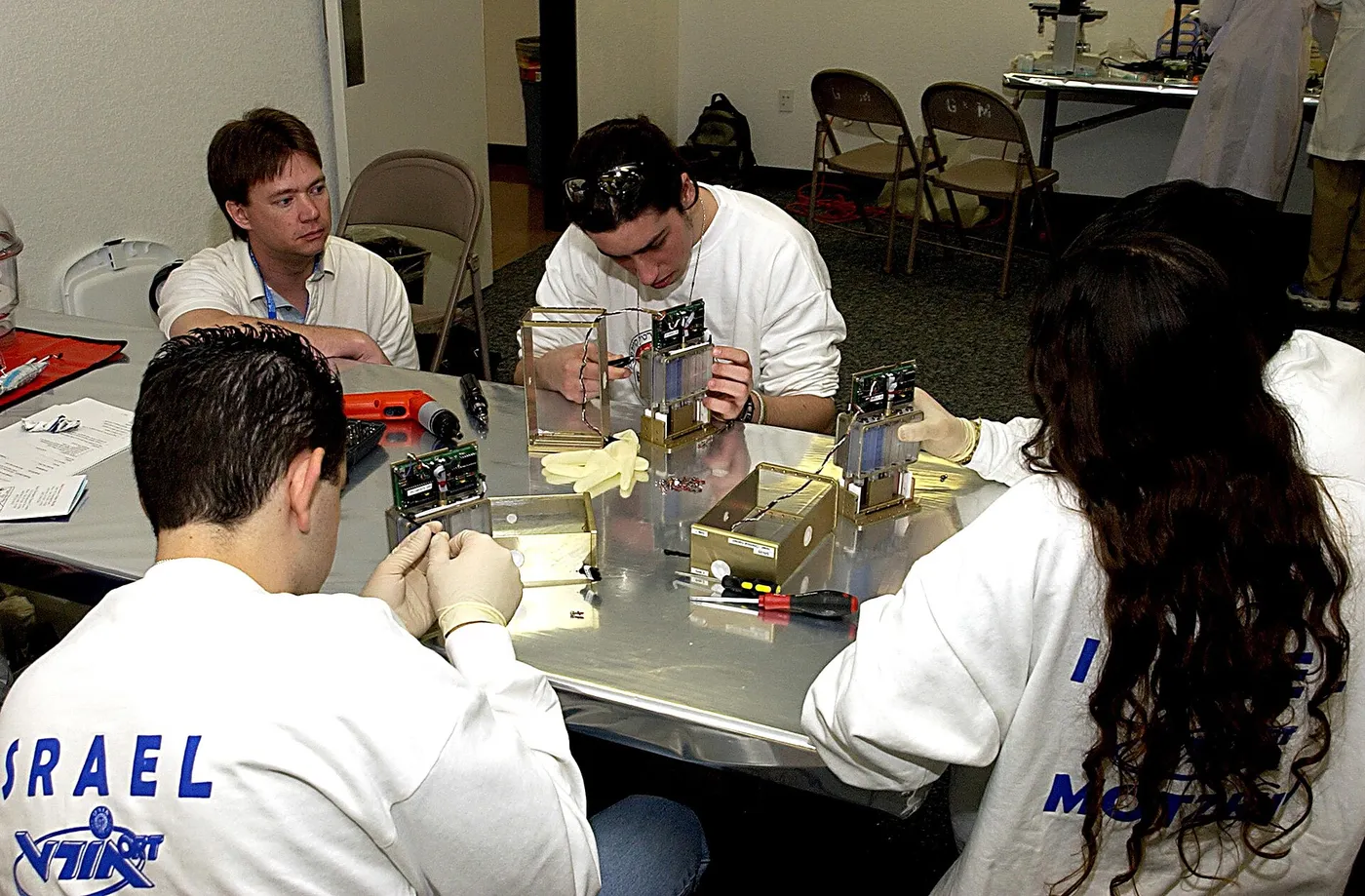
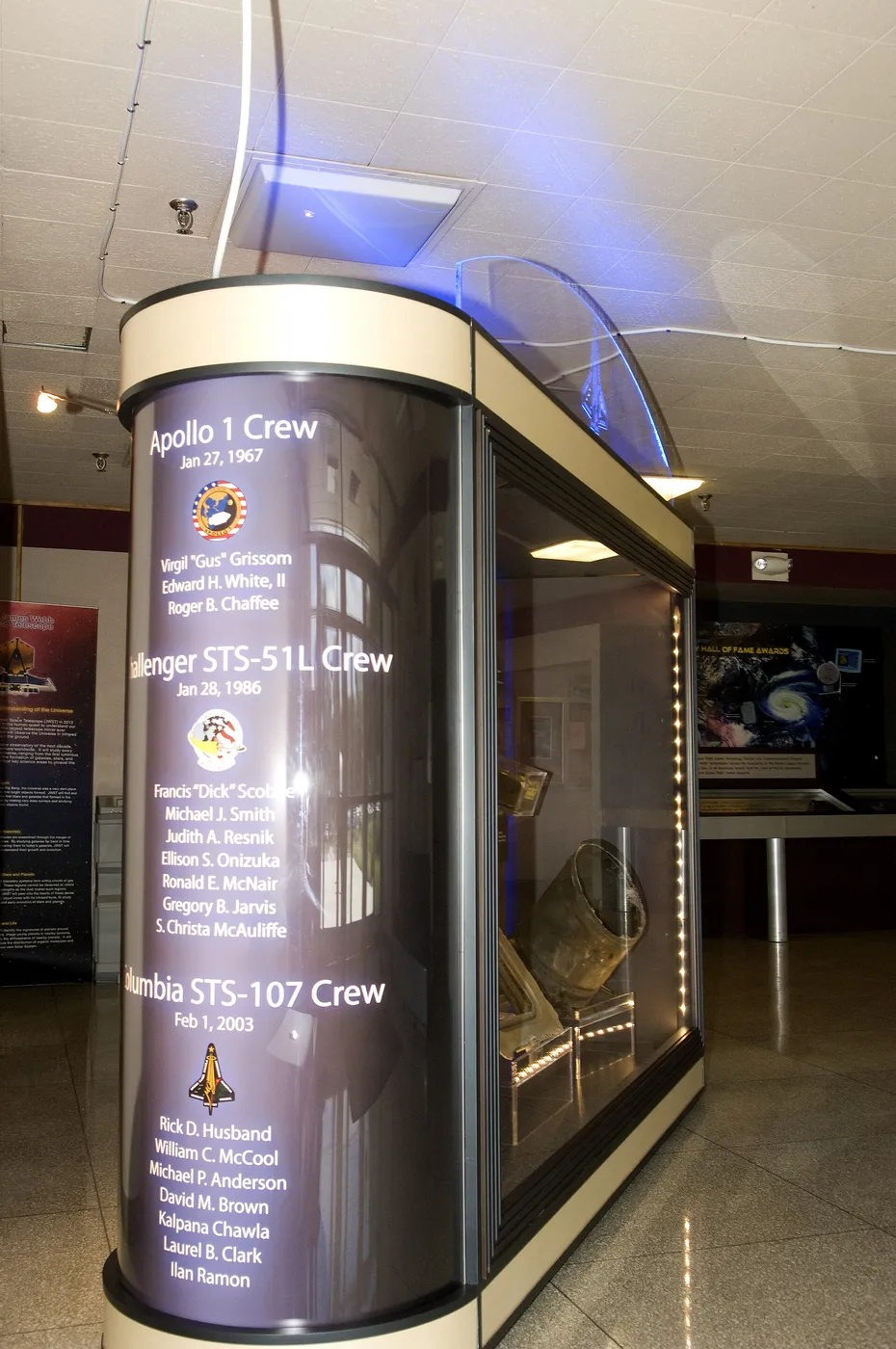

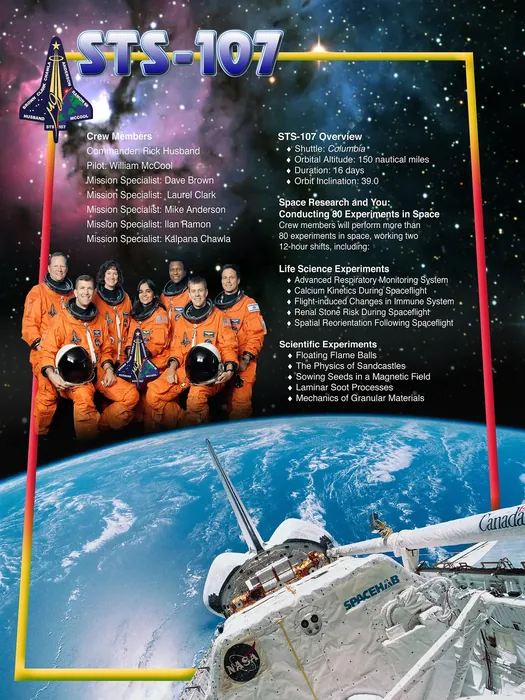
Columbia flew a dedicated science mission in January 2003, a rare flight of the era not bound for the space station. For sixteen days the crew of seven worked around the clock in two shifts inside a research module, running some eighty experiments in medicine, biology, materials and combustion. The international crew included Ilan Ramon, the first Israeli astronaut, who carried mementos of the Holocaust into orbit.
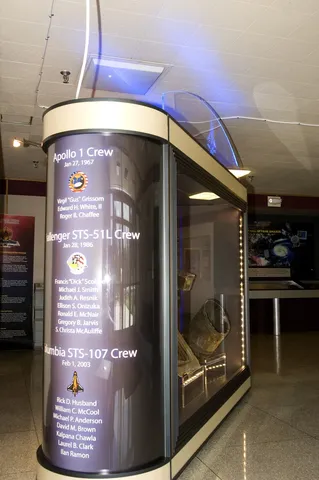
The science went well, but the mission was doomed by an event at launch: a piece of insulating foam had broken off the external tank and struck the orbiter's wing, punching a hole in its heat shield. On 1 February, during the fiery return through the atmosphere, hot gases entered the breach and destroyed the wing, and Columbia broke apart over Texas, killing all seven aboard.
The disaster grounded the fleet, halted station assembly and prompted a searching investigation that, like Challenger's before it, found technical failure entangled with organisational complacency. The loss ultimately sealed the Shuttle's fate, setting in motion the decision to retire the fleet once the station was finished — and reshaping how NASA weighed the risks its people faced.
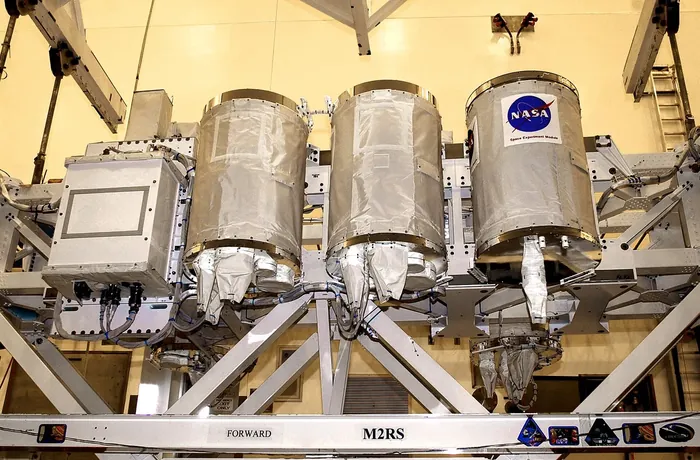
The crew never knew. Eighty-two seconds after launch a piece of insulating foam the size of a briefcase broke off the external tank and struck the leading edge of the left wing at some 800 kilometres per hour, punching a hole in the reinforced carbon panel that protected it from re-entry heat. Engineers who saw the strike on film asked three times for military telescopes to photograph the orbiter in orbit; managers, judging foam shedding a known and accepted nuisance, turned the requests down. The crew were told about the strike and assured it posed no danger, and spent sixteen days running some eighty experiments in a laboratory module.
Among the seven was Ilan Ramon, Israel's first astronaut and the son of an Auschwitz survivor, who carried with him a small Torah scroll that had been smuggled through Bergen-Belsen and a pencil drawing of the Earth seen from the Moon, made by a fourteen-year-old boy named Petr Ginz who died at Auschwitz. On 1 February 2003 hot gas entered the wing during re-entry and Columbia broke apart over Texas, scattering debris across two states; more than 84,000 pieces were eventually recovered by thousands of volunteers walking the ground in lines. The accident board found the physical cause in the foam and the deeper cause in an organisation that had, once again, grown used to a danger it had decided to tolerate.