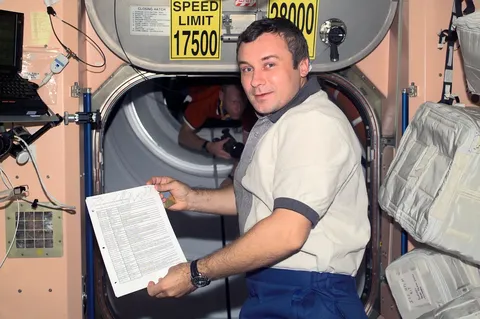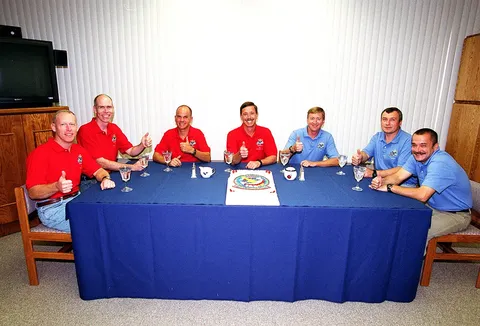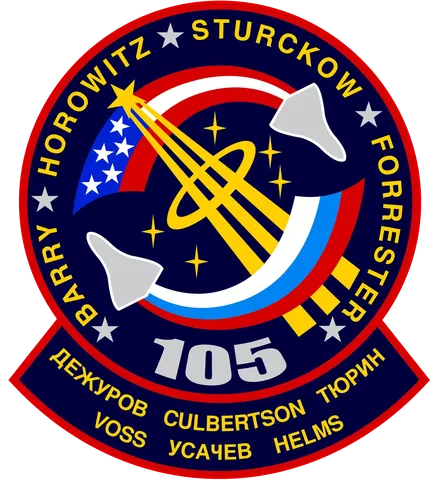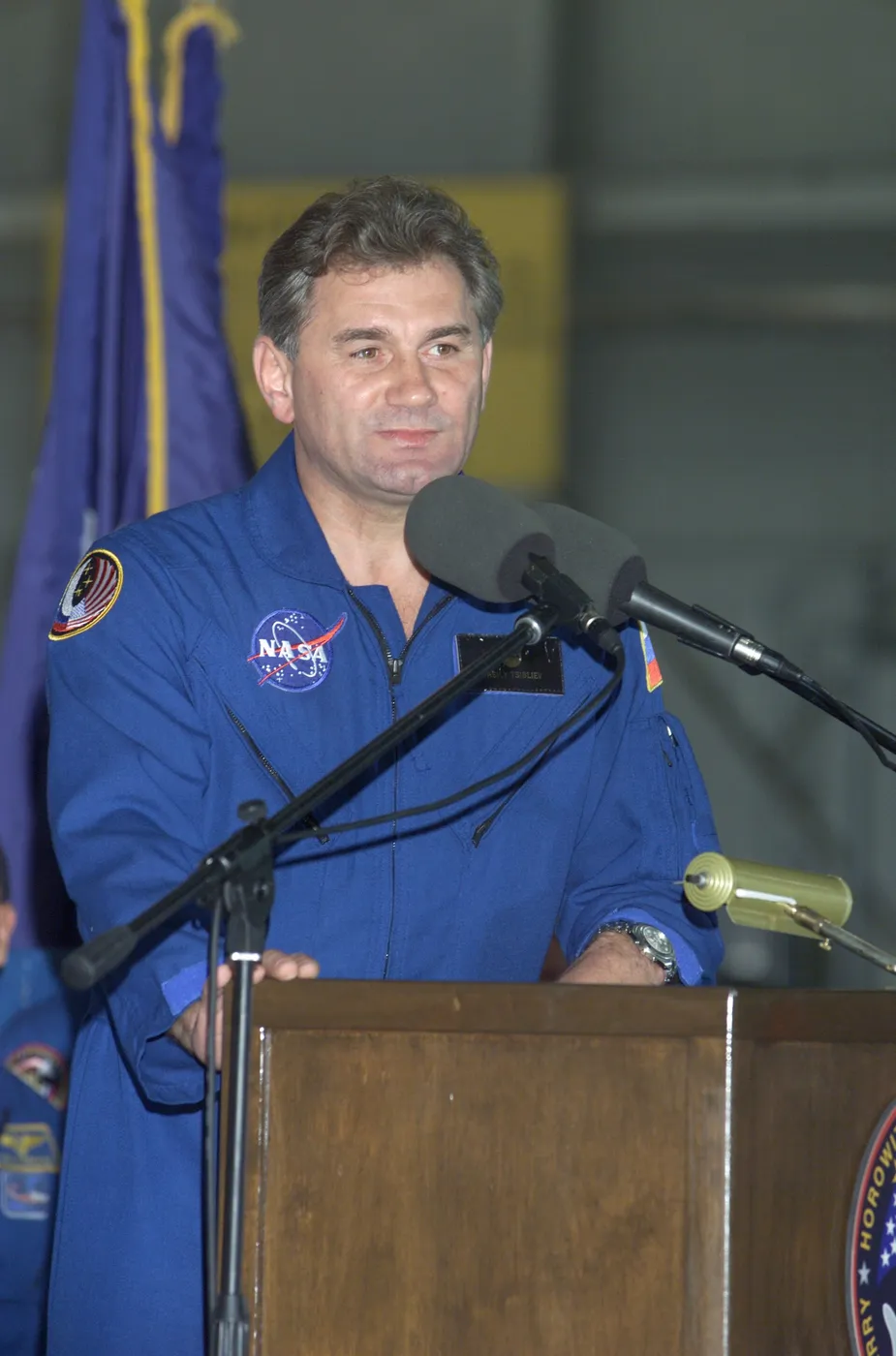
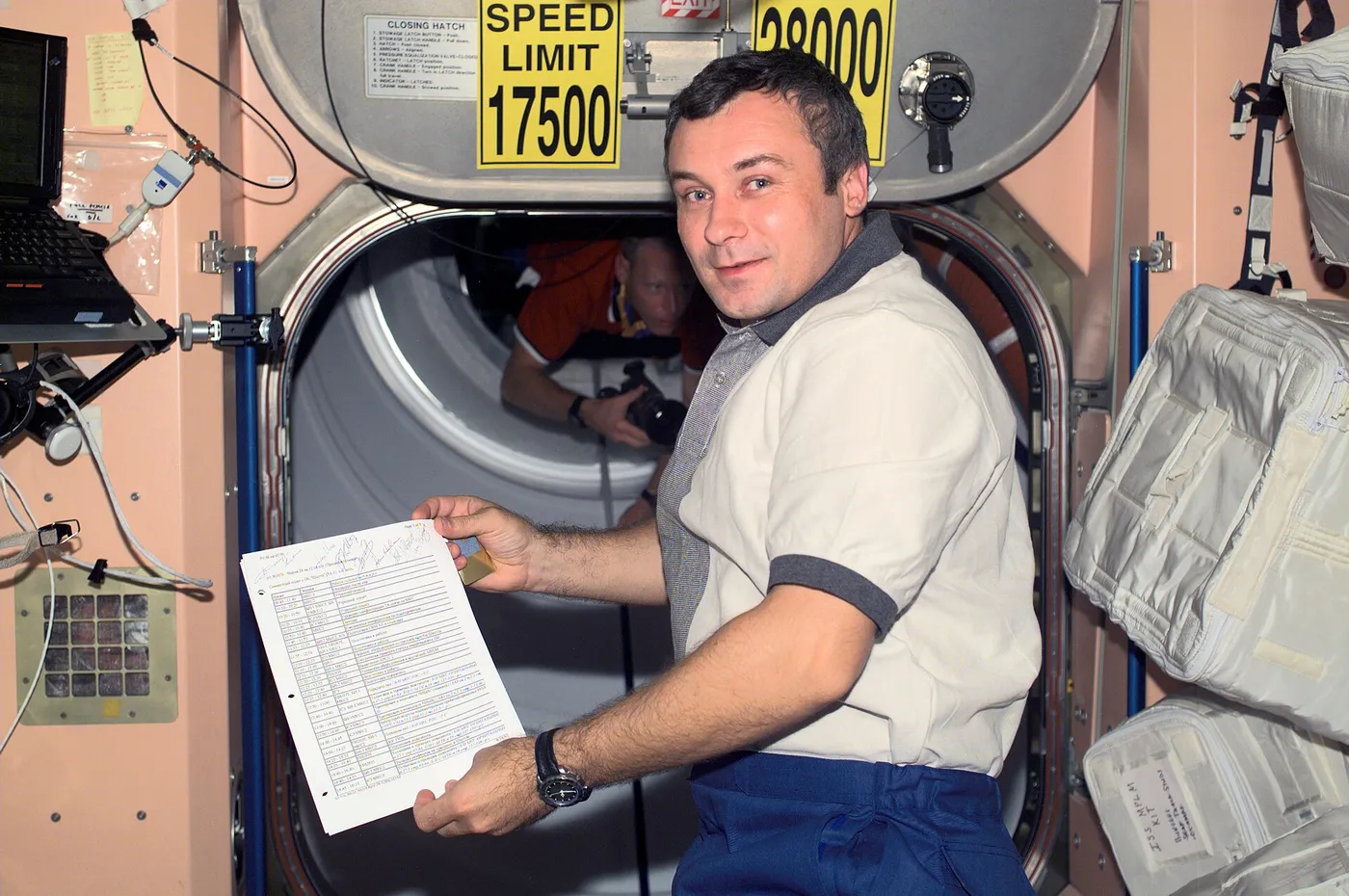
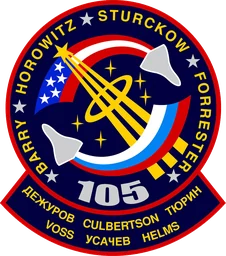
Discovery rotated the station's crew and delivered supplies in August 2001, swapping the second resident expedition for the third in the steady rhythm of habitation. The mission brought home the crew that had spent the summer aboard and delivered their replacements to continue the continuous human presence.
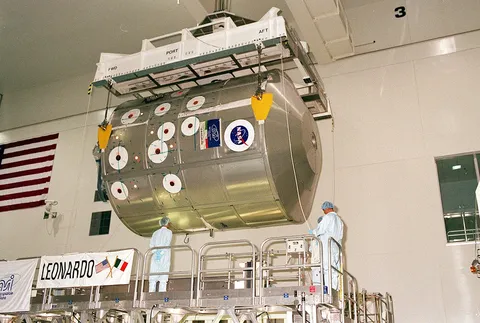
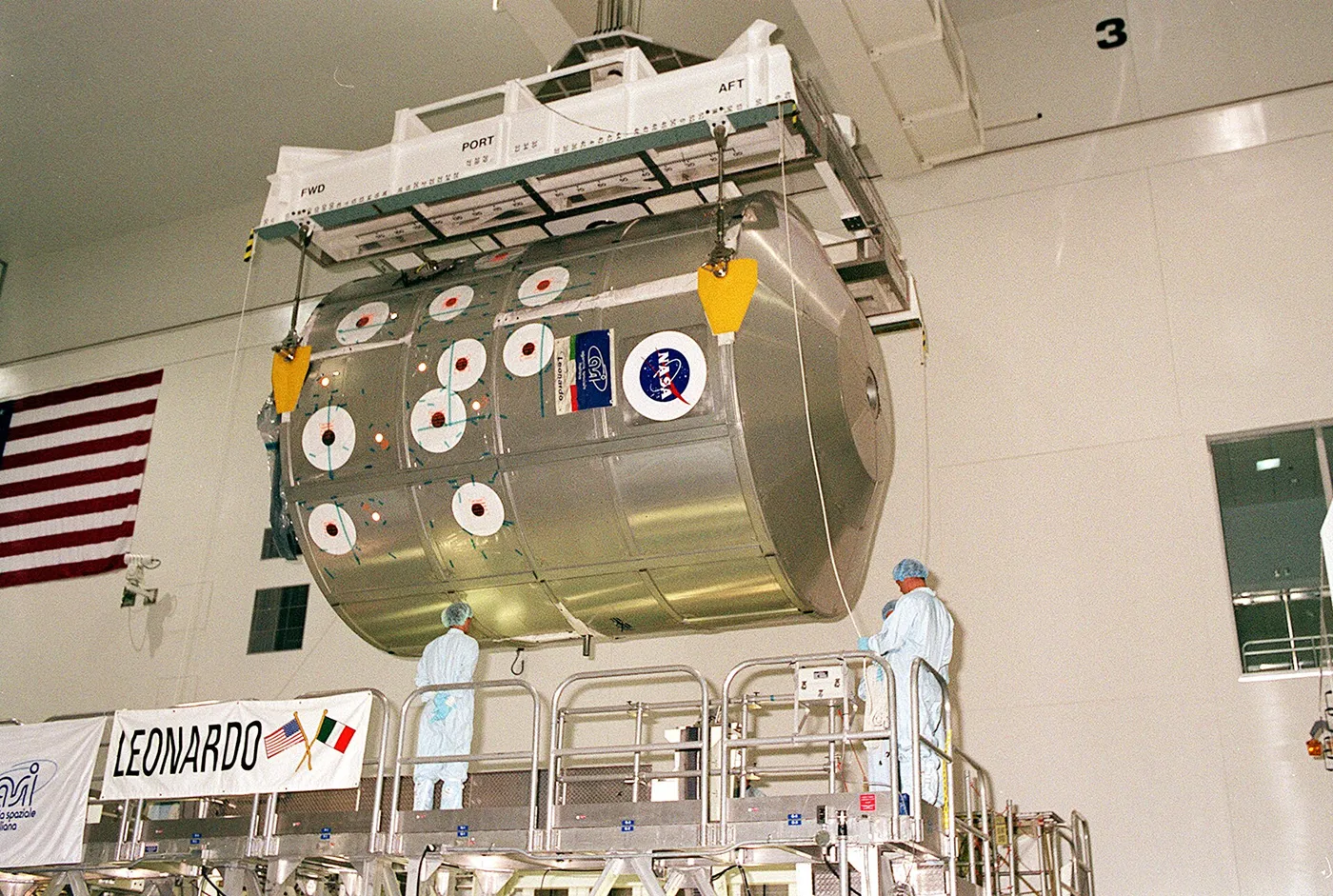
An Italian cargo module carried in the bay transferred tons of equipment, experiments and provisions to the outpost, while two spacewalks installed gear on the exterior and readied the station for hardware to come. Routine by the standards of the pioneering early flights, missions like this one were the quiet backbone of the station program — the regular ferrying of people and supplies that kept the laboratory staffed and stocked while larger assembly flights bolted on new modules and trusses.
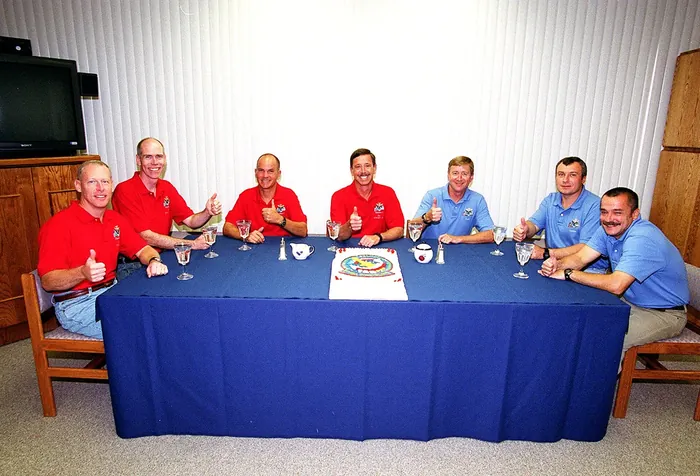
Discovery exchanged the station's second crew for its third in August 2001, delivering Expedition 3 and bringing home Expedition 2 after five months. By now the pattern was established — a Shuttle every few months carrying people, a logistics module carrying everything else — and it was working.
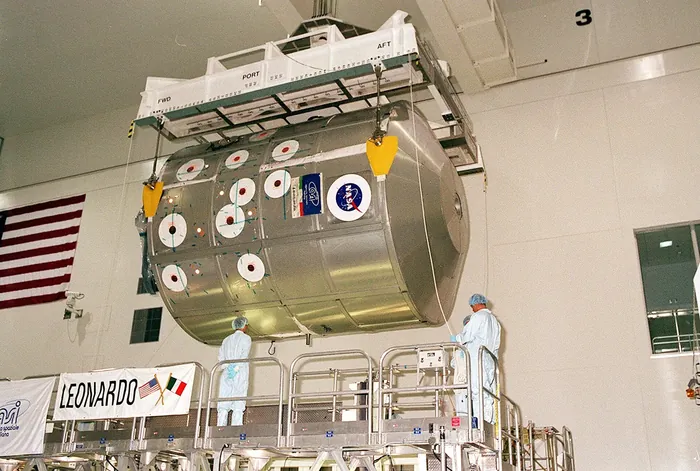
The Leonardo module came up loaded with science racks, an exercise cycle, and a mass of spares, and went home full of rubbish and completed experiments. Two spacewalks installed an ammonia servicer for the cooling system and mounted experiment packages on the hull to measure the station's environment.
The crew also completed the routine that made rotations sustainable: weeks of overlapping handover, in which the departing residents walked their replacements through every idiosyncrasy of a machine that no documentation entirely captures. It is the same practice that keeps lighthouses, ships and research stations running, transplanted 400 kilometres up.