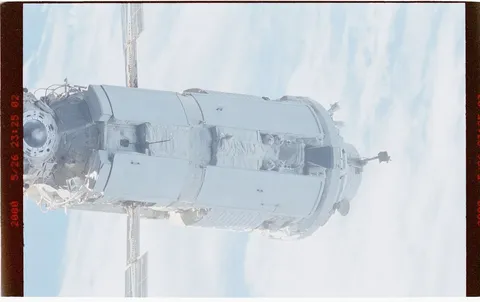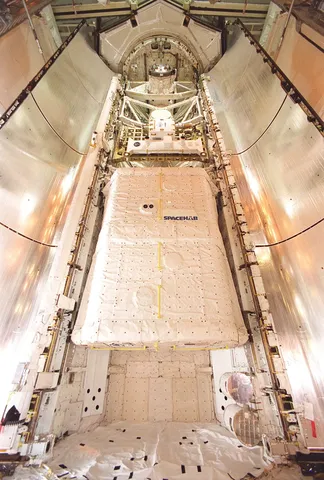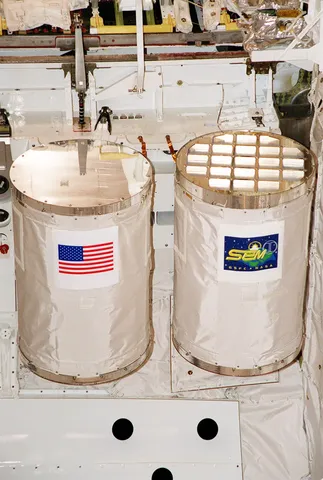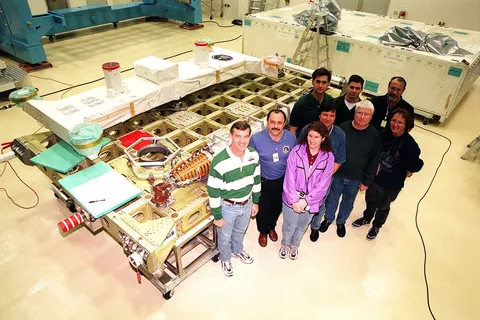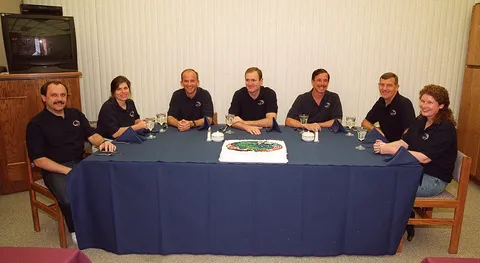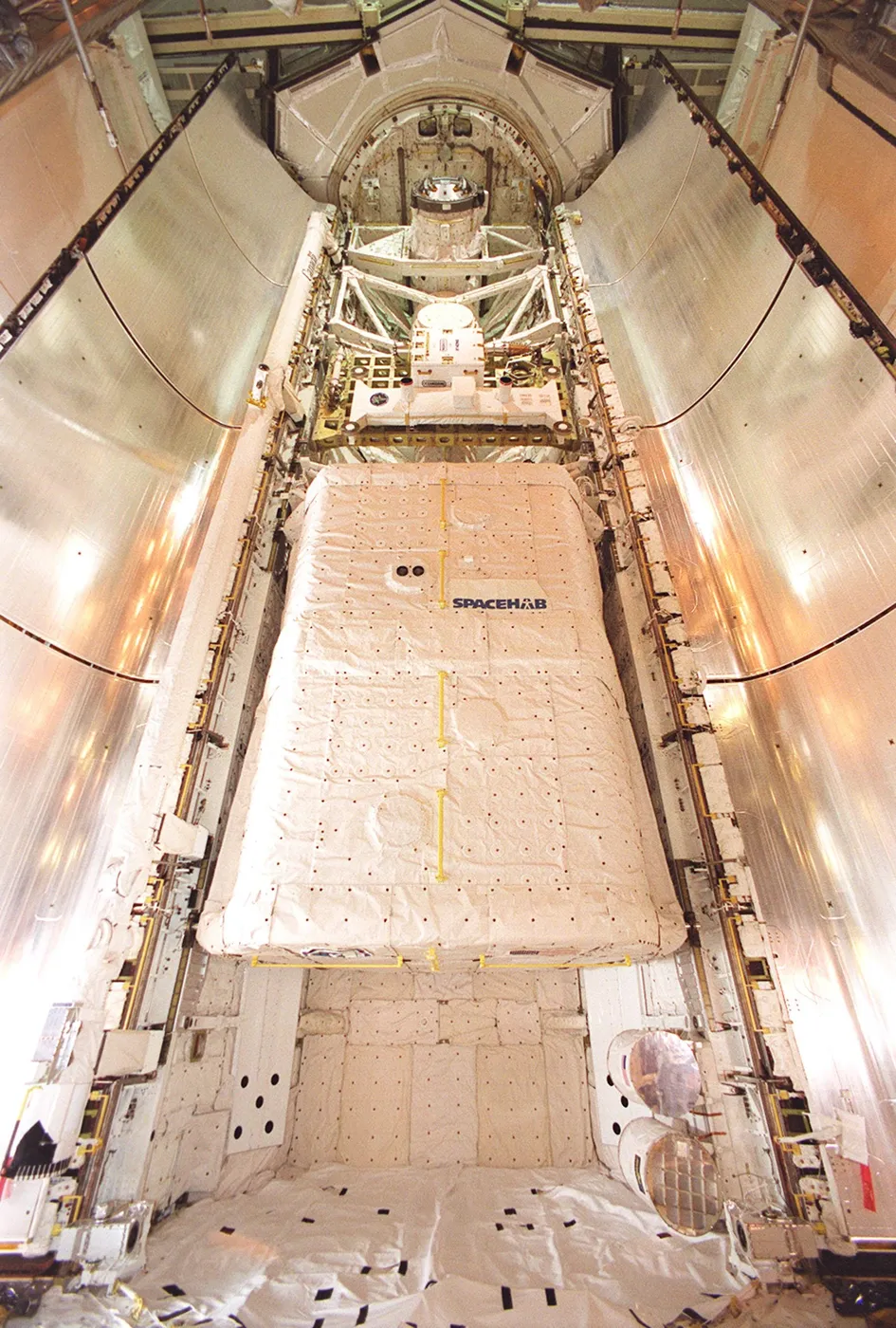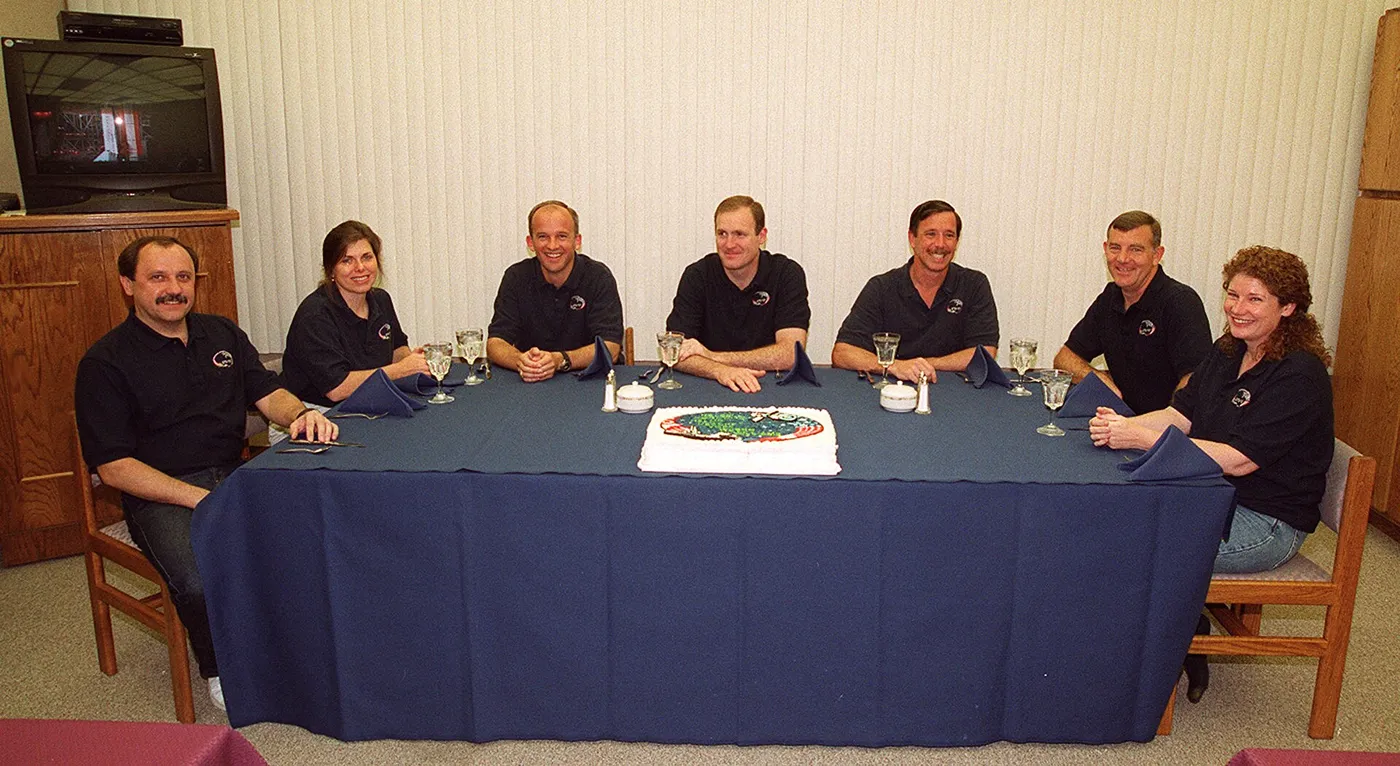
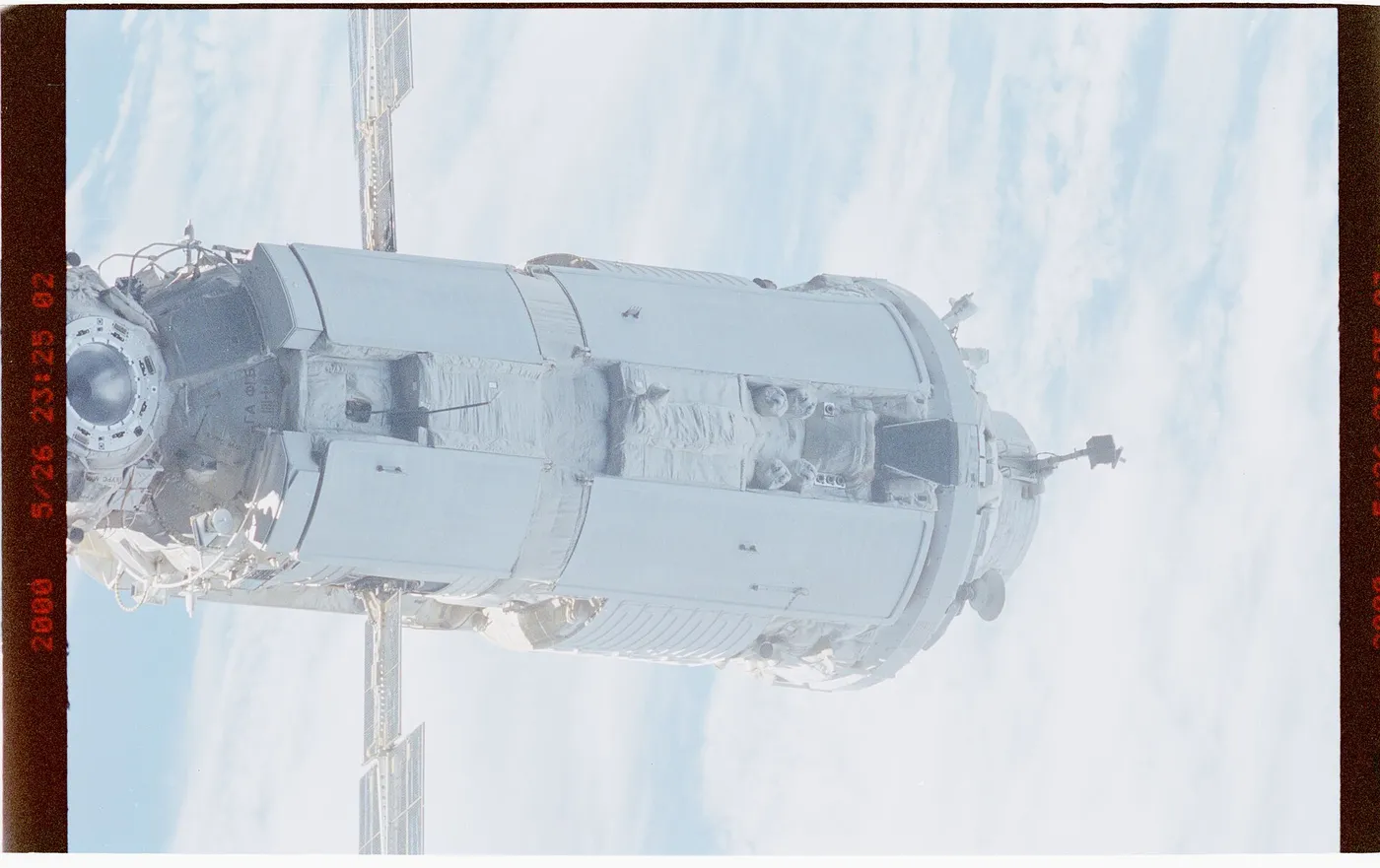

Atlantis flew to the International Space Station in May 2000 to make repairs and preparations before its first crew moved in. The two-module outpost had been waiting in orbit while the arrival of its Russian service module slipped, and it needed maintenance to stay healthy. The crew of seven replaced failing batteries and electronics inside and boosted the station to a higher orbit.
A spacewalk secured a crane and other hardware left loose on the exterior by earlier flights. The mission also marked the debut of the Shuttle's modernised "glass cockpit," replacing banks of old dials with flat electronic displays. In tidying and resupplying the station ahead of permanent habitation, STS-101 helped bridge the gap until the outpost was ready to receive its first long-duration crew later that year.
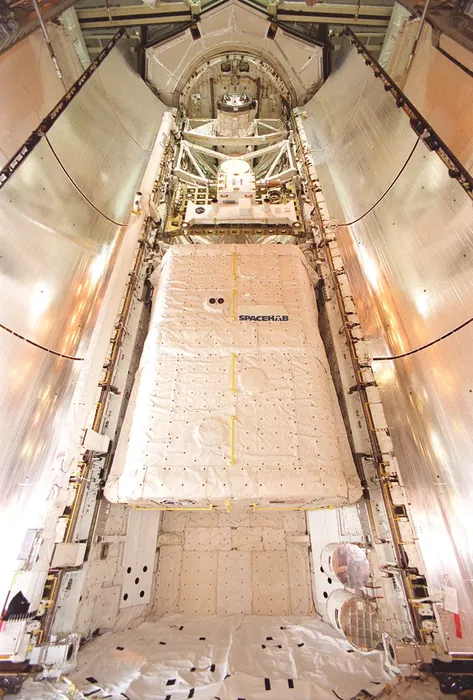
This was a repair call. By early 2000 the still-uninhabited station had been in orbit eighteen months, its Russian service module was badly delayed, and hardware aboard Zarya was failing — four of its six batteries were dead or dying, a vent had jammed, and the orbit had decayed further than planned.
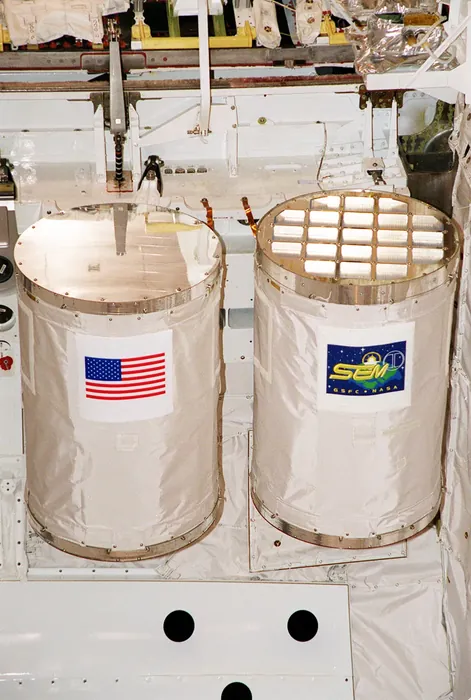
Atlantis went up to fix all of it: replacing batteries and their charge controllers, installing new fire extinguishers and smoke detectors, fitting parts of the Russian crane, and firing the orbiter's thrusters repeatedly to raise the station's altitude by some 40 kilometres. James Voss and Jeff Williams made a nearly seven-hour spacewalk to secure a crane and replace an antenna.
The flight was also the first to fly the glass cockpit — eleven flat-panel displays replacing the electromechanical instruments and cathode-ray tubes the orbiters had carried since 1981, cutting weight and power and finally letting the crew see information in a form designed after the 1970s.