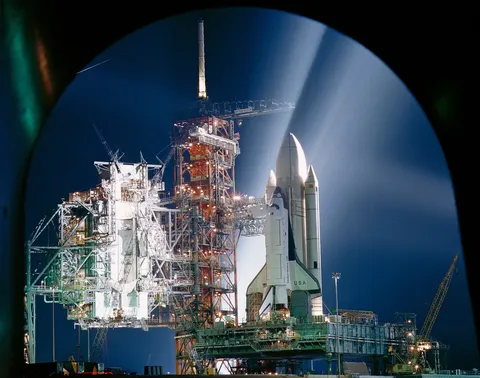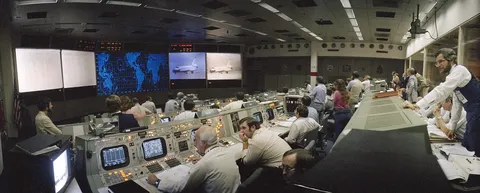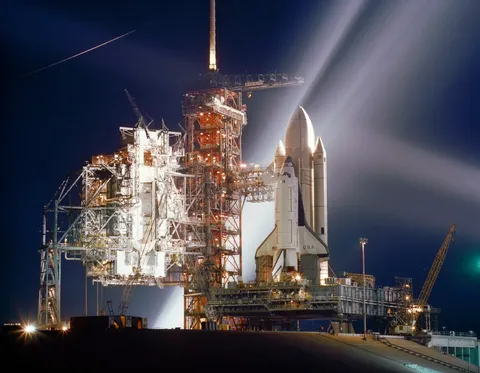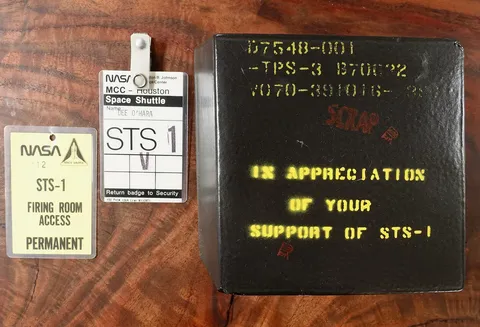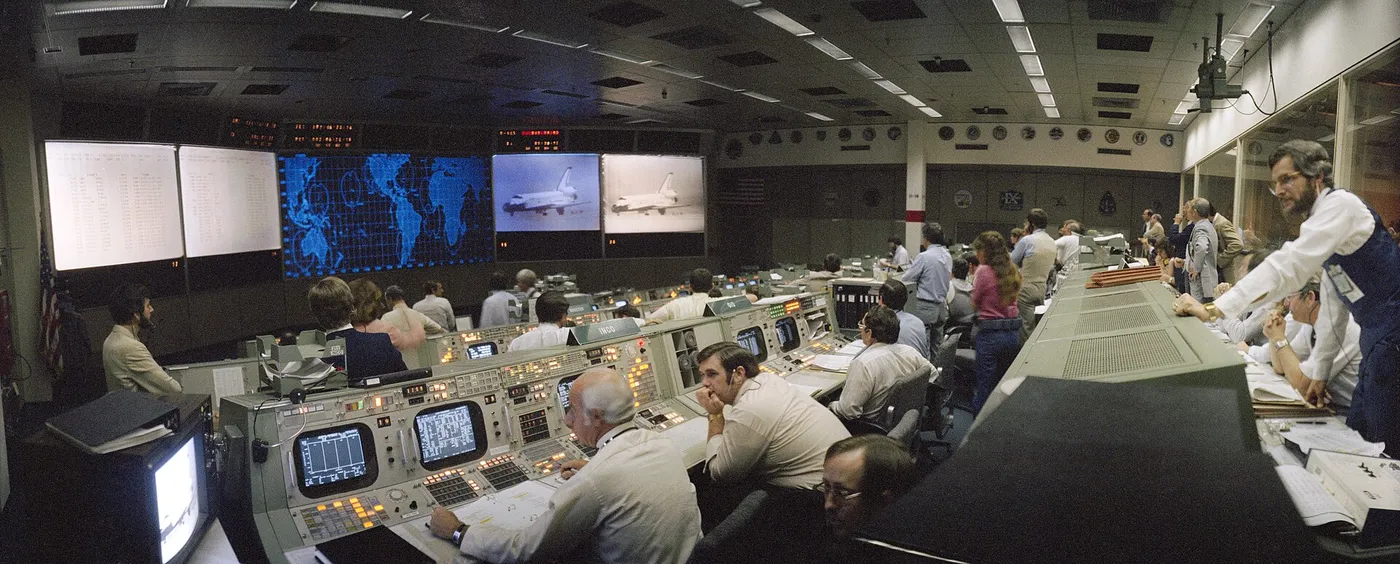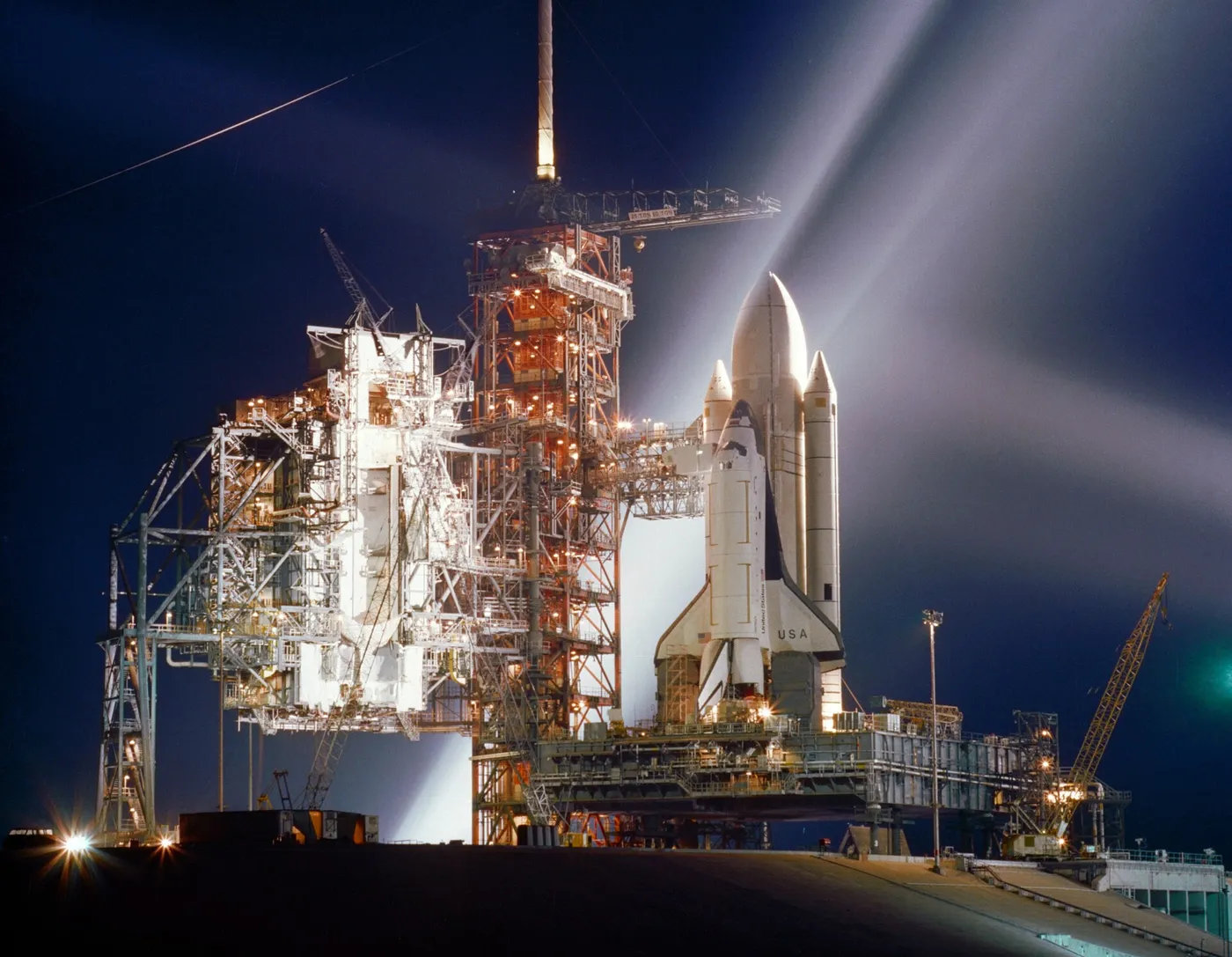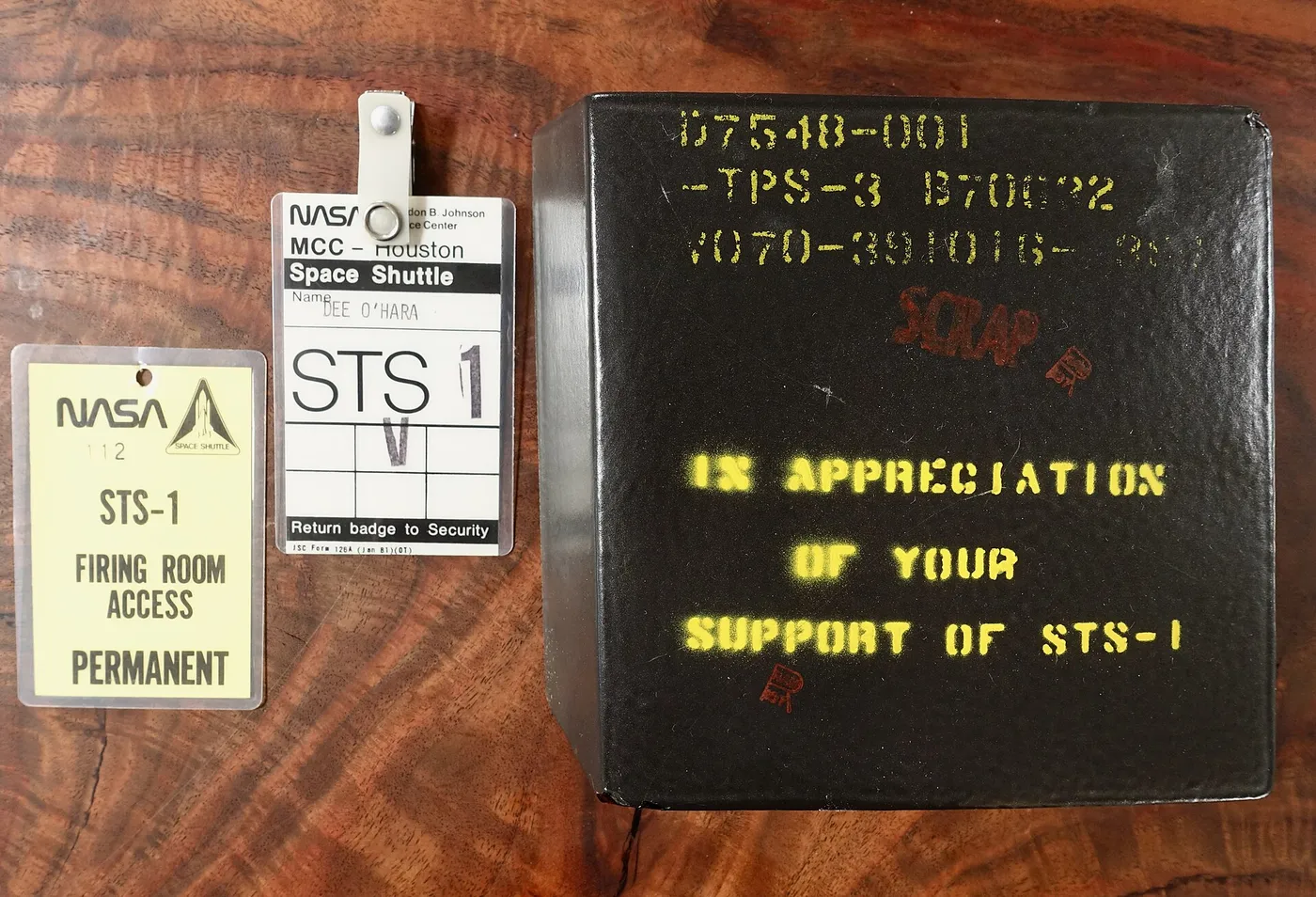
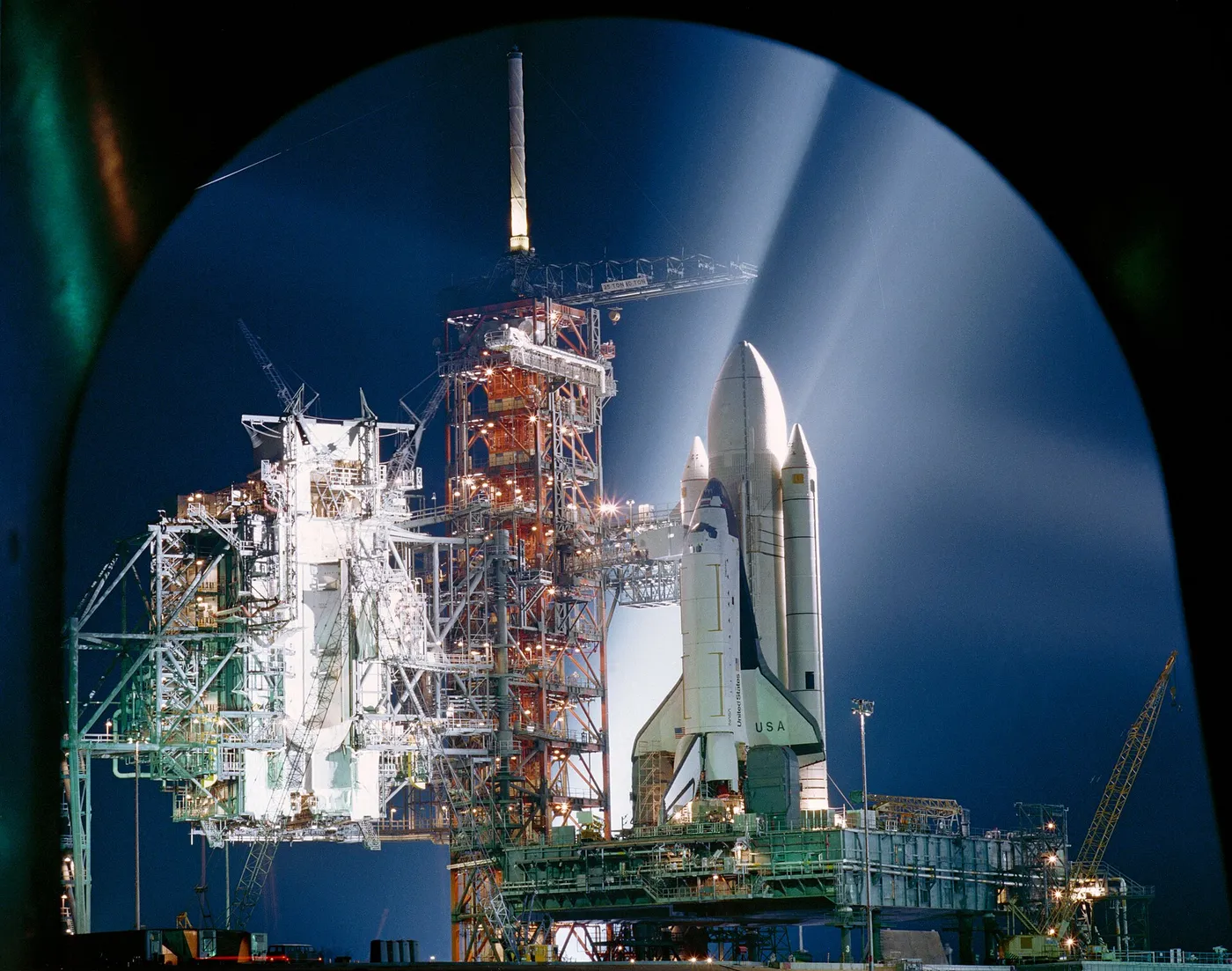

When Columbia lifted off on 12 April 1981, no crew had ever ridden a brand-new spacecraft on its very first flight into orbit. Every earlier vehicle had been tested unmanned first; the Shuttle was too complex and too reliant on its pilots to fly that way. So John Young, already a veteran of the Moon, and rookie Robert Crippen strapped into a machine whose thermal tiles, engines and gliding return had never been proven in space.
The date was no accident either, falling twenty years to the day after Gagarin became the first human in orbit. Columbia circled the Earth thirty-six times over two days while the crew checked out its systems and opened the huge payload-bay doors. The gamble paid off with a clean touchdown on the dry lakebed at Edwards, proving the central promise of the programme: that a winged spacecraft could reach orbit and glide home to a runway.

What the crew did not know was how close the launch came to breaking the vehicle. At ignition the exhaust rebounded off the pad and slammed a pressure wave back into Columbia, buckling a strut on the orbital manoeuvring pods and driving the body flap far beyond its design limits. Had Young known during the climb, he said later, he would have reached for the ejection handle — the flap controlled the ship's pitch on re-entry, and by the numbers it should have been ruined. It was not, and the pad was rebuilt with water suppression before anyone flew again.
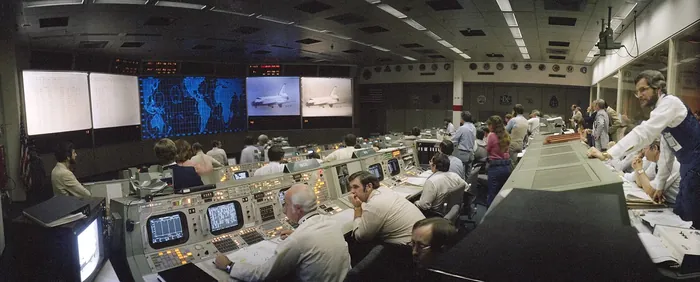
The tiles were the other terror. Sixteen were missing and well over a hundred damaged, and the crew could see gaps on the pods through the cabin windows. Nobody could see the underside, where a failure would be fatal, and there was no way to inspect or repair it. Air Force cameras were quietly turned on the orbiter to look, a fact not made public for years.
The human detail that survived best is a pair of heart rates. Young, who had flown Gemini twice, walked on the Moon and was strapped to the first flight of an untested spaceship, registered about 85 beats a minute at liftoff. Crippen, a rookie, hit around 130. Asked about it afterwards, Young offered the explanation of a man who had run out of ways to be frightened: he was simply too old for his heart to go any faster.