
The Sun had never been seen in three dimensions. Every image ever taken was from essentially one viewpoint — Earth's — which meant that a cloud of plasma launched towards us looked much like one launched away, and forecasting space weather involved a great deal of guesswork.
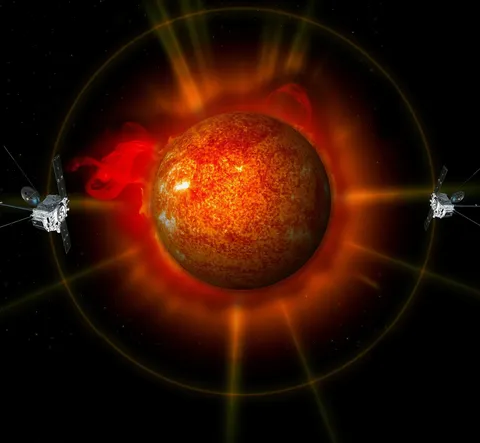
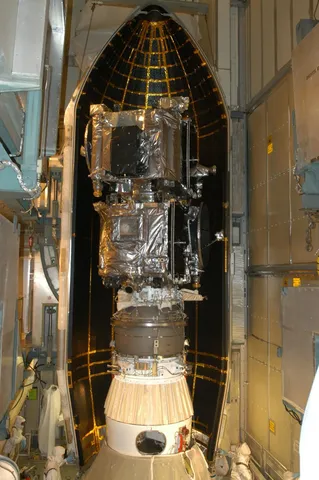
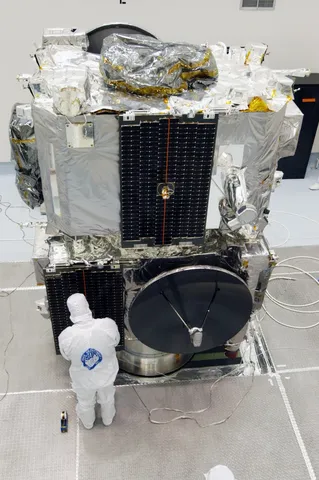
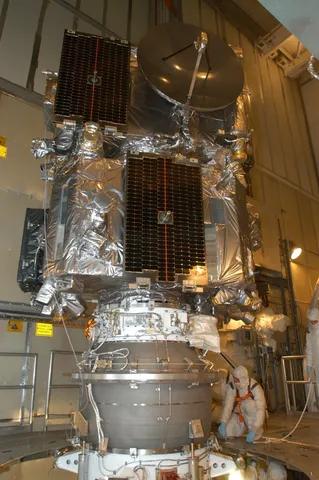
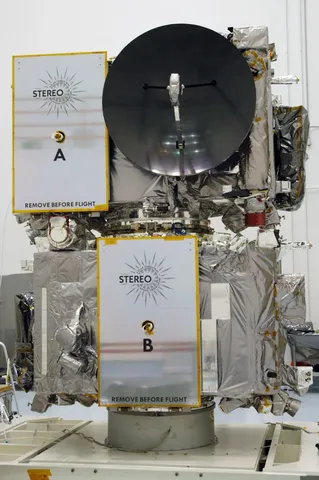
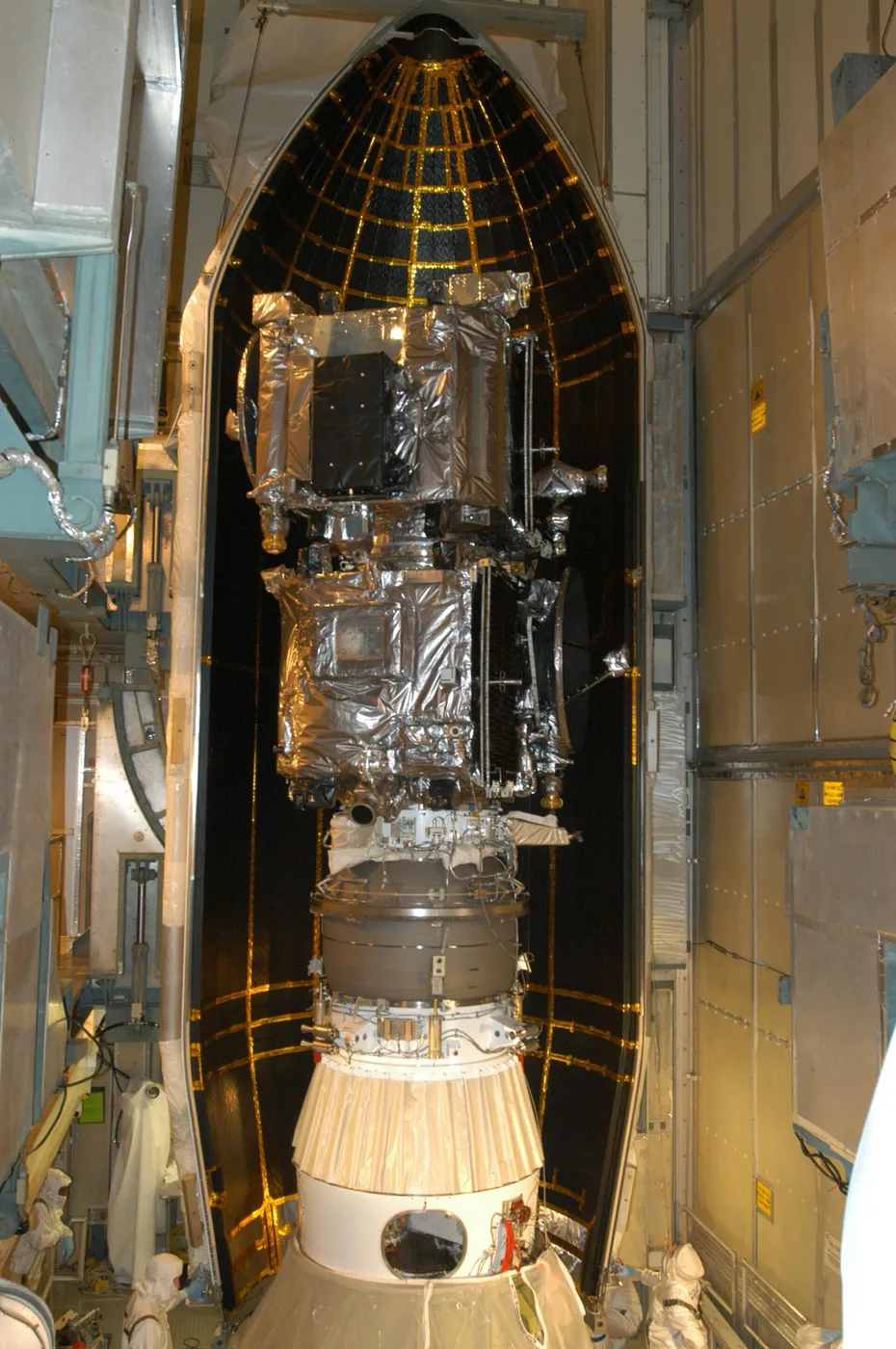
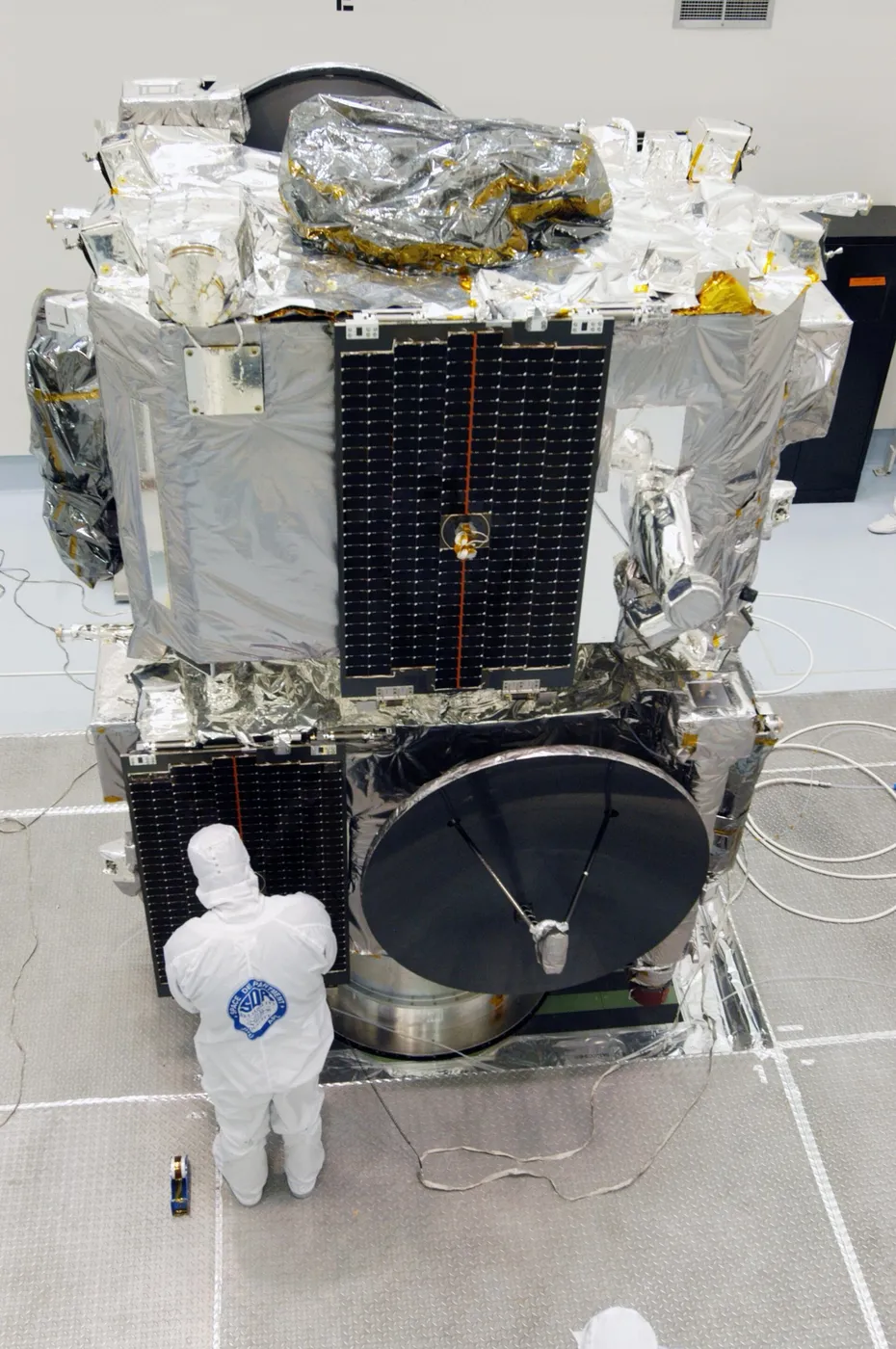
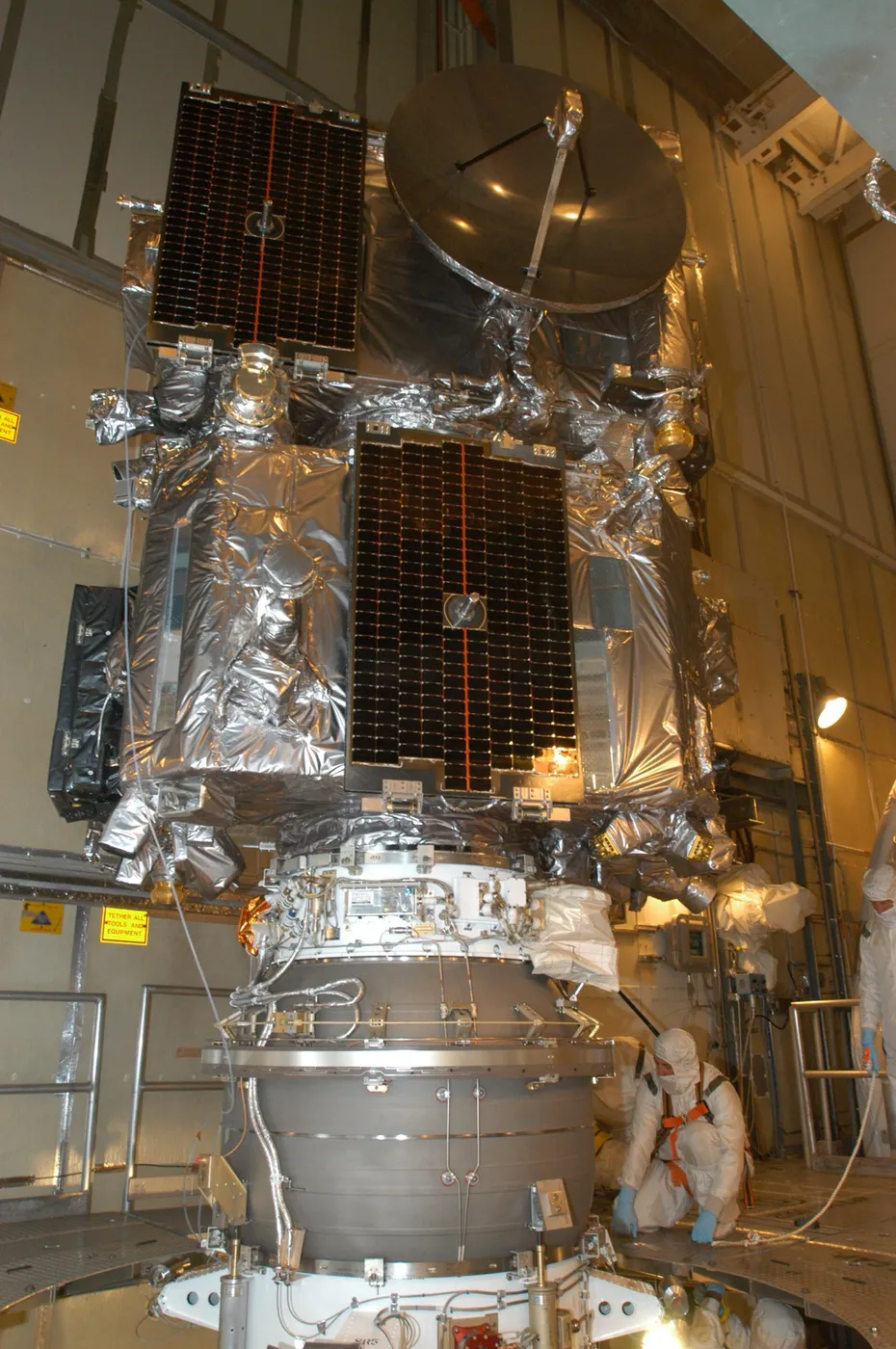
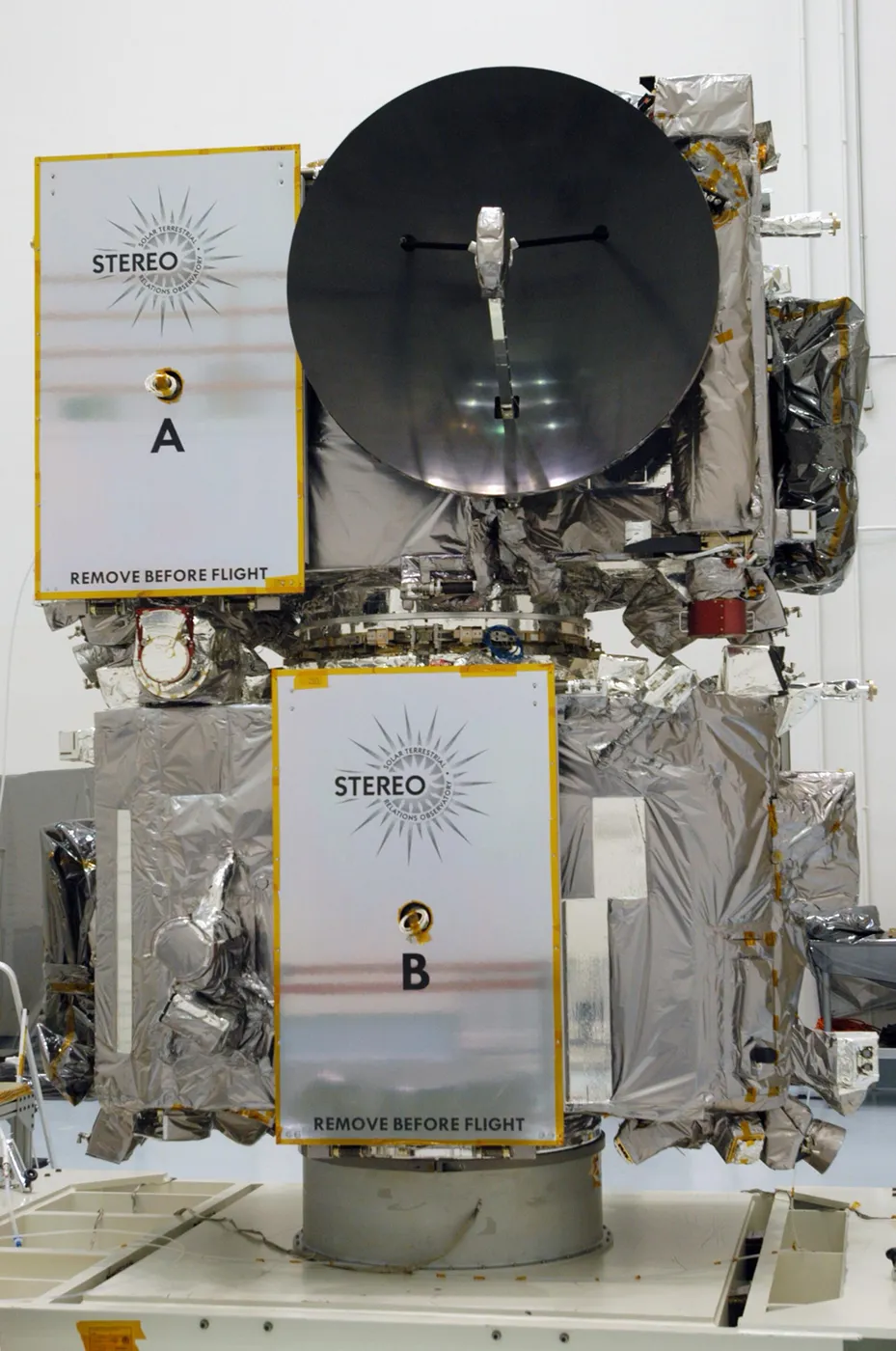
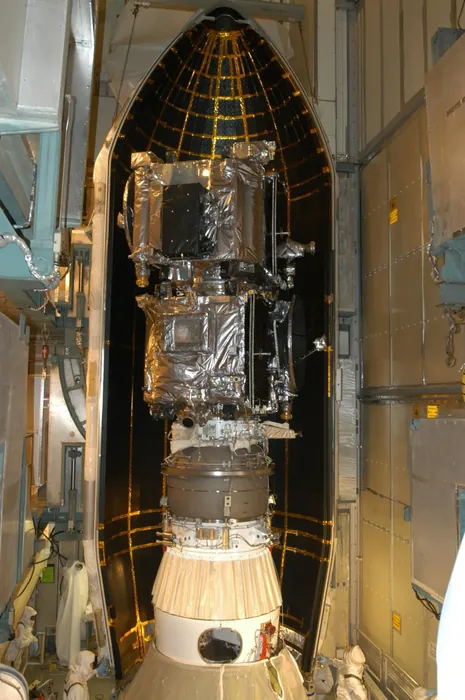
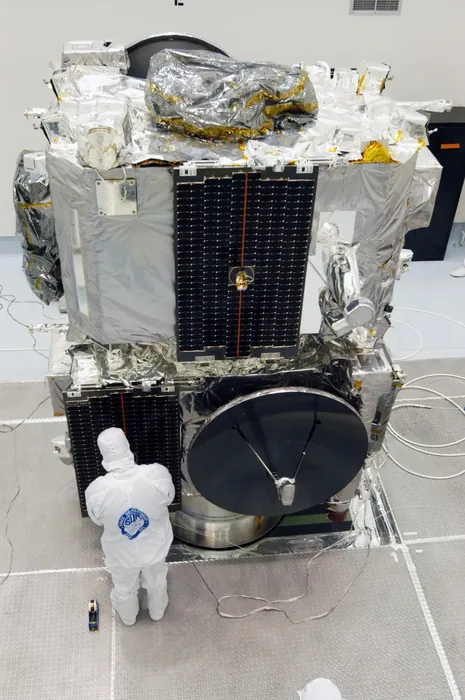
STEREO solved that with two identical spacecraft placed in orbits around the Sun slightly faster and slightly slower than Earth's, so that one drifted ahead and the other behind, opening a widening stereoscopic baseline. Within a couple of years they could image coronal mass ejections in genuine three dimensions and track them all the way from the Sun to Earth.
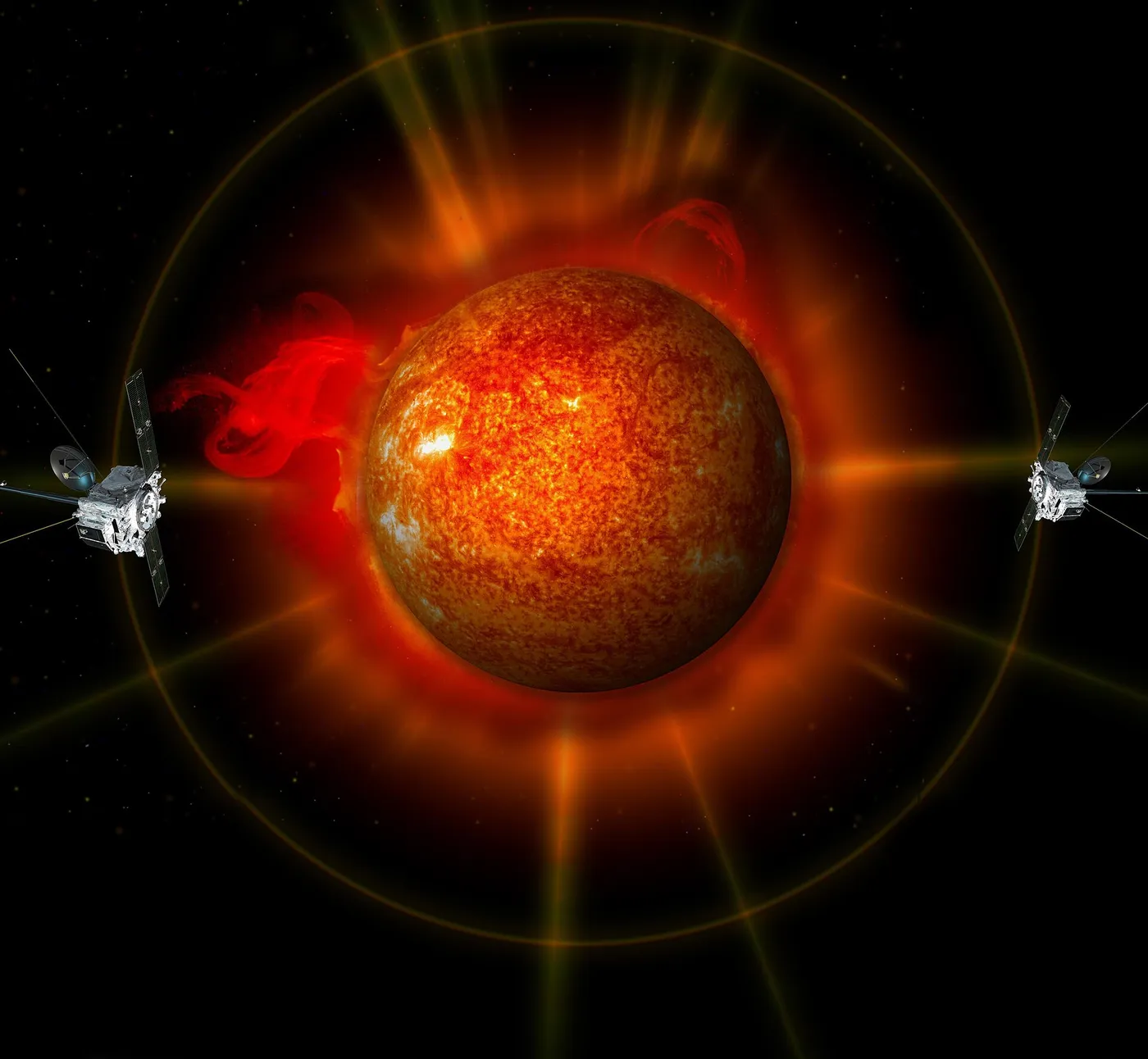
In February 2011 the pair reached 180 degrees apart, and for the first time in history the entire Sun — both hemispheres at once — was under continuous observation. Active regions could be watched forming on the far side days before they rotated into view from Earth, which is of direct practical use to anyone operating satellites or power grids.
The mission also settled arguments about the structure of solar eruptions — showing them as expanding three-dimensional bubbles rather than the flat arcs that single-viewpoint images implied — and incidentally observed comets, including watching one evaporate as it dived into the Sun.
Its twin was lost in 2014 during a routine reset test, and years of recovery attempts failed. STEREO-A carried on alone, and in August 2023 it completed a full lap and passed close to Earth again after seventeen years, briefly giving solar physicists a stereo view once more with spacecraft that had never been designed to work that way.