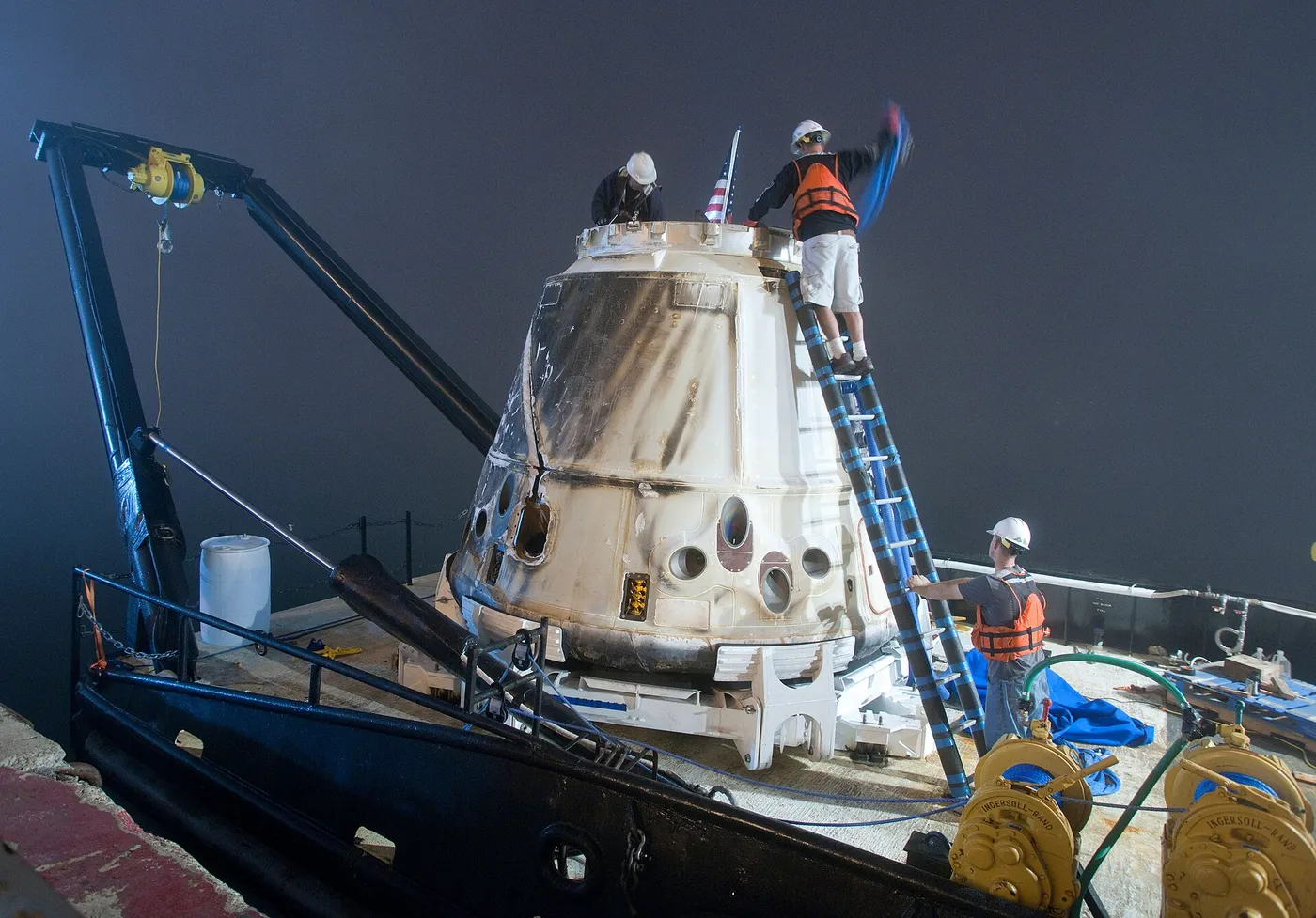

CRS-9 carried the replacement for the docking adapter lost the previous year. The International Docking Adapter converts one of the station's original Shuttle-era berthing ports into a modern automated docking interface, and without it no commercial crew vehicle could arrive.
Installing it required spacewalks by the station crew, and its safe arrival removed a schedule risk that had been hanging over the entire commercial crew programme since the launch failure.
The first stage returned to a landing zone at Cape Canaveral rather than a ship, the mission profile having enough margin for the boost-back burn — by now a routine outcome rather than an experiment.
Other cargo included a DNA sequencer, which was used shortly afterwards to sequence genetic material in orbit for the first time, and hardware for studying bone loss and heart cell function in weightlessness.
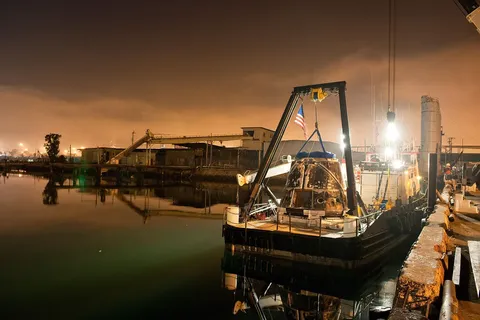
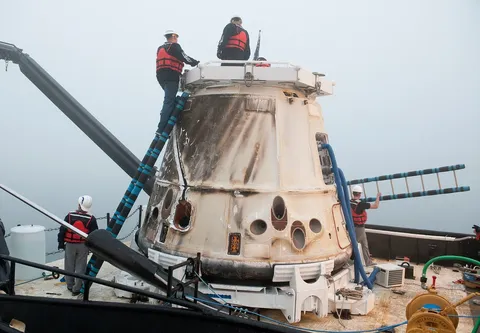
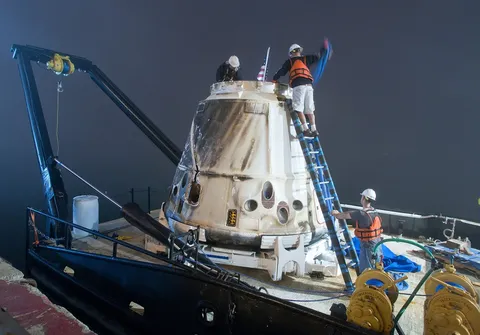
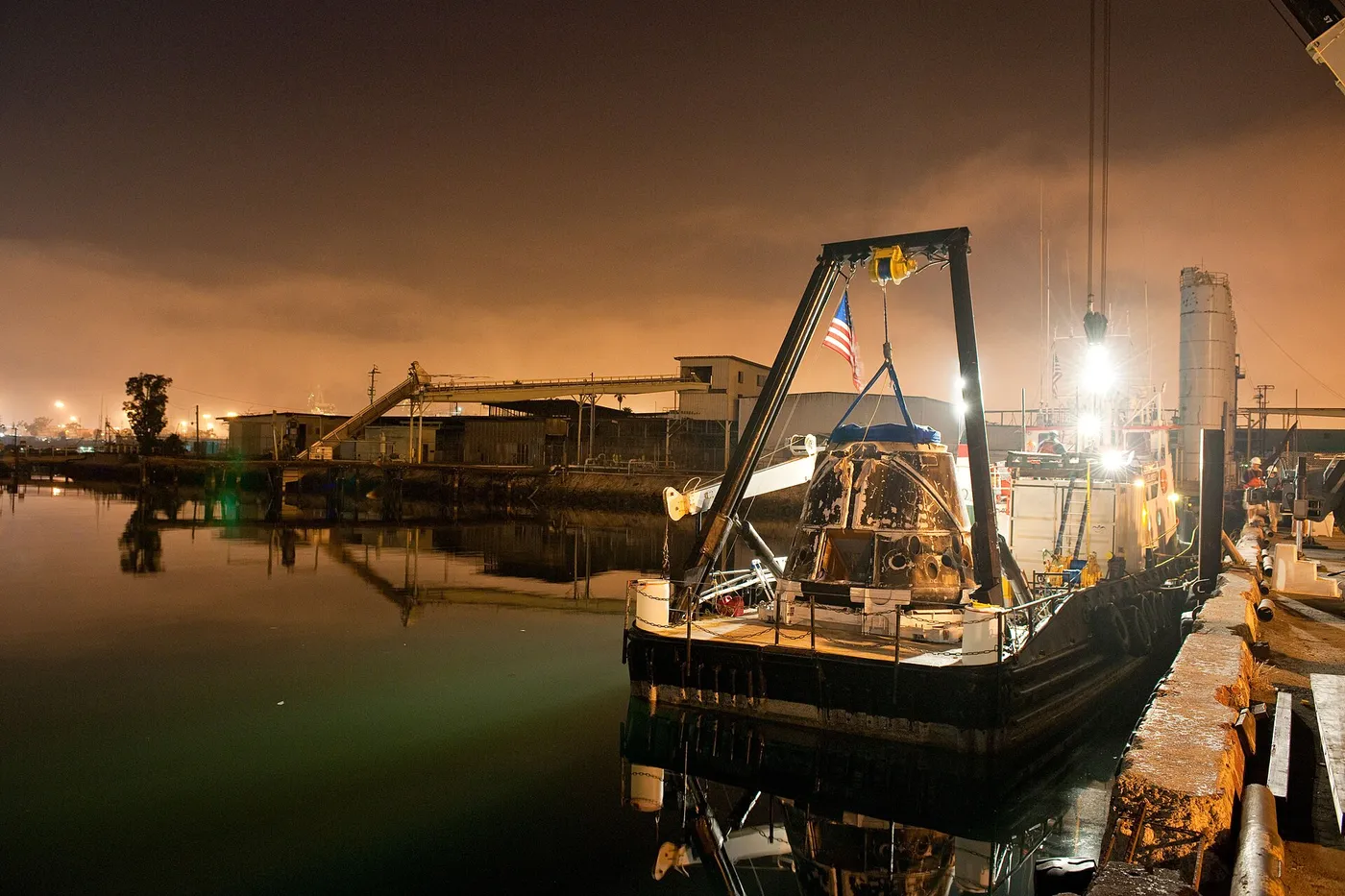
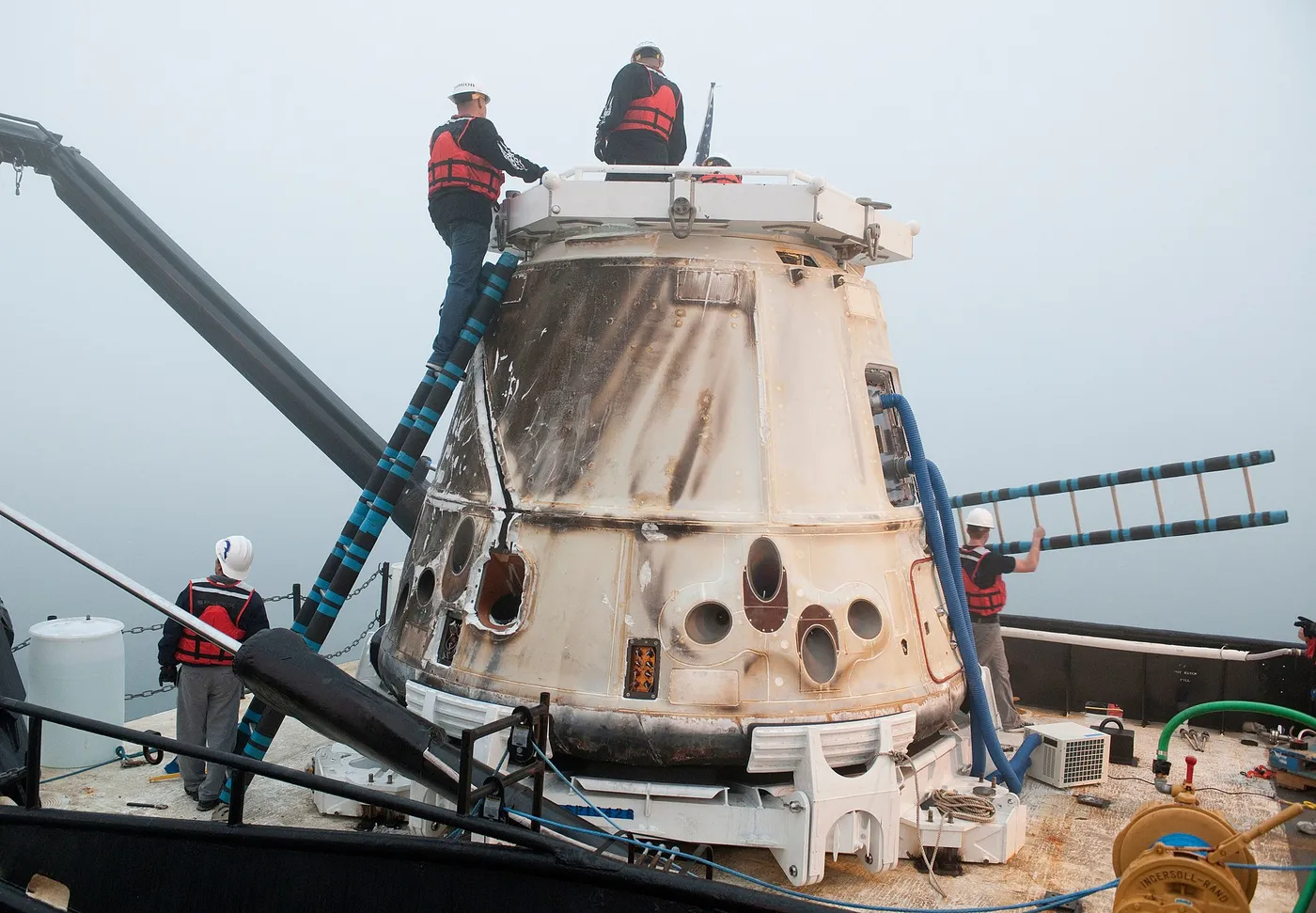
Dragon returned around 1,300 kilograms, including the sequencing results and biological samples. The flight is a fair example of how the resupply missions had become the delivery mechanism for the station's entire research programme rather than merely its groceries.