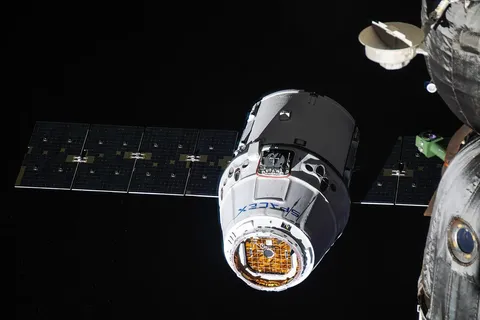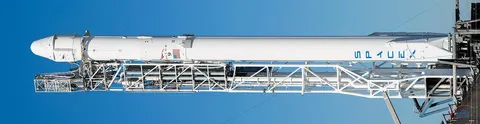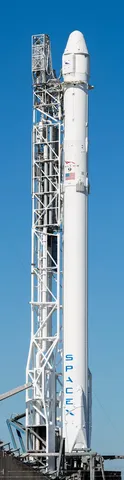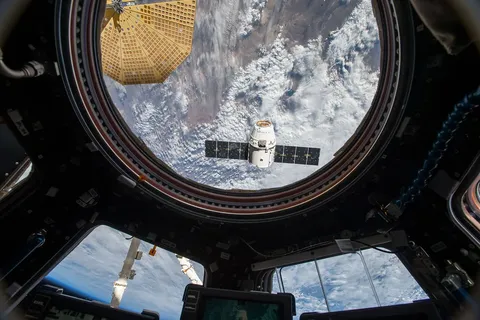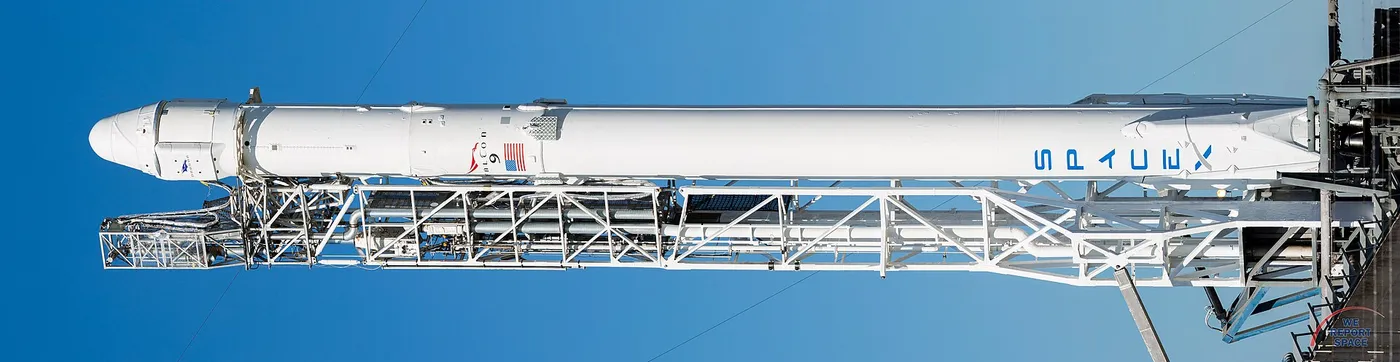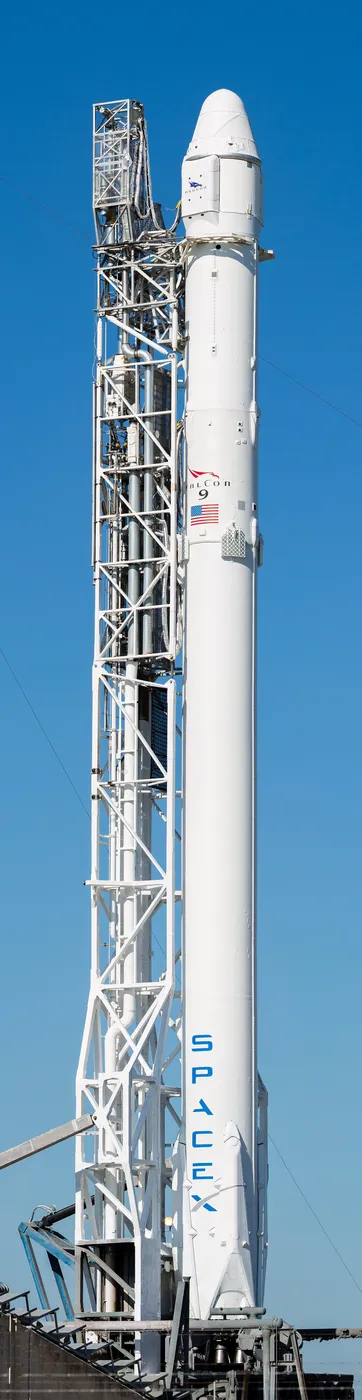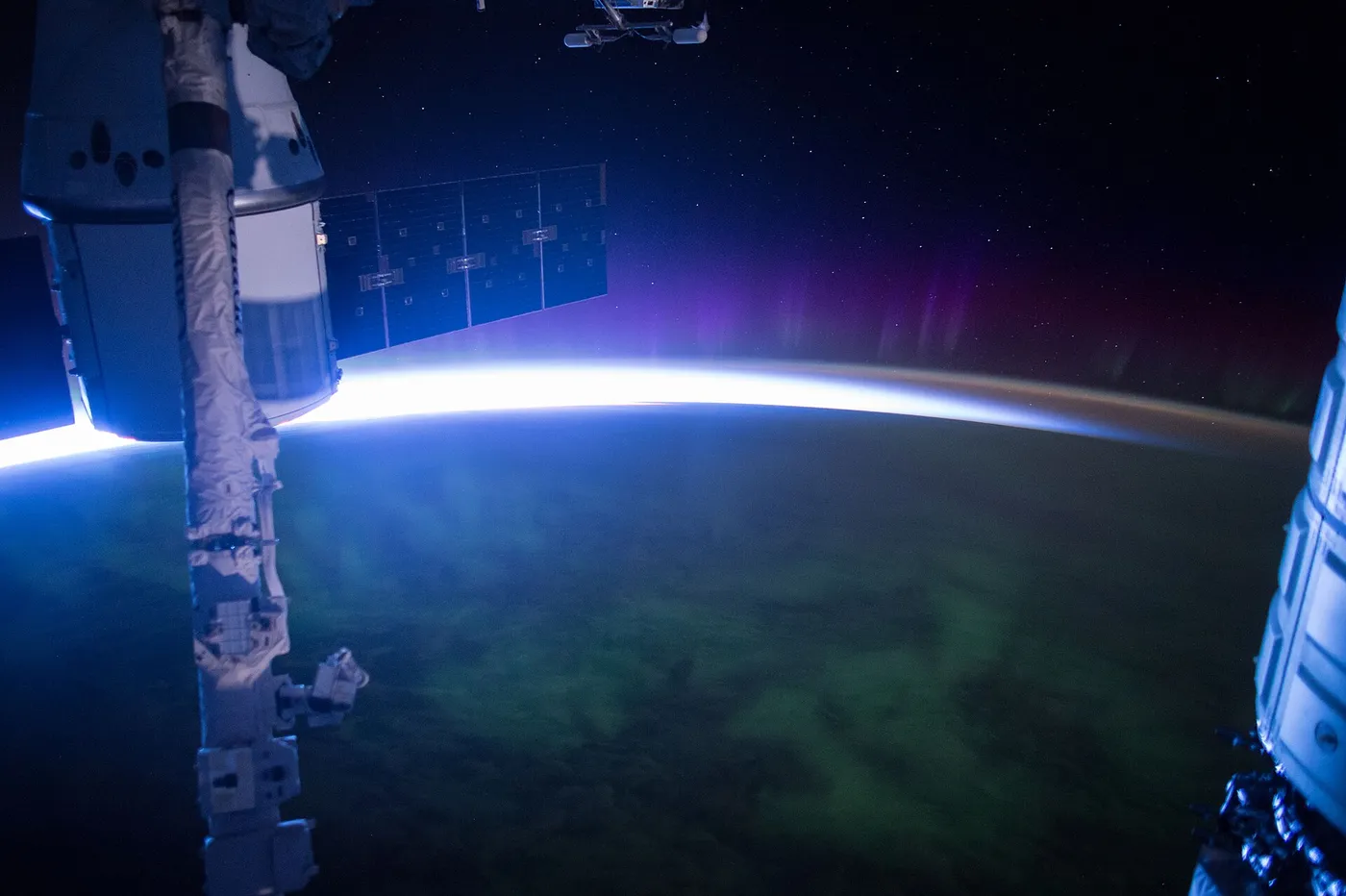
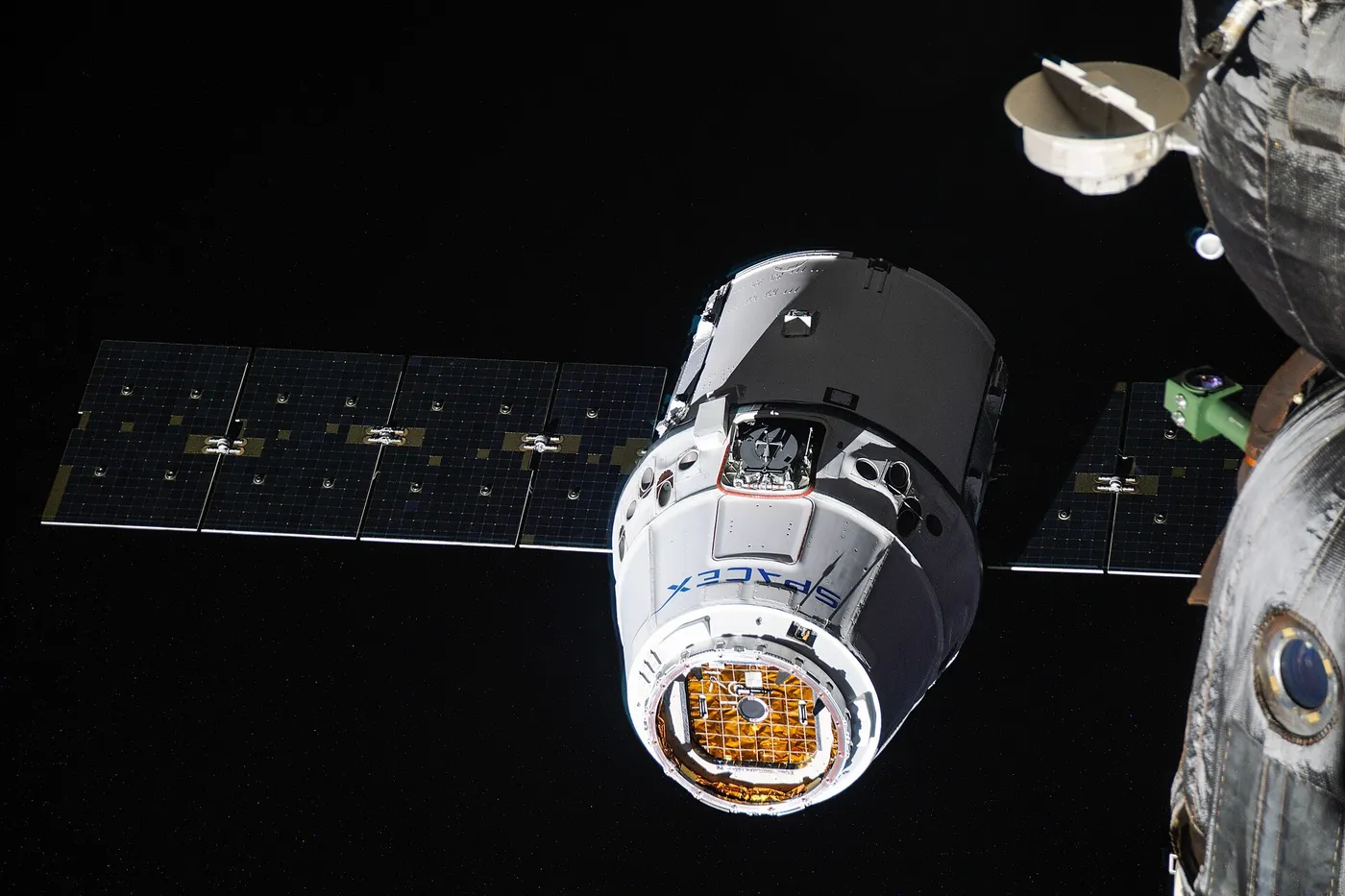

CRS-8 landed a rocket on a ship. After five failed attempts across eighteen months the first stage descended onto the drone ship in the Atlantic, touched down and stayed upright — the first time an orbital-class booster had been recovered at sea.
That mattered more than the land landings achieved a few months earlier. Most missions do not leave enough propellant to fly the stage back to the launch site, so recovery at sea is what makes reuse broadly applicable rather than a special case.
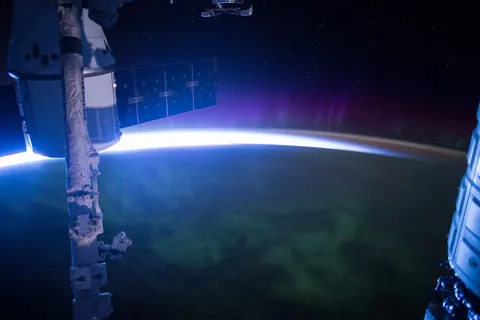
The primary cargo was an inflatable module. BEAM was a soft-sided expandable habitat attached to the station and pressurised to test whether such structures could withstand the debris and radiation environment over years. It has remained attached ever since and is used for storage.
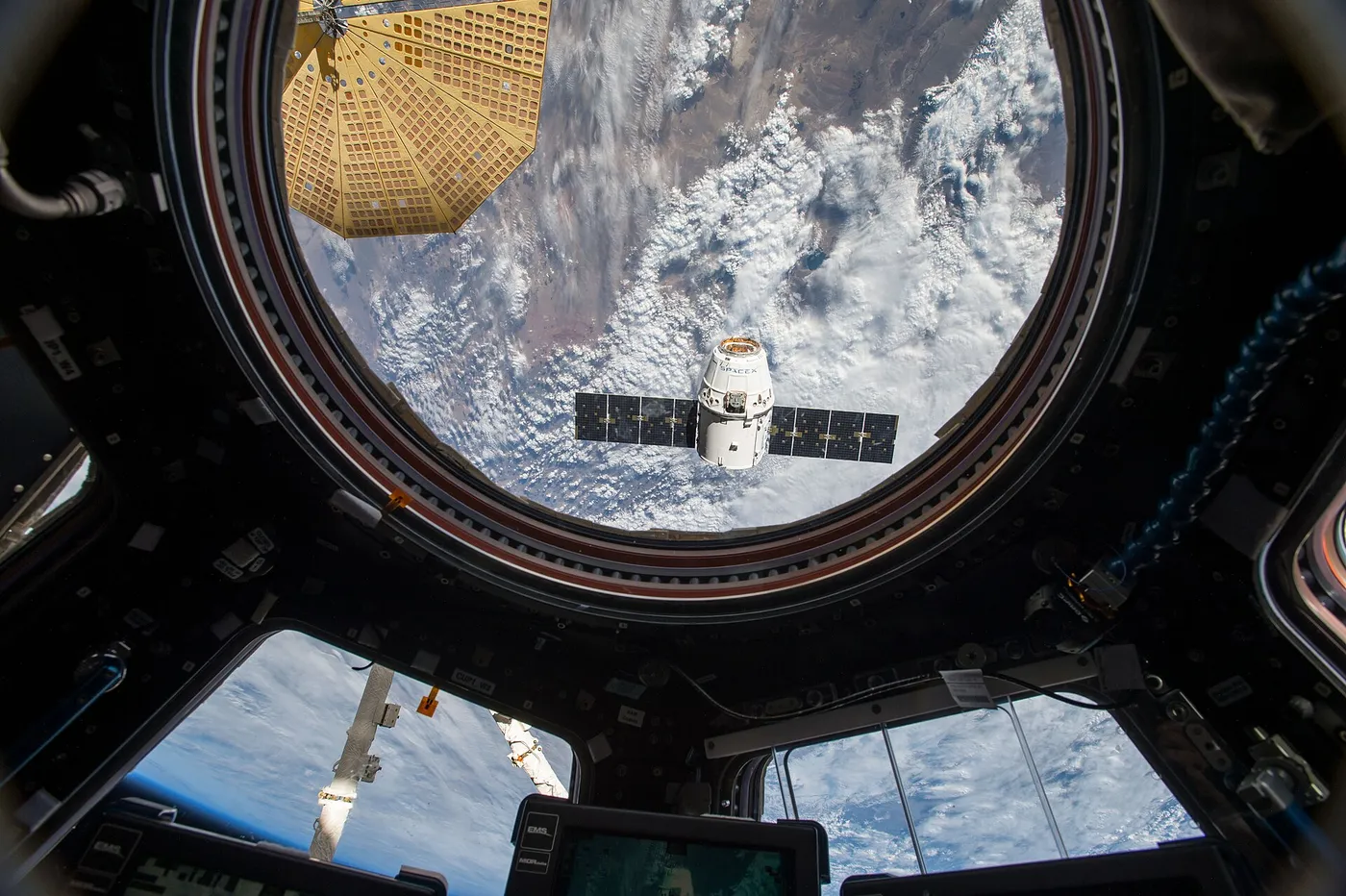
The flight also carried around 1,700 kilograms of supplies and science, including experiments on muscle atrophy and protein crystal growth, and returned a comparable mass.
This was the mission that made reuse look inevitable rather than aspirational. The recovered stage was later fired repeatedly on the ground and retired to display, and subsequent boosters began flying second and third missions.