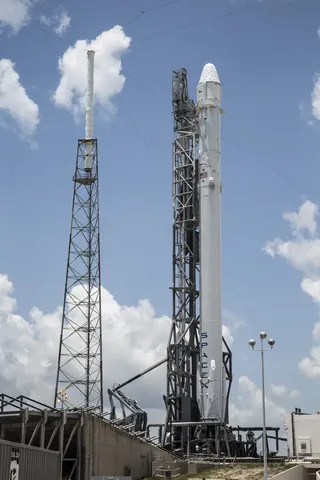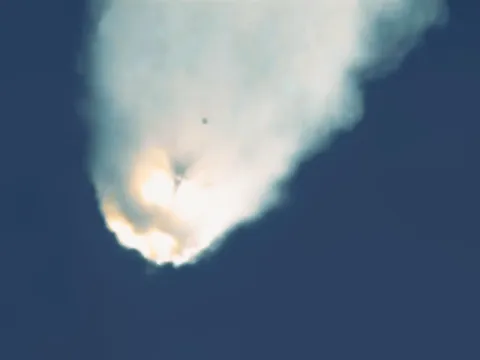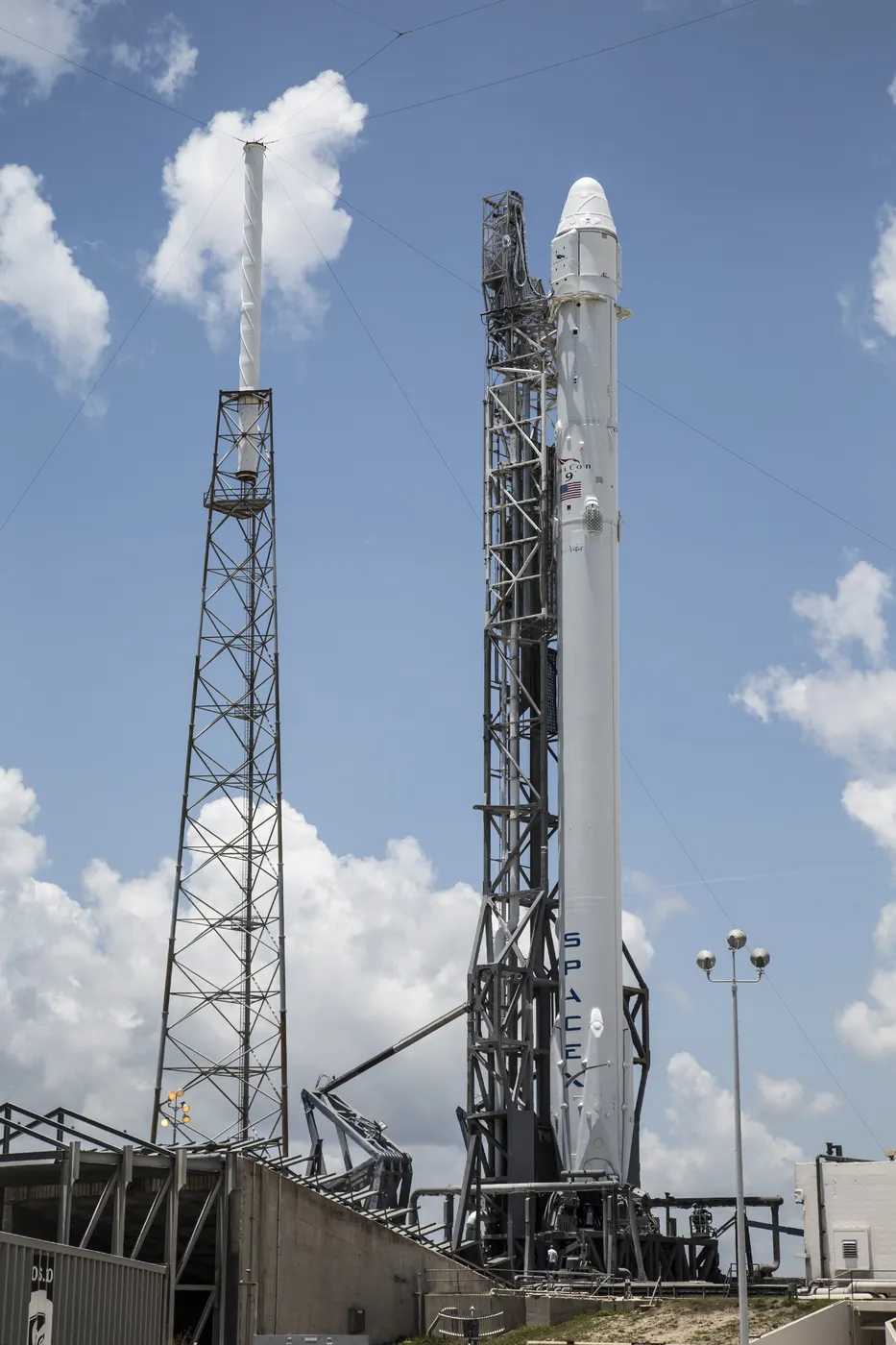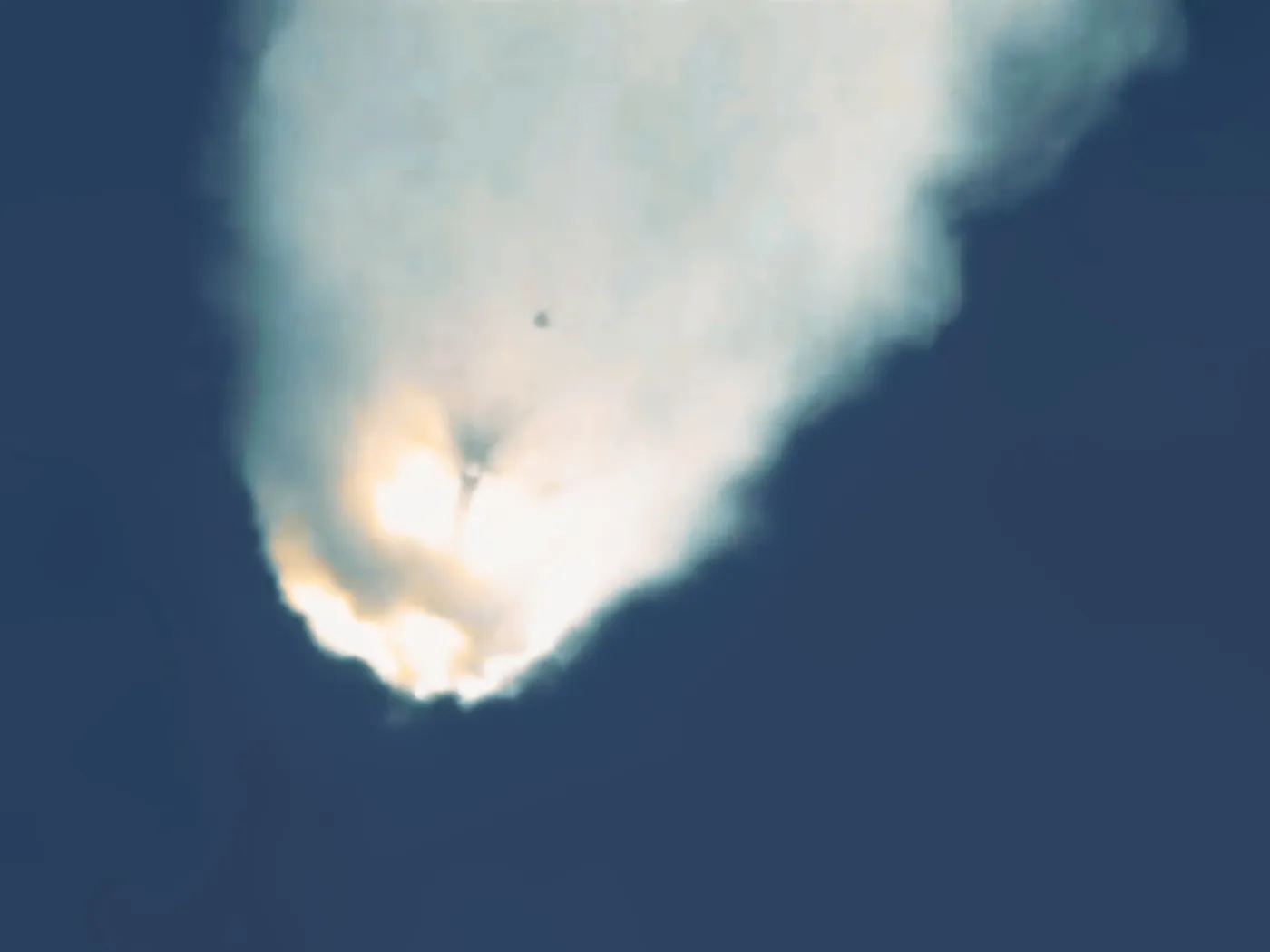

CRS-7 was destroyed 139 seconds after launch. A steel strut holding a helium pressure vessel inside the second stage's liquid oxygen tank failed at a fraction of its rated load; the bottle broke free, the tank over-pressurised and burst, and the vehicle disintegrated.
The strut had been bought from a supplier and accepted on certification paperwork rather than individually tested. The subsequent review concluded that a material defect had gone undetected, and the company changed both the part and its acceptance procedures.
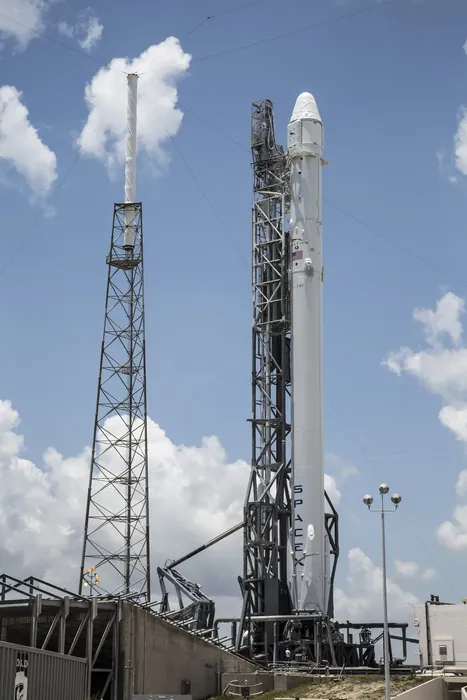
Dragon itself survived the breakup intact and continued transmitting as it fell, and analysis afterwards showed that if its parachute software had been configured to deploy in that circumstance, the capsule might have been recovered. The software was changed accordingly.
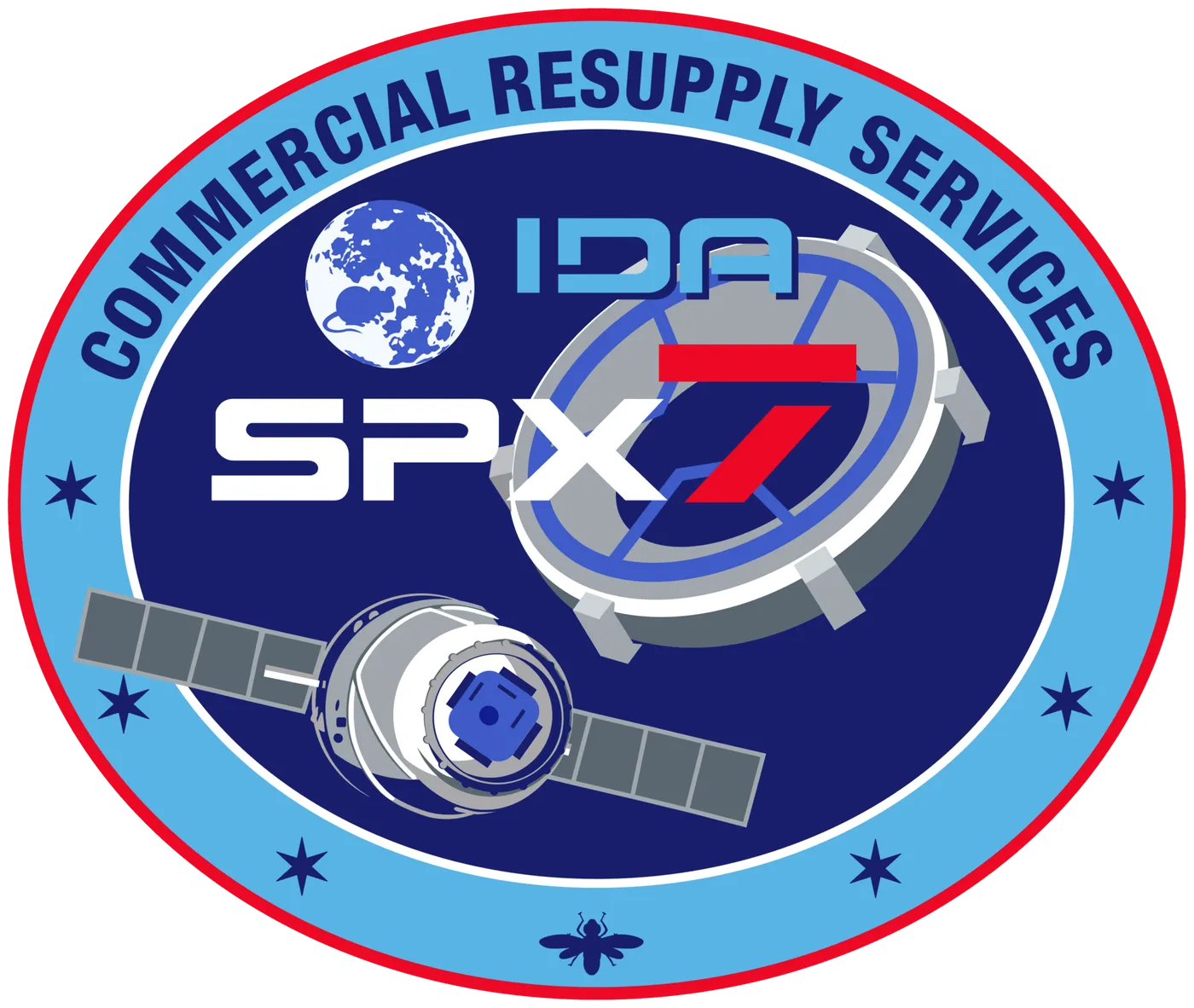
The cargo lost included the first International Docking Adapter, the fitting that would allow commercial crew vehicles to dock with the station. Its loss delayed the crew programme and required a replacement to be built and flown a year later.
It was the second cargo vehicle lost in eight months, after the Cygnus failure the previous October, and a Russian Progress had also been lost that April. The station's supply margins were tested harder in that period than at any time before or since.