
The second droneship landing attempt came closer still. The first stage arrived on the deck upright and on target, touched down, and then toppled over — it had retained a small lateral velocity, and once the legs were down that was enough to tip it.
The cause was traced to a throttle valve in one engine responding more slowly than commanded, which left the vehicle unable to cancel the last of its sideways motion in the final seconds. Two attempts had now produced two different failures, both understood.
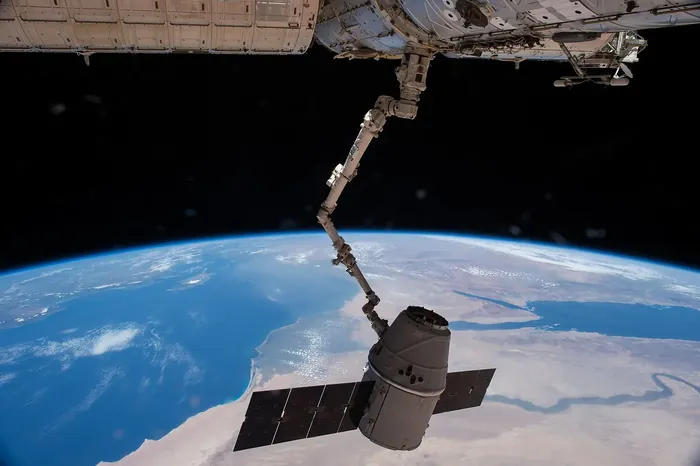
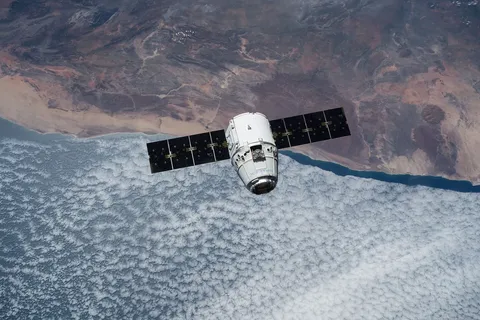
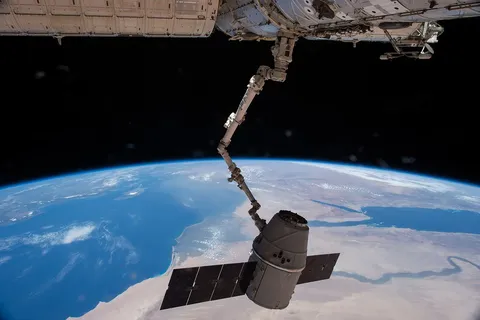
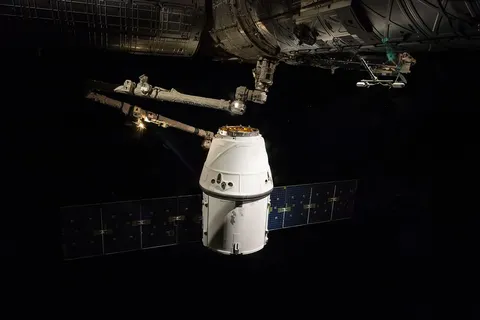
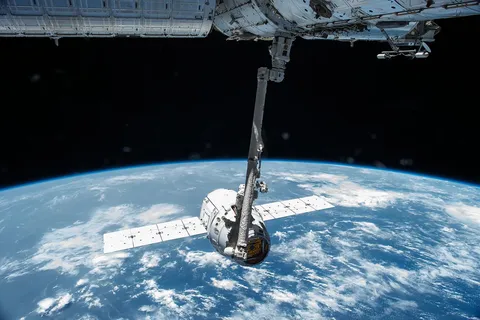
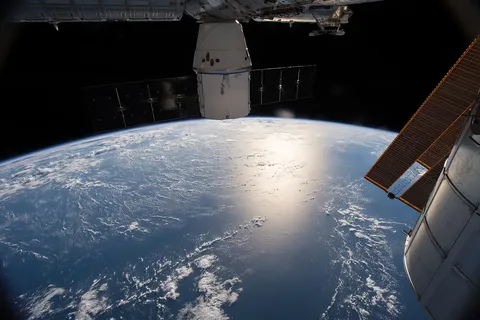
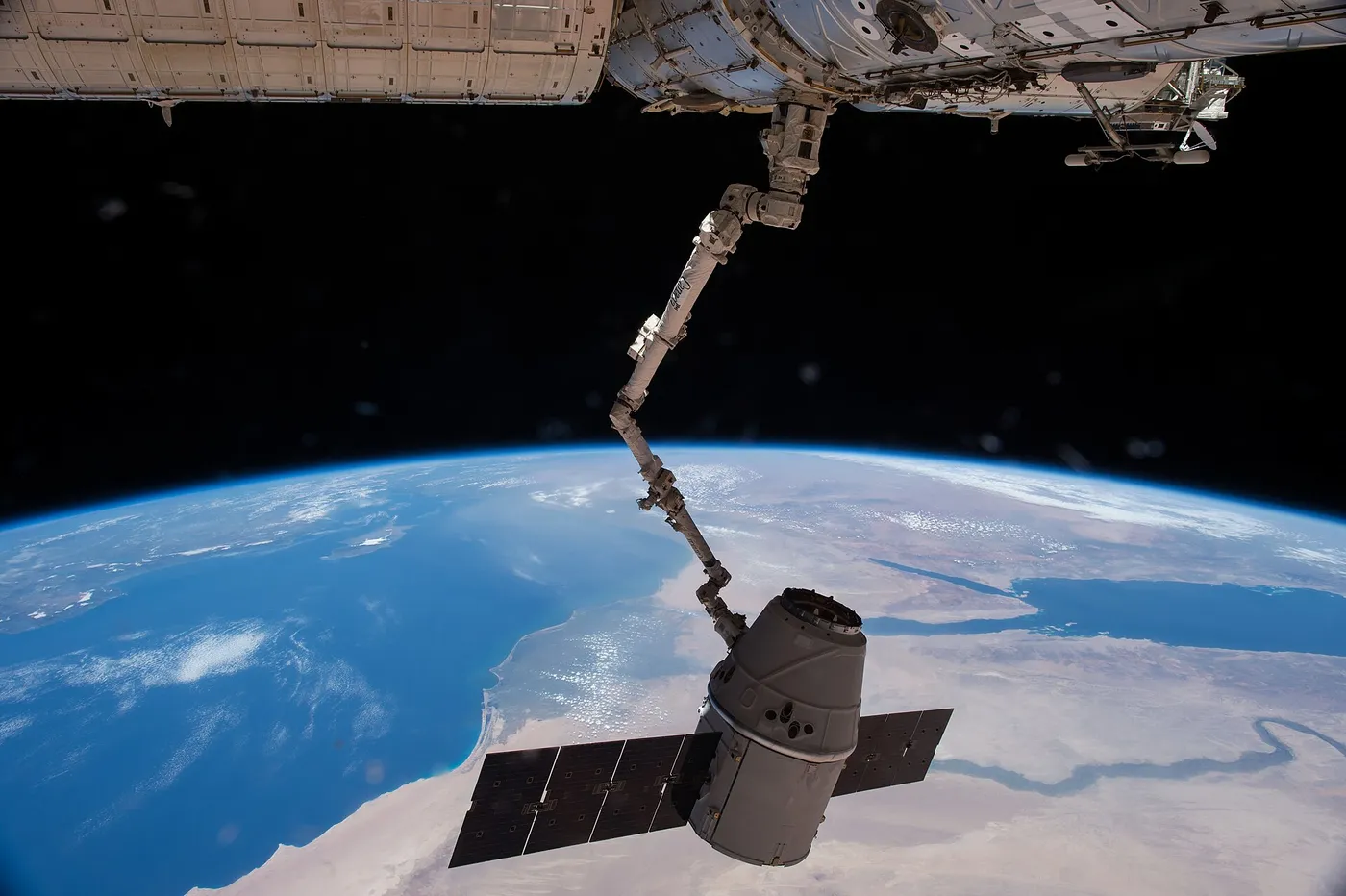
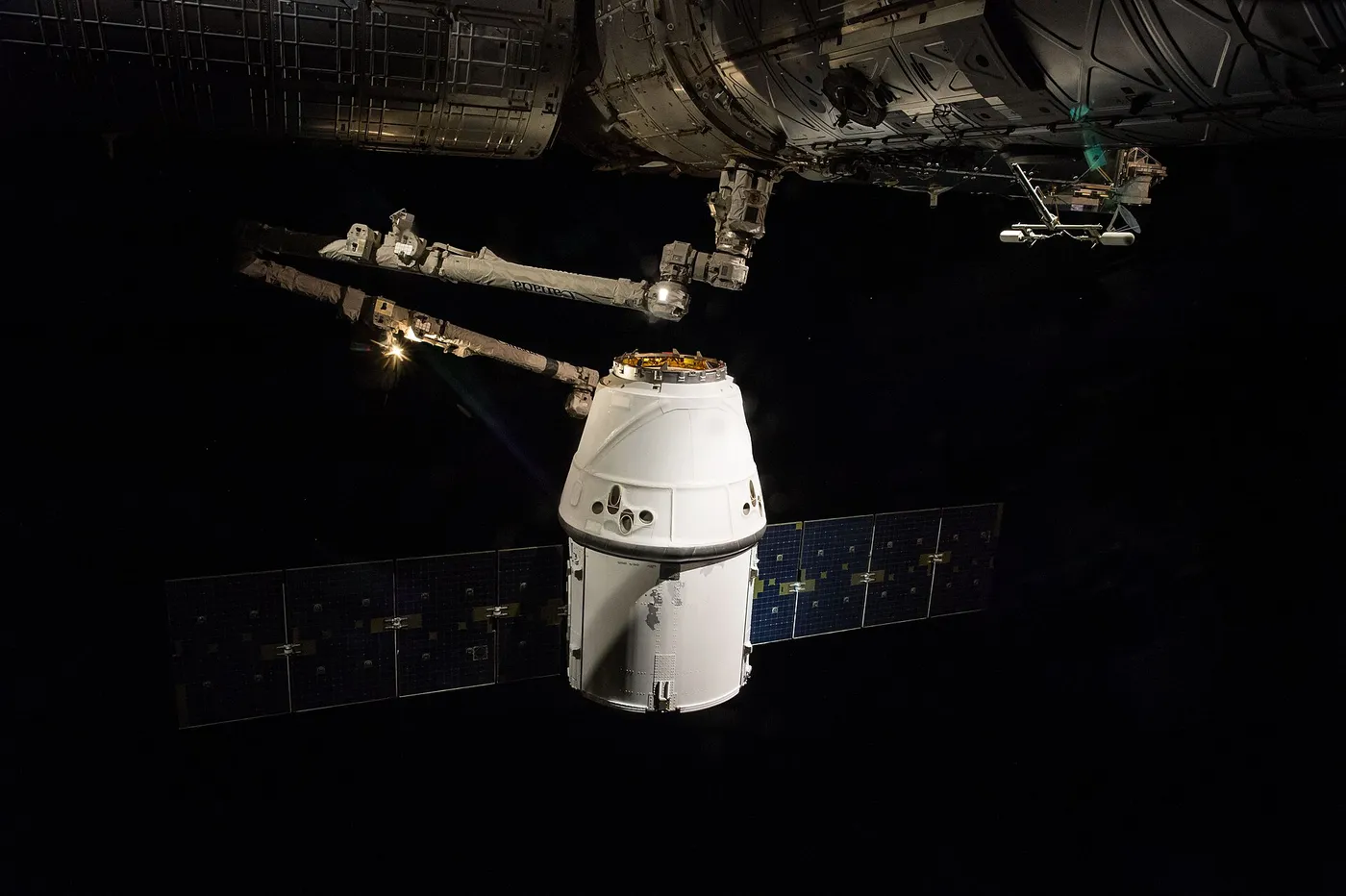
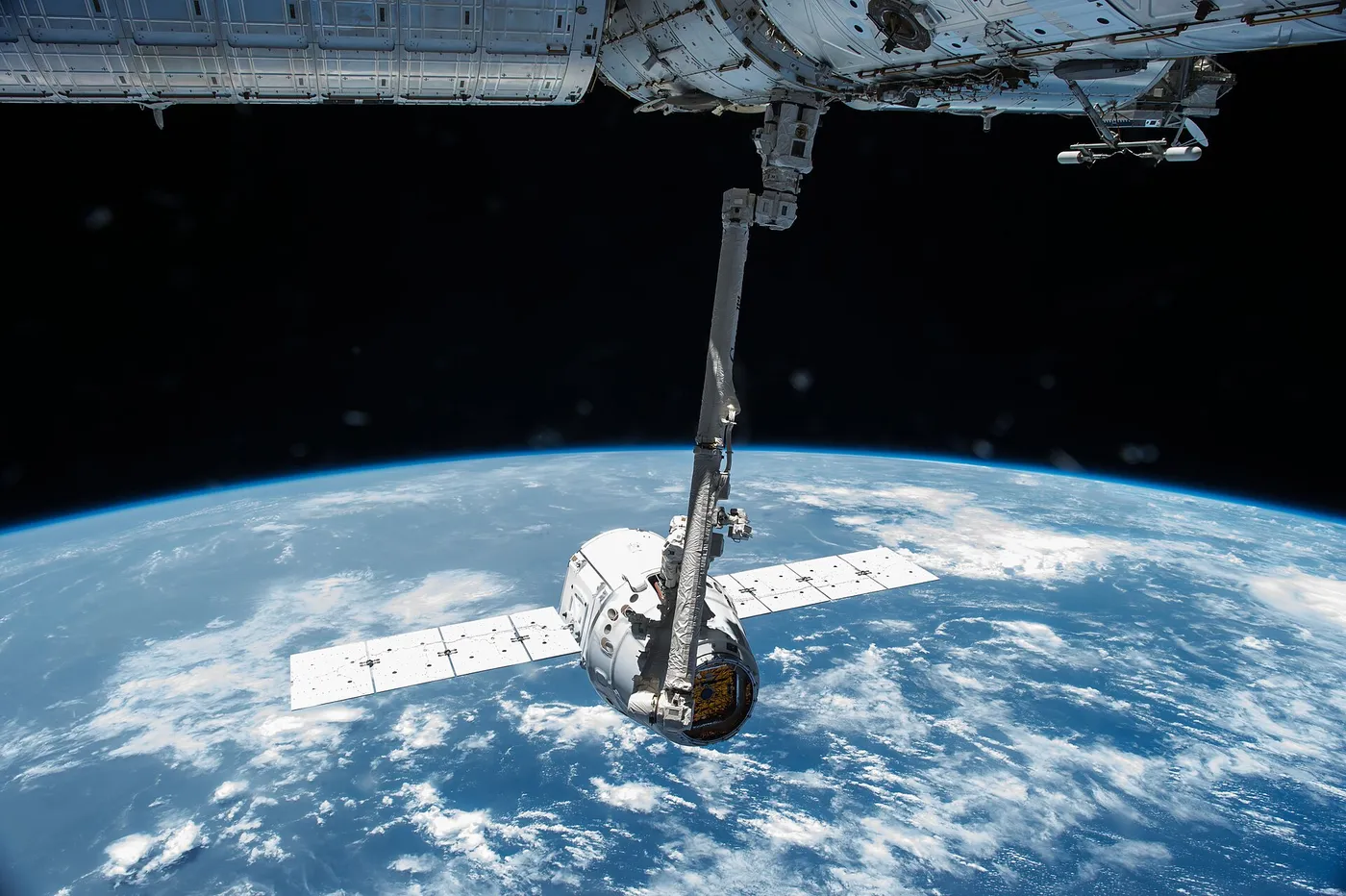
The cargo included around 1,900 kilograms of supplies and experiments, among them an espresso machine built by an Italian manufacturer for the European astronaut aboard — a small piece of morale engineering that received a disproportionate share of the coverage.
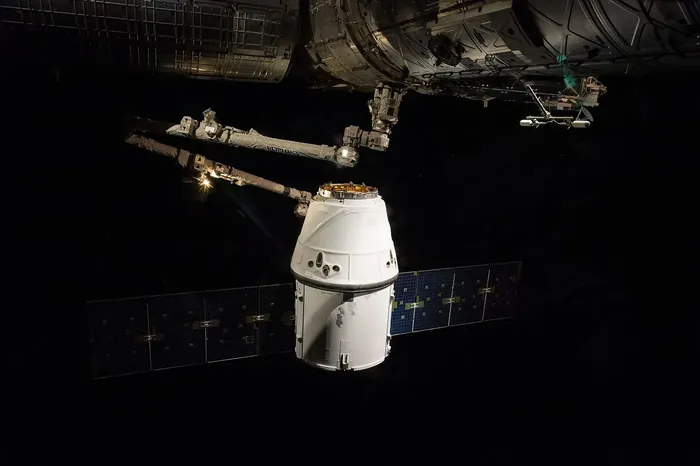
More substantially it carried biological experiments on how weightlessness affects cell behaviour and bone formation, and hardware for the station's own maintenance.
Dragon returned around 1,400 kilograms to a Pacific splashdown. By this point the resupply flights themselves had become routine enough that the public interest attached almost entirely to what happened to the discarded rocket stage.