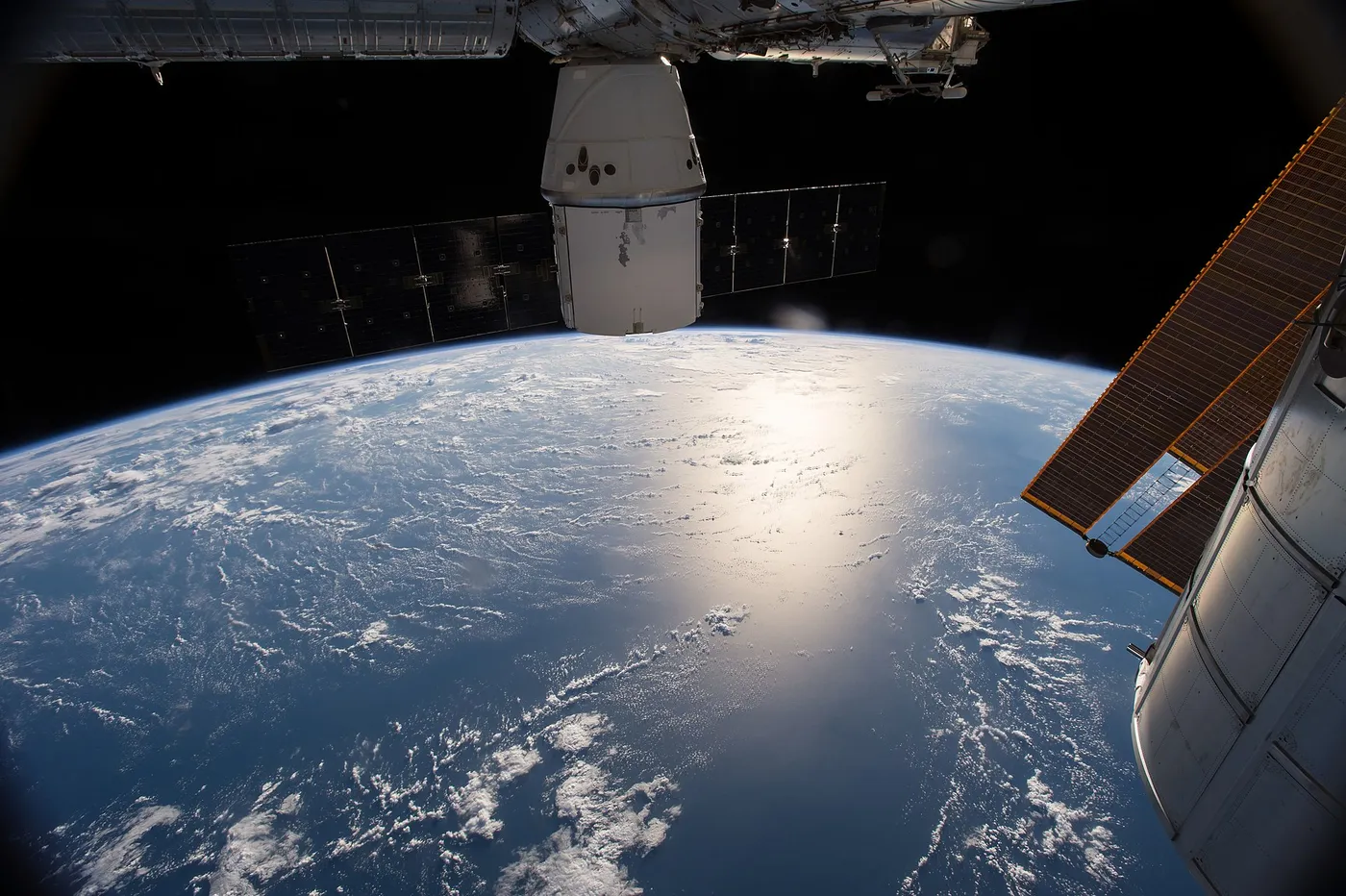
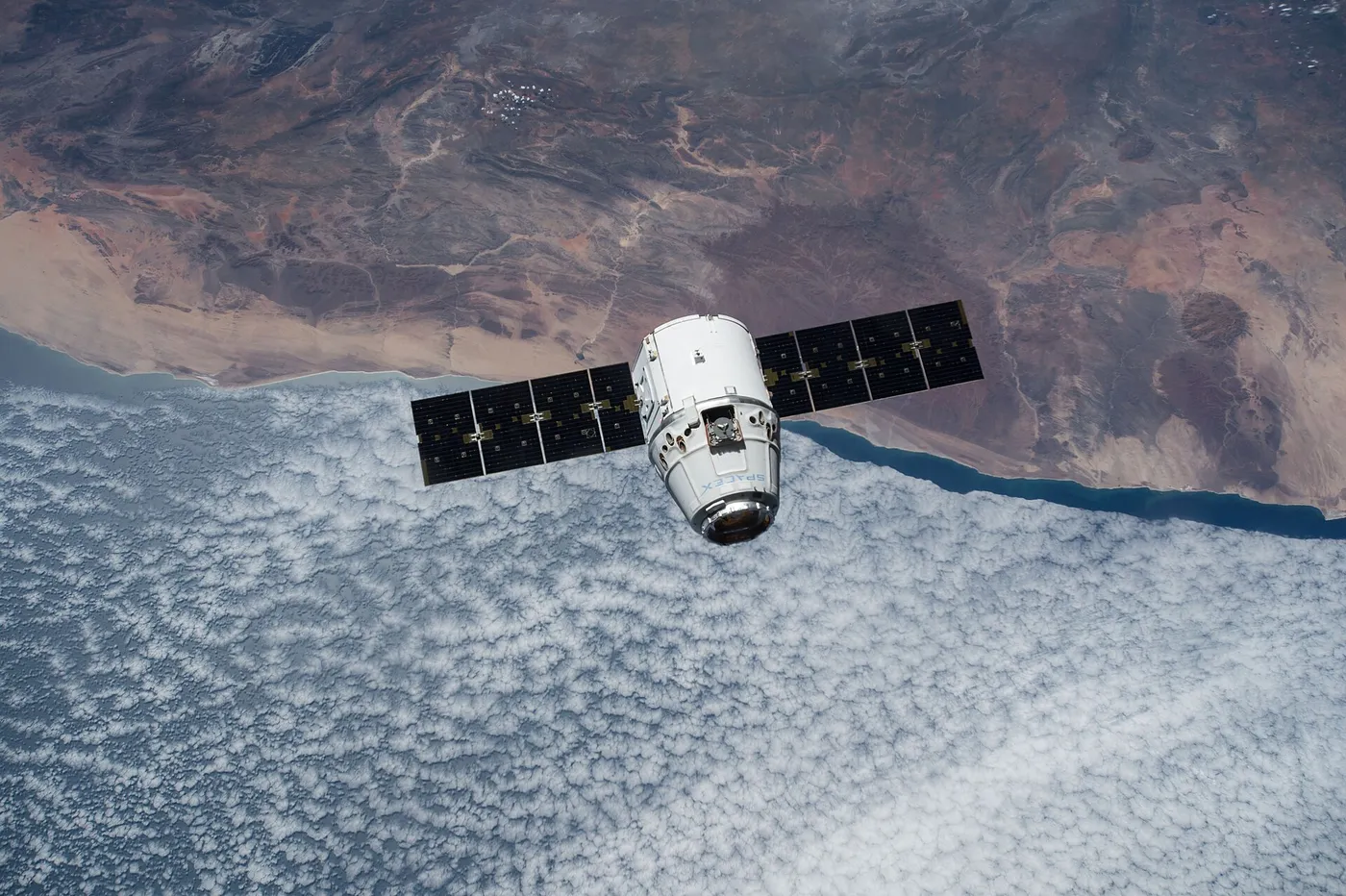

CRS-5 carried the first attempt to land a rocket stage on a ship. A modified barge fitted with thrusters was positioned in the Atlantic, and the first stage flew itself back, reoriented, decelerated and arrived on target — then struck the deck hard and was destroyed.
The cause was mundane: the hydraulic fluid supply for the grid fins that steer the stage during descent ran out shortly before touchdown, leaving it unable to correct its final attitude. The fix was to carry more fluid.
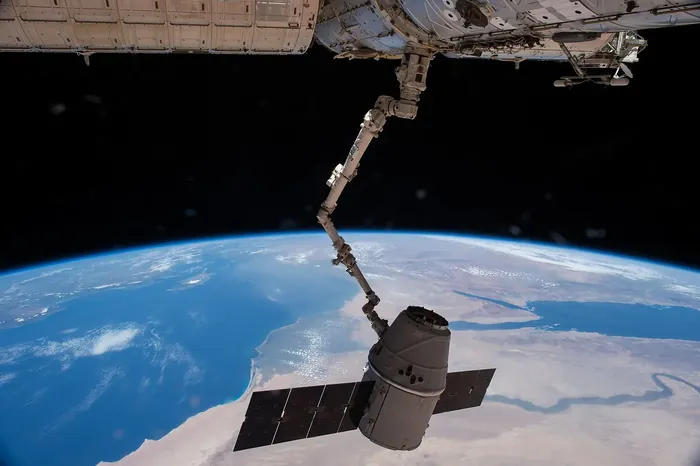
The scientific cargo included a lidar instrument mounted outside the station to profile clouds and aerosols, continuing measurements of the kind CALIPSO was making but from an orbit sampling different times of day.
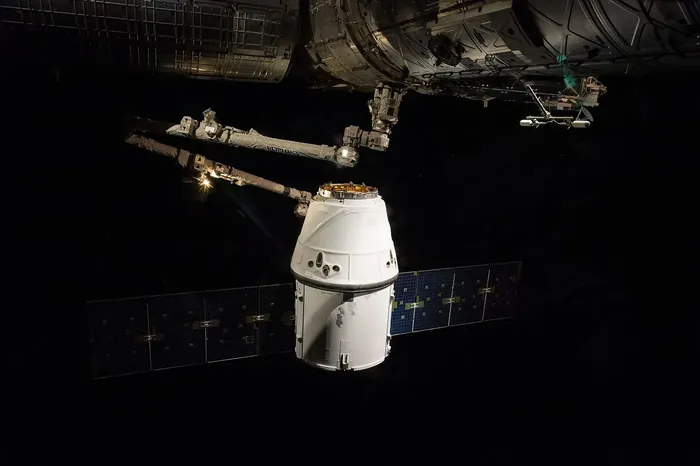
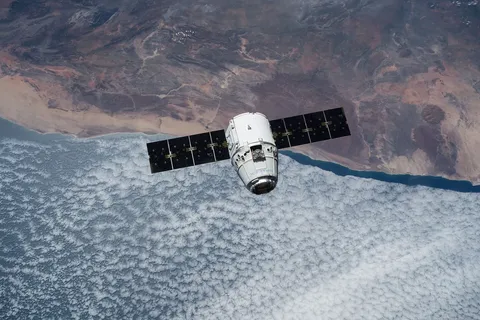
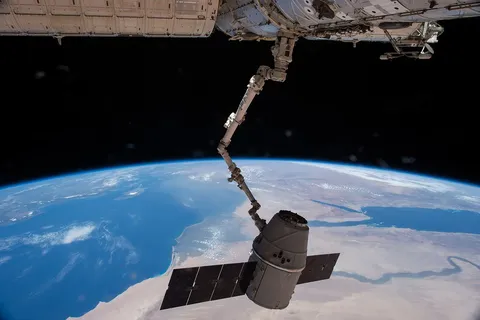
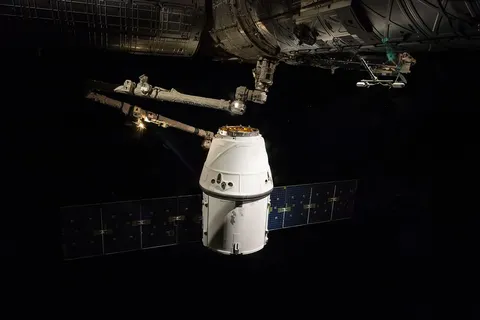
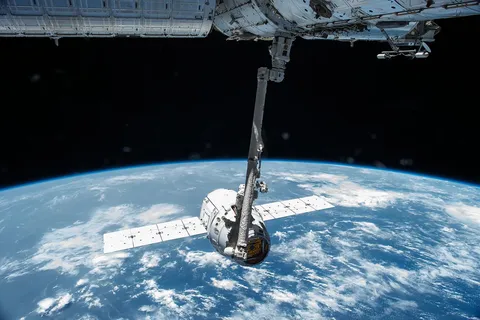
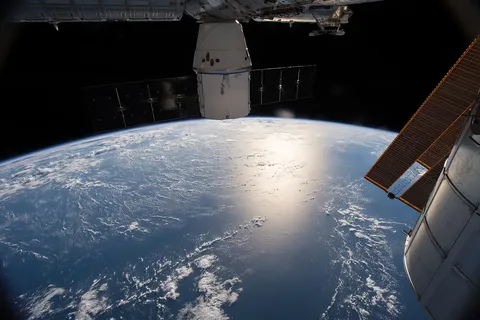
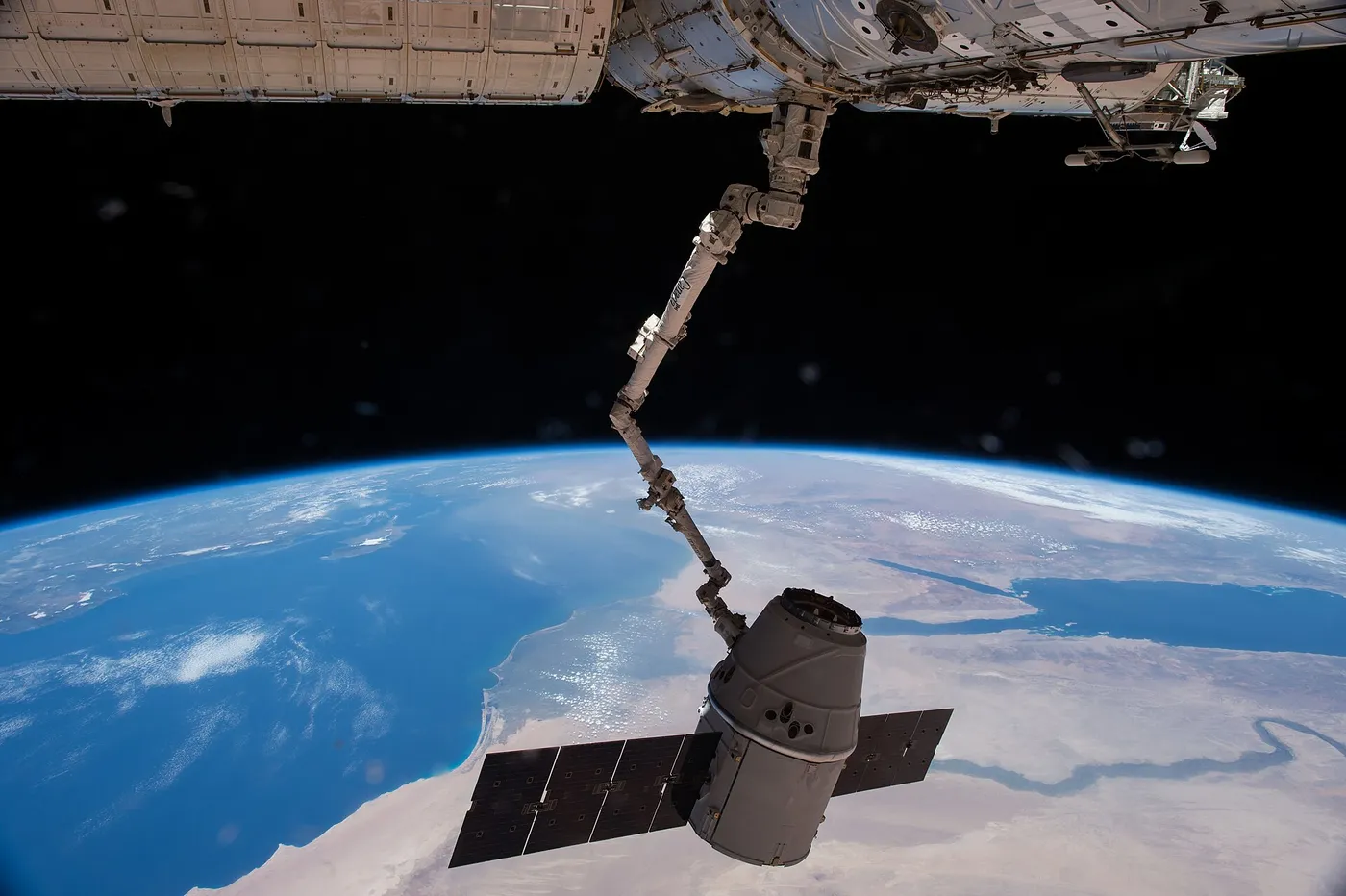
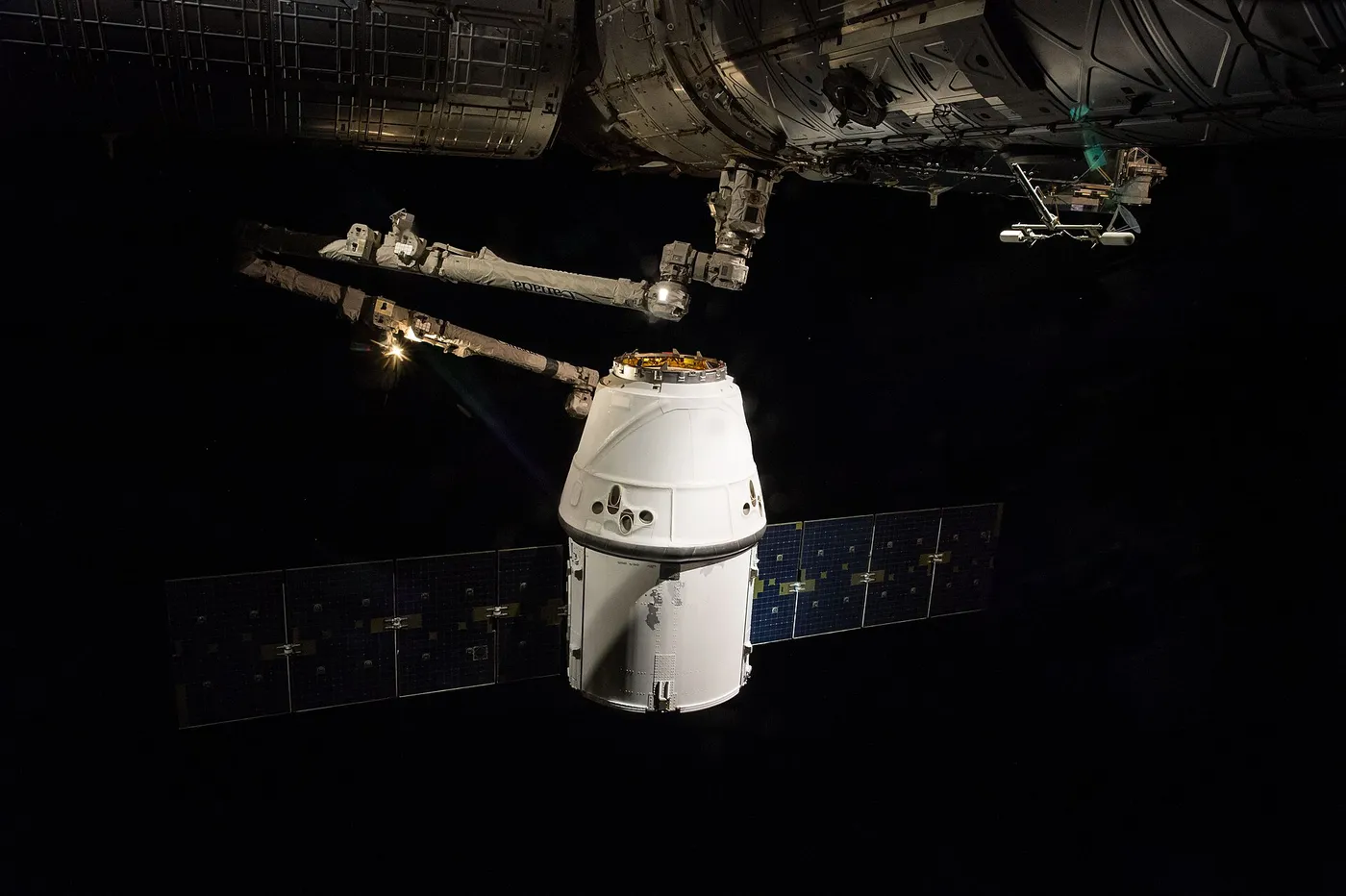
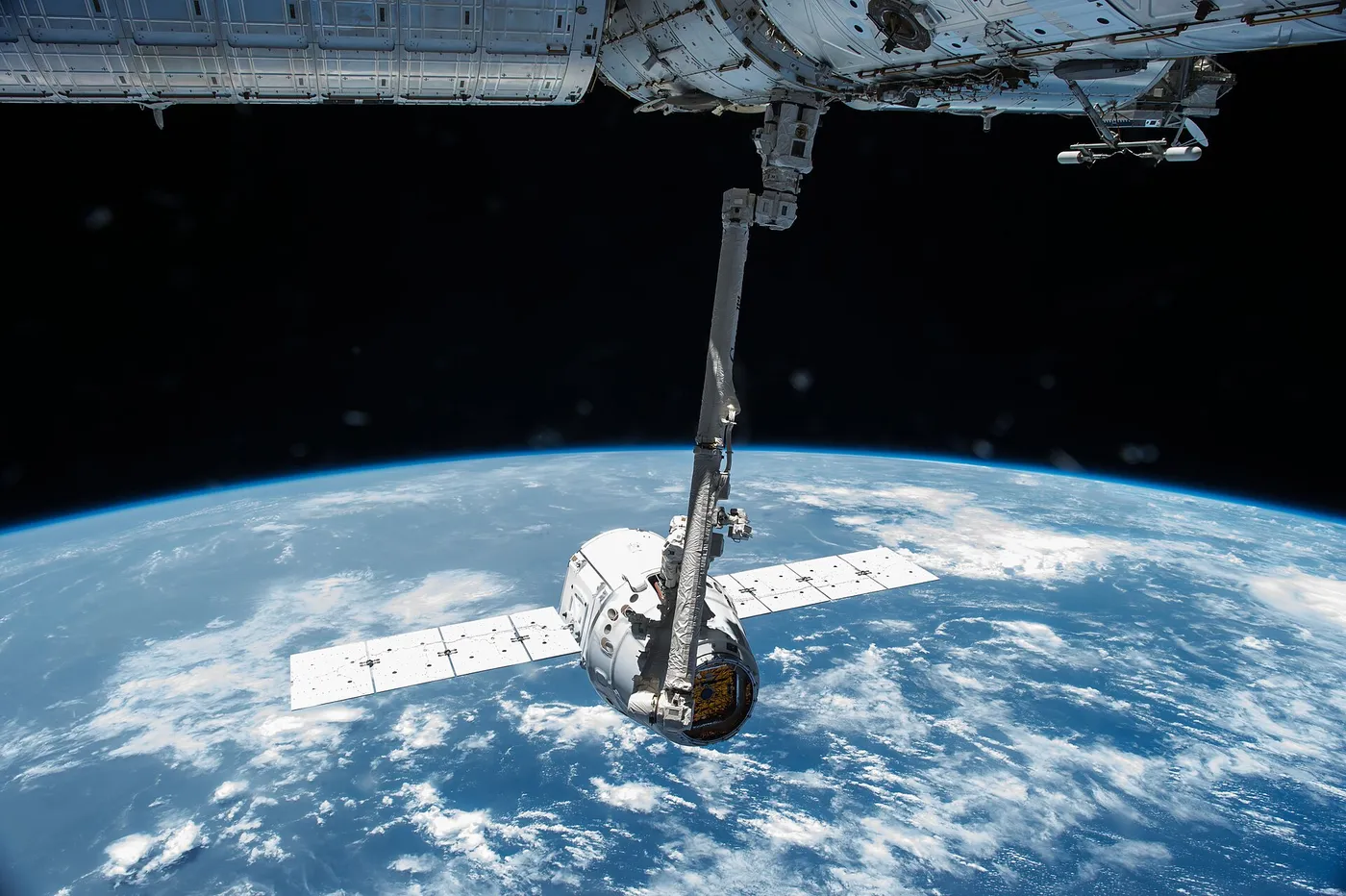
The flight also delivered the usual mix of food, spare parts and experiments, and returned roughly 1,600 kilograms including biological samples requiring cold stowage — freezers being one of the capabilities that makes a returning vehicle valuable.
The landing attempt failed but produced exactly the data needed, and the public release of the footage — a stage arriving fast and exploding on a barge — set the tone for a development programme conducted unusually openly.