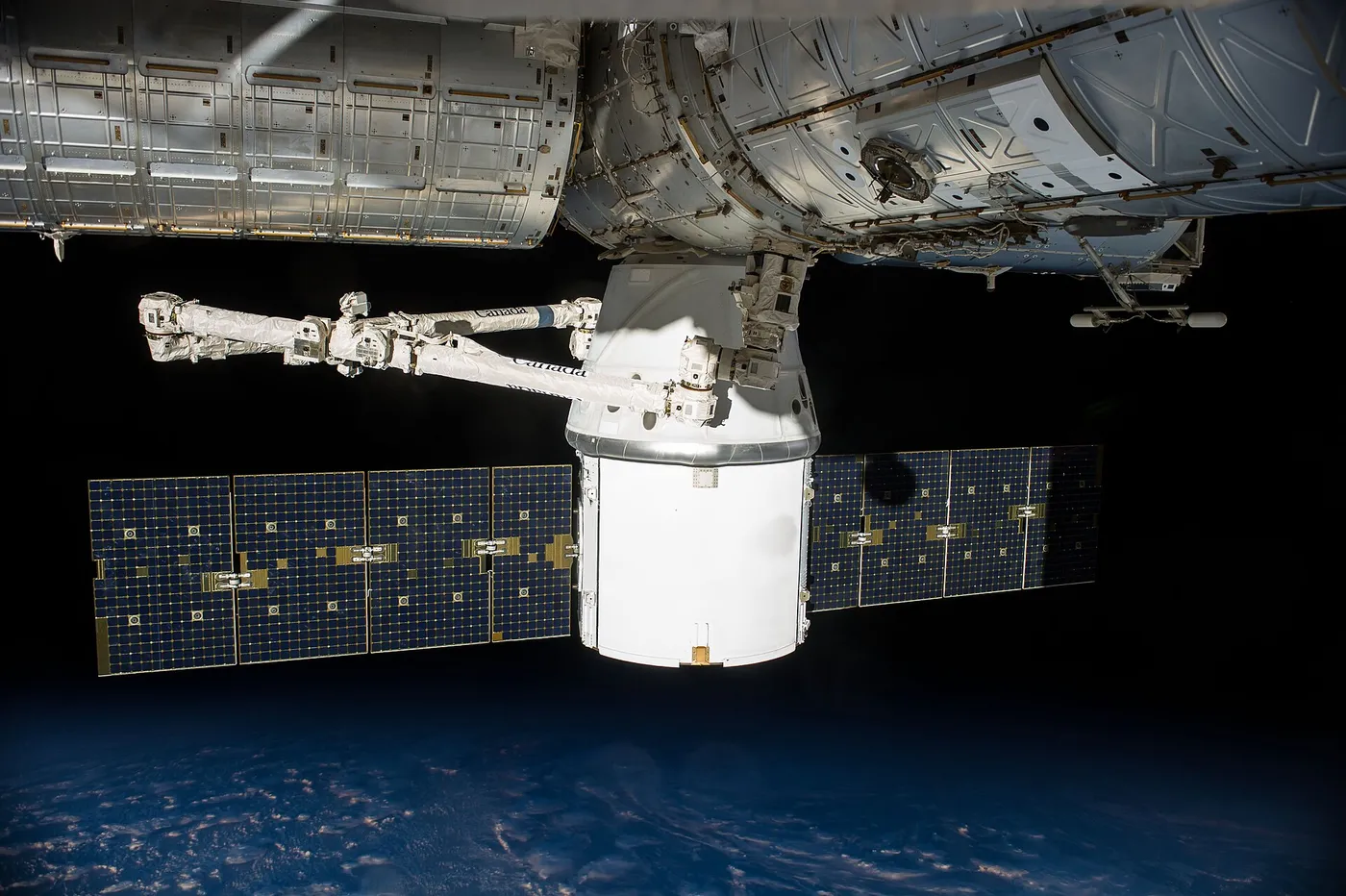
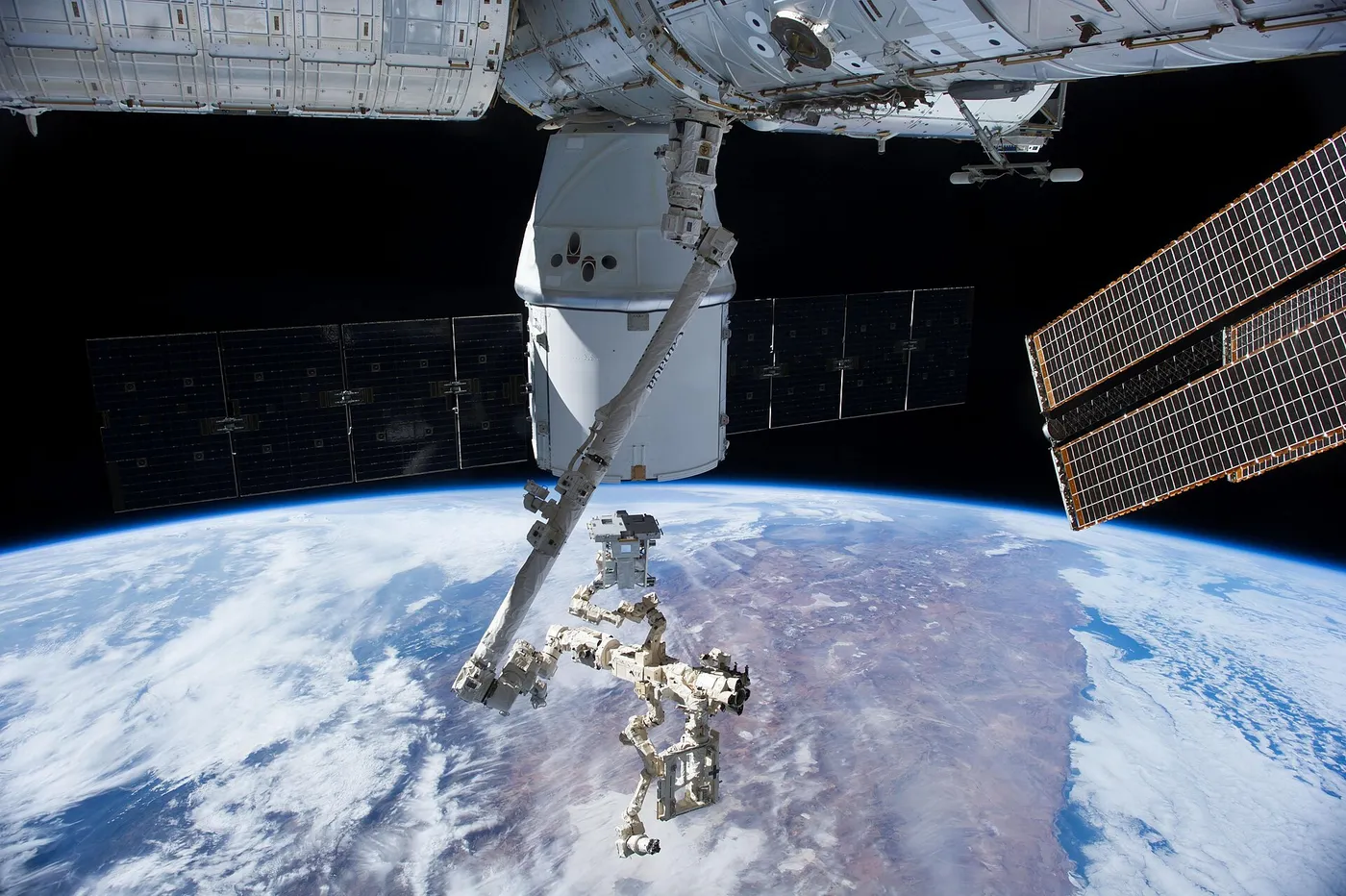

CRS-4 carried an instrument that turned a spare part into a mission. RapidScat was a scatterometer assembled largely from engineering hardware left over from an earlier programme, mounted on the outside of the station to measure ocean surface winds after the QuikSCAT satellite's antenna seized.
Building it as a station payload rather than a free-flying satellite cut the cost by an order of magnitude, and the station's inclined orbit gave it something polar satellites lack: observations of the same location at varying times of day, revealing the daily cycle of ocean winds.
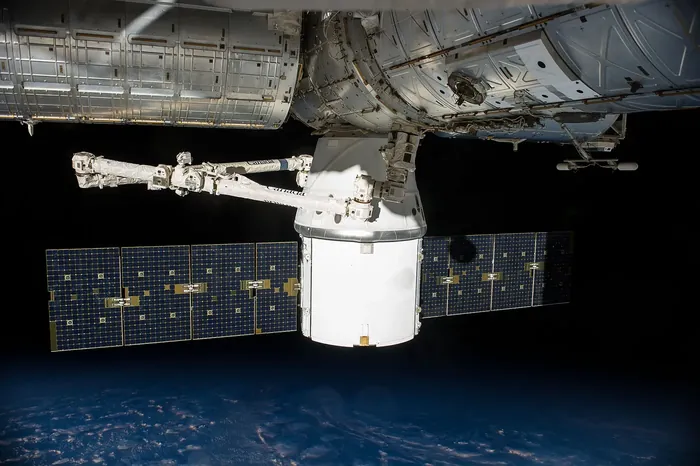
The flight also delivered the first 3D printer sent to space, an experiment in whether tools and spare parts could be manufactured in orbit rather than launched — a capability of obvious value for missions beyond easy resupply.
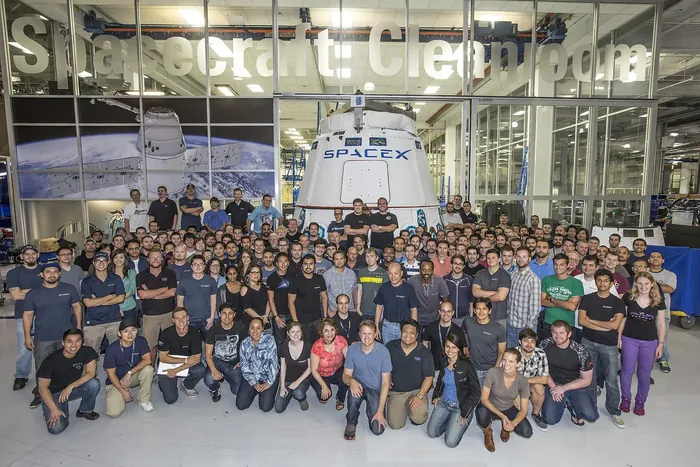
Twenty mice travelled up in a habitat designed for long-duration rodent research, part of a programme studying bone and muscle loss under conditions that mirror what happens to astronauts.
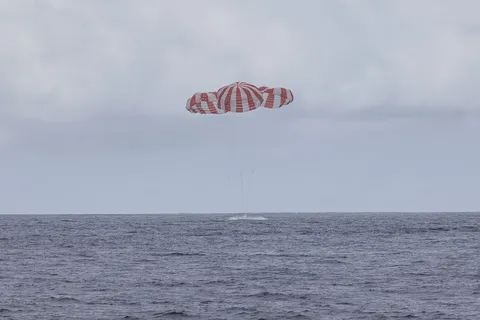
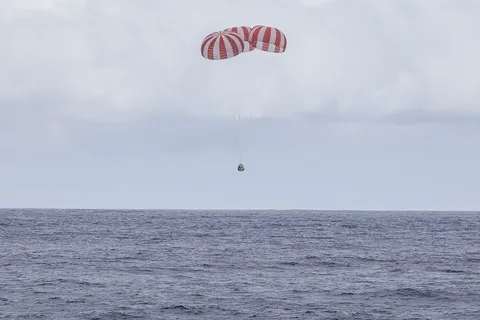
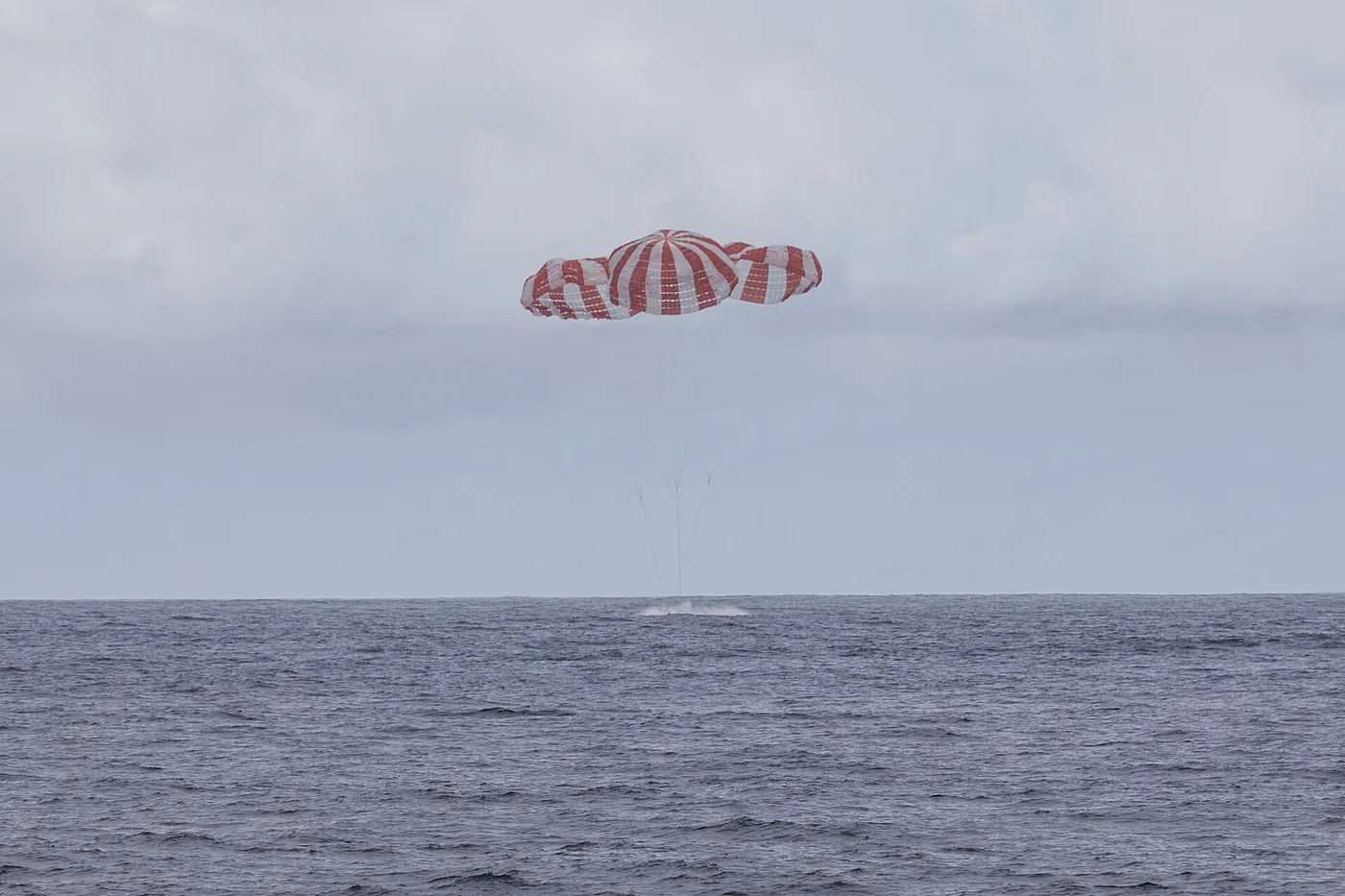
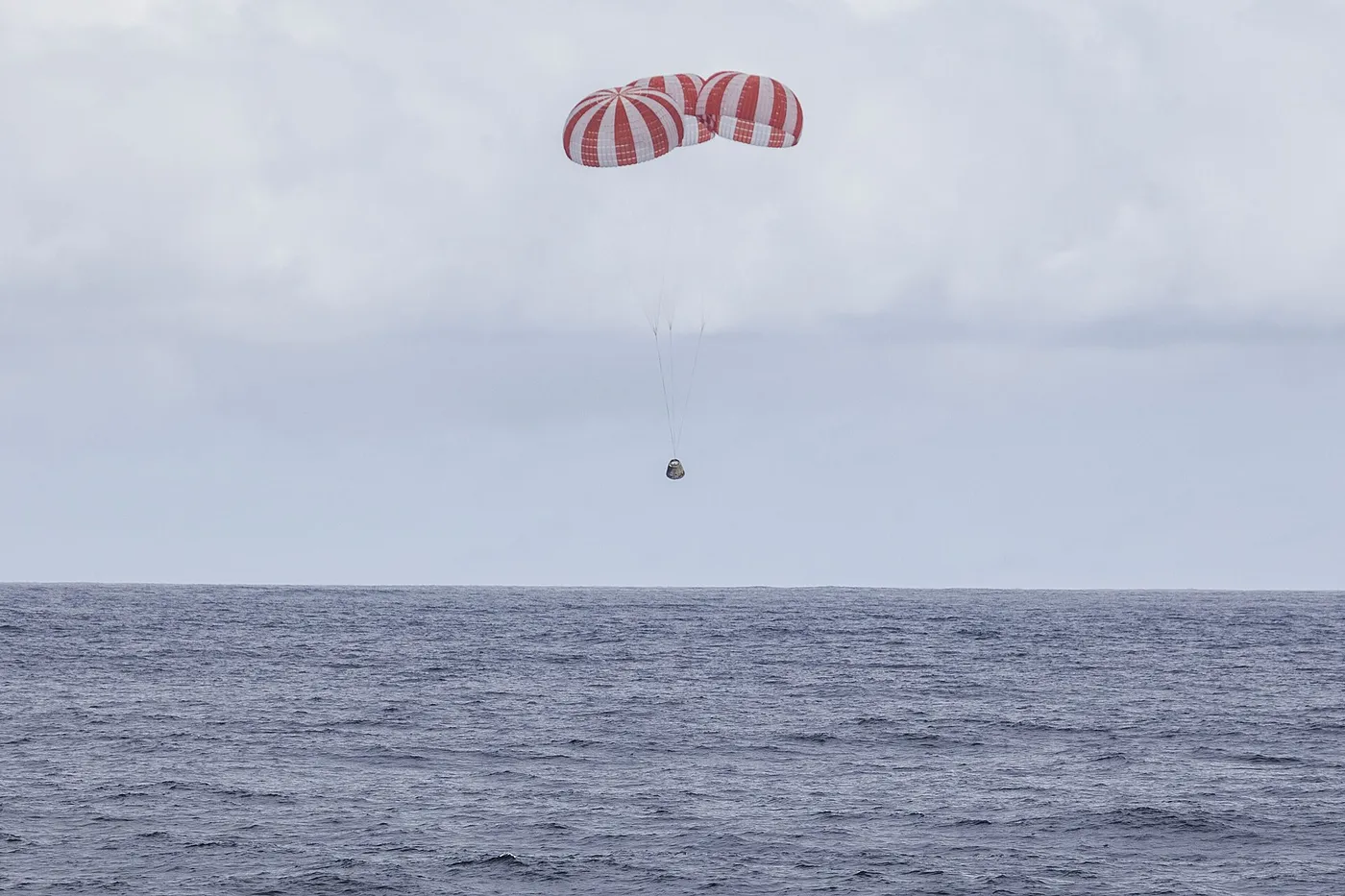
The mission returned around 1,600 kilograms of cargo, including completed experiments and failed hardware sent home for analysis — an unglamorous but genuinely valuable function, since understanding why something broke usually requires having it in hand.