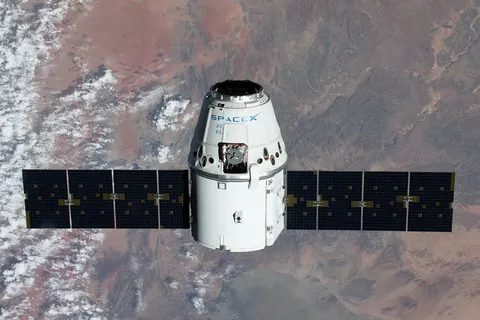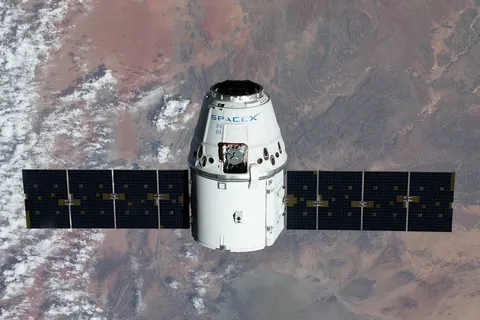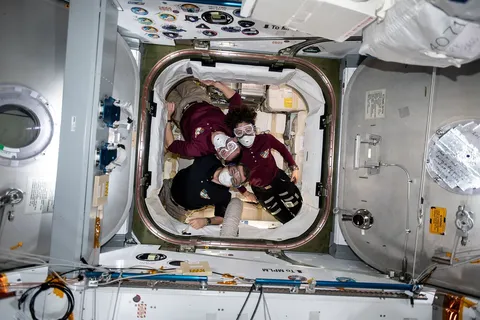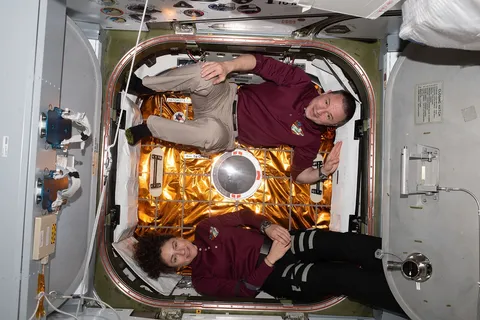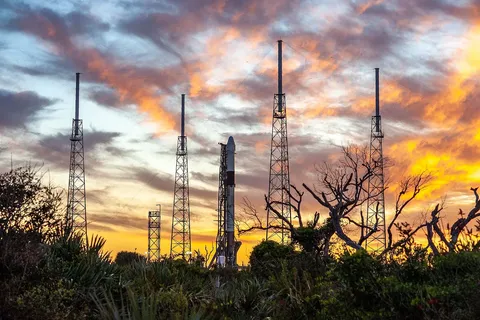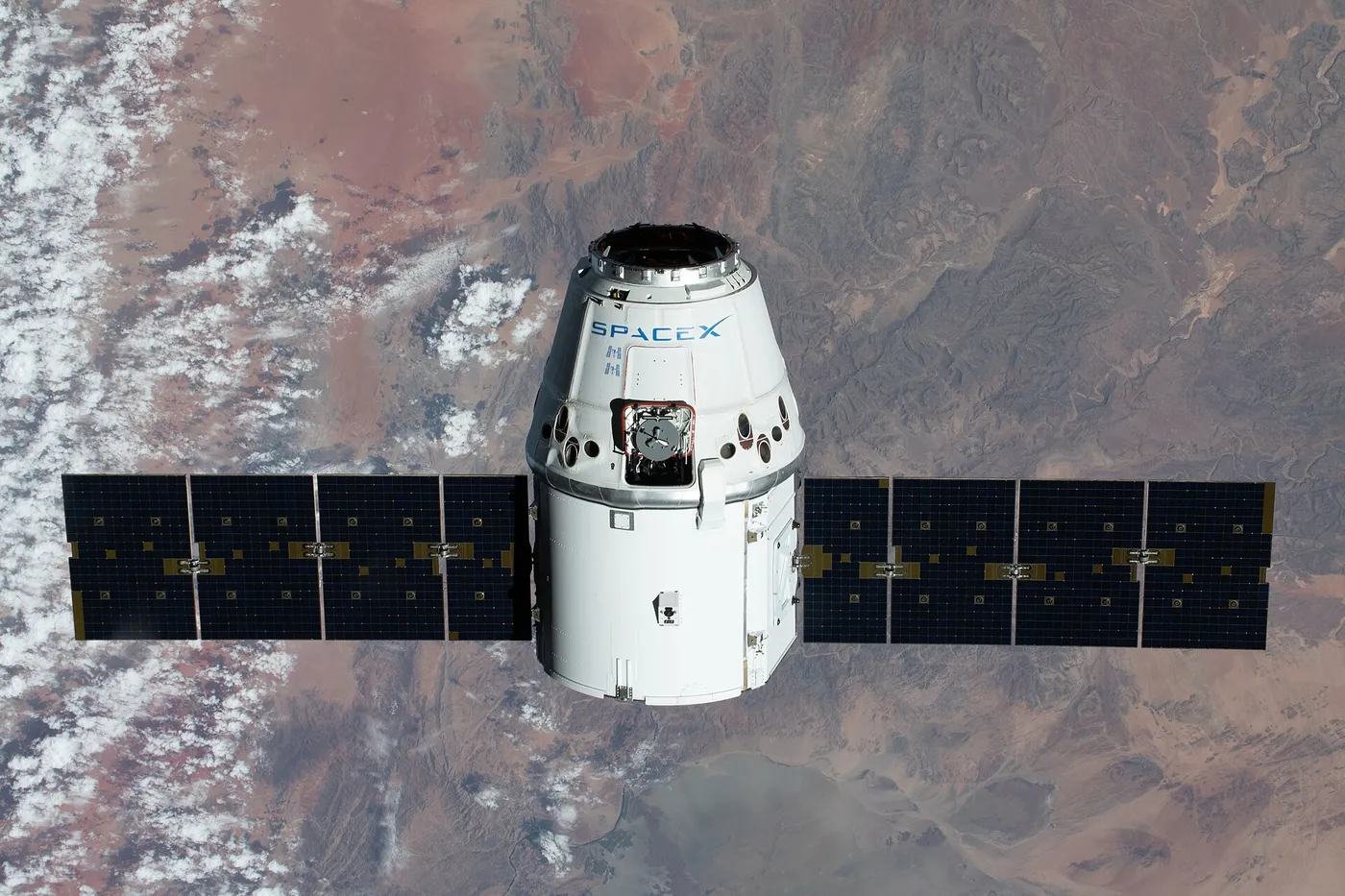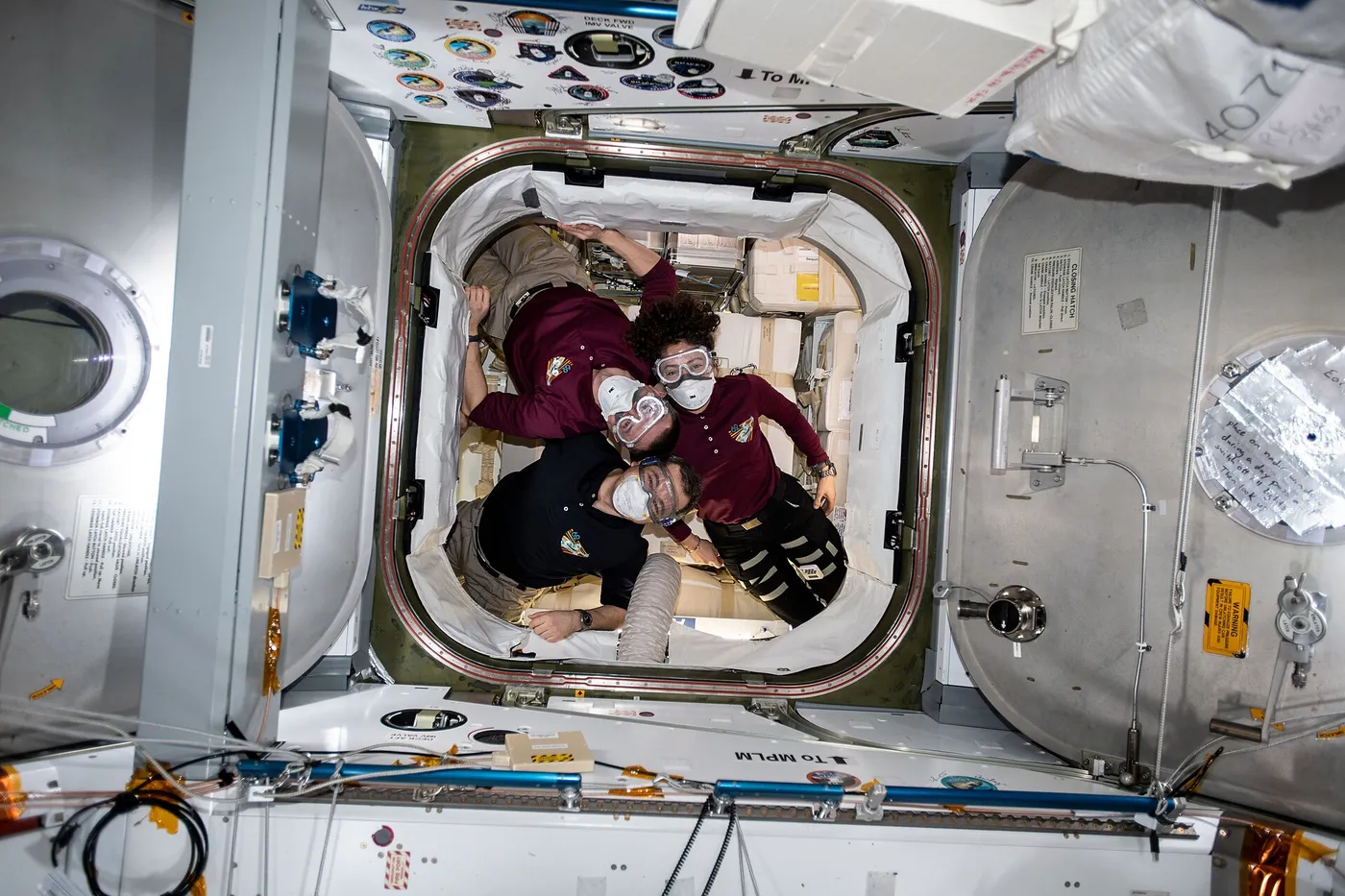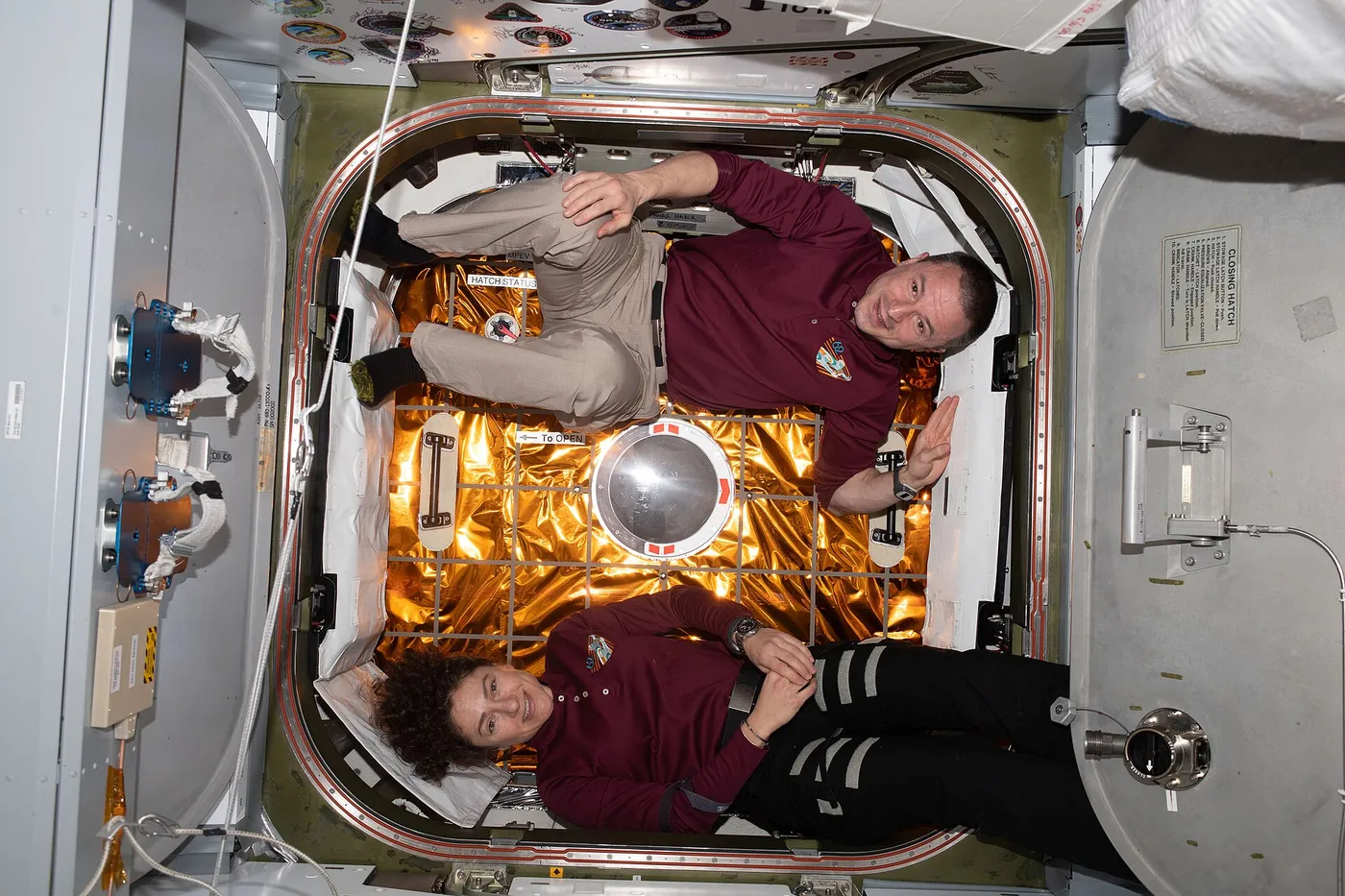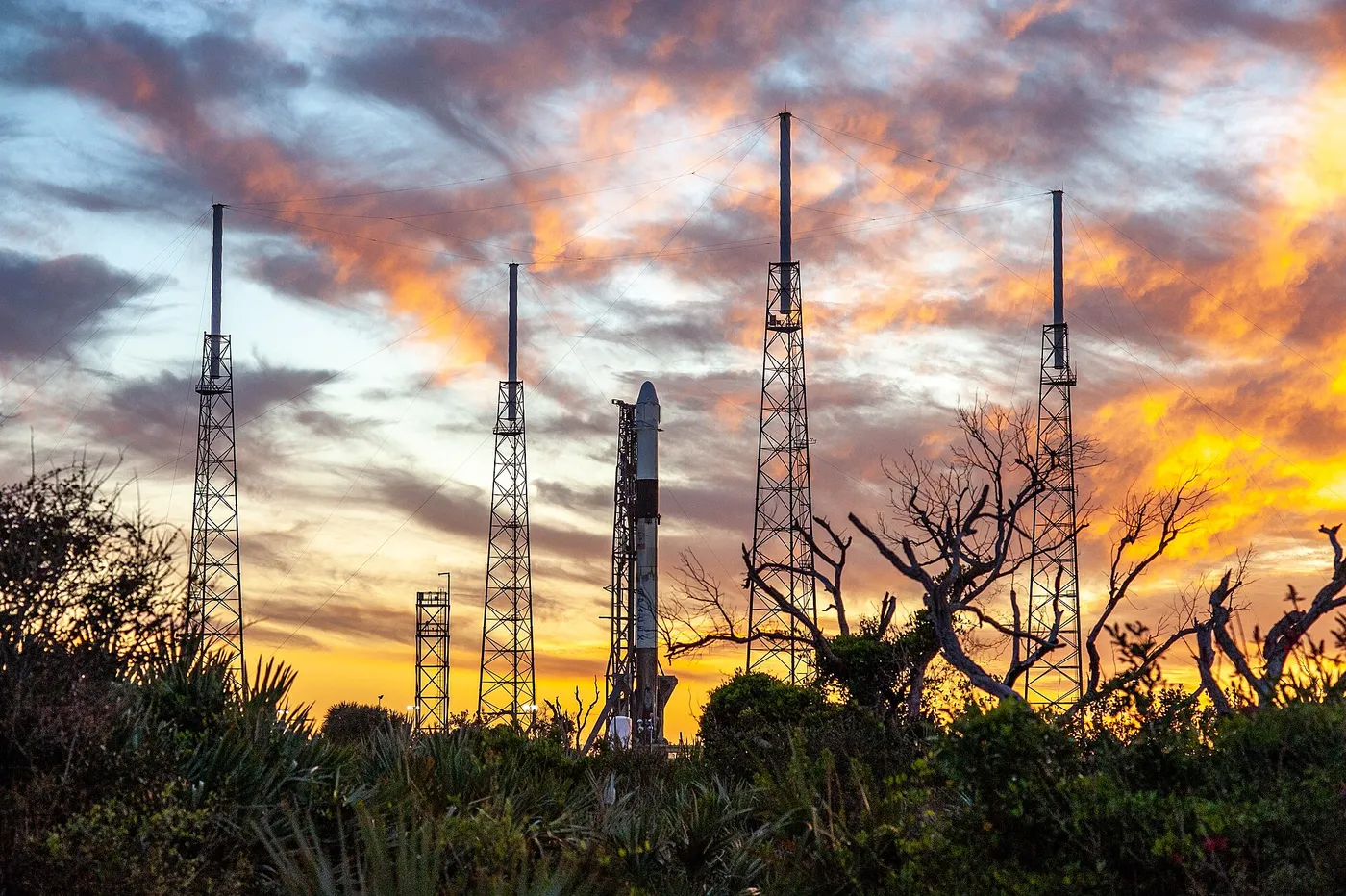
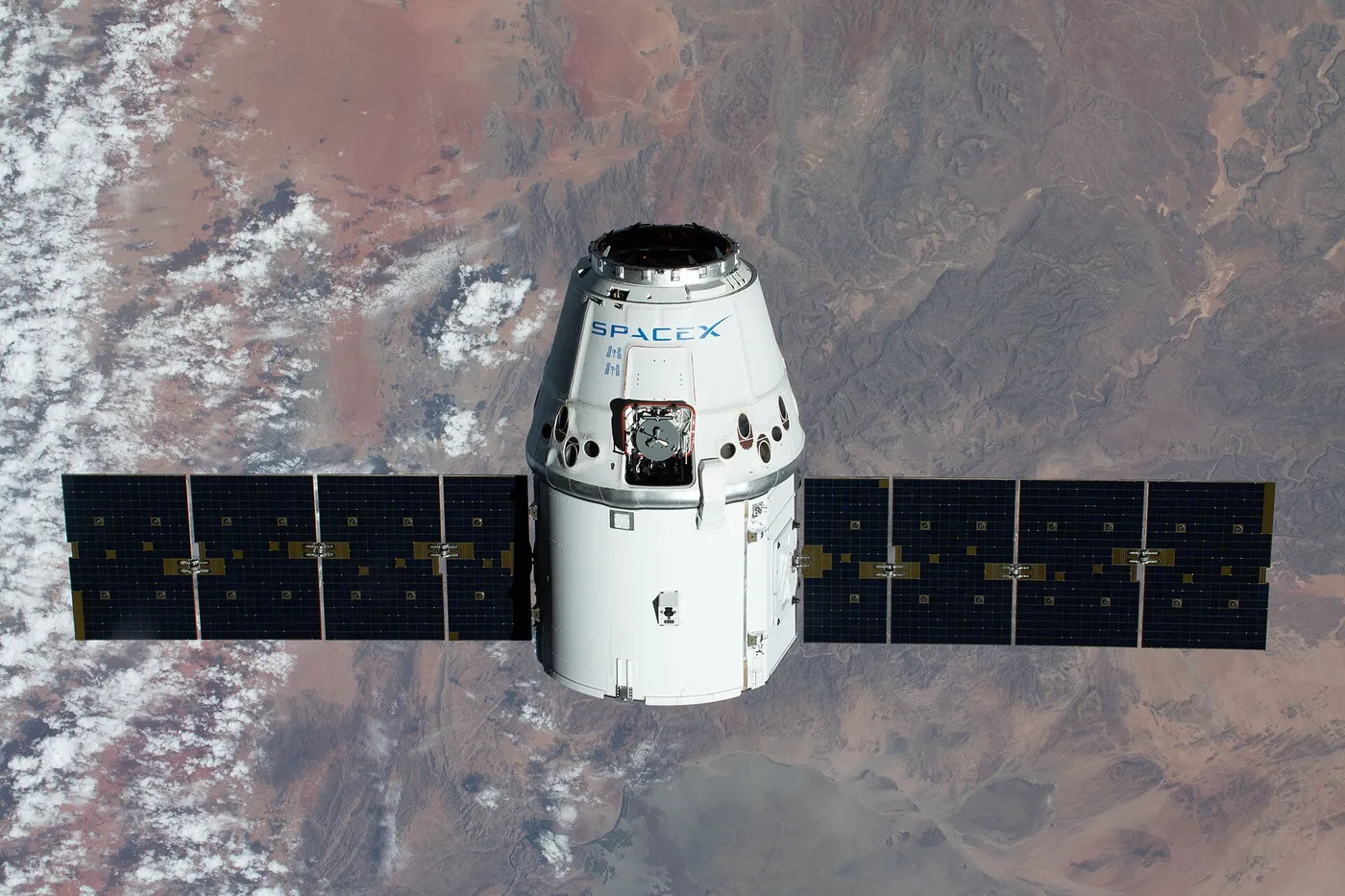

CRS-31 delivered around 2,700 kilograms and carried an unusually varied scientific load, including an instrument to study the corona from the station, hardware for growing plants under different light conditions, and experiments on the behaviour of cold atoms.
It also delivered material for a study of how spaceflight affects wound healing, and a set of experiments examining the manufacture of optical fibre and semiconductor crystals in microgravity — the commercial in-orbit production line that has been slowly maturing across many flights.
The mission included a demonstration relevant to the station's future: using the Dragon's own thrusters to reboost the outpost's orbit, a capability tested in preparation for the vehicle derived from this design that will eventually deorbit the station.
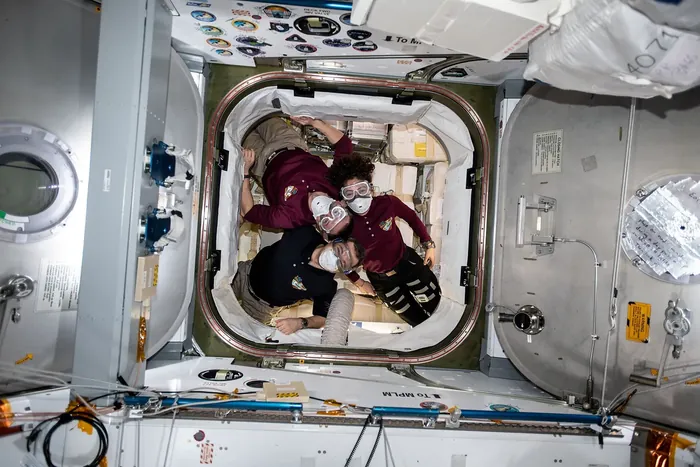
That deorbit vehicle is now contracted, and it will be a substantially enlarged Dragon with far greater propellant capacity, built to lower a 420-tonne structure into a controlled re-entry over the Pacific at the end of the decade.
The flight was otherwise routine, returning cargo and samples several weeks later.