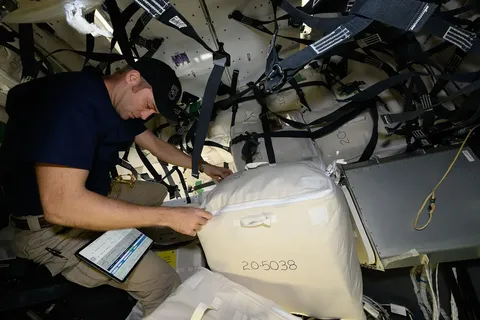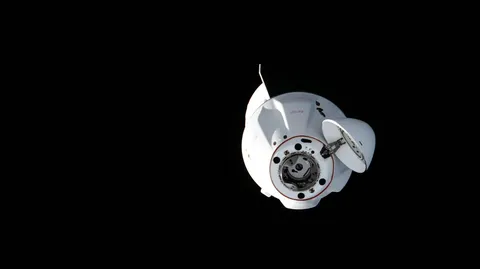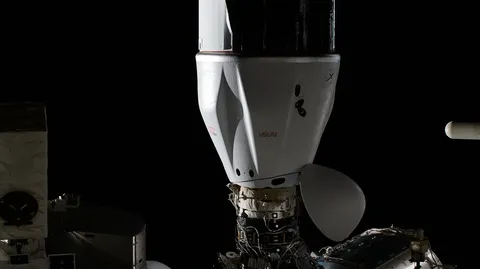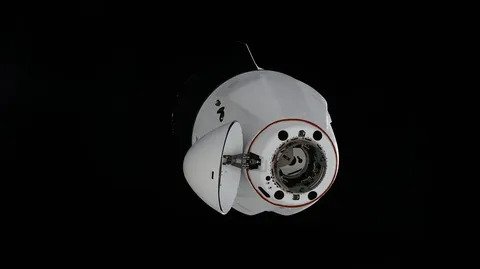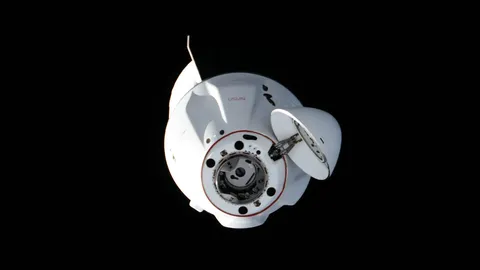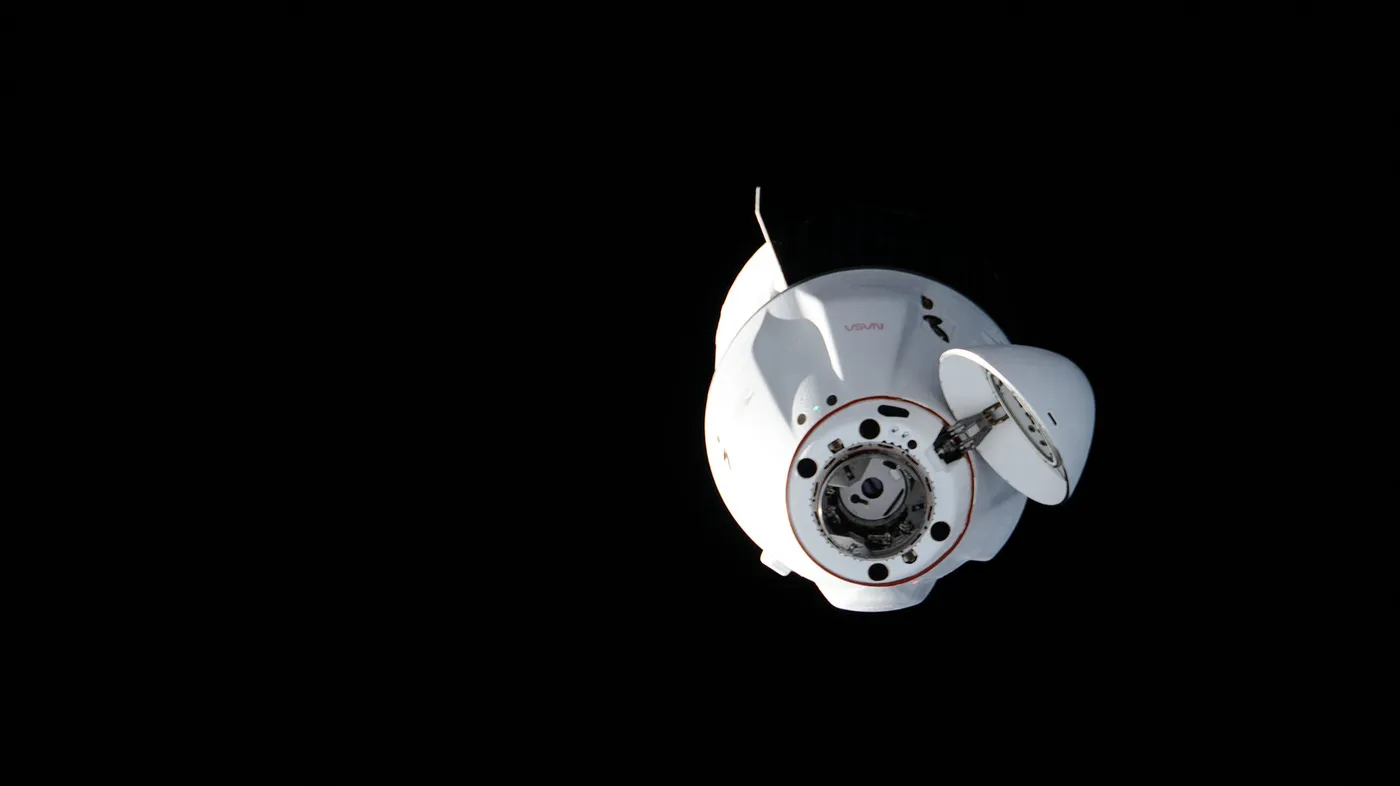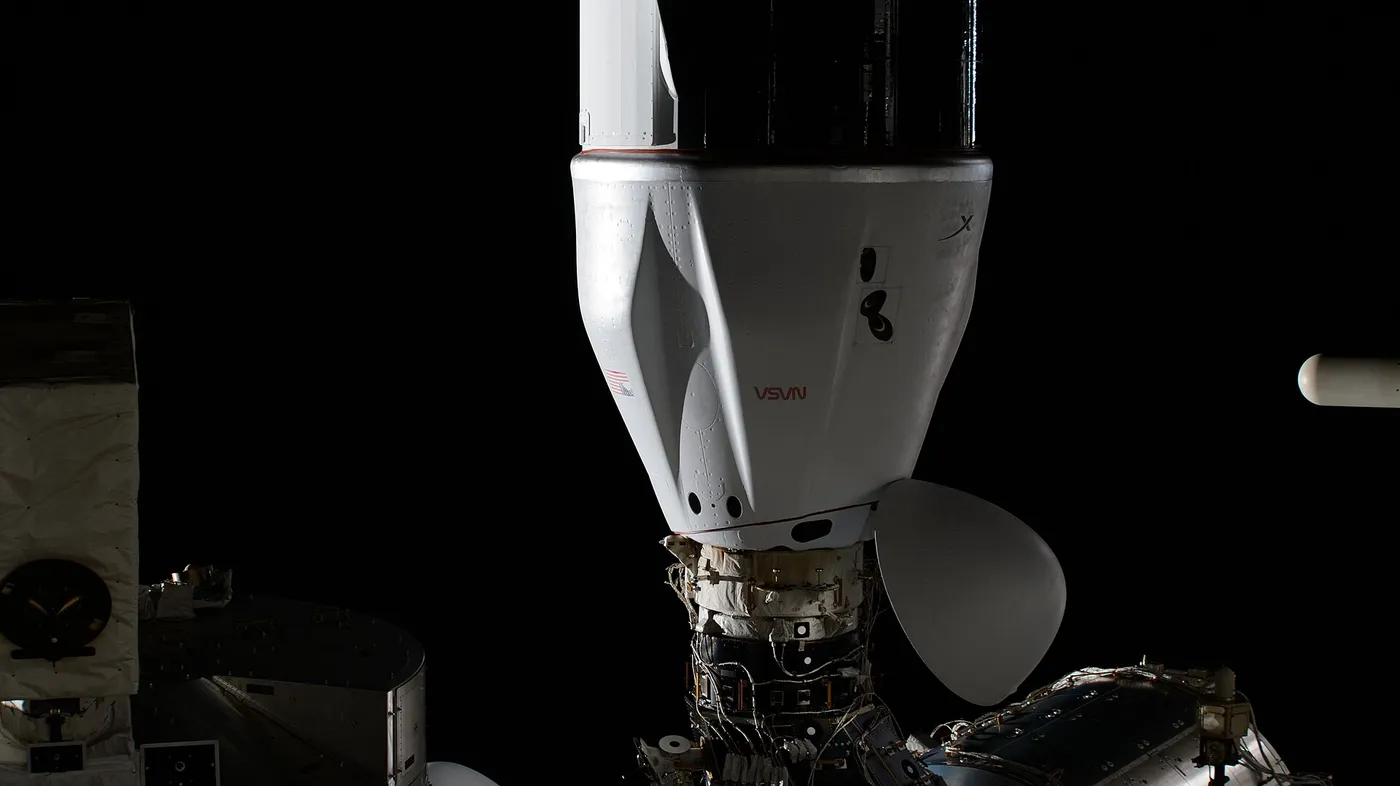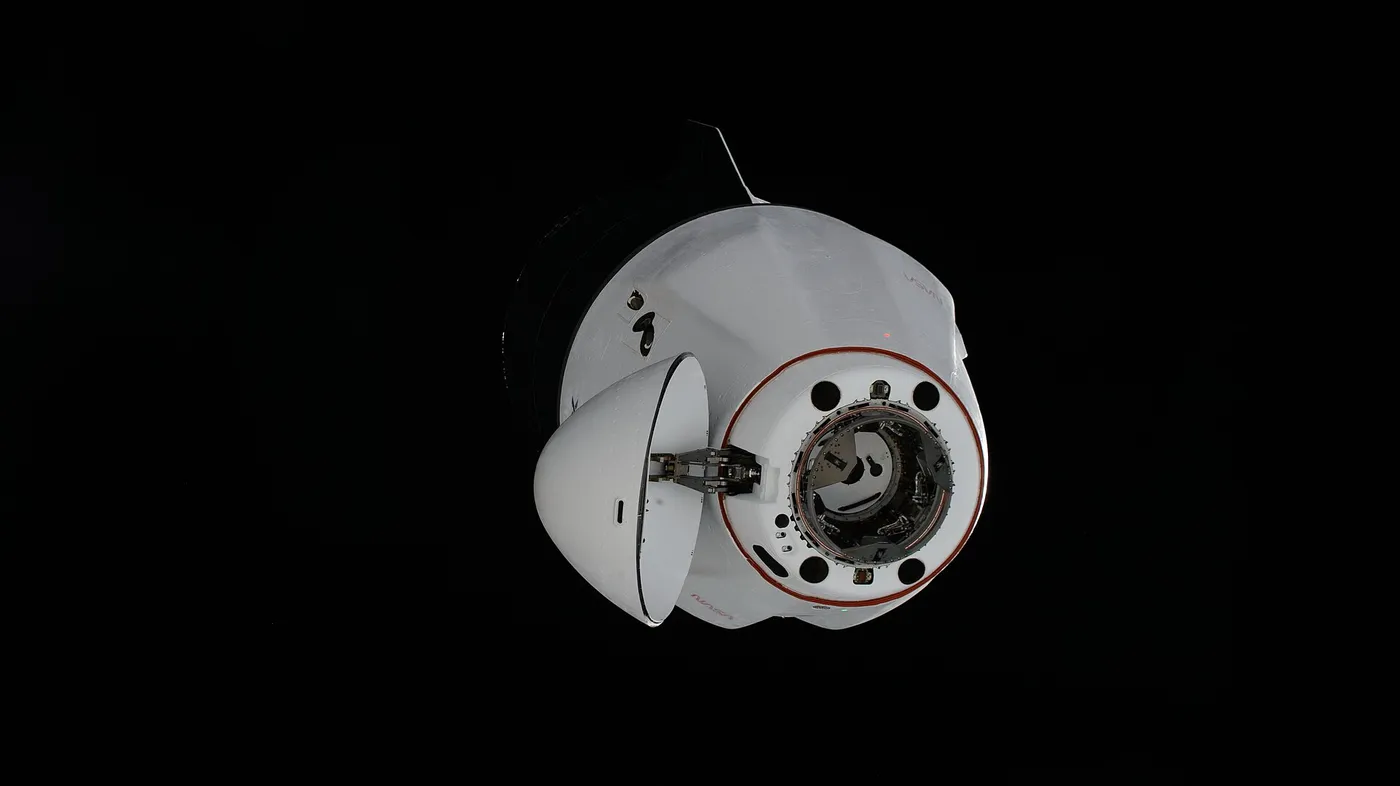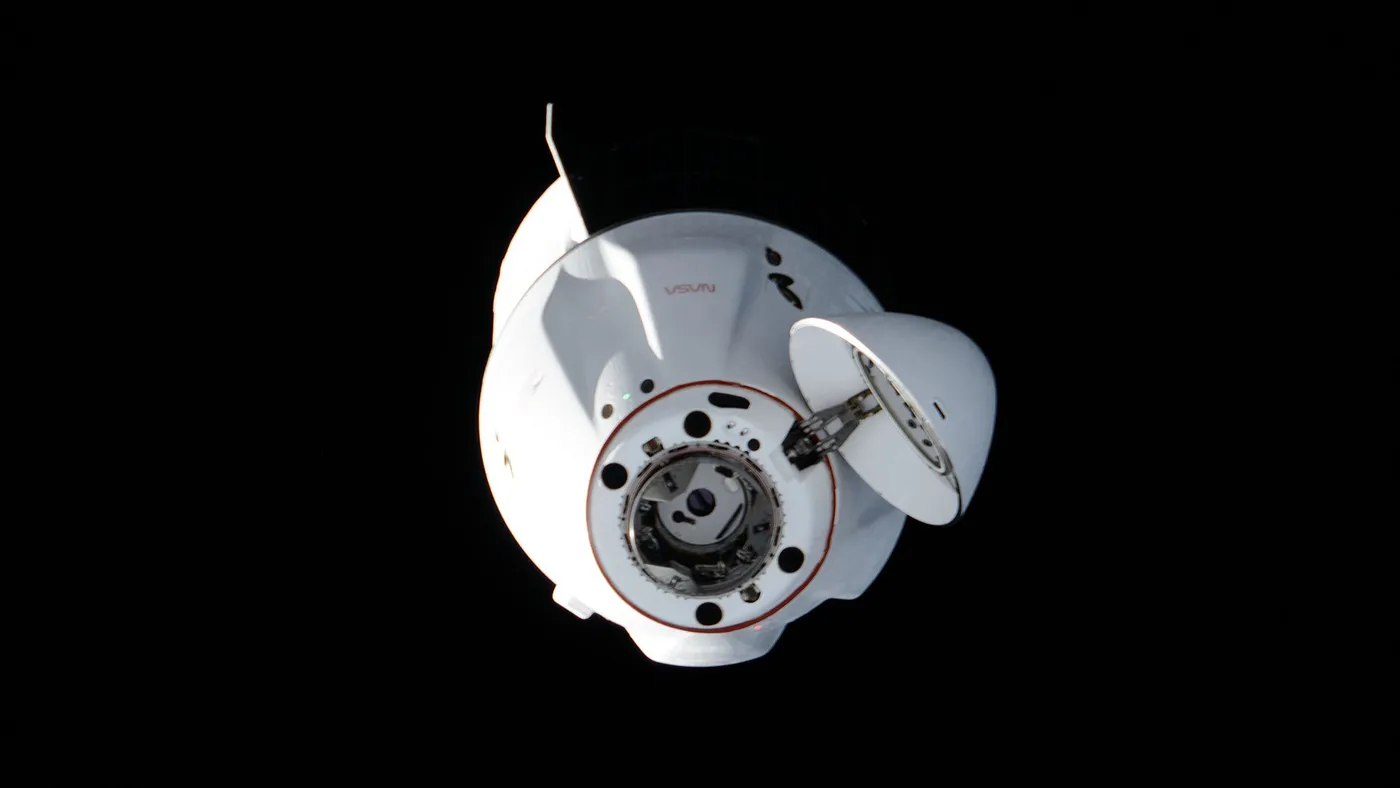
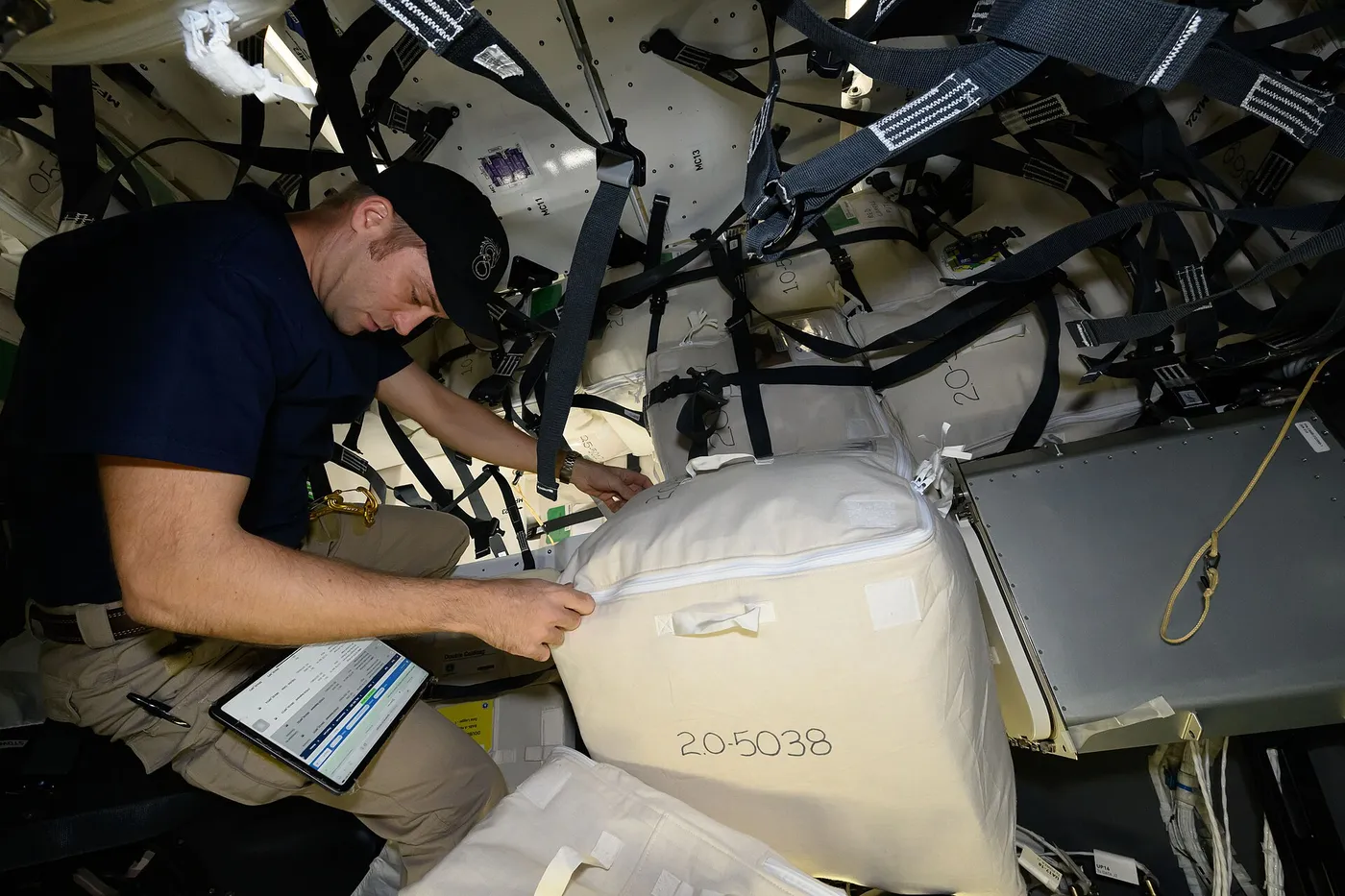

CRS-30 delivered around 2,800 kilograms including a substantial load of scientific hardware, crew provisions and spare parts for a station whose maintenance burden grows as its systems age.
The science included experiments on plant growth in microgravity, on the behaviour of metals during solidification, and on how spaceflight affects the human musculoskeletal system — the last being among the longest-running lines of station research, since bone and muscle loss remain the principal medical obstacles to long missions.
It also carried a demonstration of robotic surgical equipment operated remotely from the ground, testing whether the communications delay and the absence of gravity permit tele-operated procedures — relevant to missions where no surgeon can be aboard.
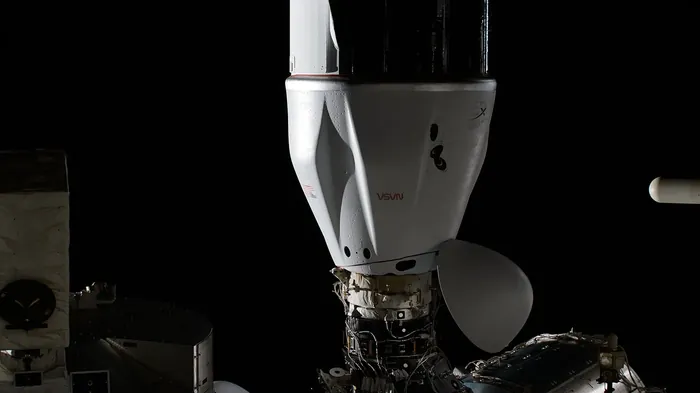
The capsule and booster were both previously flown, and the mission was conducted without incident.
It returned around 1,800 kilograms. The routine nature of these flights is easy to overlook: a spacecraft arriving on schedule with three tonnes of cargo, docking itself, and returning biological samples intact is a capability the programme did not possess at all fifteen years earlier.