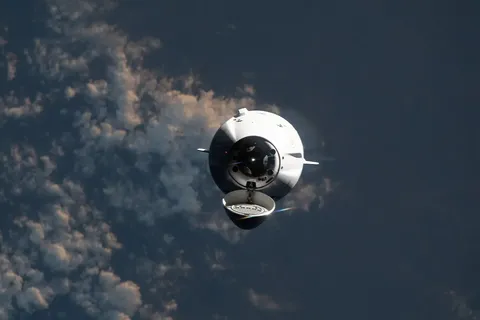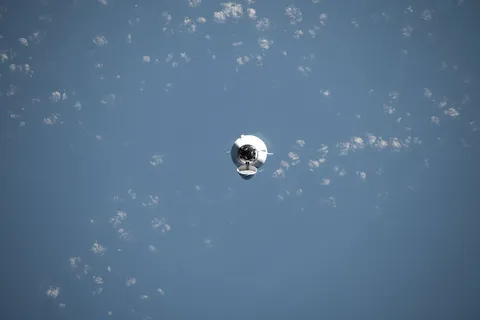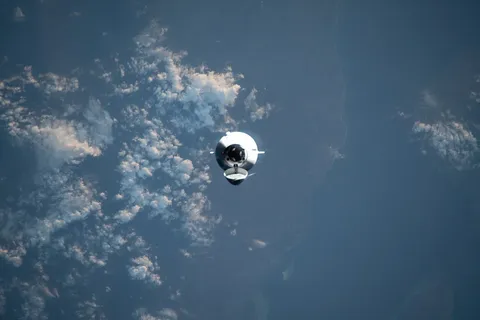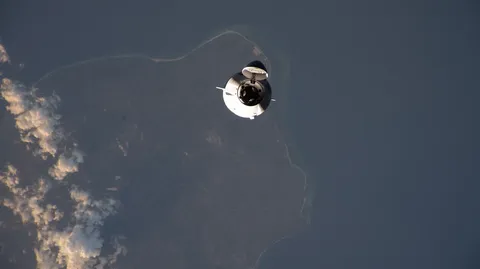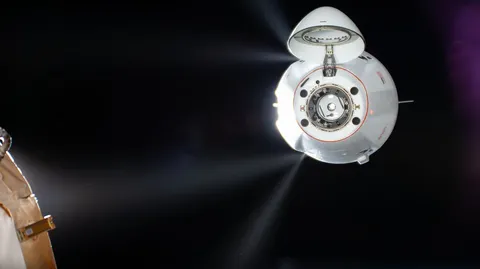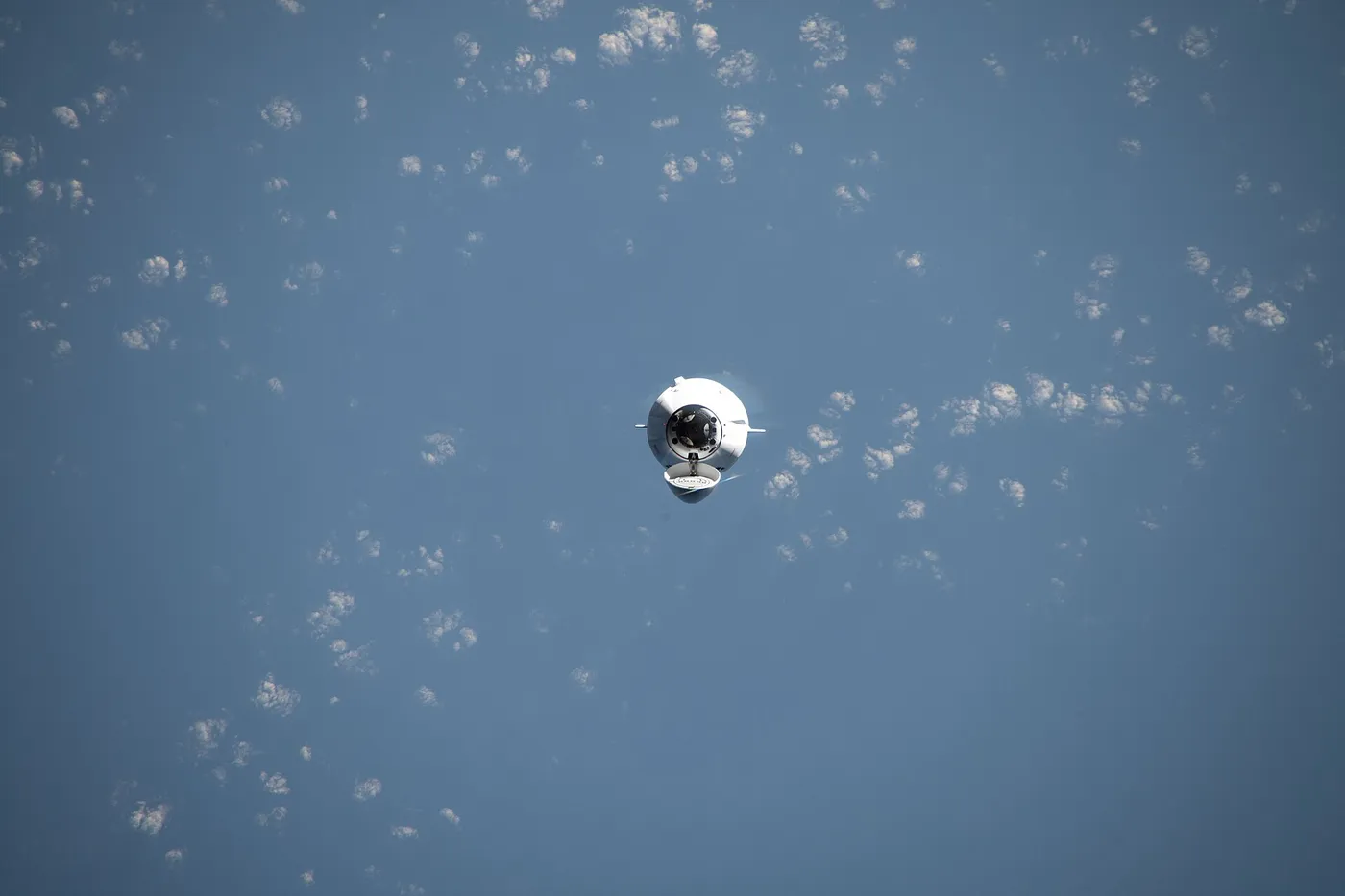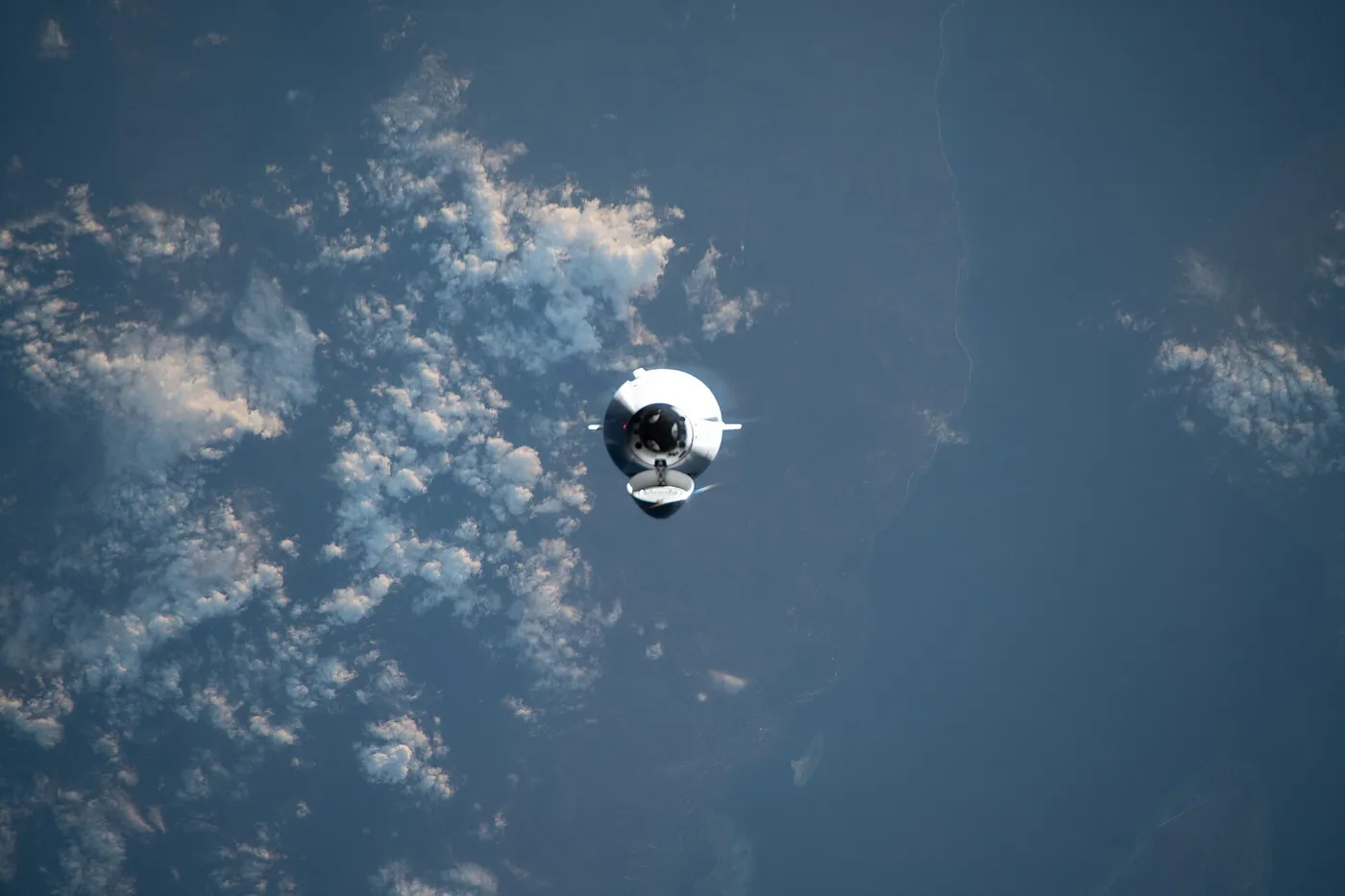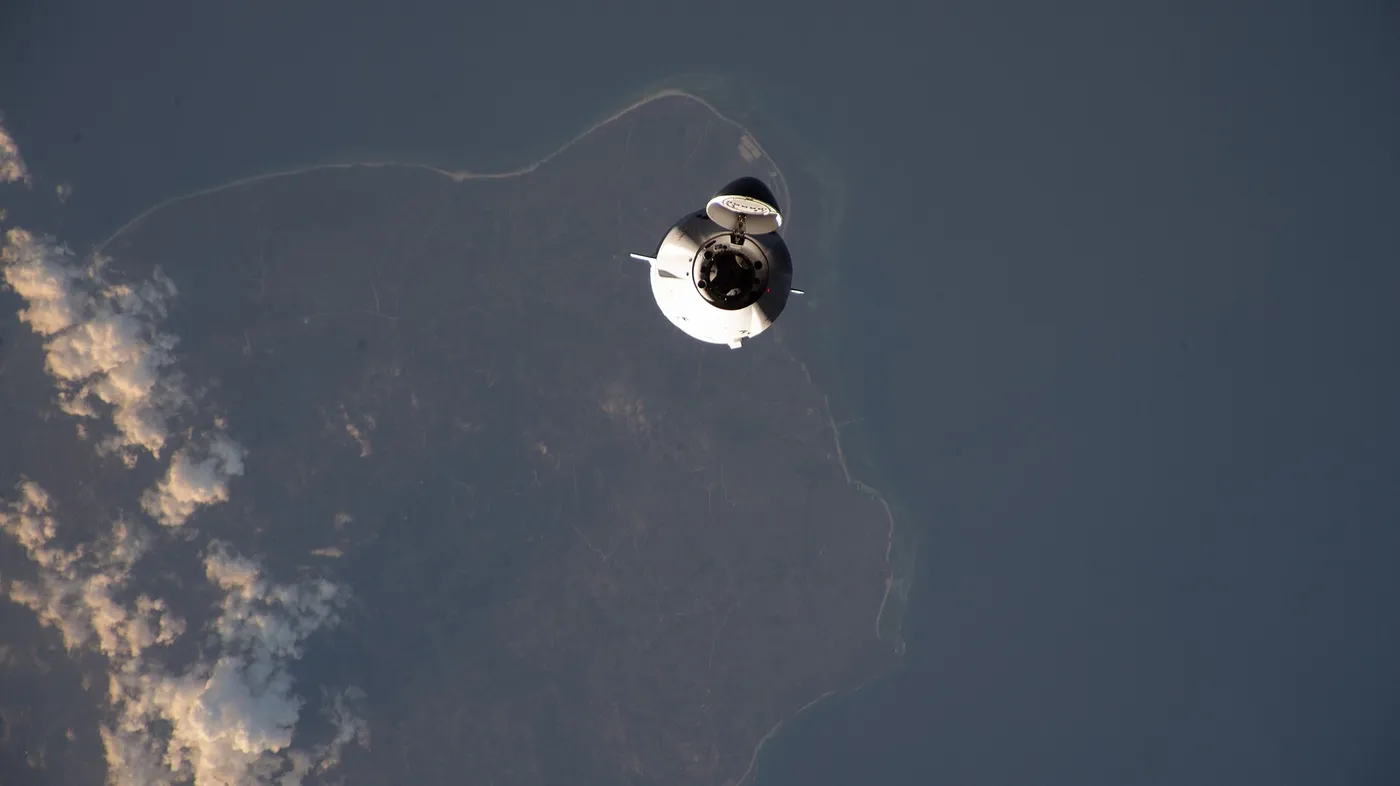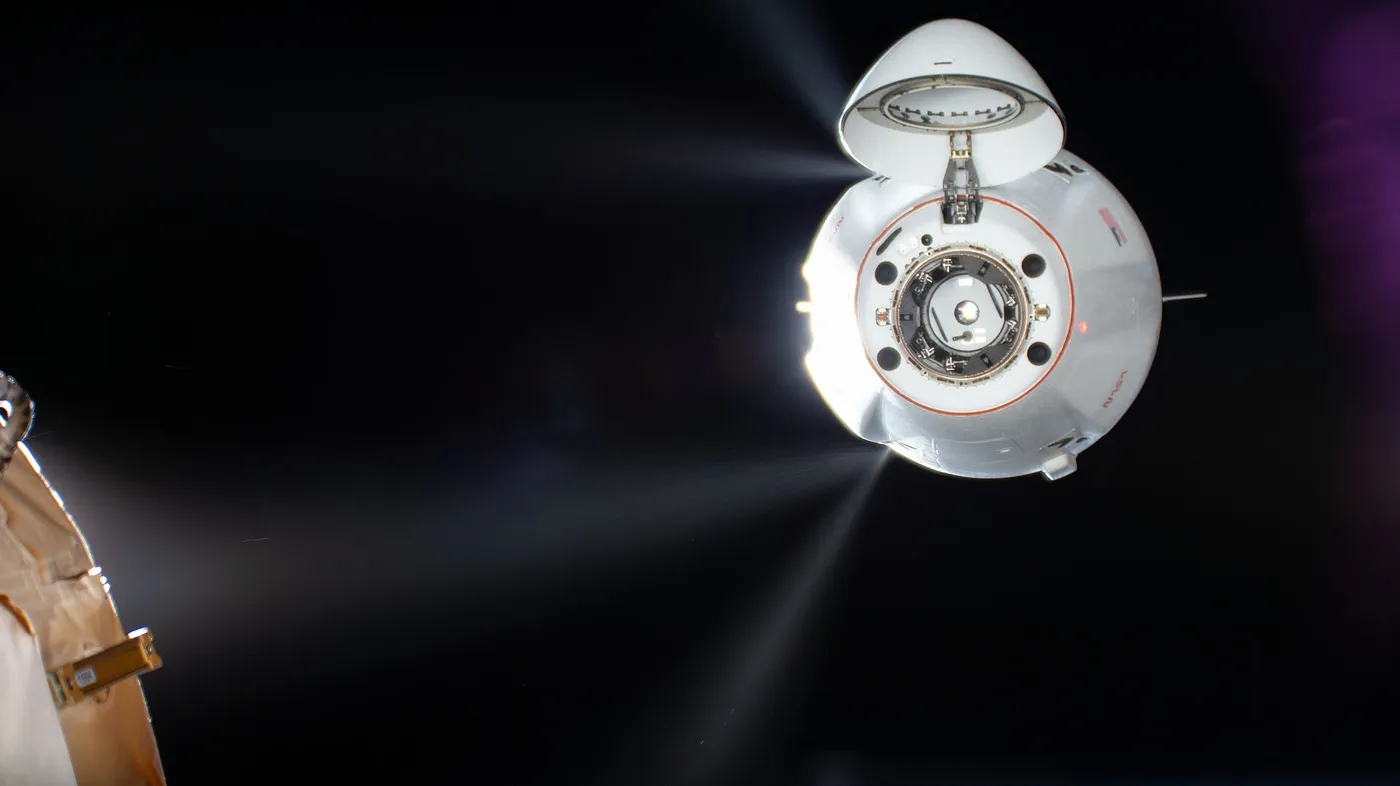
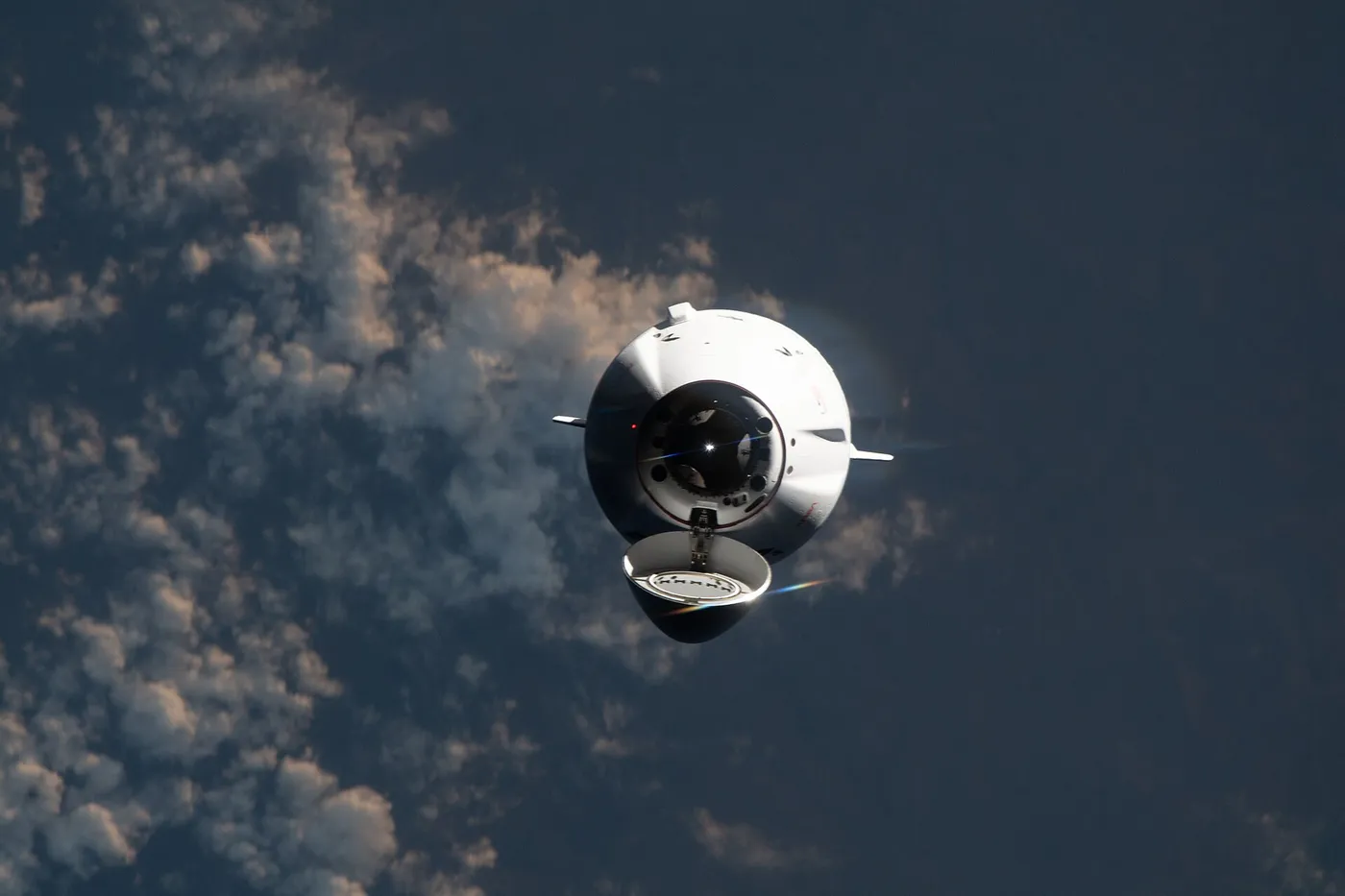

CRS-29 carried a laser communications terminal for the station. ILLUMA-T transmits data by infrared laser rather than radio, at rates substantially higher than the station's conventional links, relaying through a demonstration satellite in geostationary orbit.
Optical communication is the assumed future for high-rate space data. It offers far greater bandwidth for the same mass and power, and the station provides a convenient testbed for the pointing accuracy and atmospheric compensation the technique requires.
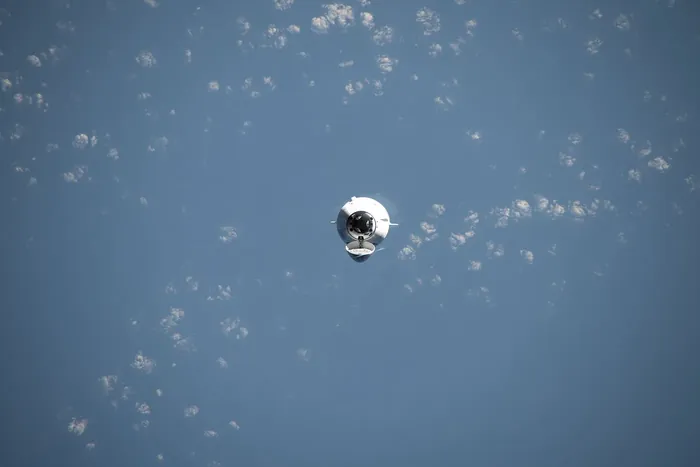
The flight also delivered an instrument to study atmospheric gravity waves — the ripples propagating upward from weather systems into the upper atmosphere, which transfer energy between layers and affect satellite drag.
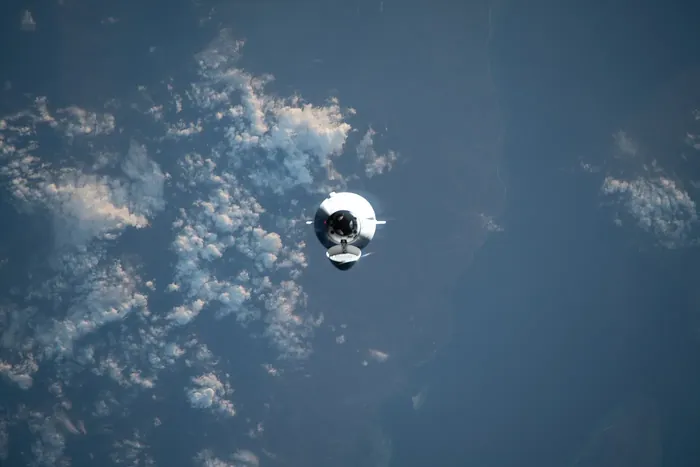
Around 2,900 kilograms of cargo was delivered in total, including biological experiments and crew provisions, and a comparable mass returned.
By this point the station's research programme was increasingly oriented towards technologies needed beyond low orbit — laser communications, closed-loop life support, radiation monitoring — reflecting an outpost being used to prepare for what comes after it.