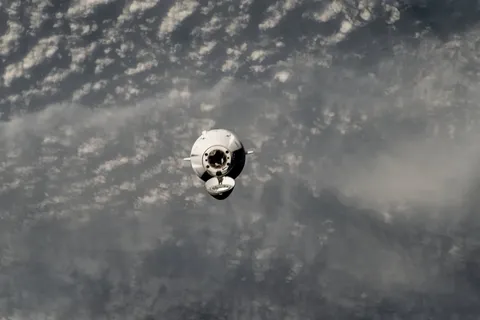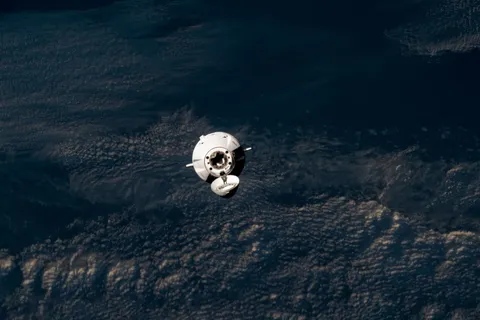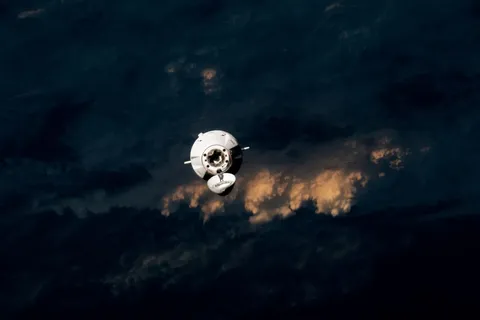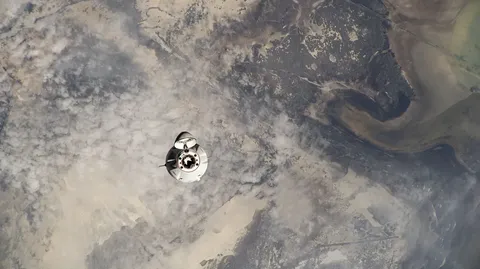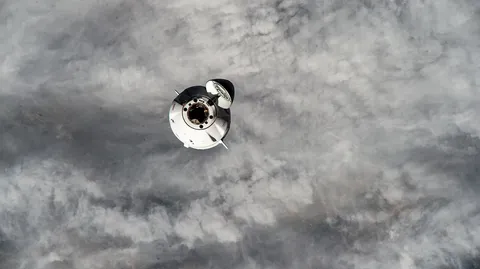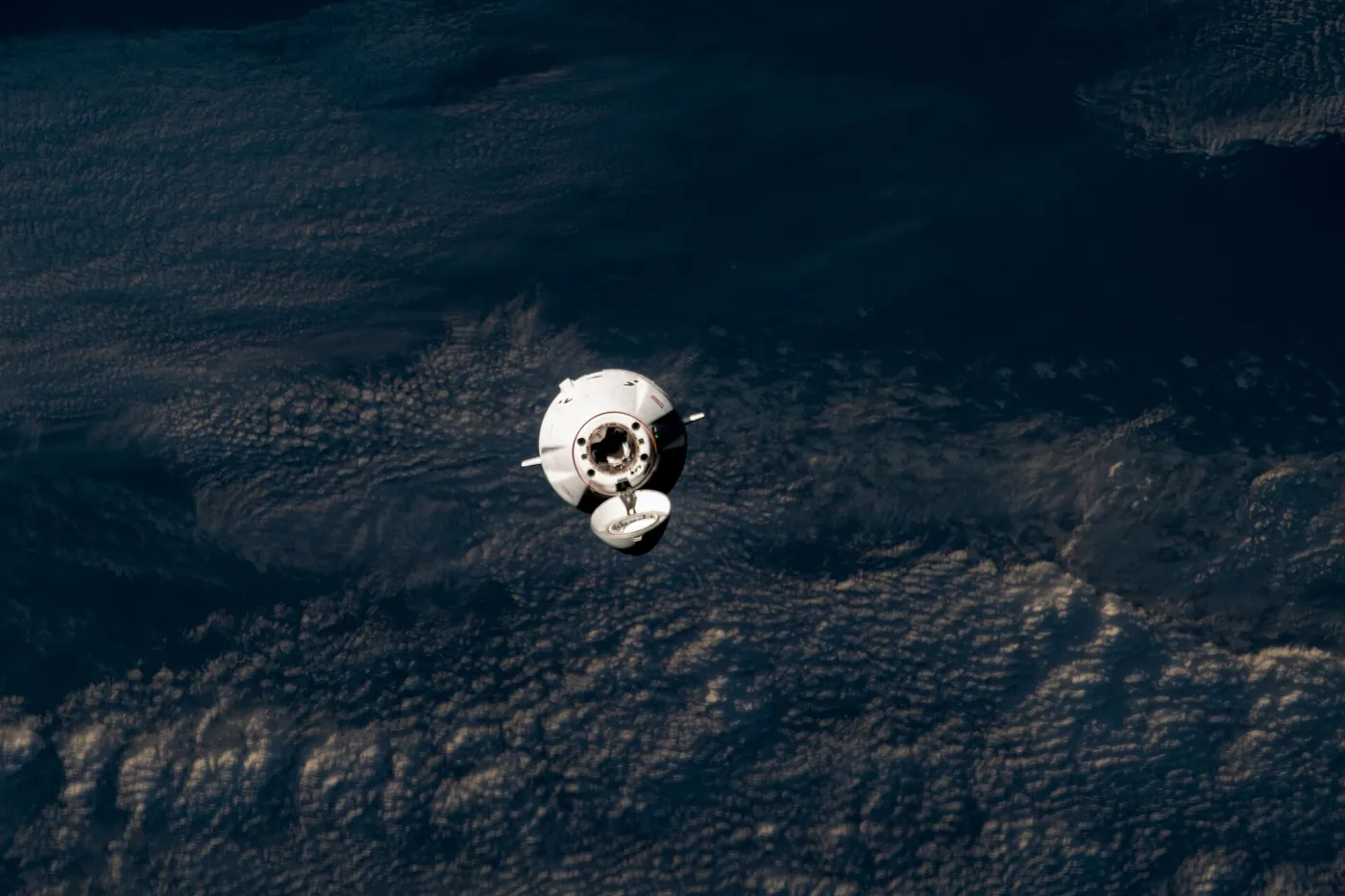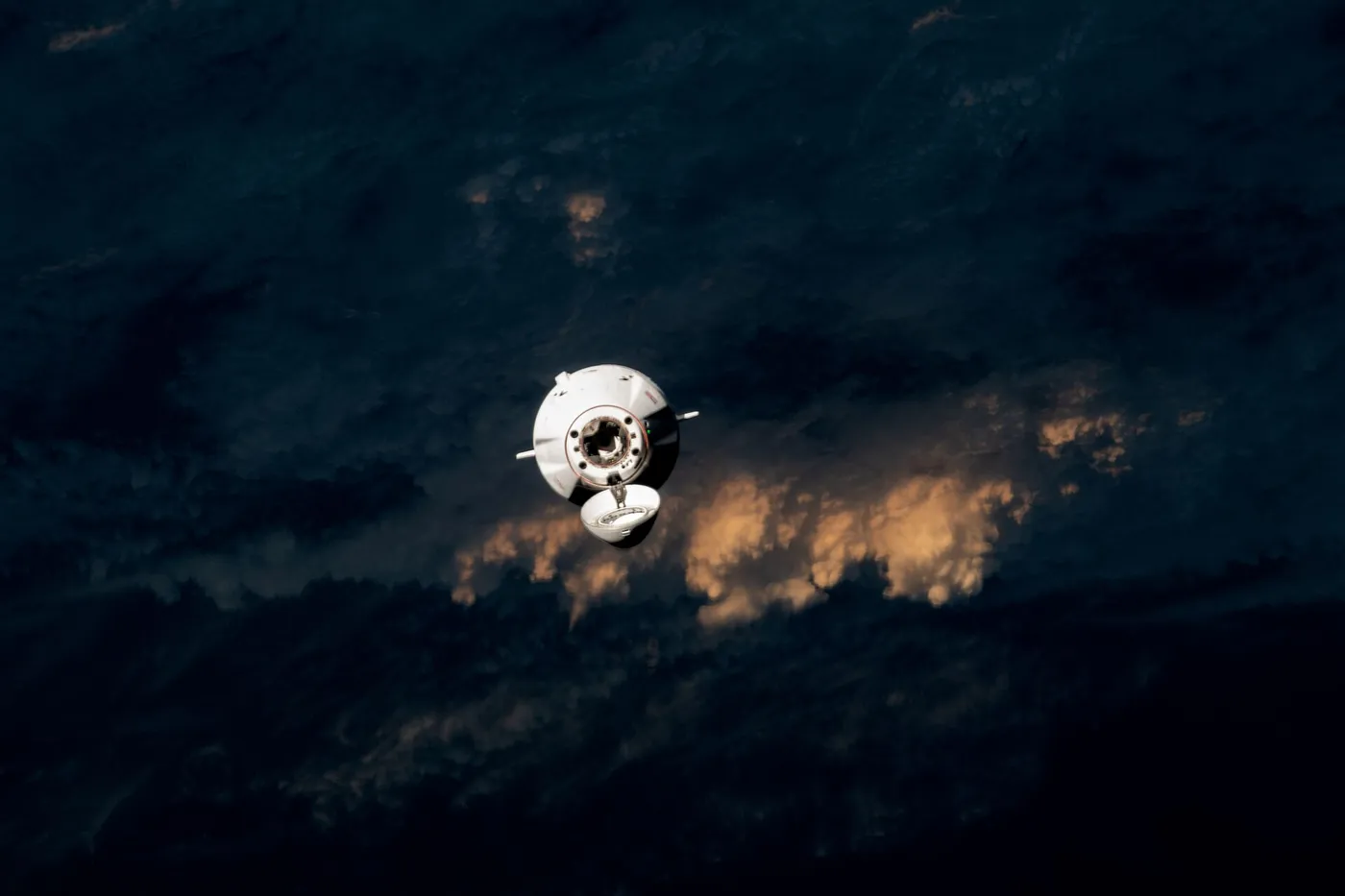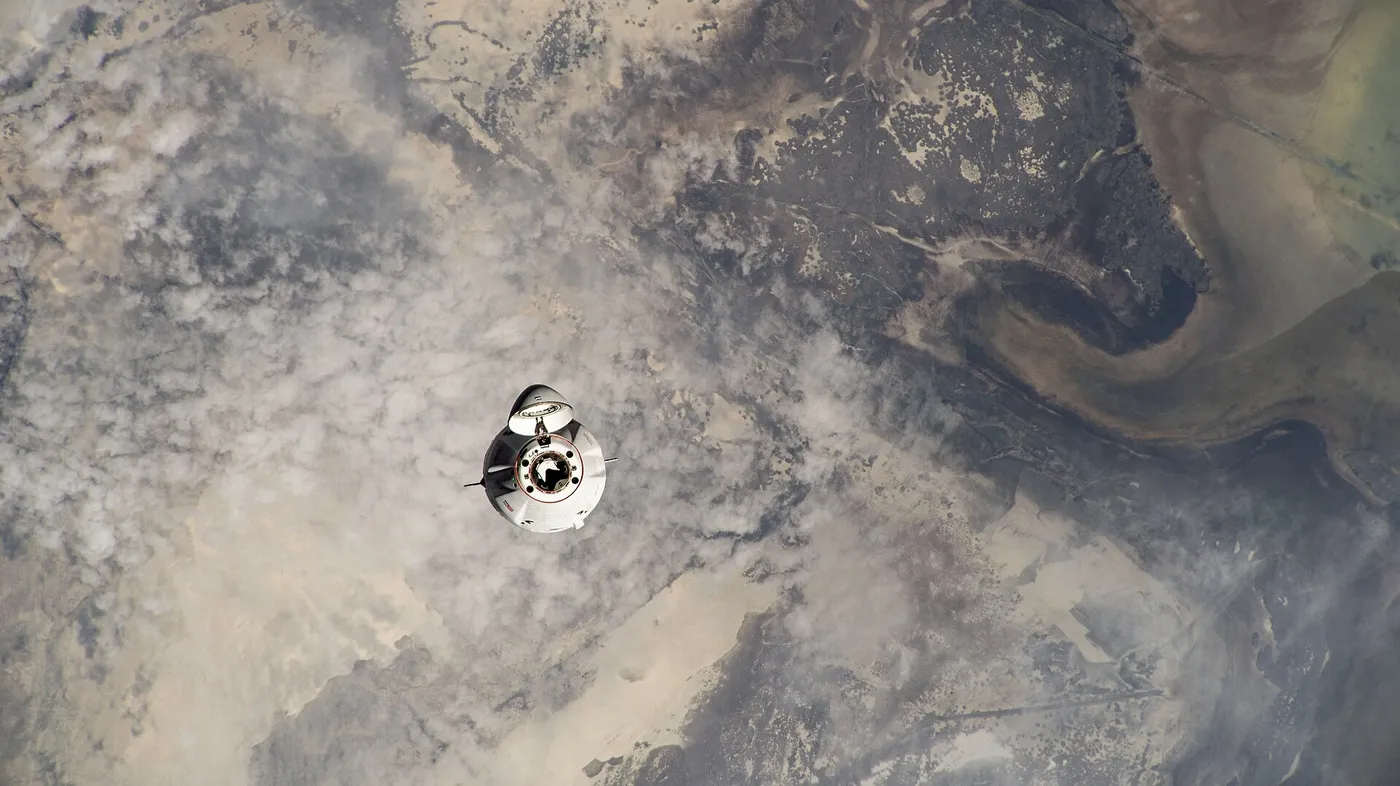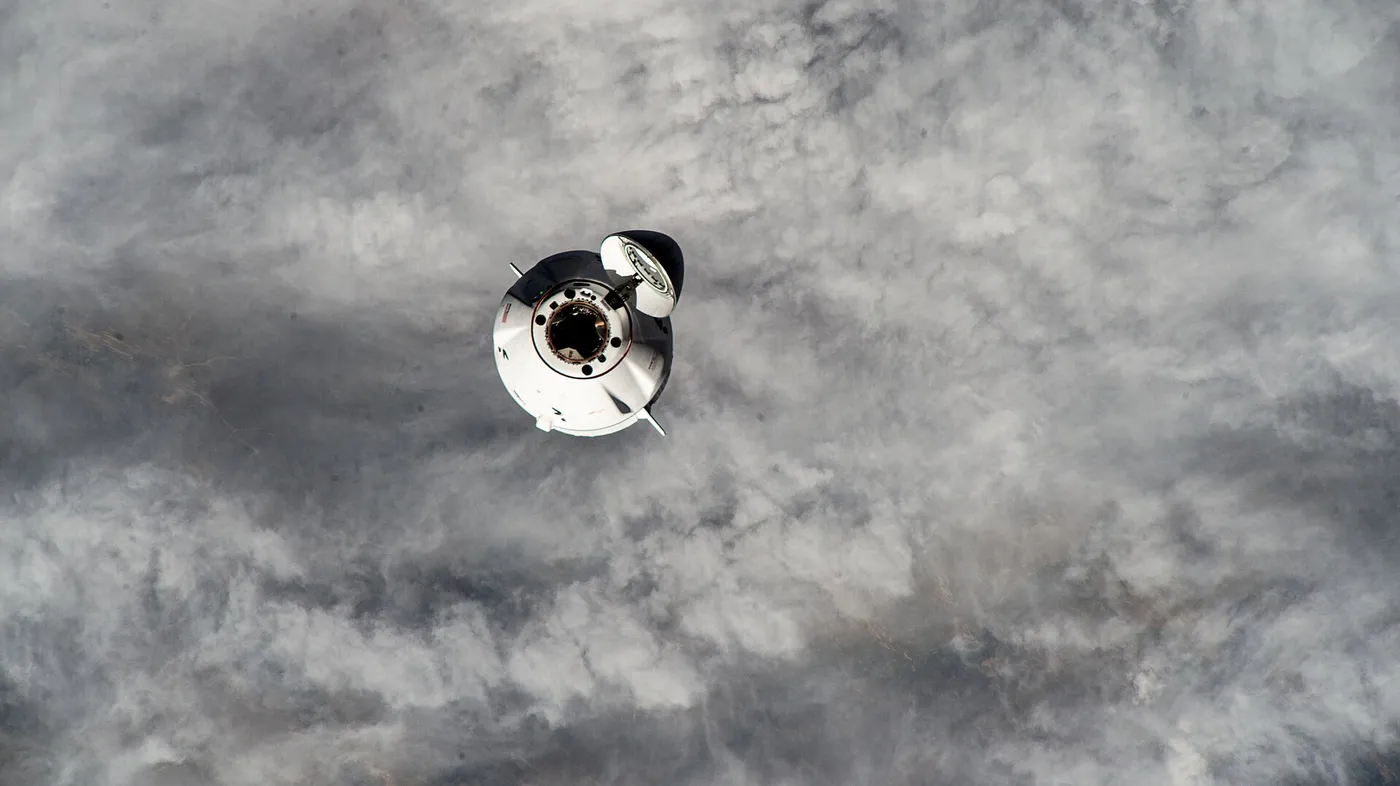
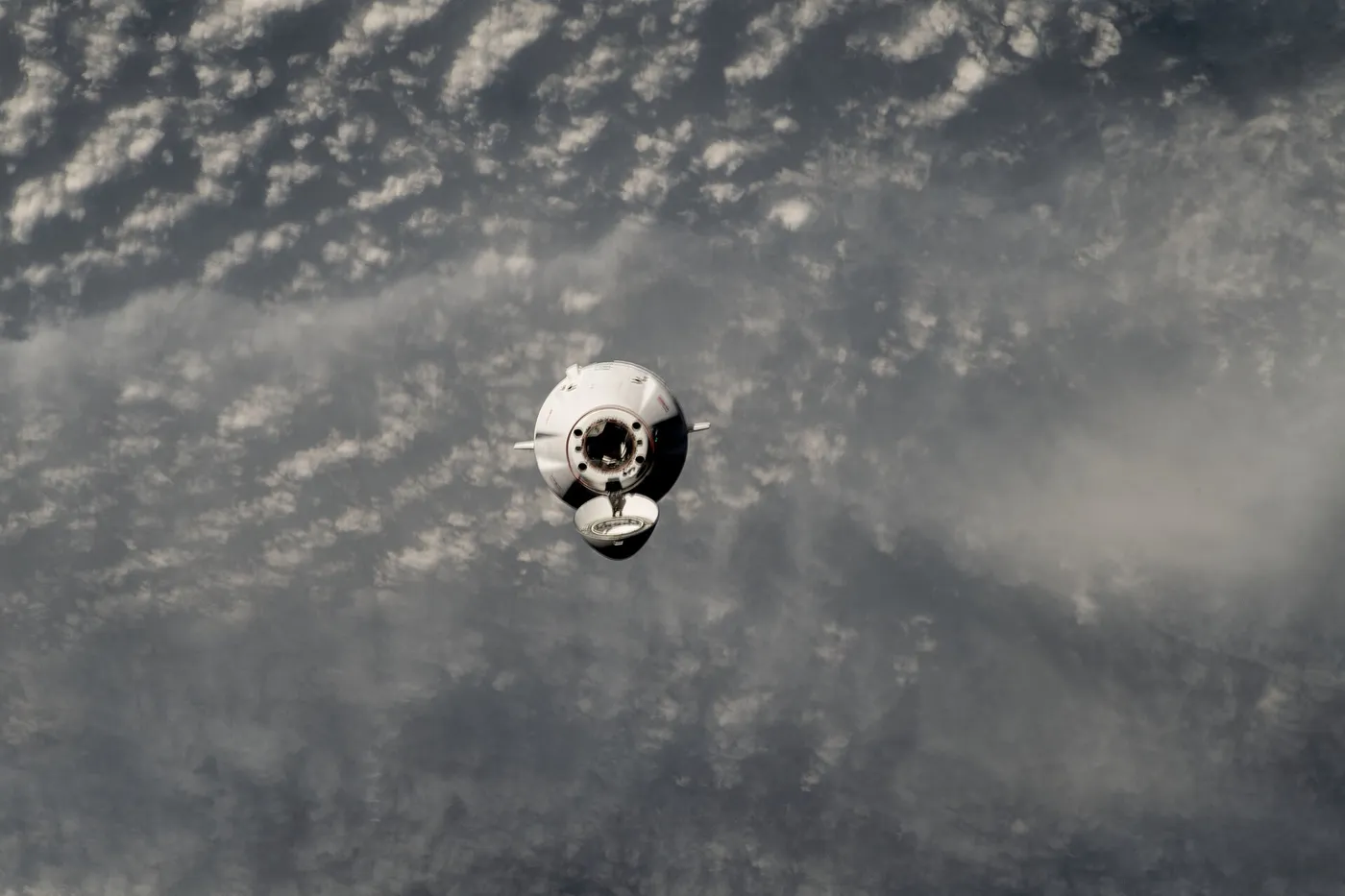

CRS-28 carried the fifth and sixth roll-out solar arrays in its trunk, completing a substantial part of the station's power restoration programme, along with around 3,200 kilograms of pressurised cargo.
The scientific payload included an experiment on the genetics of plant adaptation to spaceflight, hardware for monitoring the station's water quality, and a facility for studying how fires behave in reduced gravity — a continuing concern given that fire is among the most serious hazards aboard any spacecraft.
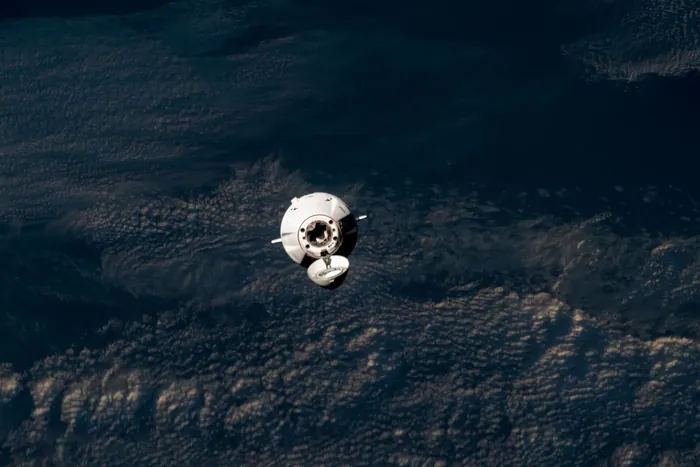
It also delivered a set of experiments examining how microgravity affects the formation of amyloid structures, the protein aggregates implicated in neurodegenerative disease, which form differently without convection.
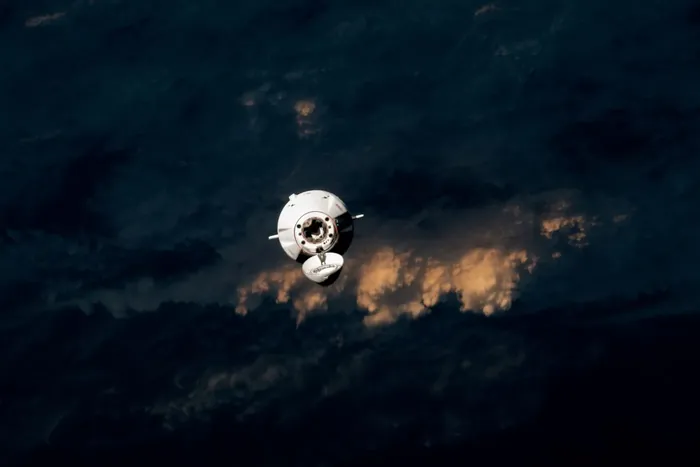
The mission was conducted normally, and the arrays were installed over subsequent spacewalks by the station crew.
The upgrade programme these arrays belong to has extended the station's electrical capability into its final years, and represents one of the larger engineering efforts undertaken on an outpost that is now well past its original design life.