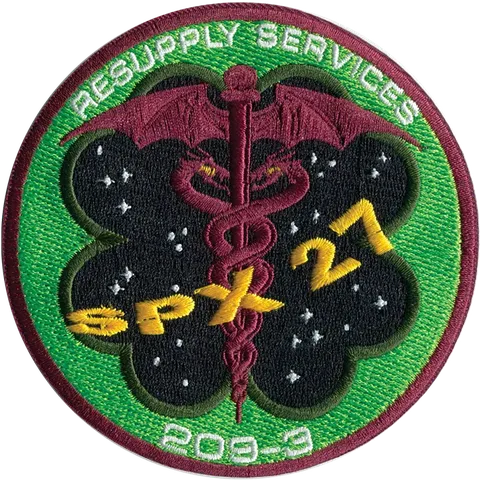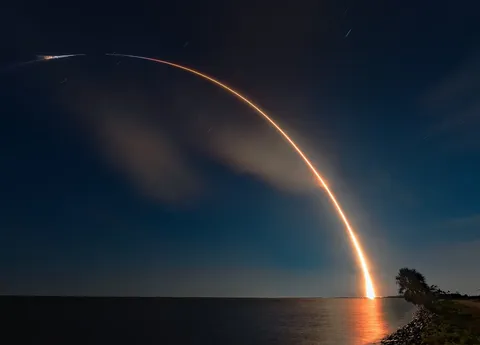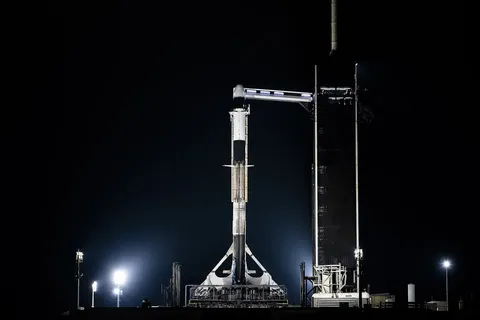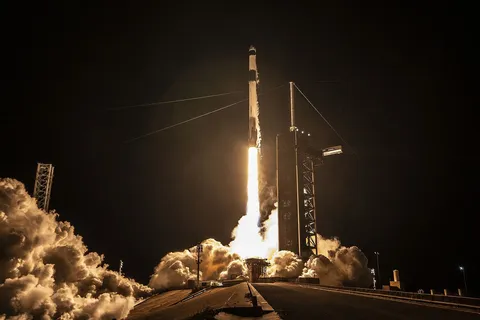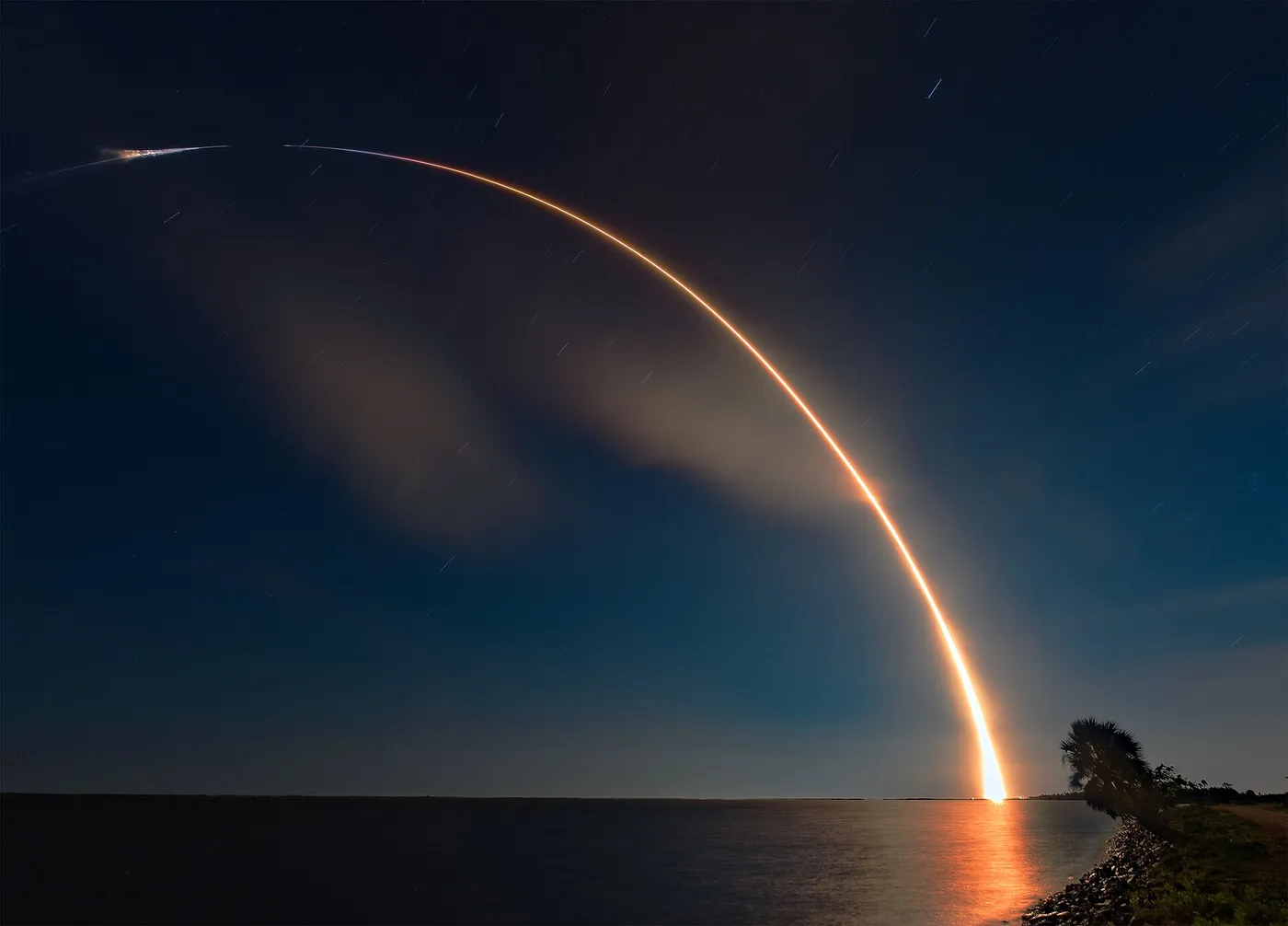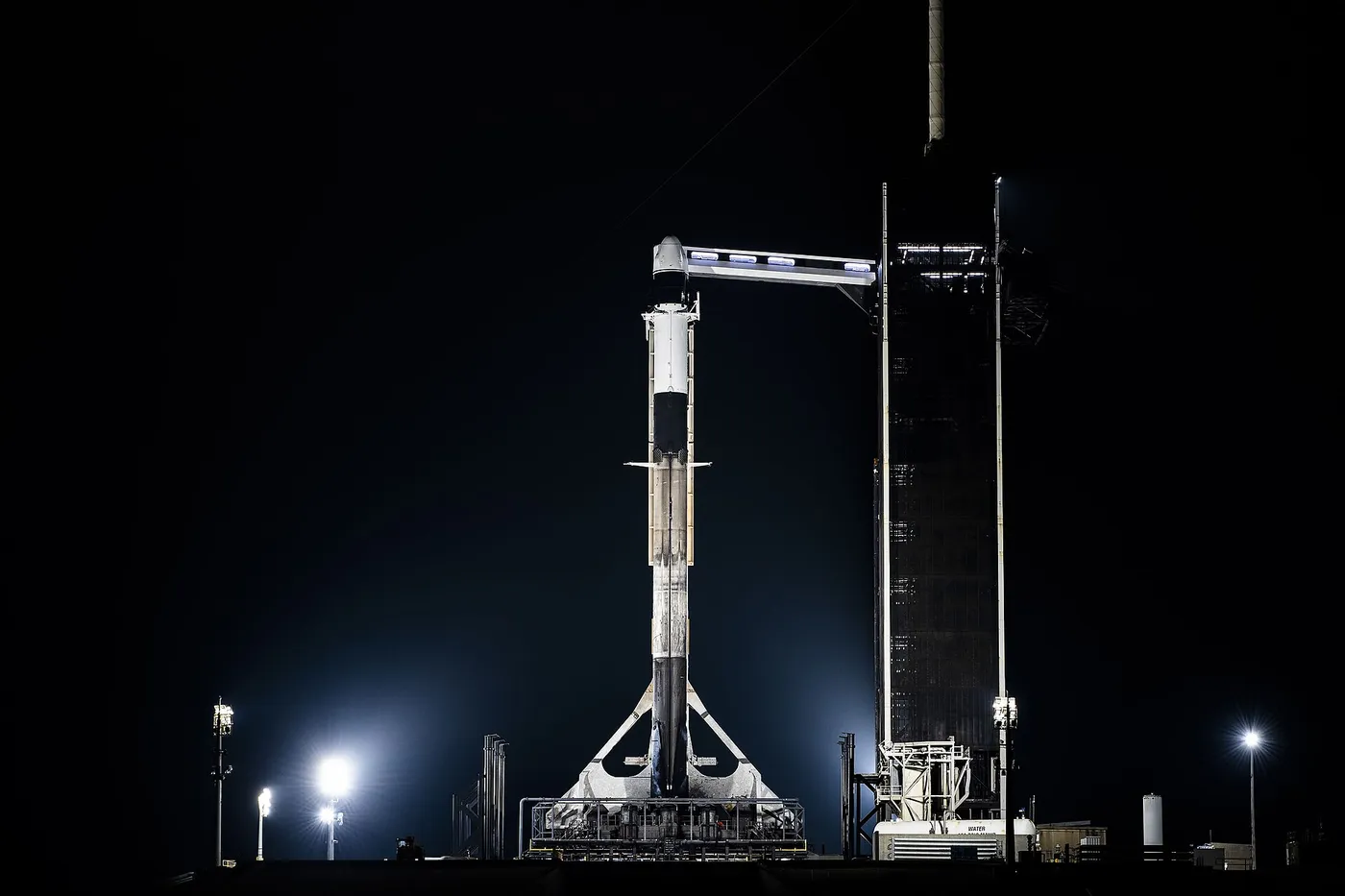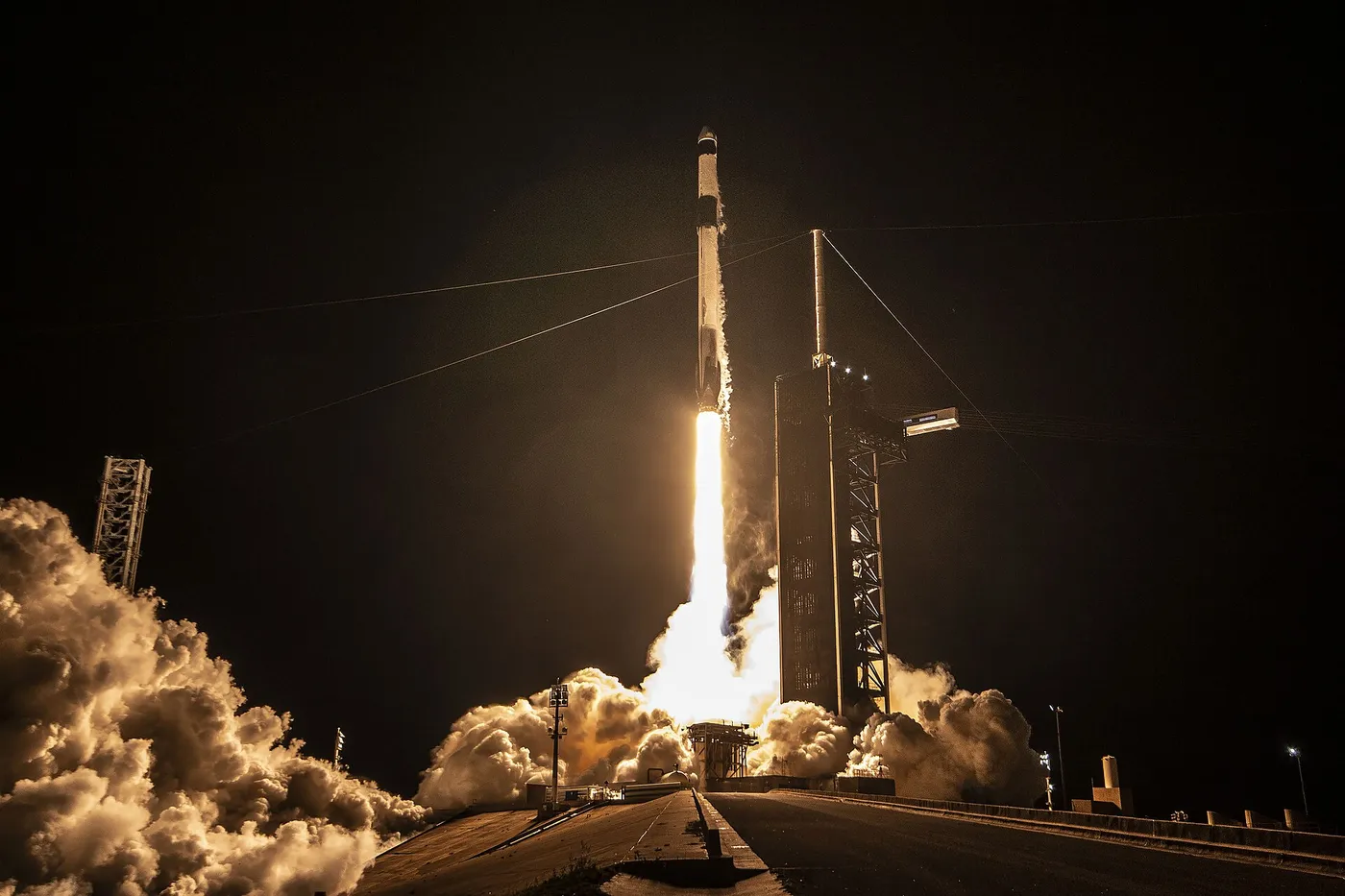
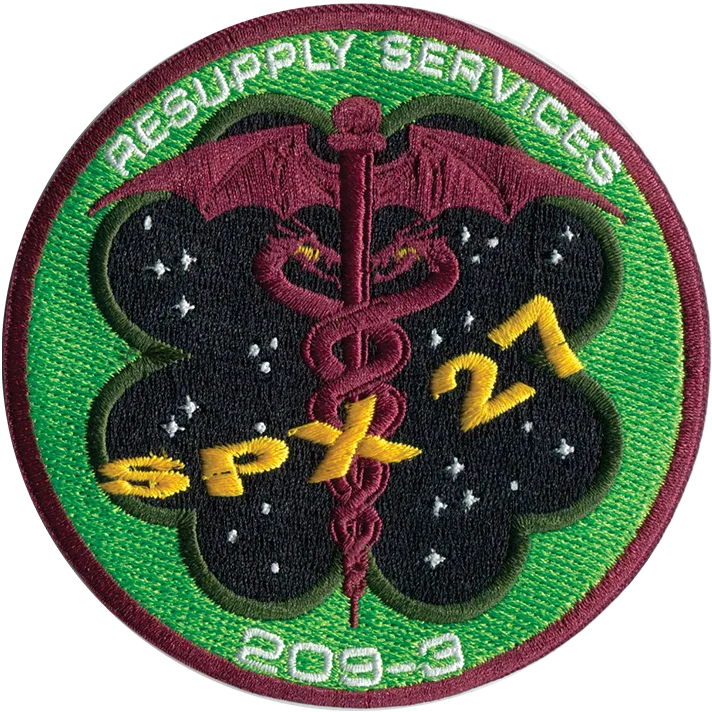

CRS-27 delivered around 2,800 kilograms of cargo including a substantial biological research load: experiments on heart tissue, on bacterial behaviour in microgravity, and on how the immune system responds to the combined stresses of spaceflight.
It also carried hardware for a study of how fluids behave in porous materials without gravity, which bears on the design of life-support systems, fuel tanks and thermal control equipment for long missions.
Among the more unusual items was a set of experiments prepared by students, continuing a programme that has flown school-designed investigations on resupply missions for over a decade.
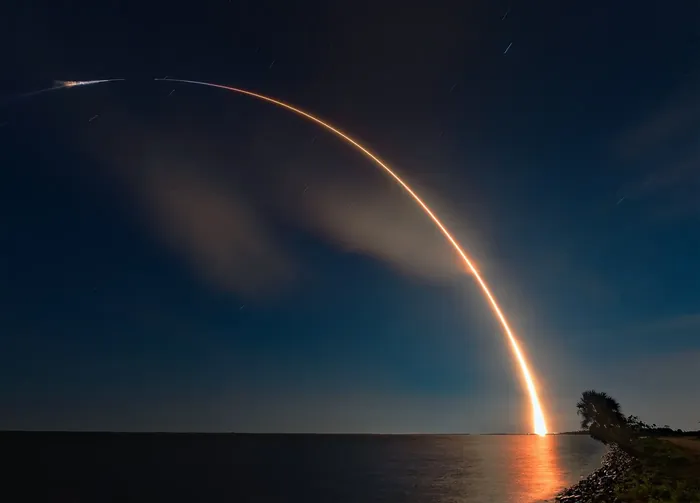
The capsule was on its third flight and the booster its second, and the mission passed without incident.
It returned around 1,900 kilograms, including samples requiring refrigeration — the routine but essential function of getting biological material back to laboratories while it remains viable.