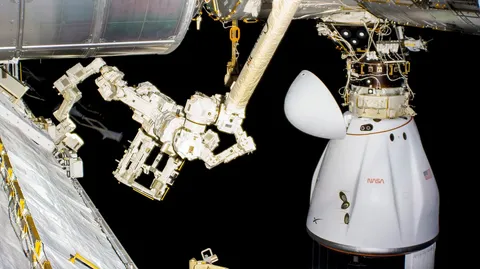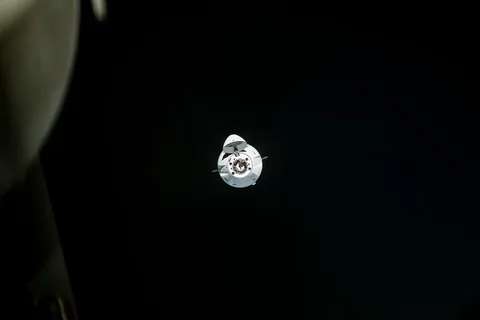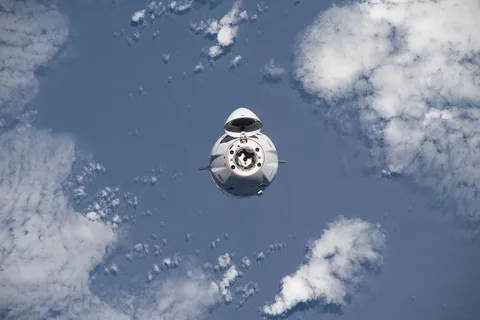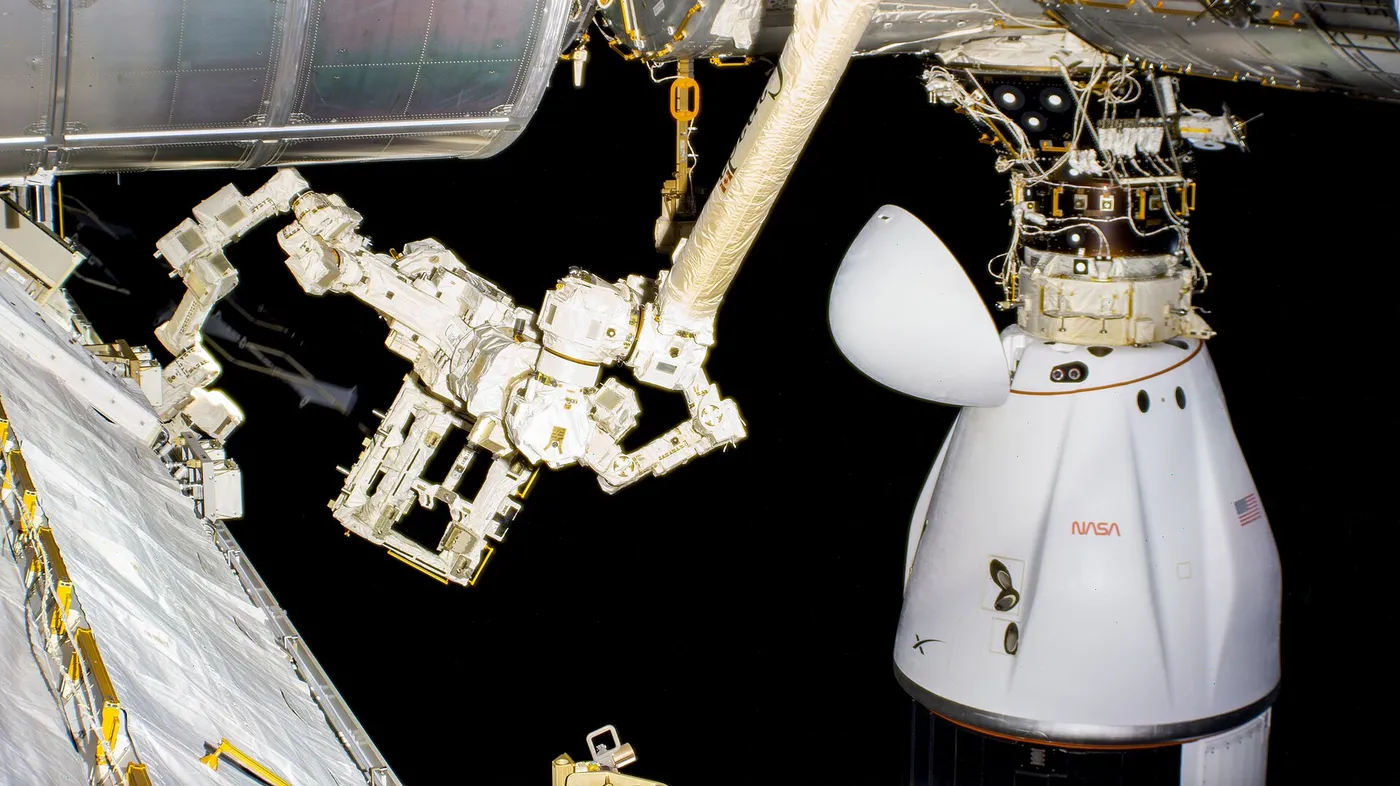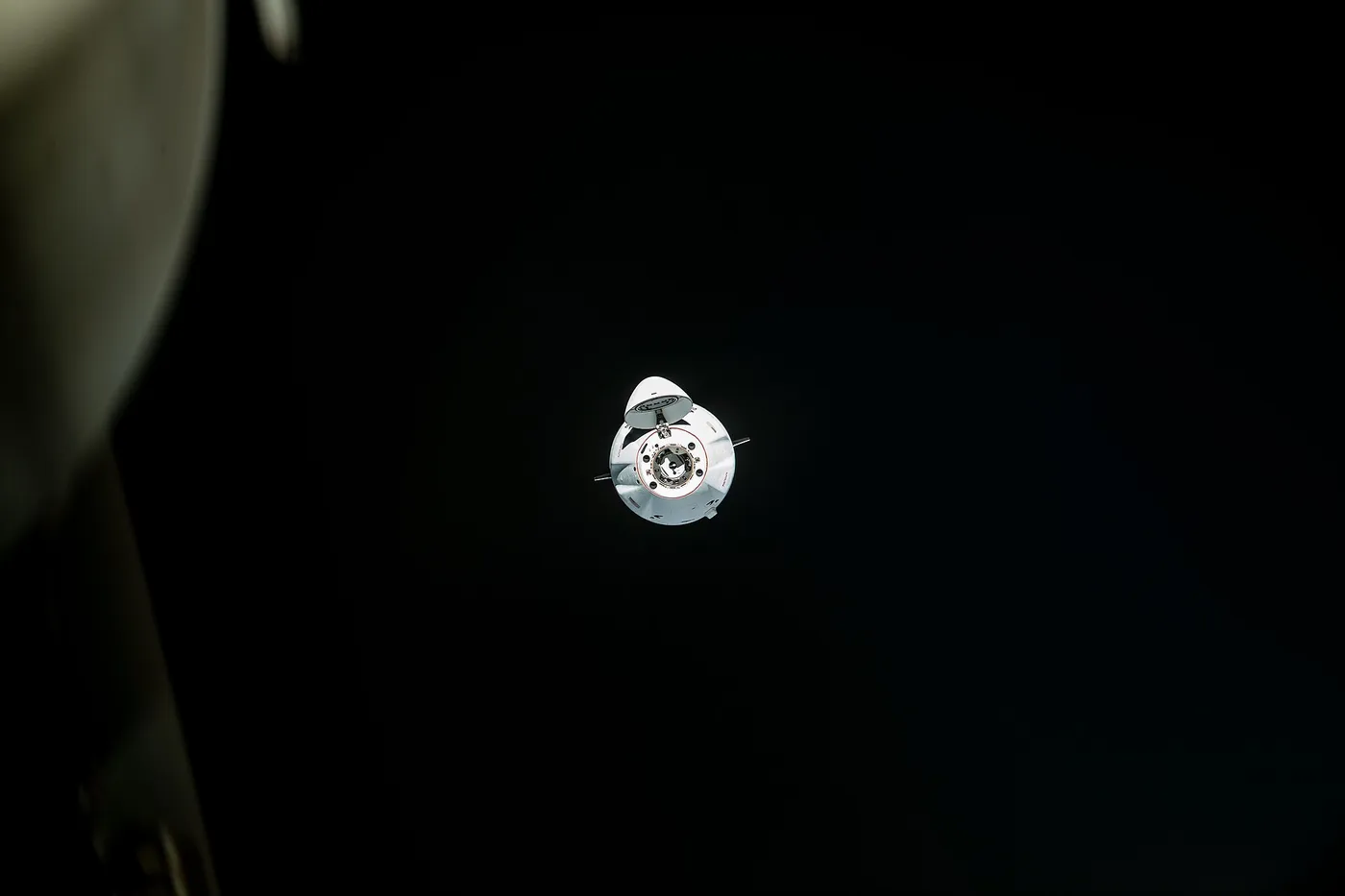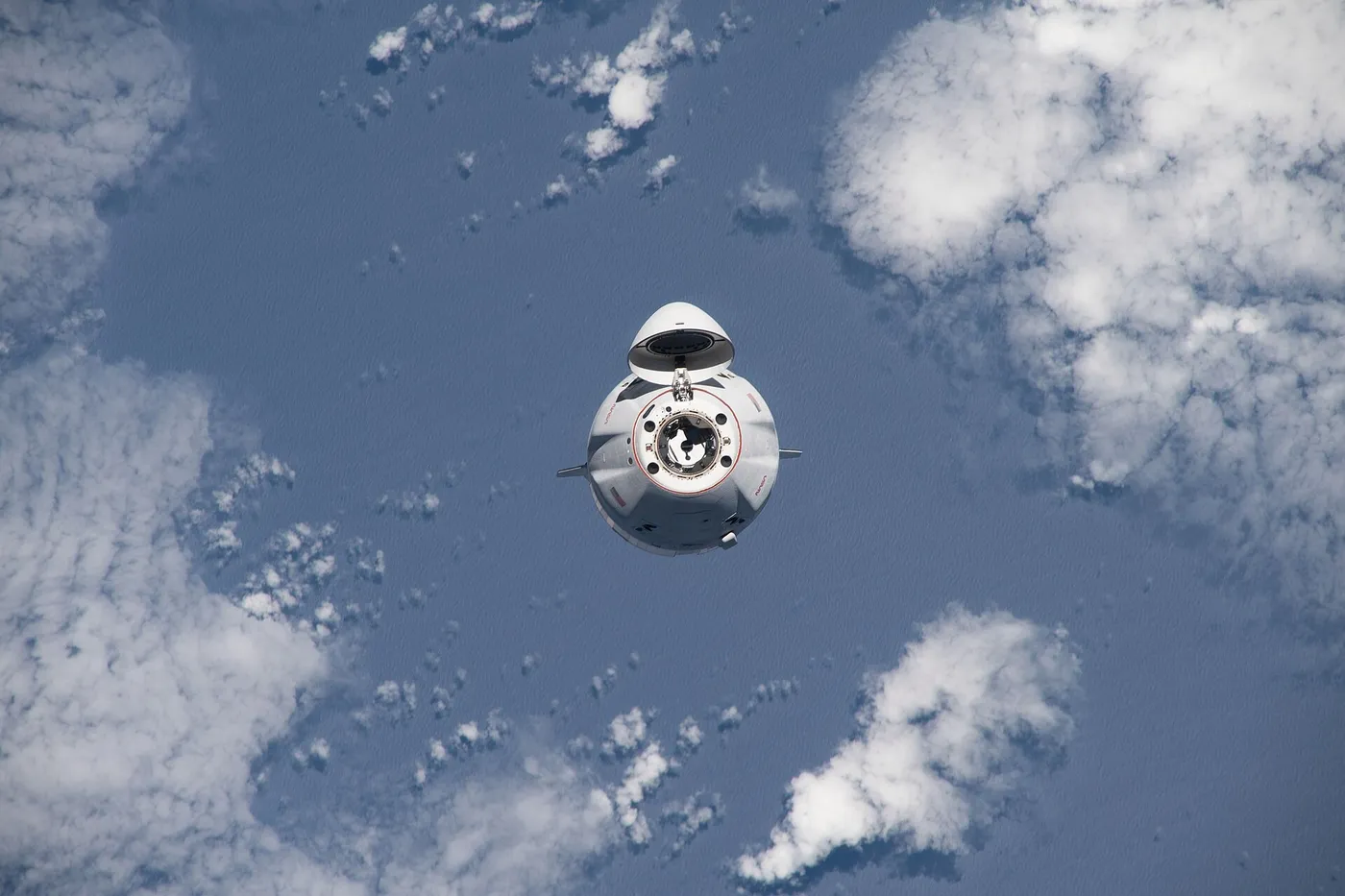

CRS-26 delivered a further pair of roll-out solar arrays in its trunk, continuing the power upgrade, along with around 3,500 kilograms of pressurised cargo.
The science included a study of how plants respond to the combined stress of microgravity and altered light, work on manufacturing semiconductors in orbit, and a set of experiments examining how spaceflight affects the human cardiovascular system.
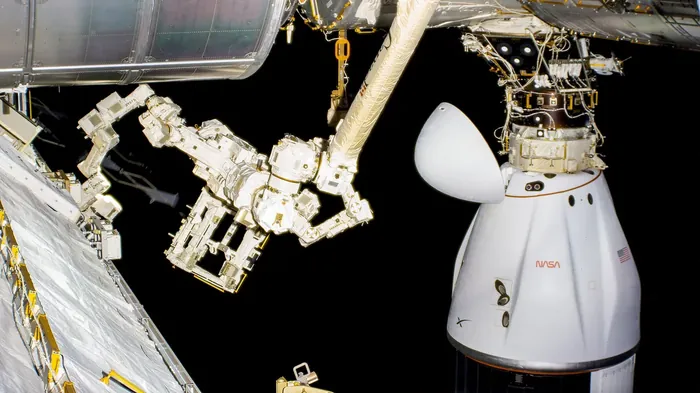
It also carried a facility for studying the behaviour of dust and granular material in low gravity — relevant both to asteroid sampling and to the practical problem of lunar dust, which is abrasive, electrostatically clinging and was among the most troublesome features of the Apollo surface missions.
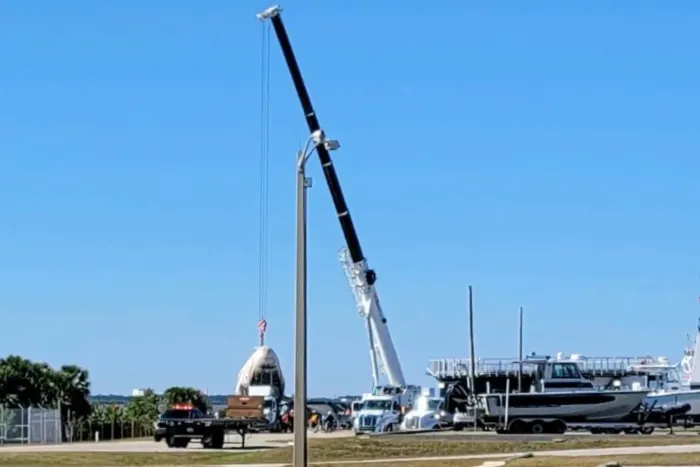
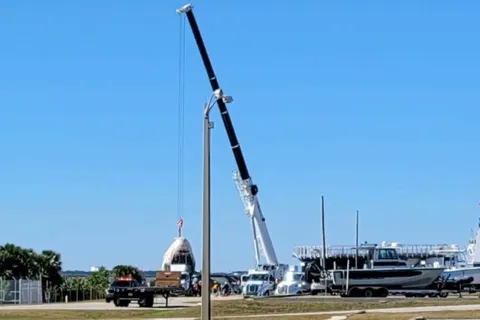
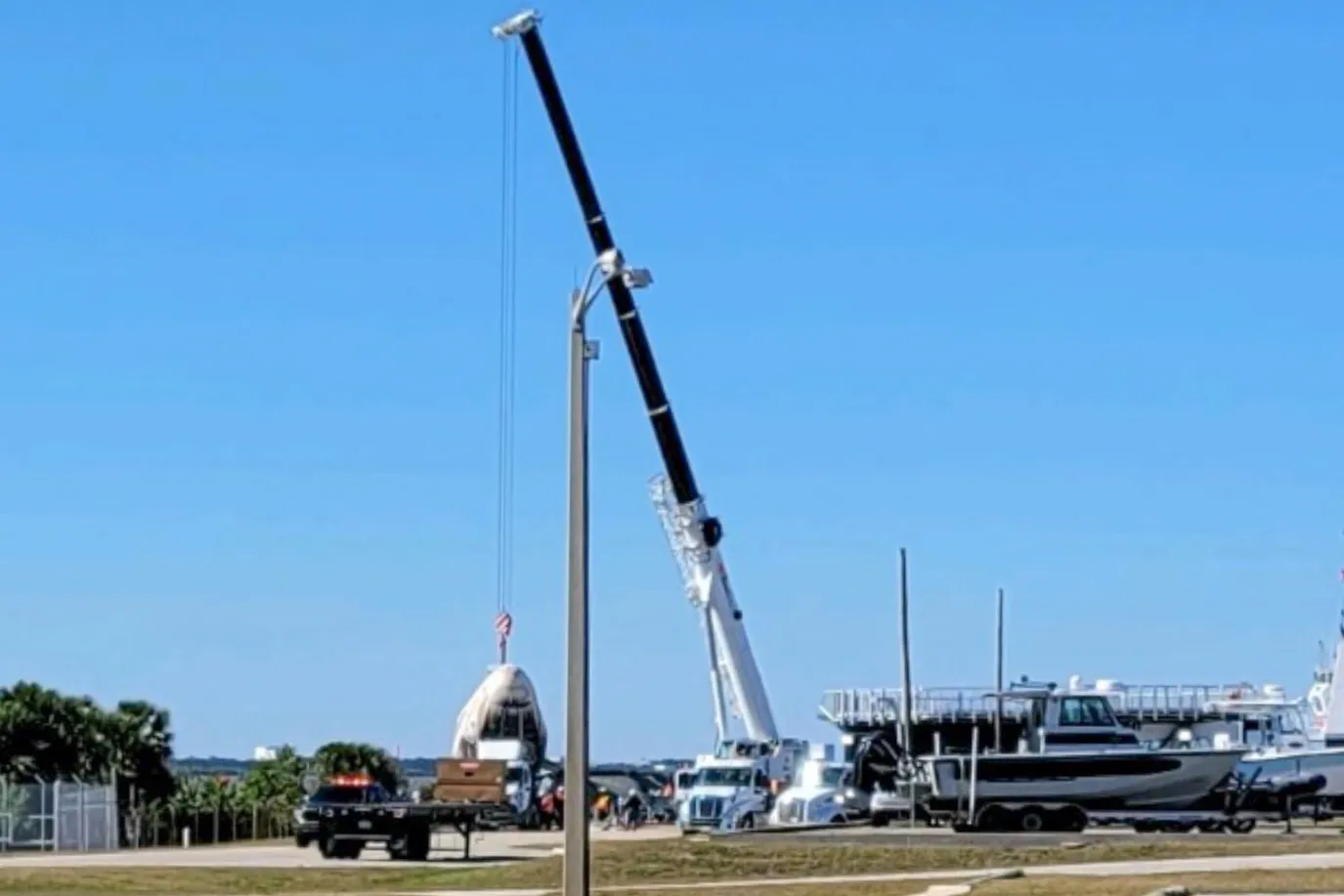
The mission proceeded normally, with the booster recovered and the capsule returning cargo and samples several weeks later.
By late 2022 the station's American segment was supplied entirely by commercial vehicles, its crews carried by a commercial spacecraft, and its power being upgraded with hardware delivered the same way — an arrangement that would have been regarded as implausible when the resupply contracts were signed in 2008.