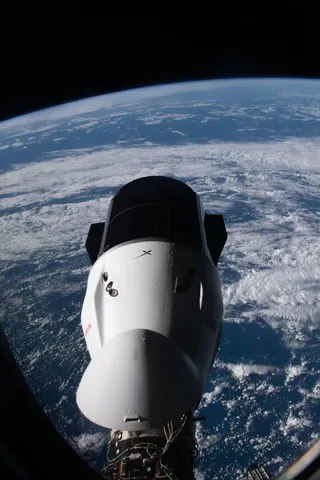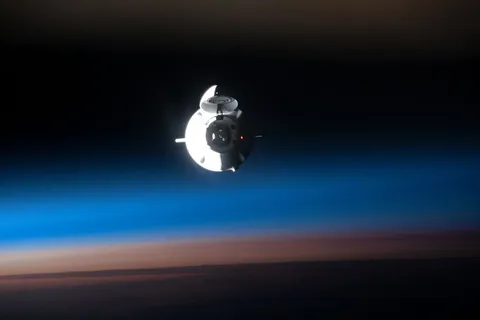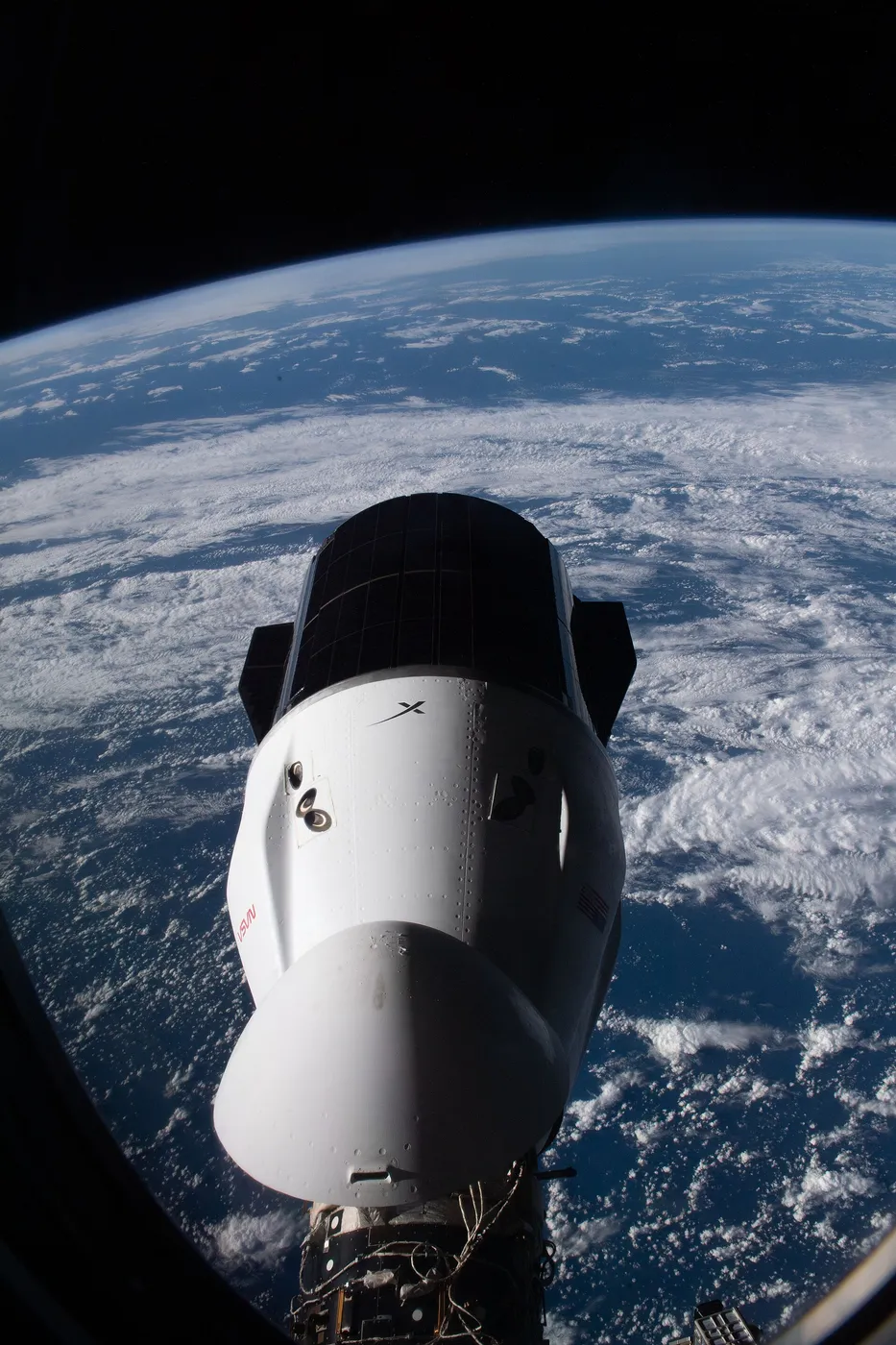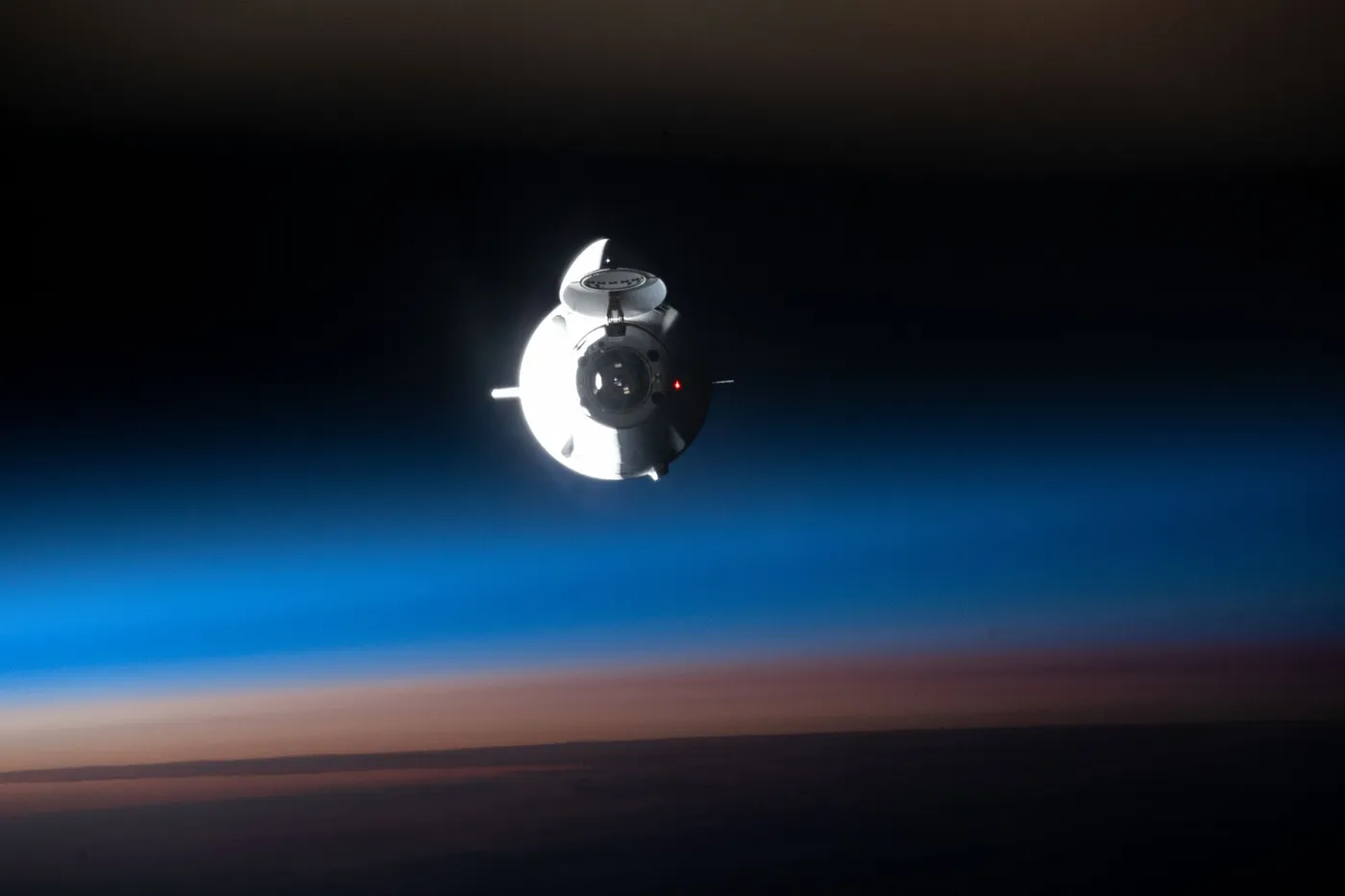

CRS-25 was delayed by hydrazine. During pre-launch preparations elevated vapour readings were detected in the Dragon's propellant system, and the flight was postponed for around six weeks while the source was traced to a faulty valve component and the affected parts were replaced.
The primary payload was an imaging spectrometer mounted on the station to map the mineral composition of desert dust sources worldwide. Airborne mineral dust affects climate by absorbing or scattering sunlight, and whether a given region's dust warms or cools depends on its composition — which had never been measured globally.

The instrument found substantially more dark, absorbing dust than models had assumed in several regions, with implications for regional climate projections. It has also proved unexpectedly capable of detecting methane plumes from oil and gas infrastructure.

That secondary use has become significant. The instrument has identified hundreds of large methane sources worldwide, several of which were unreported and were subsequently repaired after operators were notified.
Around 2,600 kilograms was delivered. An instrument built to study dust turning into a leak-detection system is a good illustration of how often these missions return value their proposals never claimed.