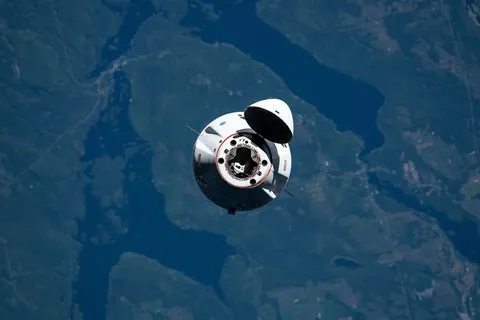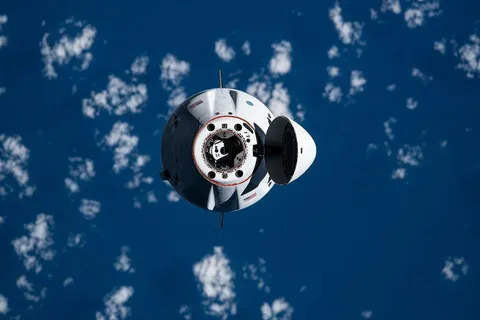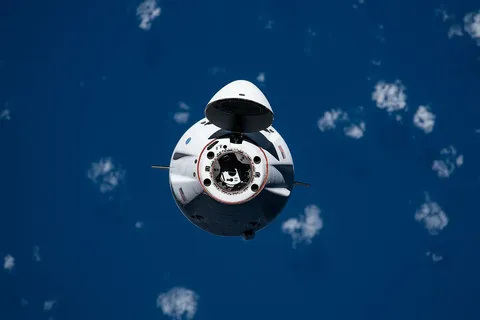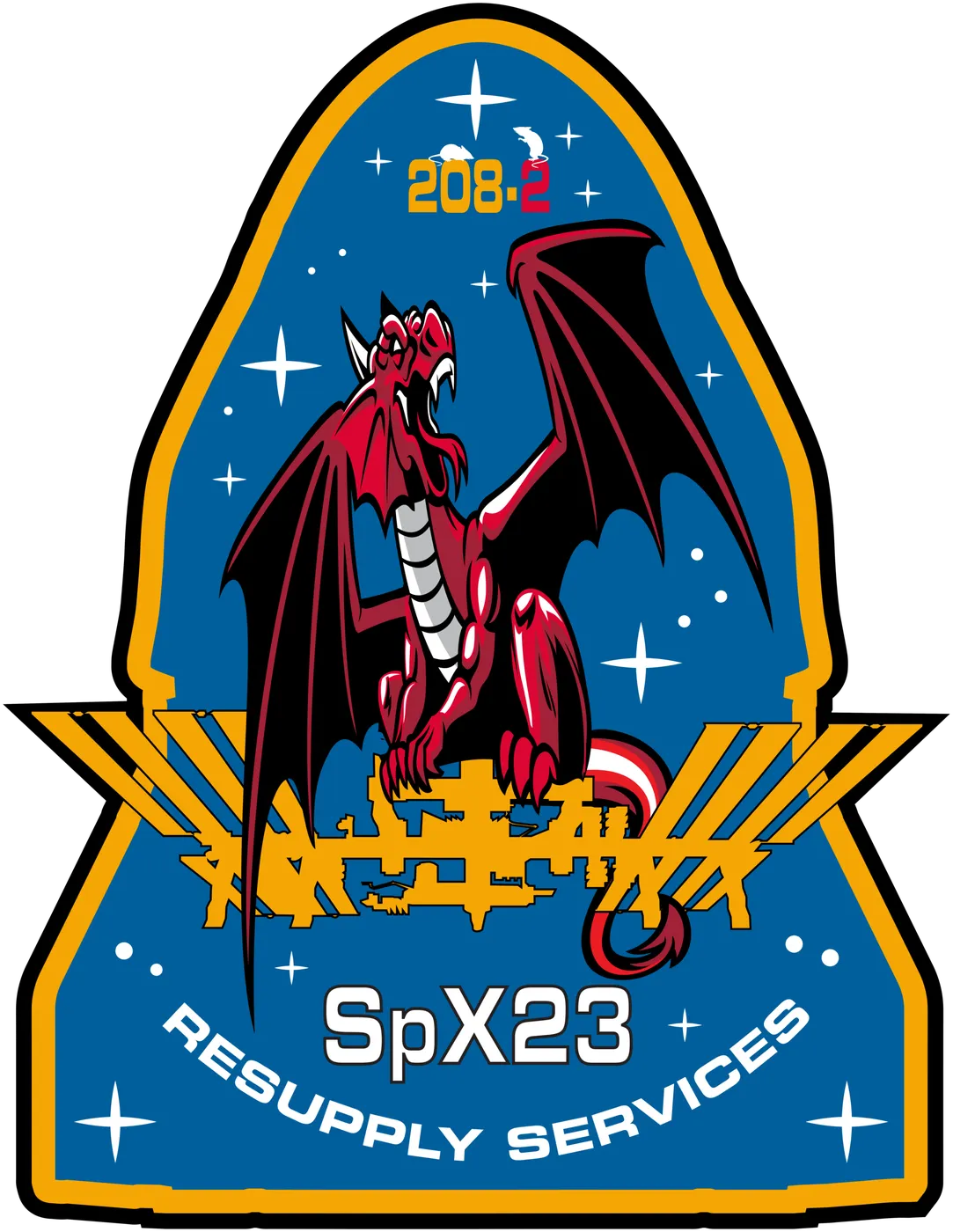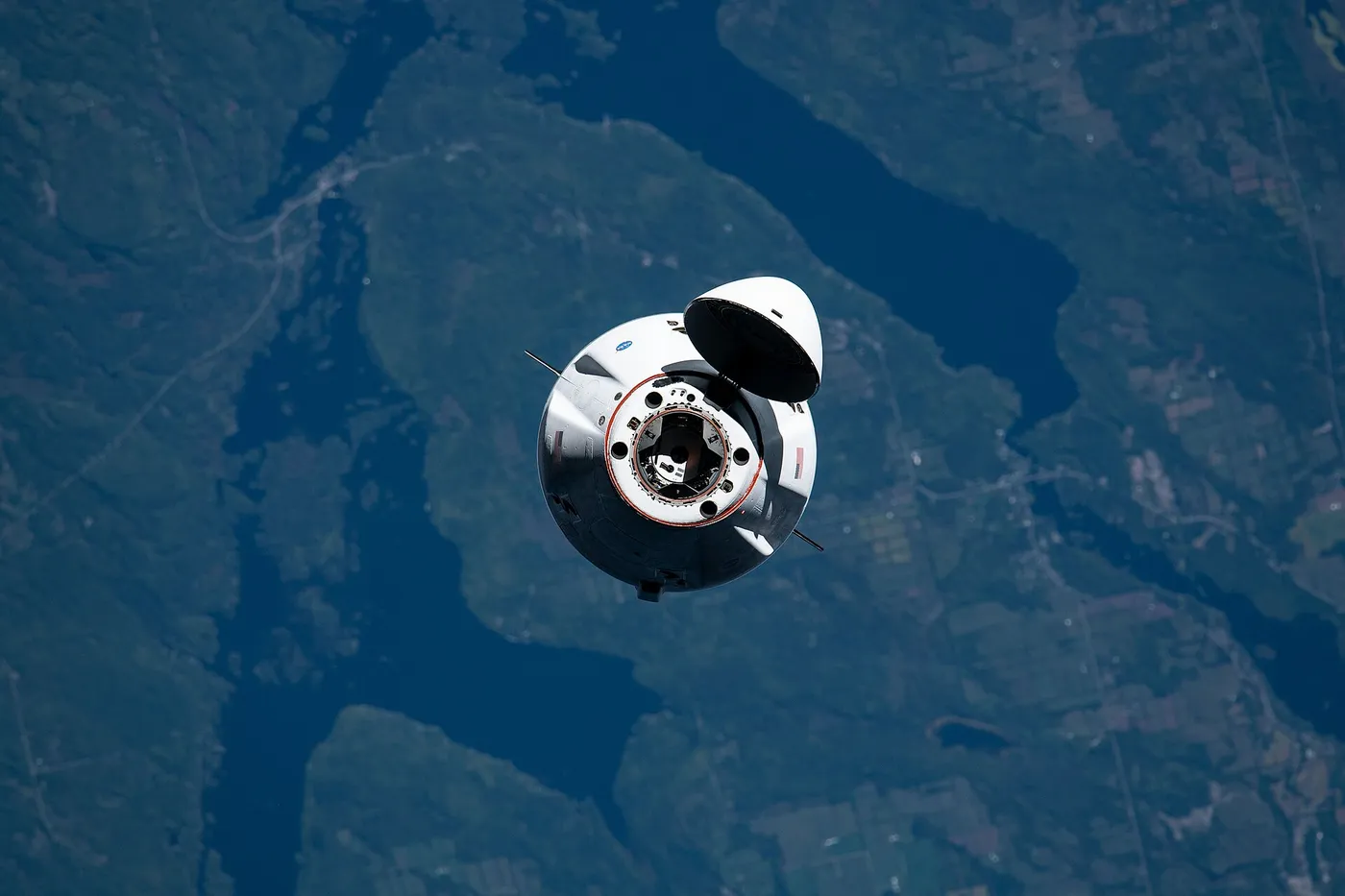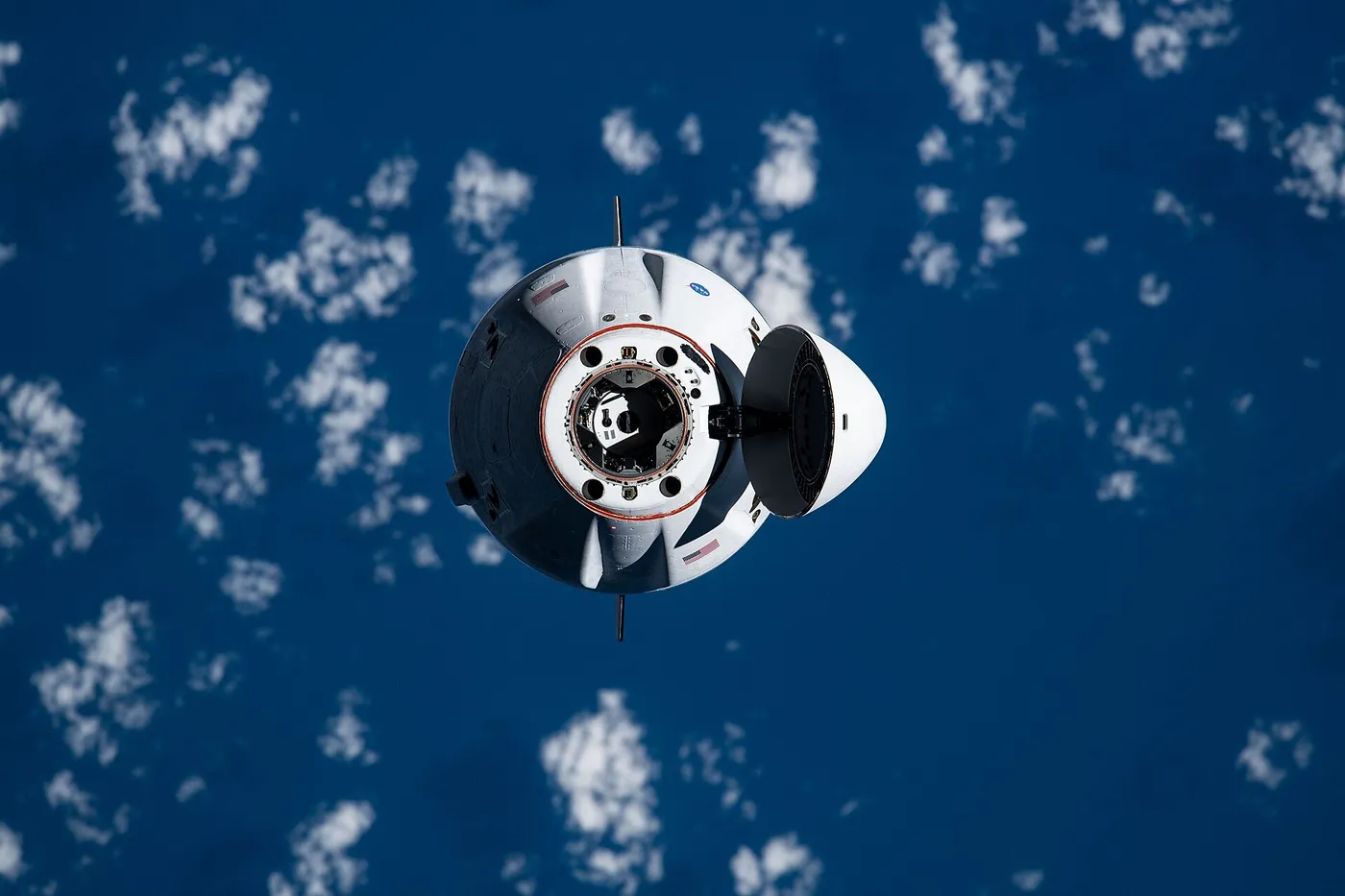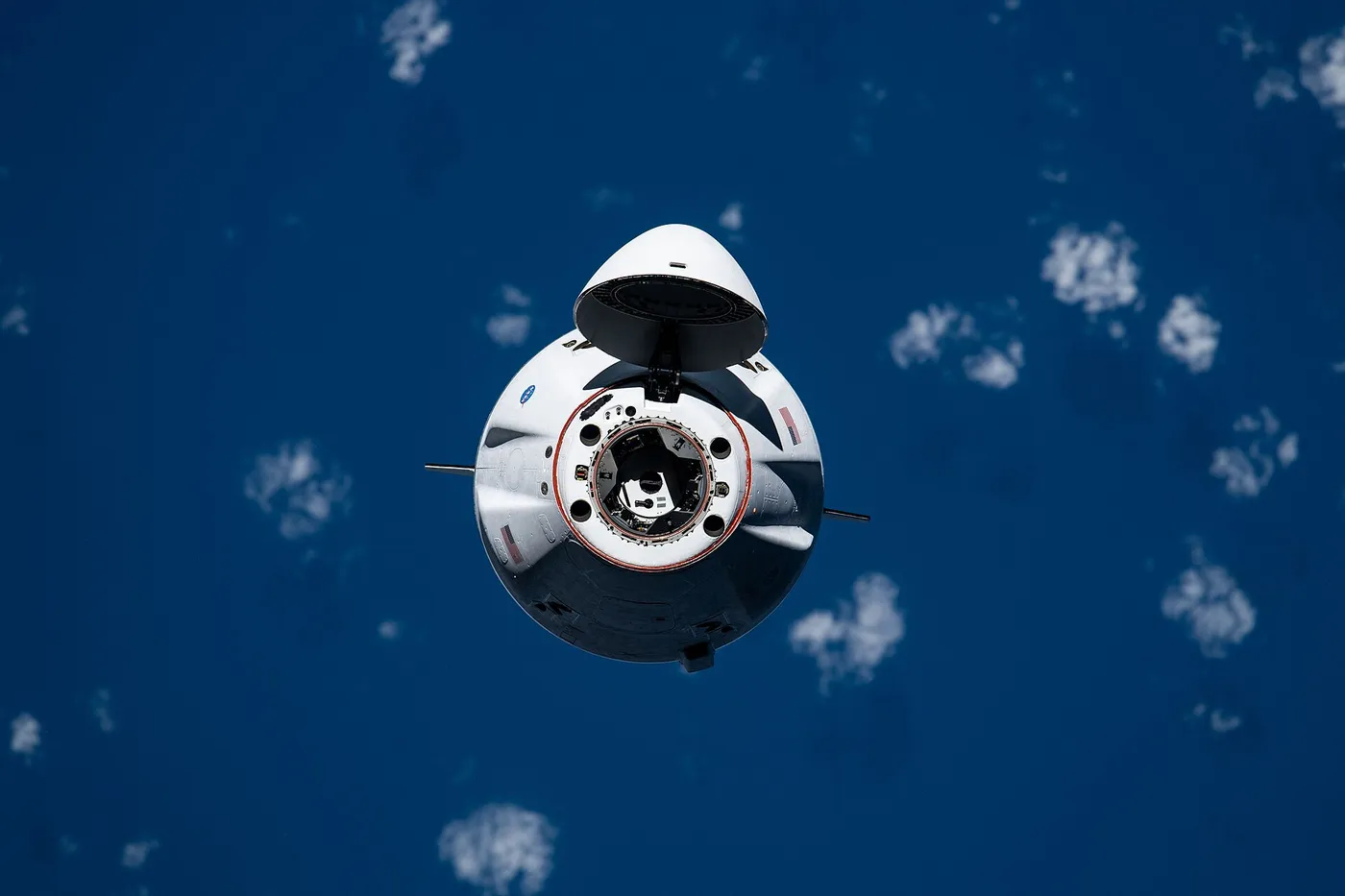
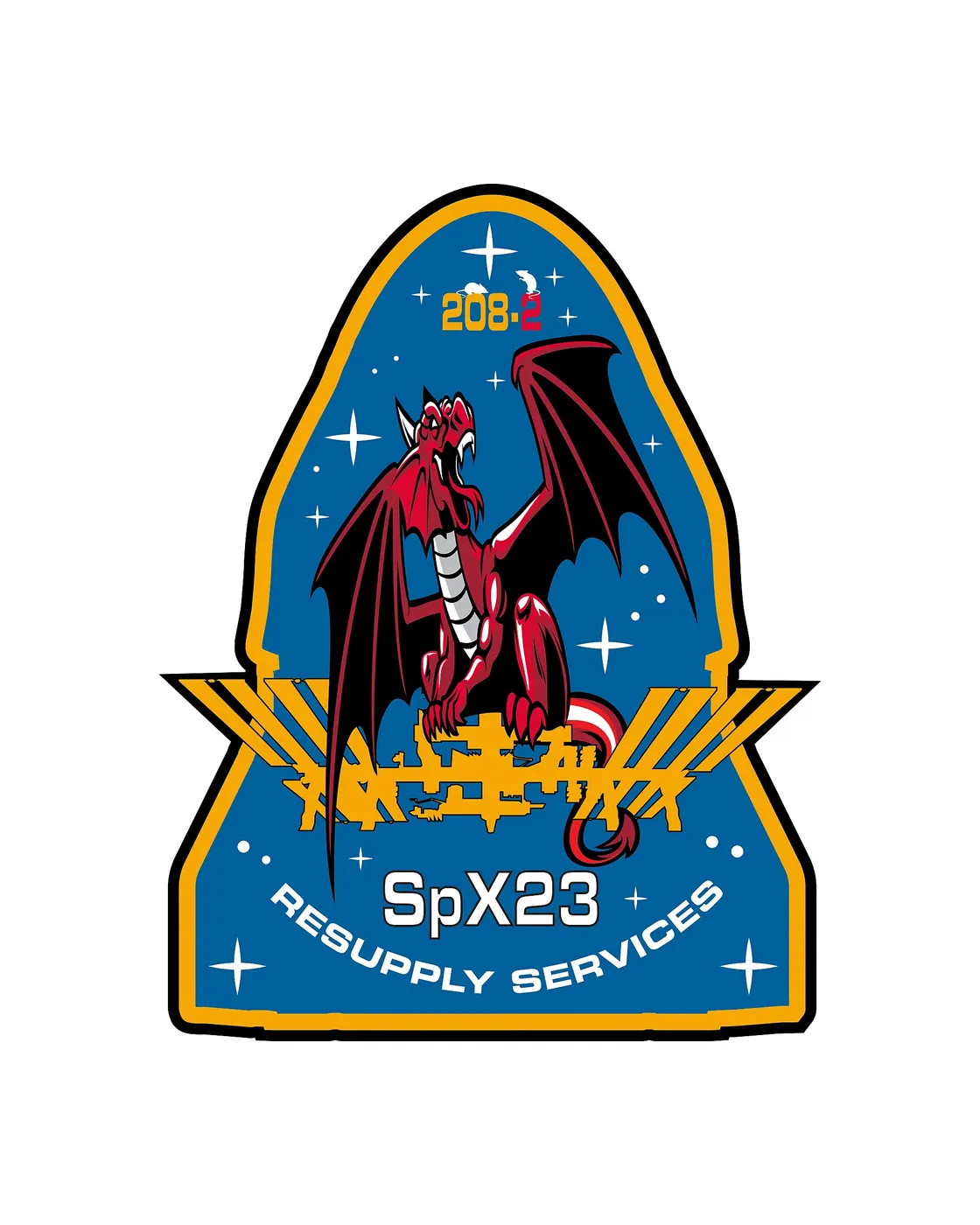

CRS-23 delivered around 2,200 kilograms including further components for the station's power upgrade, biological experiments and crew supplies, on what had become a thoroughly routine flight profile.
Its science payload included an experiment growing tissue models to test how weightlessness affects the ageing of arteries, and a study of how concrete cures without gravity — relevant to any proposal for building structures on the Moon or Mars from local material.
It also carried a robotic arm developed for a commercial satellite servicing demonstration, and a facility for producing high-quality protein crystals for pharmaceutical research.
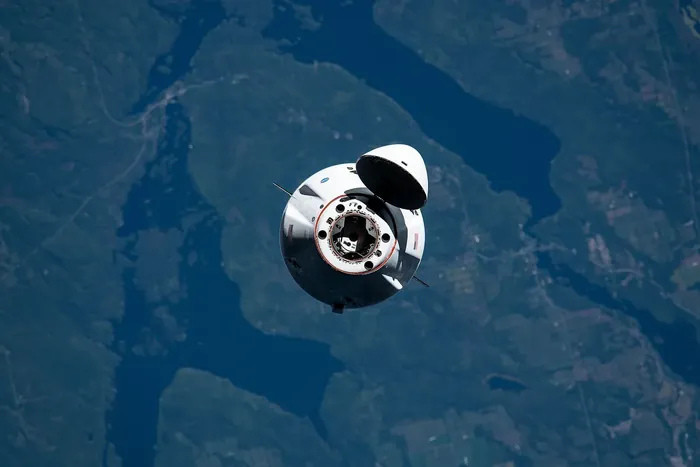
The mission is chiefly notable for being unremarkable. By 2021 cargo flights arrived on schedule, docked automatically, delivered several tonnes and returned experiment samples without incident or coverage.
That transition — from a programme whose every flight was a test to one whose flights are logistics — is what the commercial resupply contracts were intended to achieve, and it took about a decade.