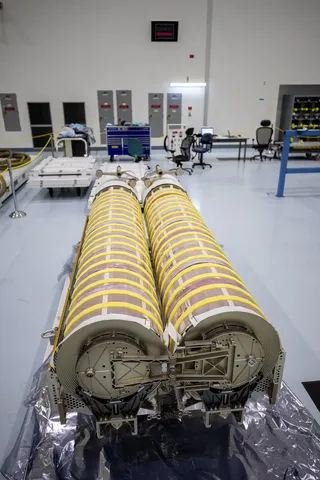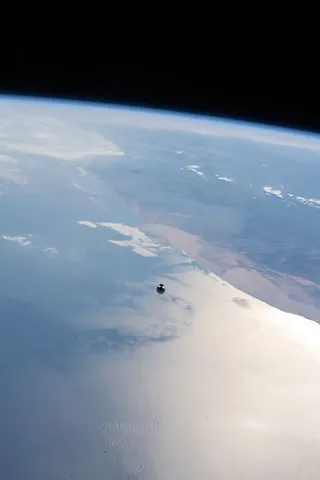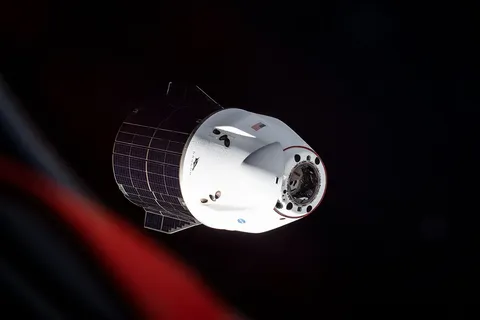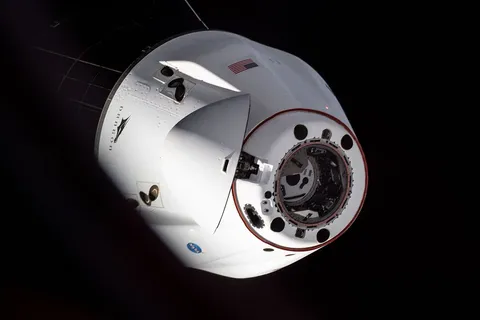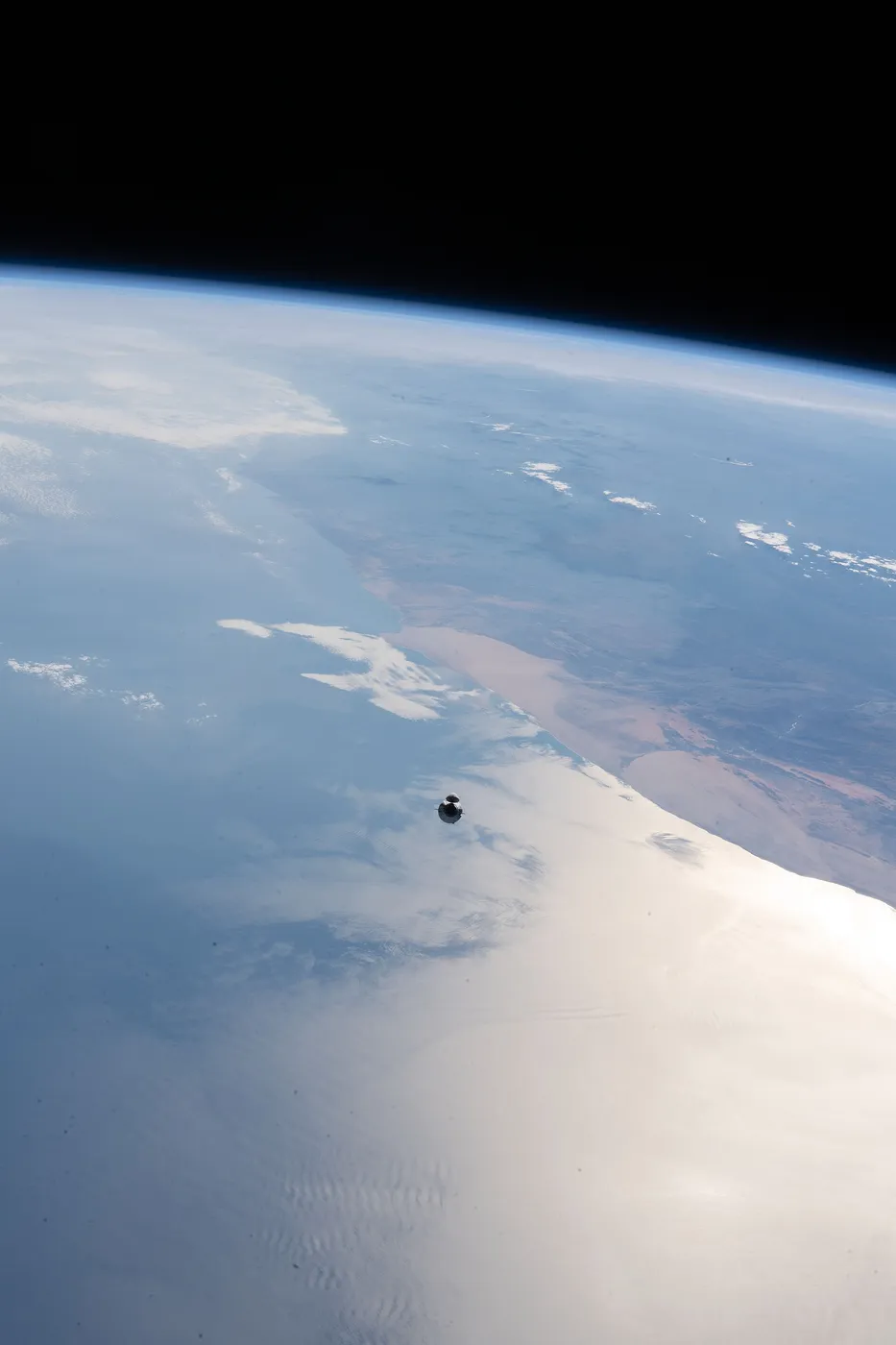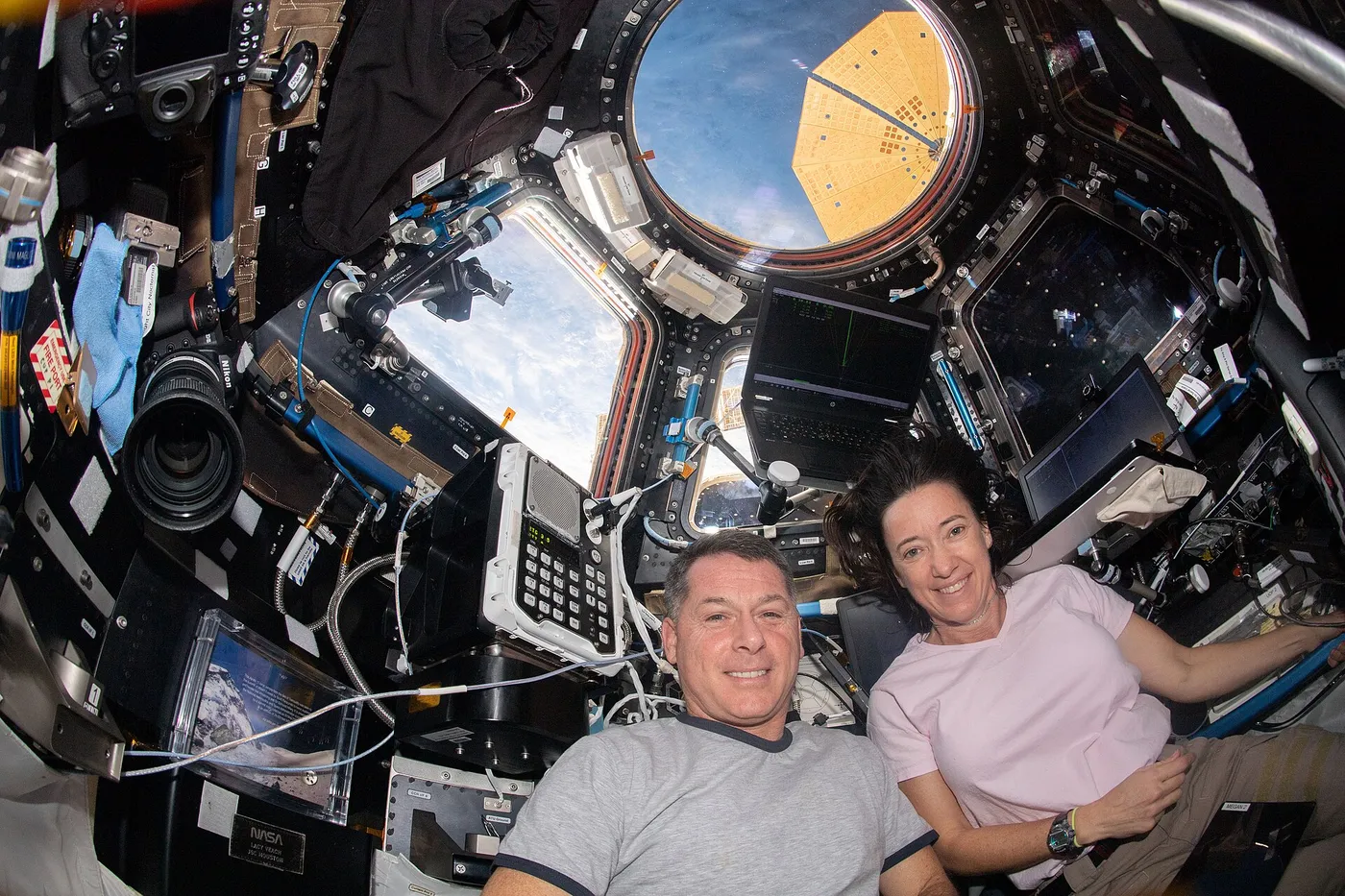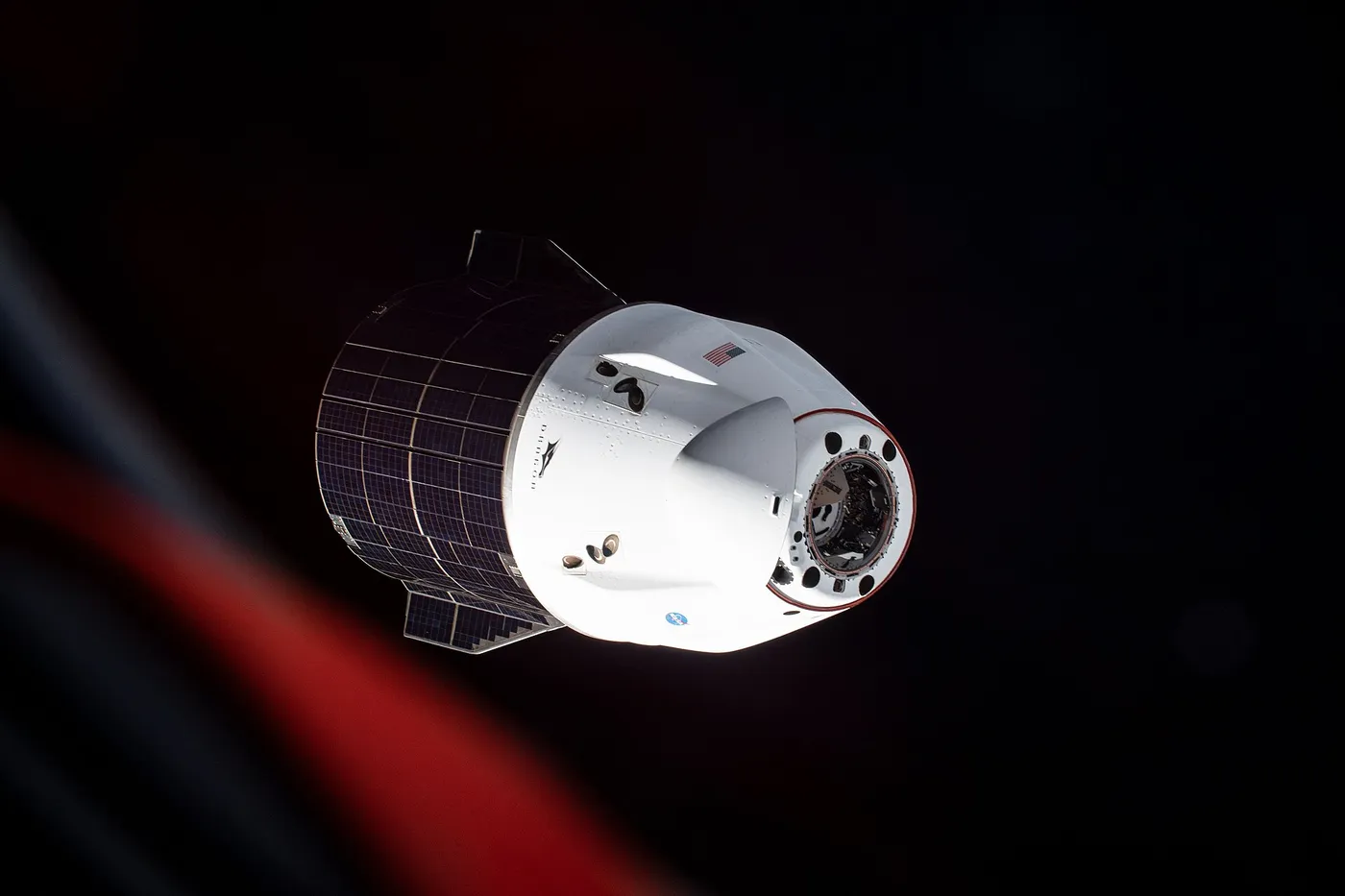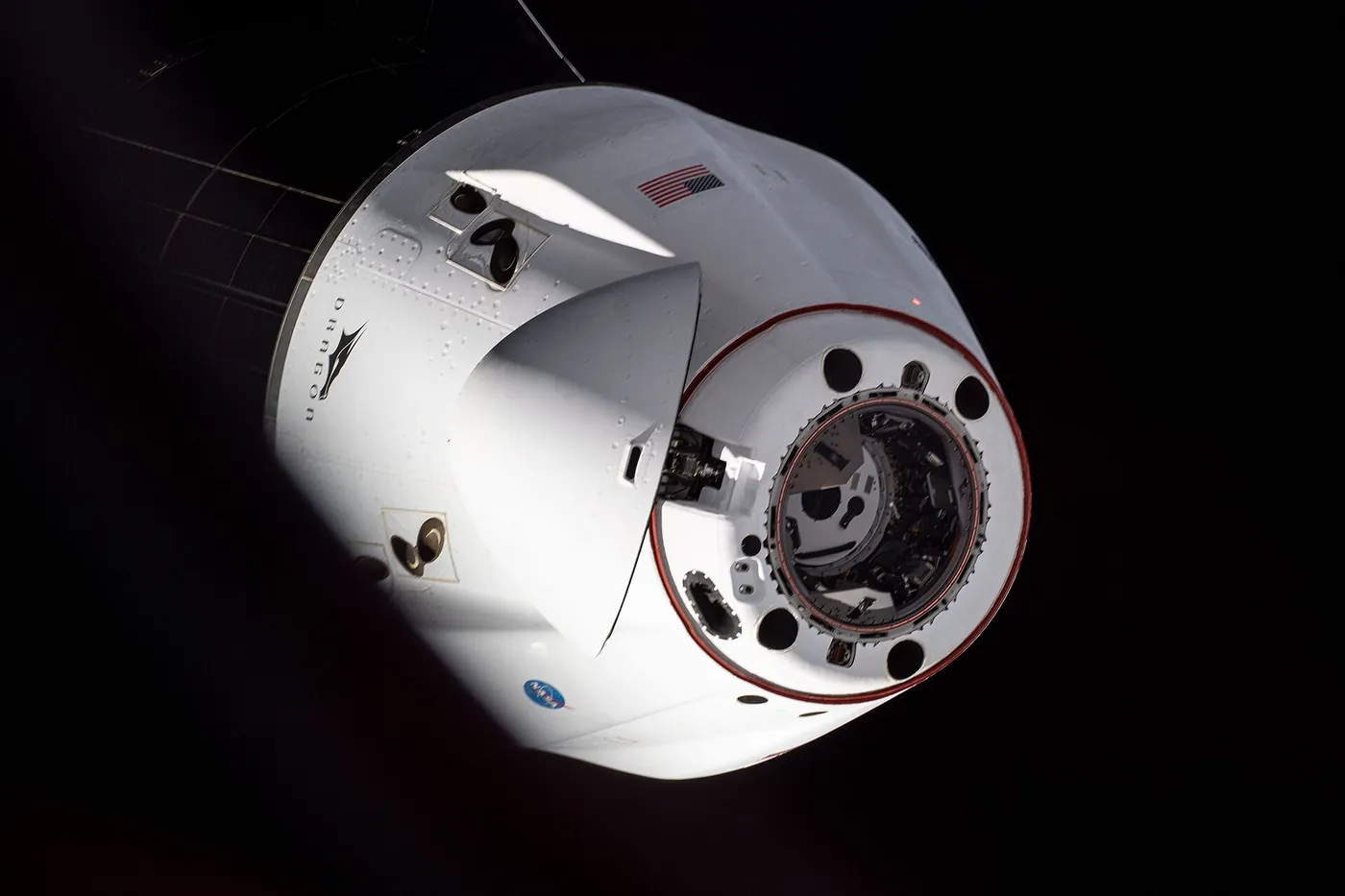
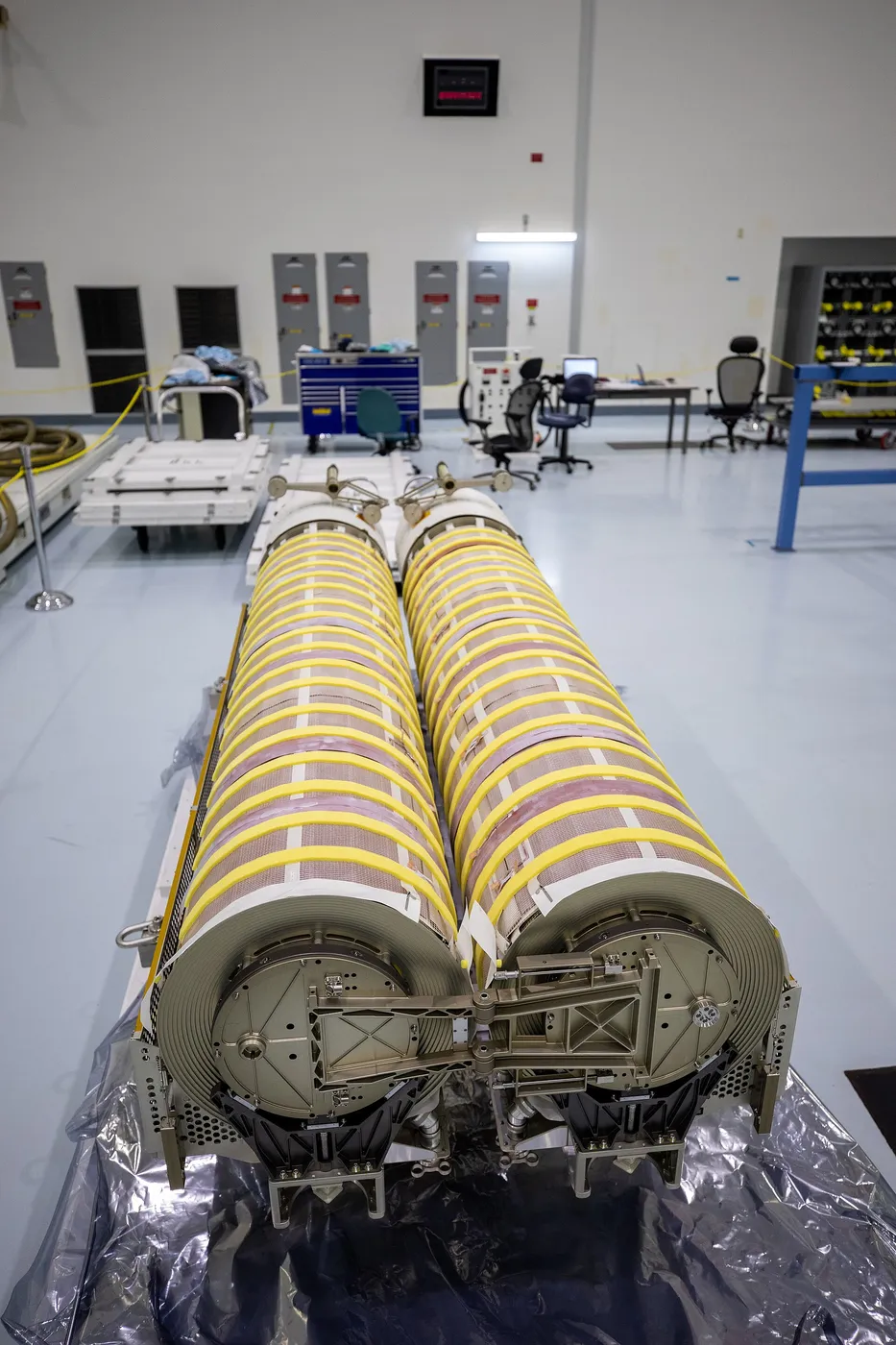

CRS-22 delivered the station's first new solar arrays in twenty years. The original panels had degraded substantially, and rather than replace them the upgrade fits smaller, more efficient roll-out blankets over the existing wings, restoring capacity without removing anything.
Two arrays were carried in the trunk — the unpressurised section behind the capsule — and installed by spacewalking astronauts over several excursions, work complicated by the difficulty of unrolling a large flexible structure by hand.
The pressurised cargo included tardigrades, the microscopic animals capable of surviving vacuum, flown to study how they tolerate spaceflight stress, and a colony of bobtail squid used to examine how microgravity affects the relationship between an animal and its symbiotic bacteria.
That symbiosis question has practical relevance. Astronauts' gut microbiomes change in orbit, with consequences for digestion and immune function, and the squid provides a simple model system for studying why.
Around 3,300 kilograms was delivered in total. Six of the new arrays have since been installed, and the station's power output has been restored to close to its original level.