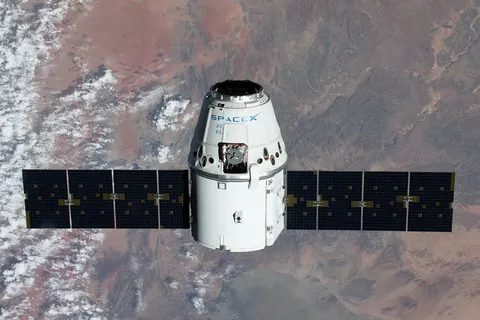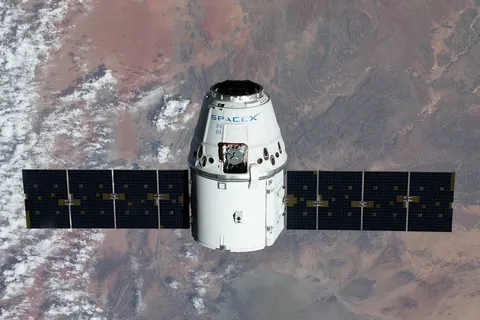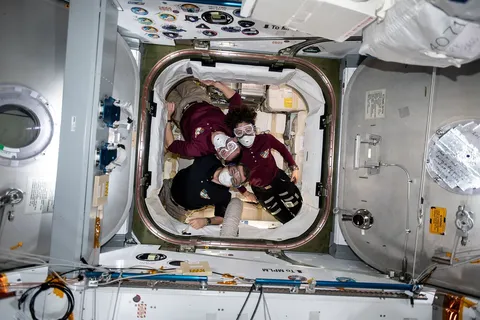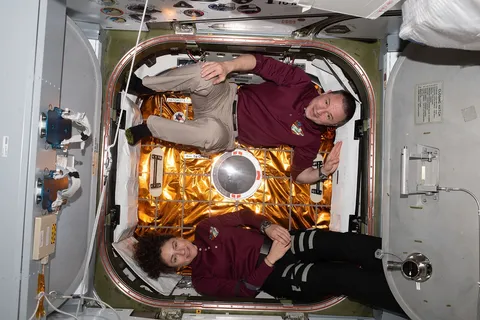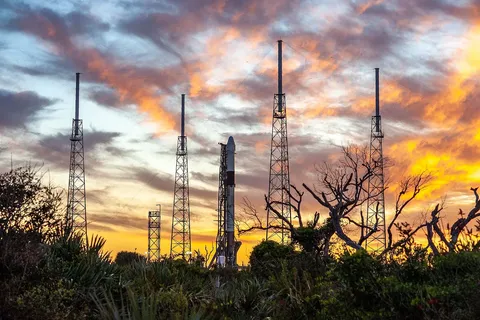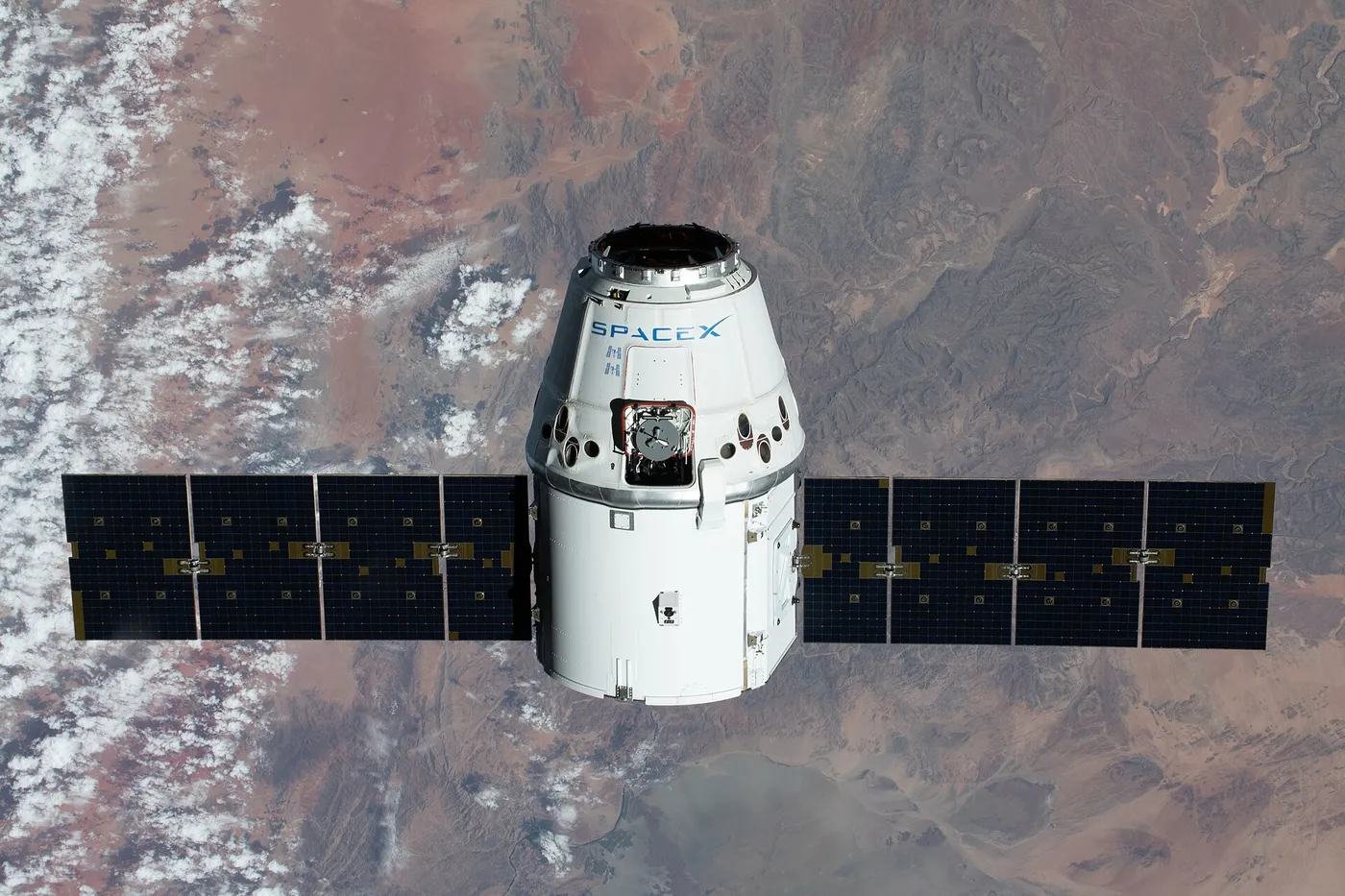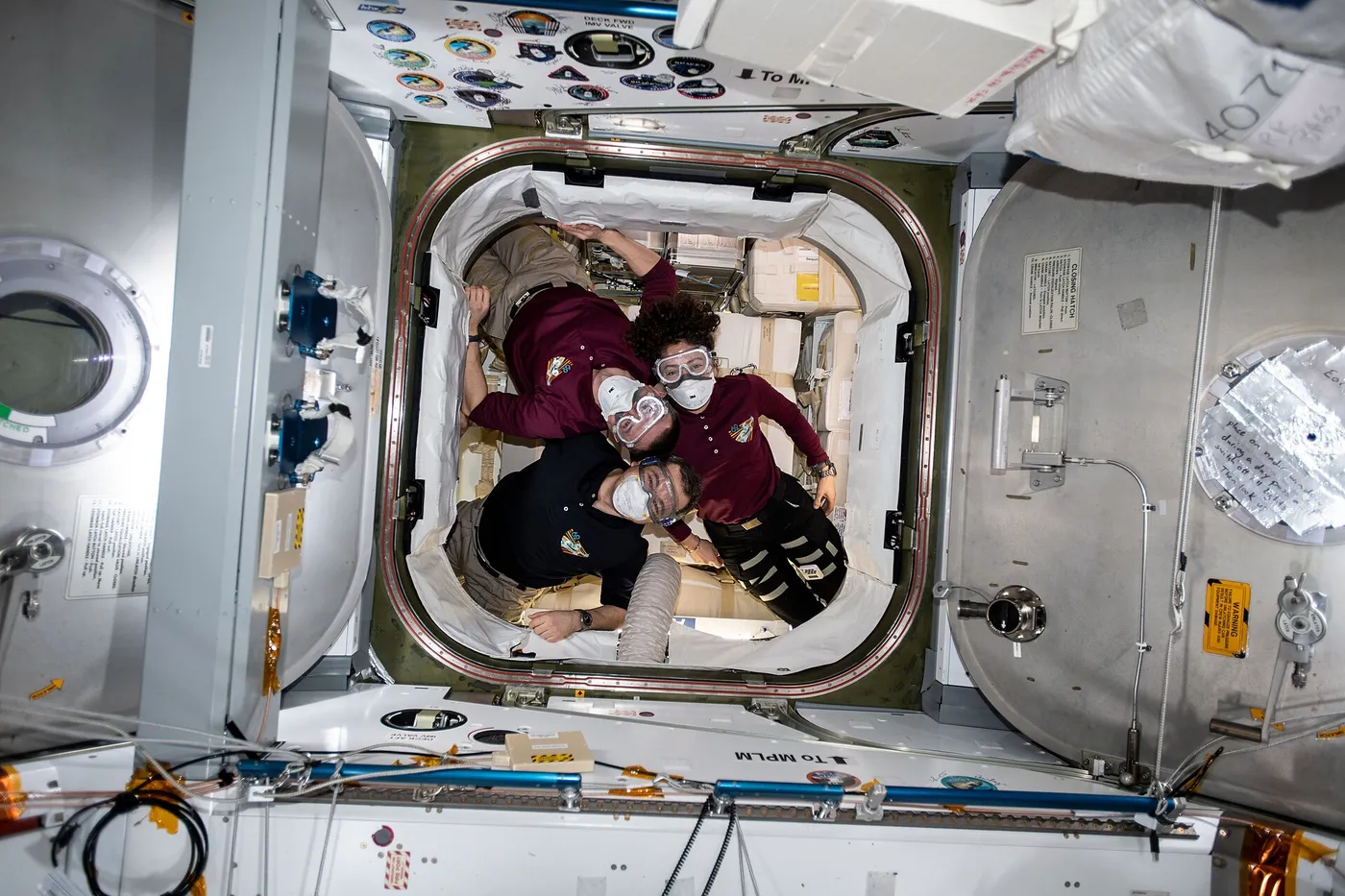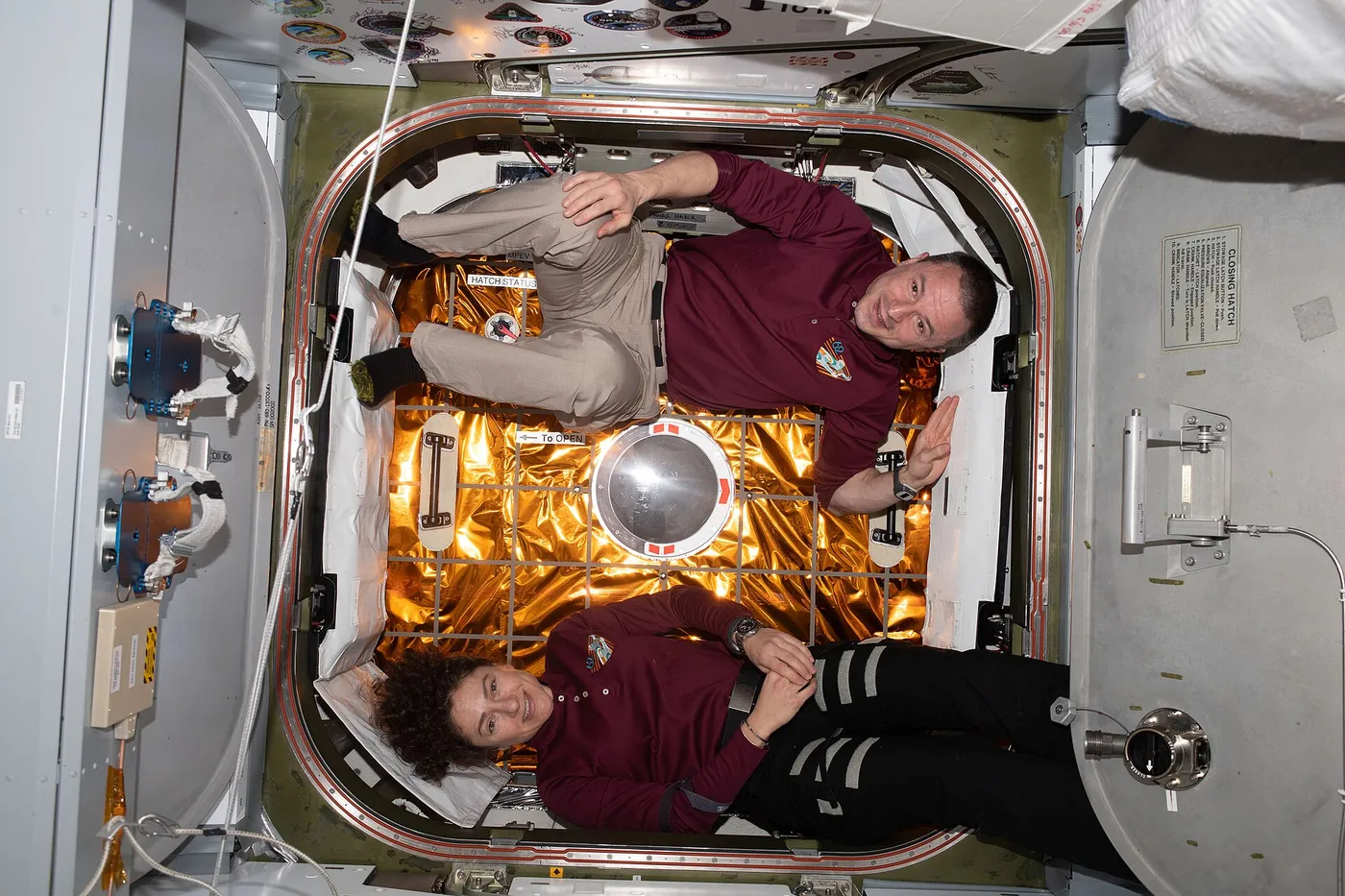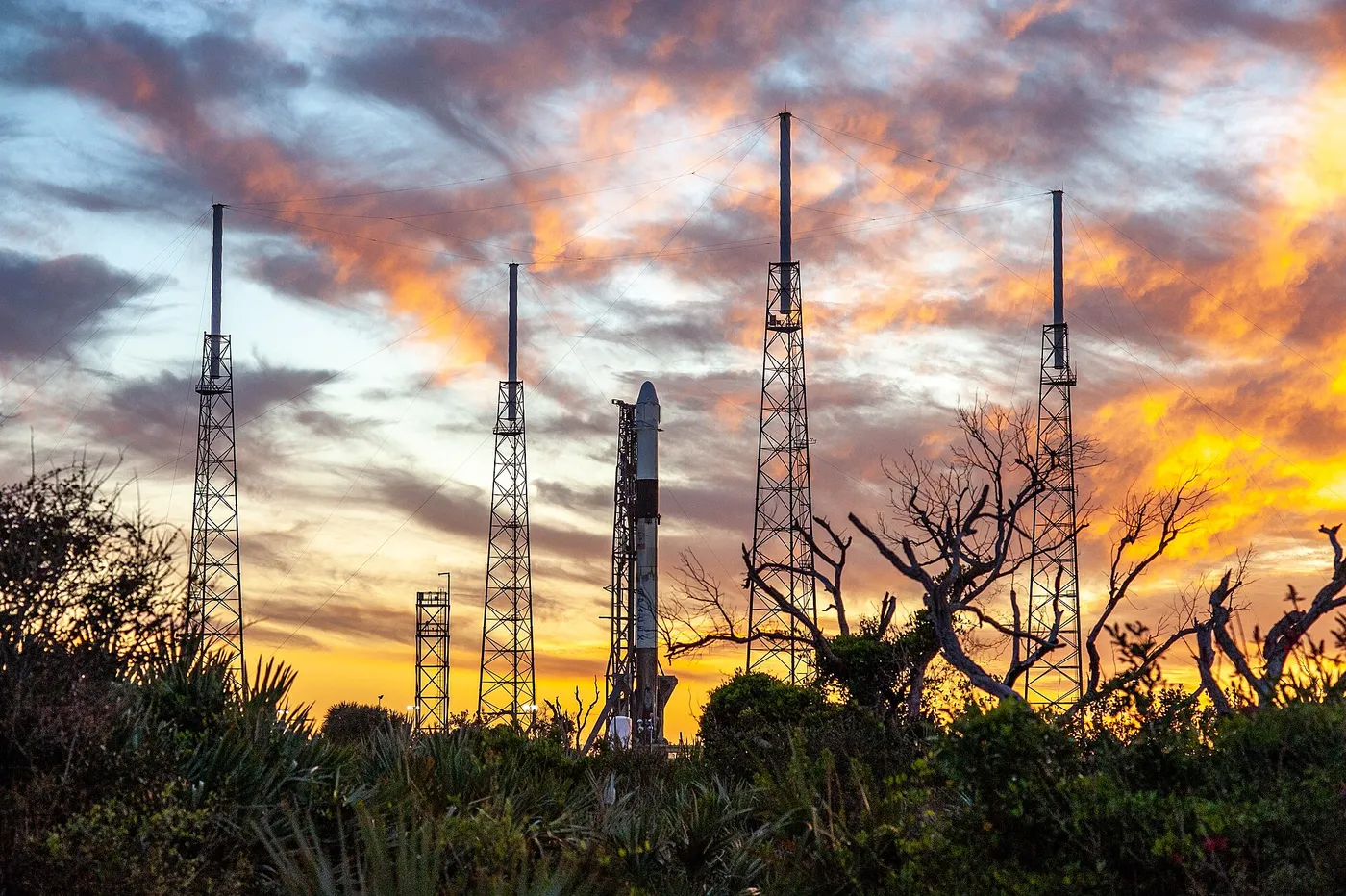
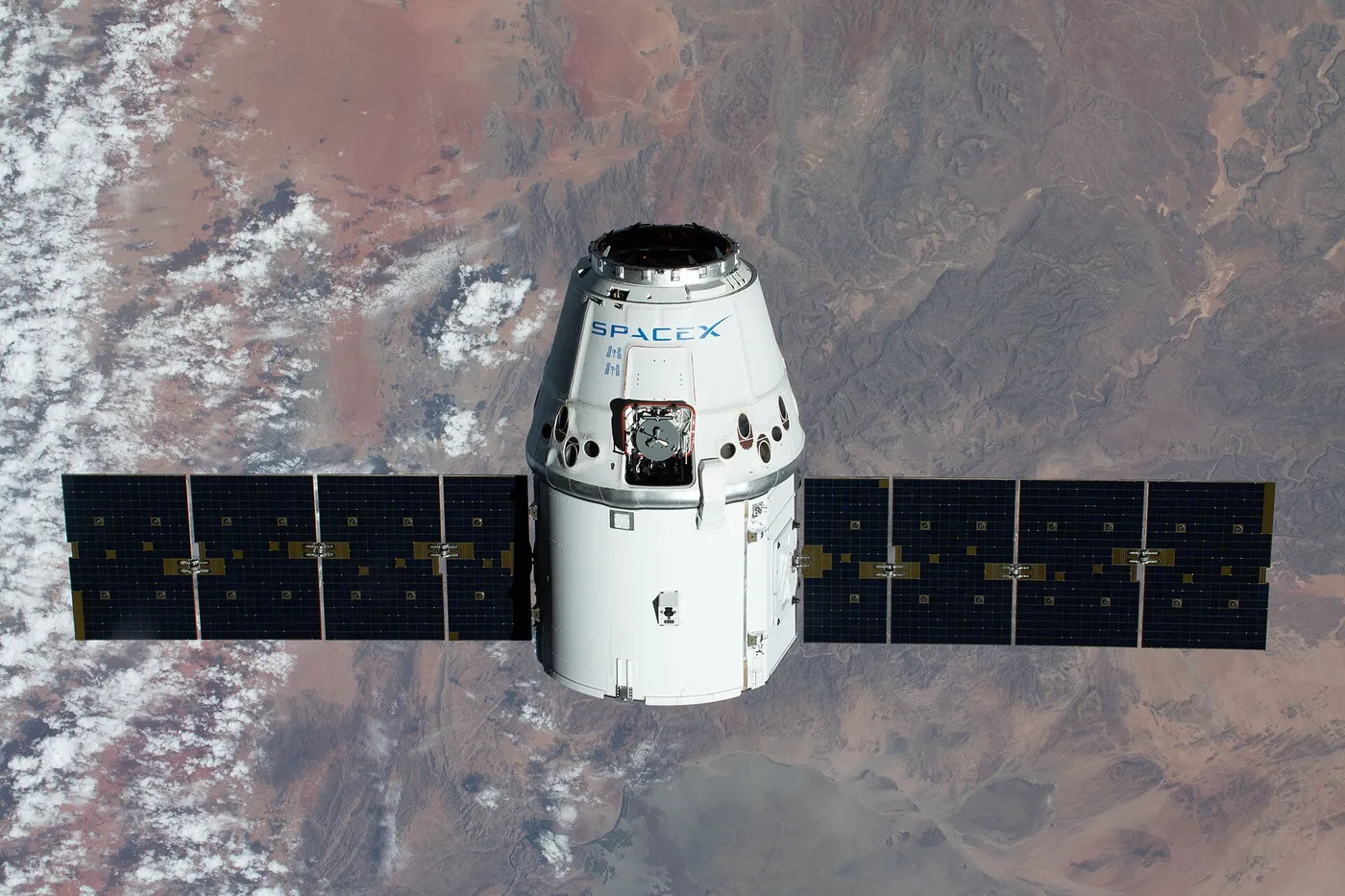

CRS-20 was the last flight of the original Dragon design. Twenty missions over seven and a half years had delivered around forty tonnes to the station and returned a comparable mass, and the capsule was retired in favour of a cargo version of the crew vehicle.
Its principal payload was a European platform mounted outside the Columbus laboratory, providing commercial customers with mounting points, power and data for external experiments — an attempt to make the station's exterior available on straightforward commercial terms.
The cargo also included biological research and station hardware, totalling around 1,900 kilograms, and the capsule was making its third flight — the fleet having by then demonstrated that a spacecraft could be refurbished and reflown repeatedly at manageable cost.
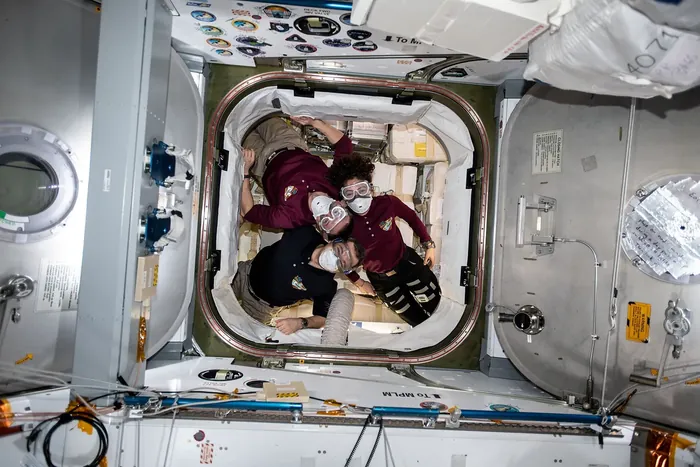
The mission also arrived at a station about to become considerably more isolated. Within weeks the pandemic had altered ground operations worldwide, and resupply flights continued through it largely uninterrupted.
The design that ended here had proved the central proposition of commercial resupply: that a government agency could buy cargo delivery as a service, at fixed prices, from a company that owned the vehicle — an arrangement now applied to crew transport, lunar landers and space stations.