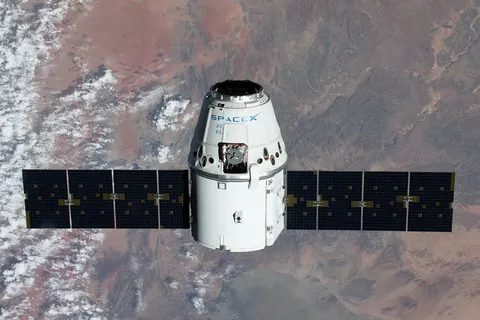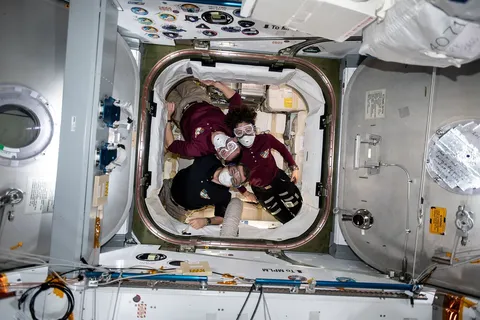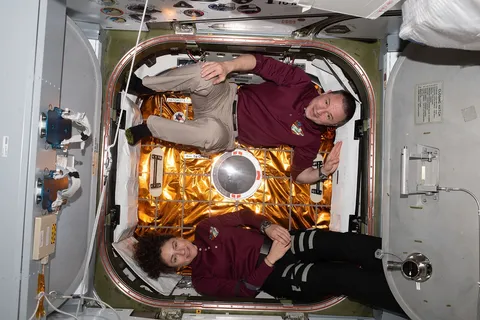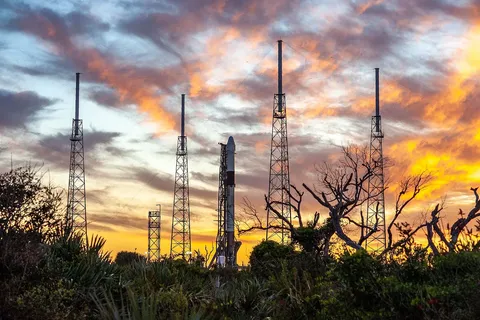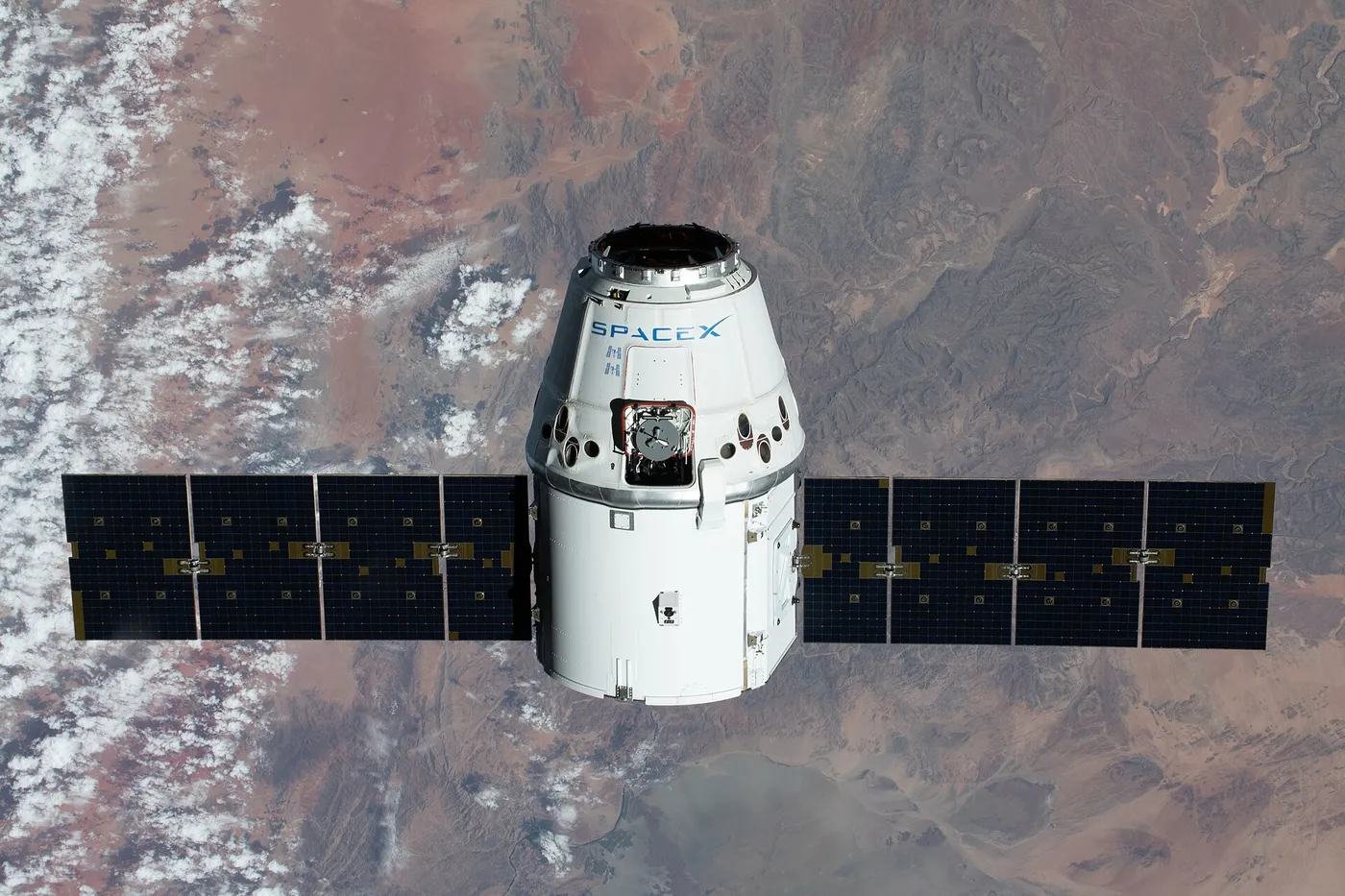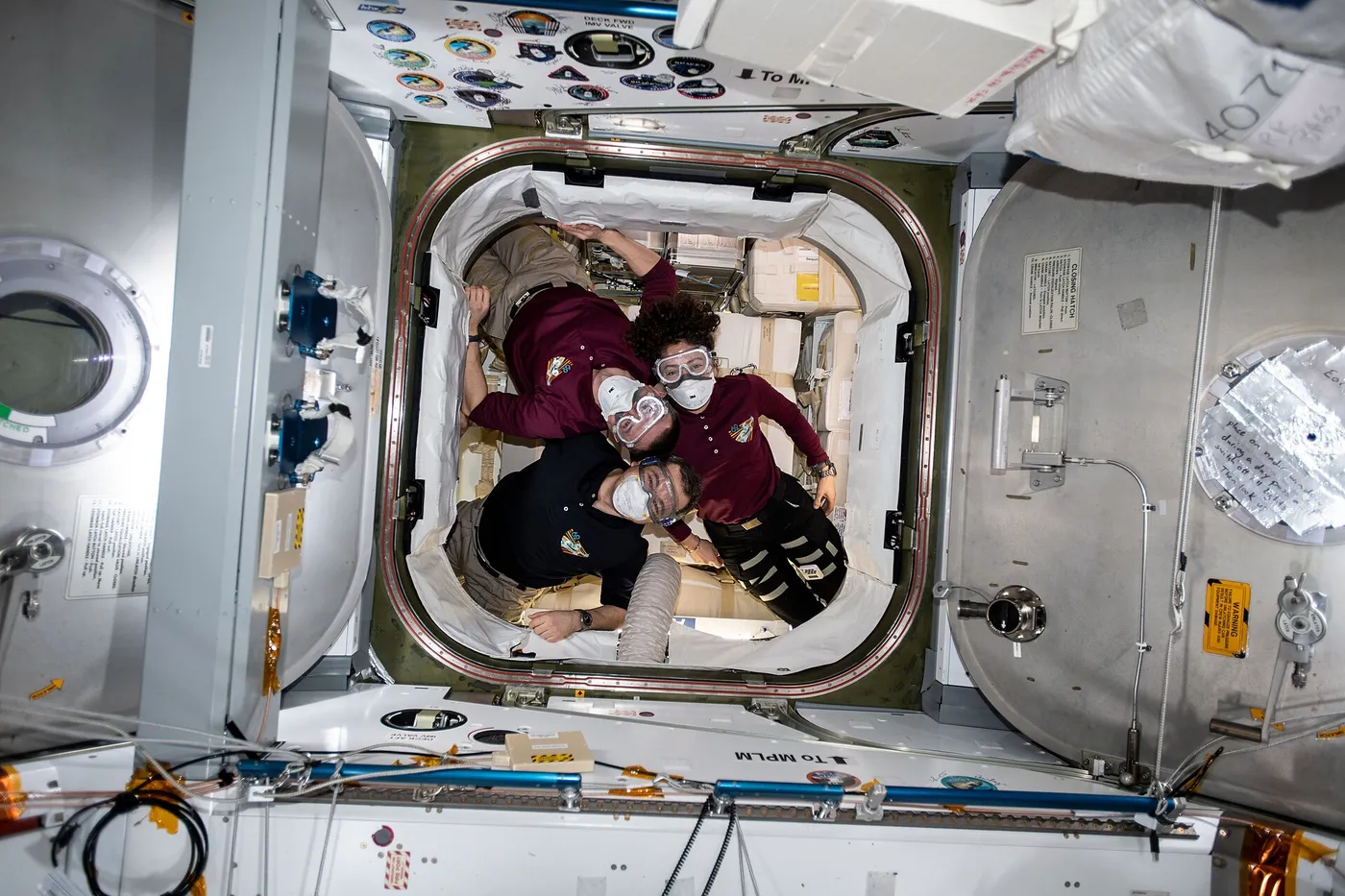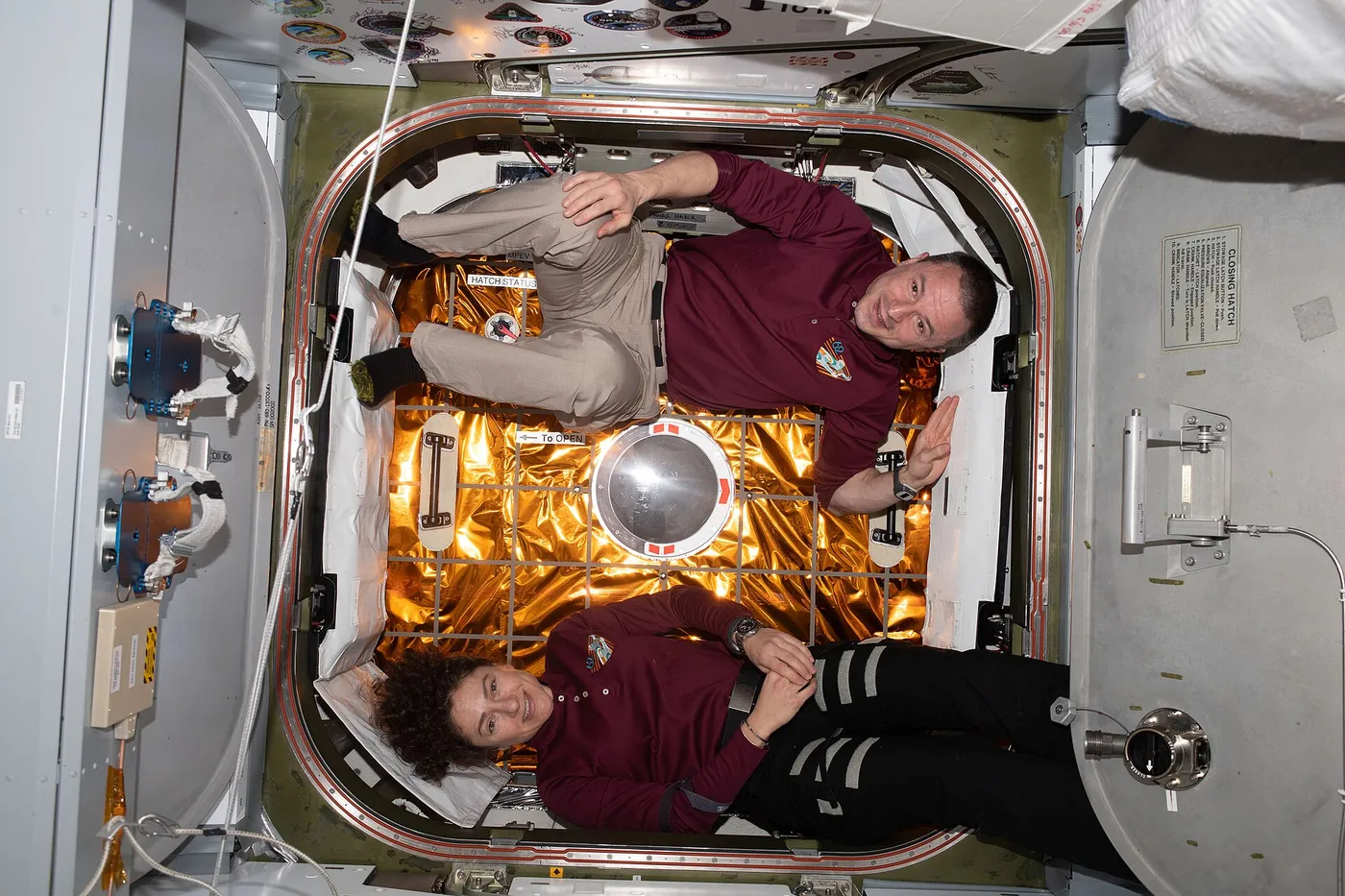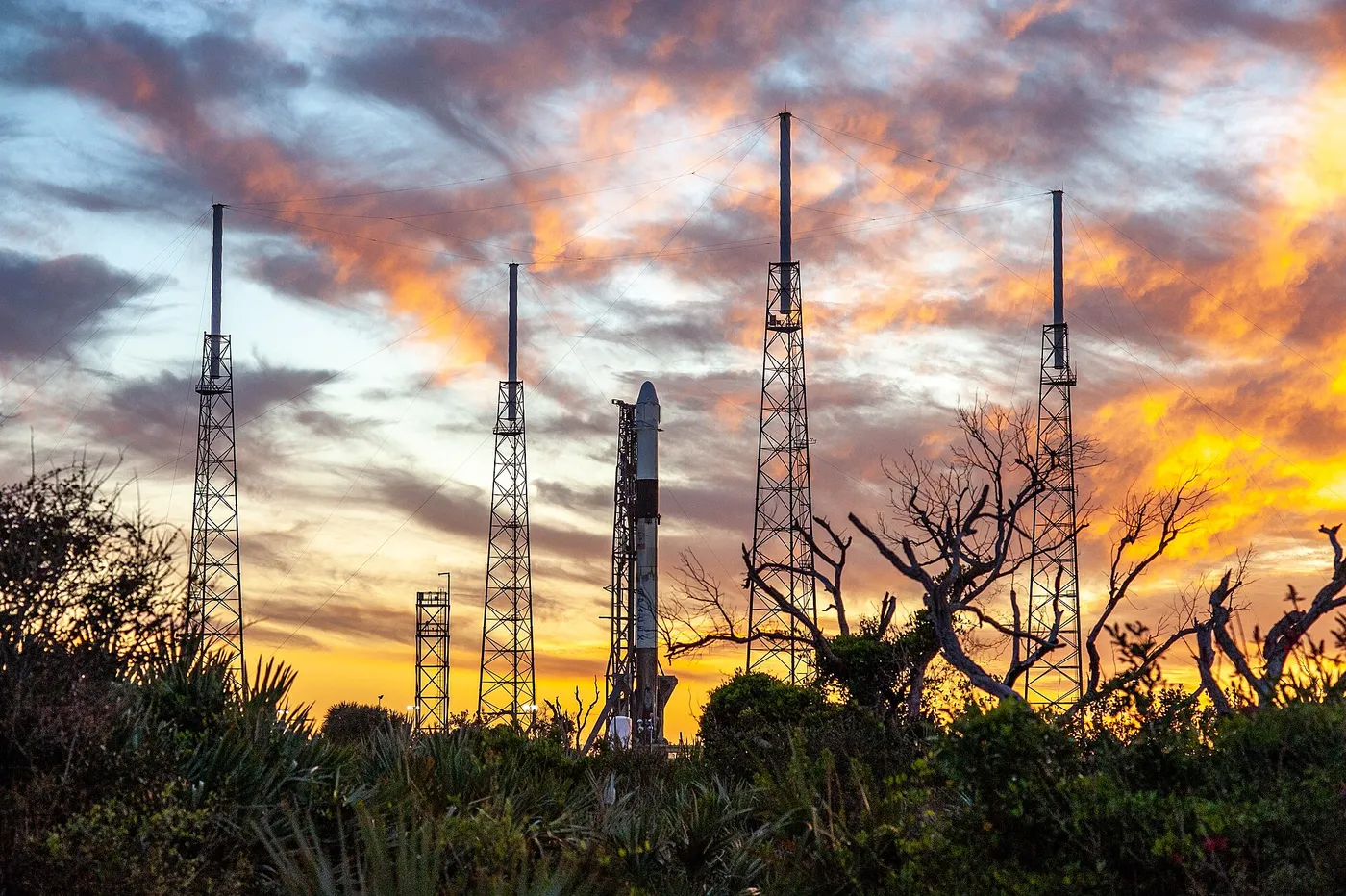
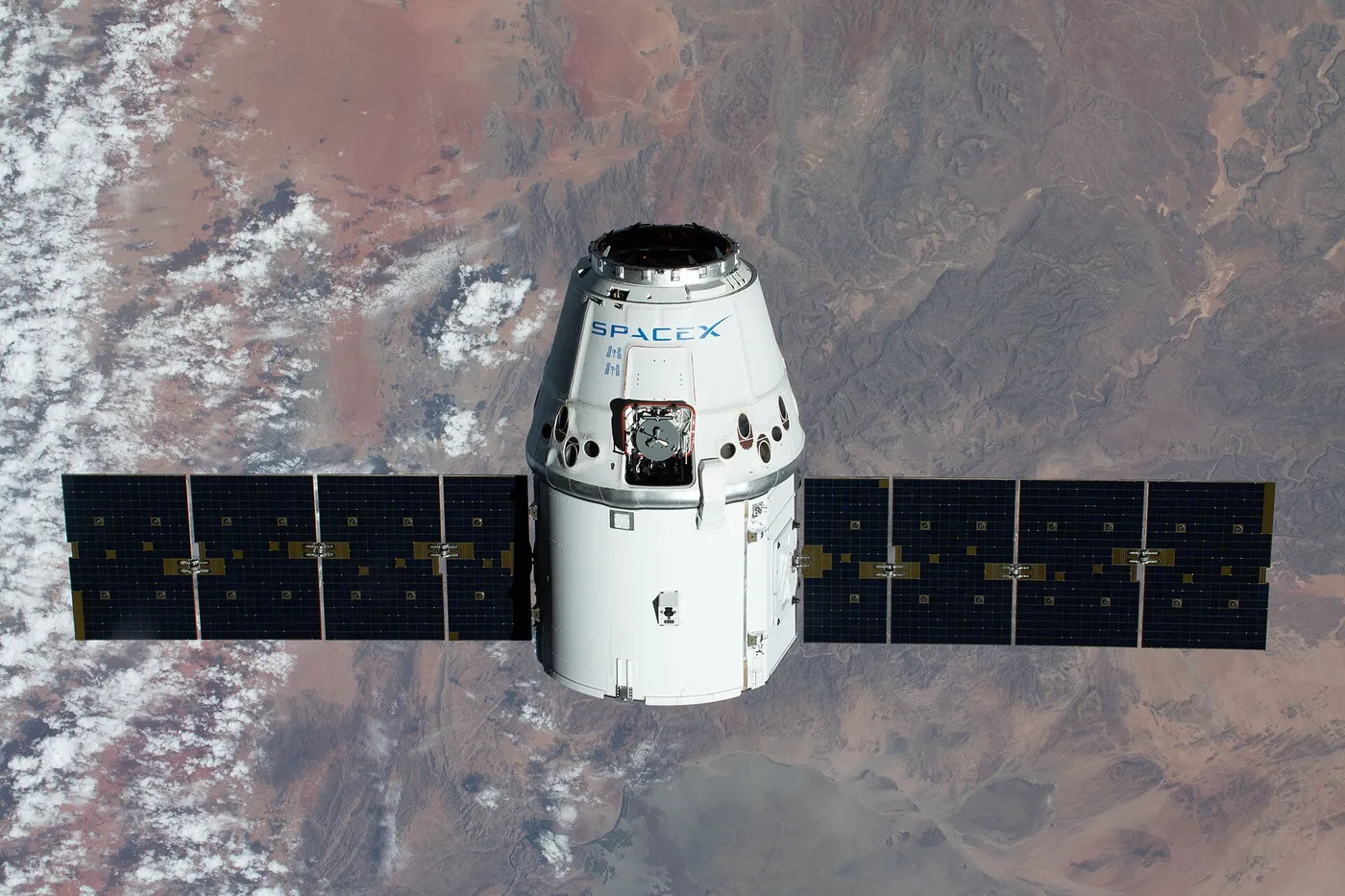

CRS-19 carried a mixture that fairly represents what the station's research programme had become: a facility for growing tissue in three dimensions, a study of how microgravity affects the healing of bone, an experiment on the behaviour of malting barley, and forty mice.
It also delivered a robotic tool kit for repairing the Alpha Magnetic Spectrometer, the particle detector installed in 2011 whose cooling pumps had degraded. The repair required a series of complex spacewalks using purpose-built tools, on a payload never designed to be serviced.
That repair succeeded, extending the spectrometer's operating life by years and demonstrating that station crews could service equipment that engineers had assumed would simply be abandoned when it failed.
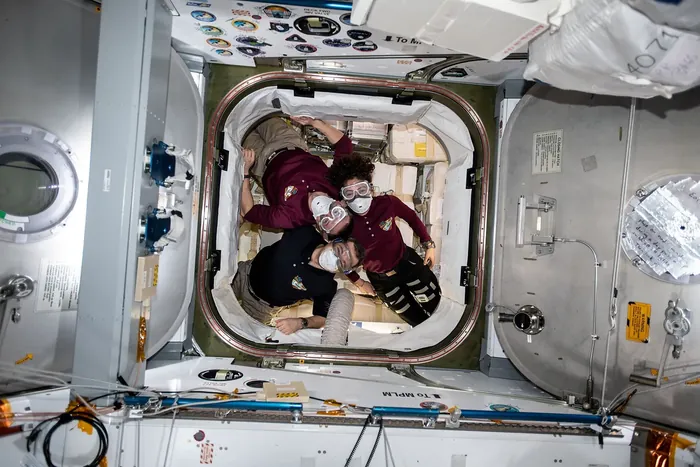
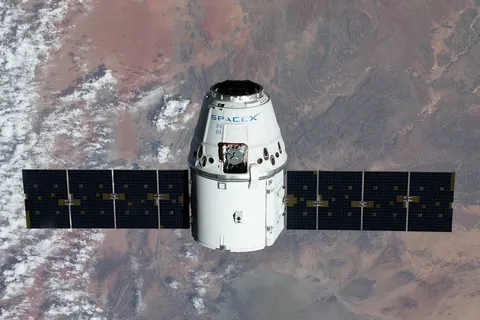
The capsule was on its third flight and the booster on its second, and around 2,600 kilograms was delivered with a comparable mass returned.
By this point roughly a third of everything the station's American segment received arrived on these flights, and the return capacity for experiment samples remained unique to the vehicle.