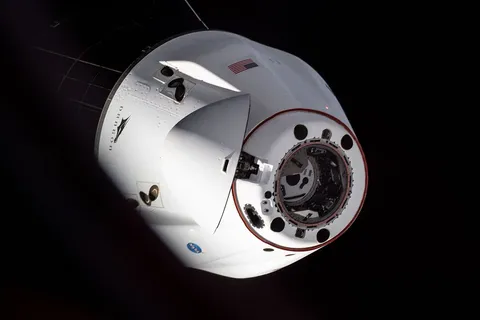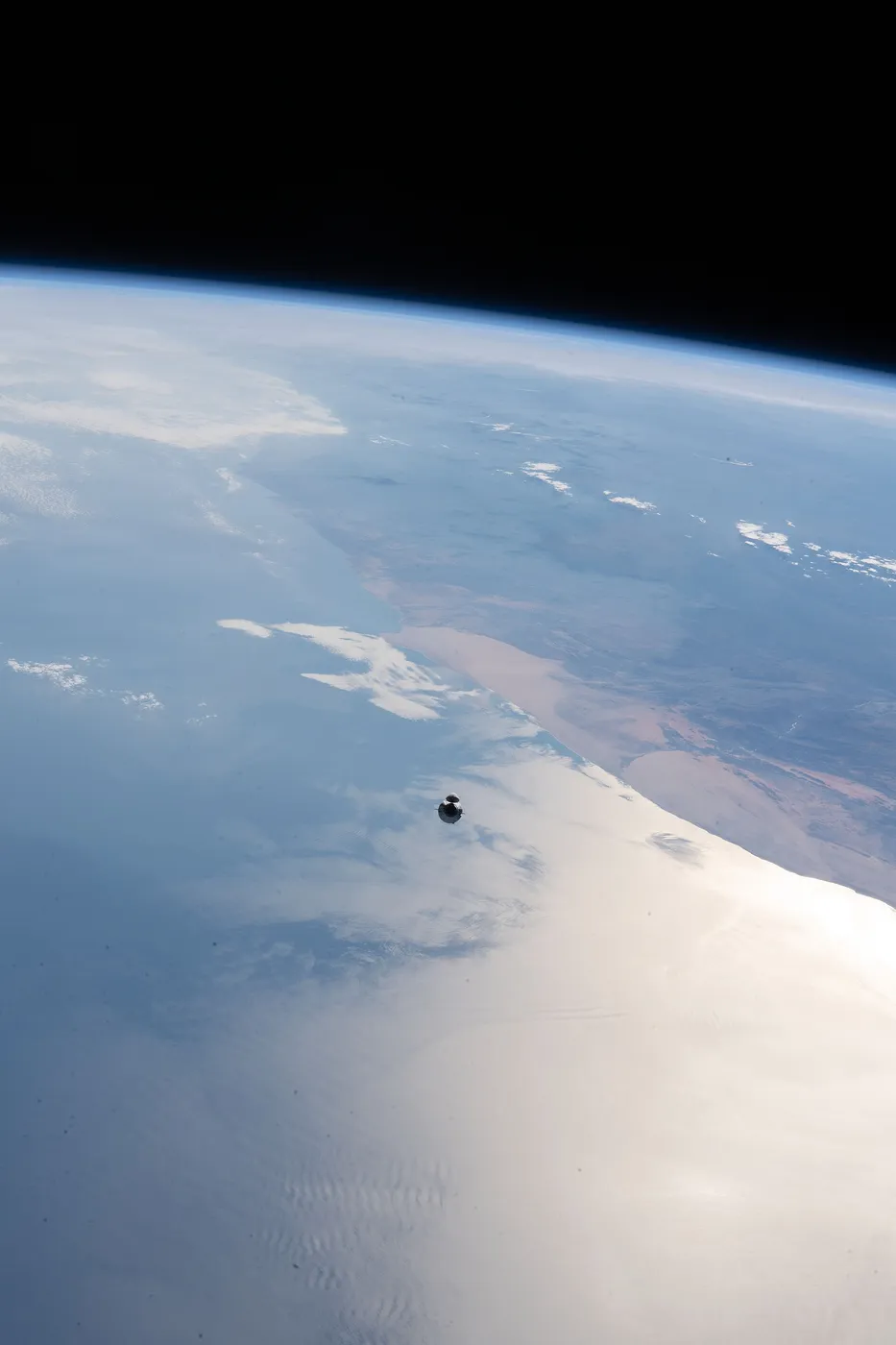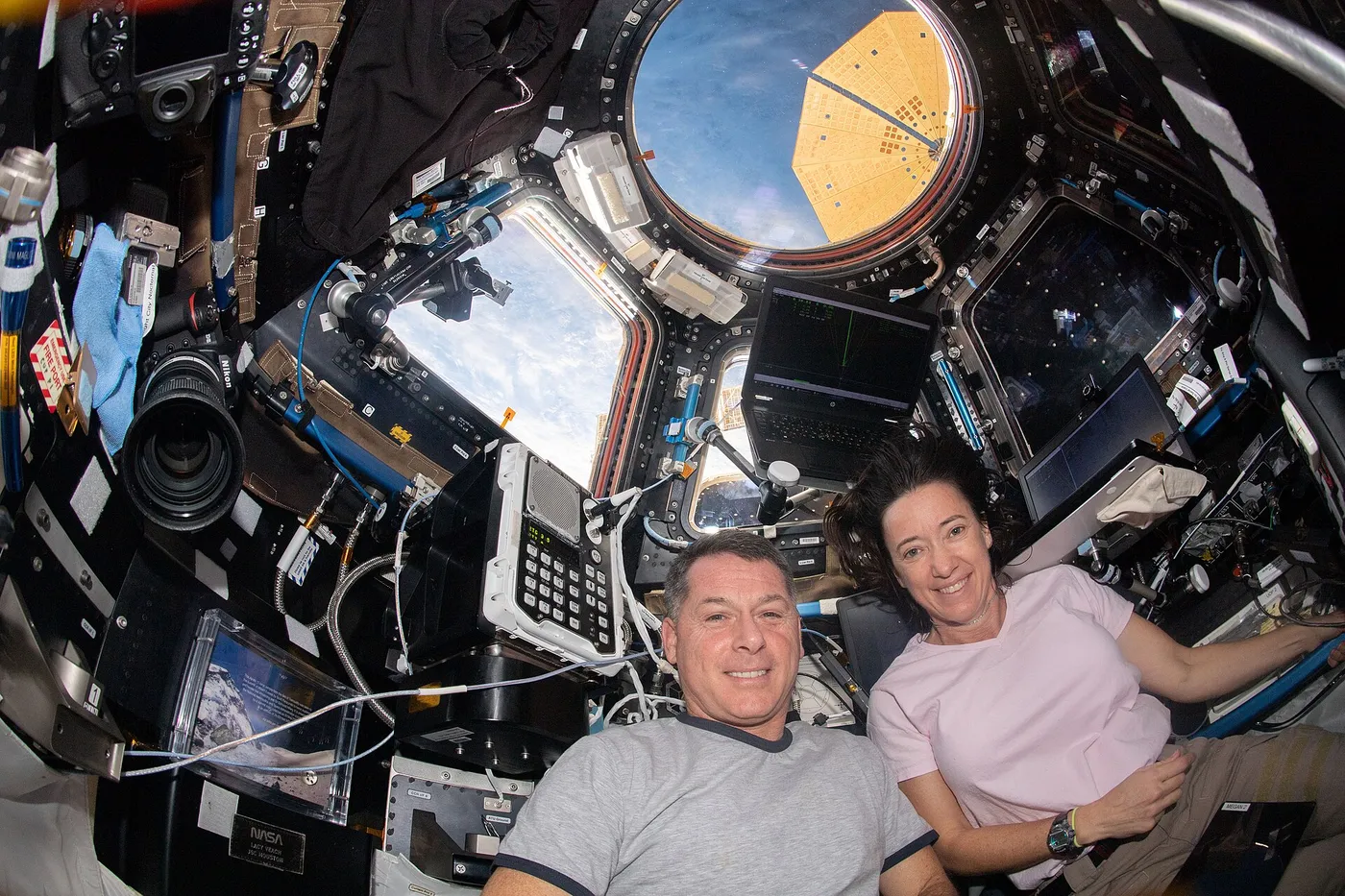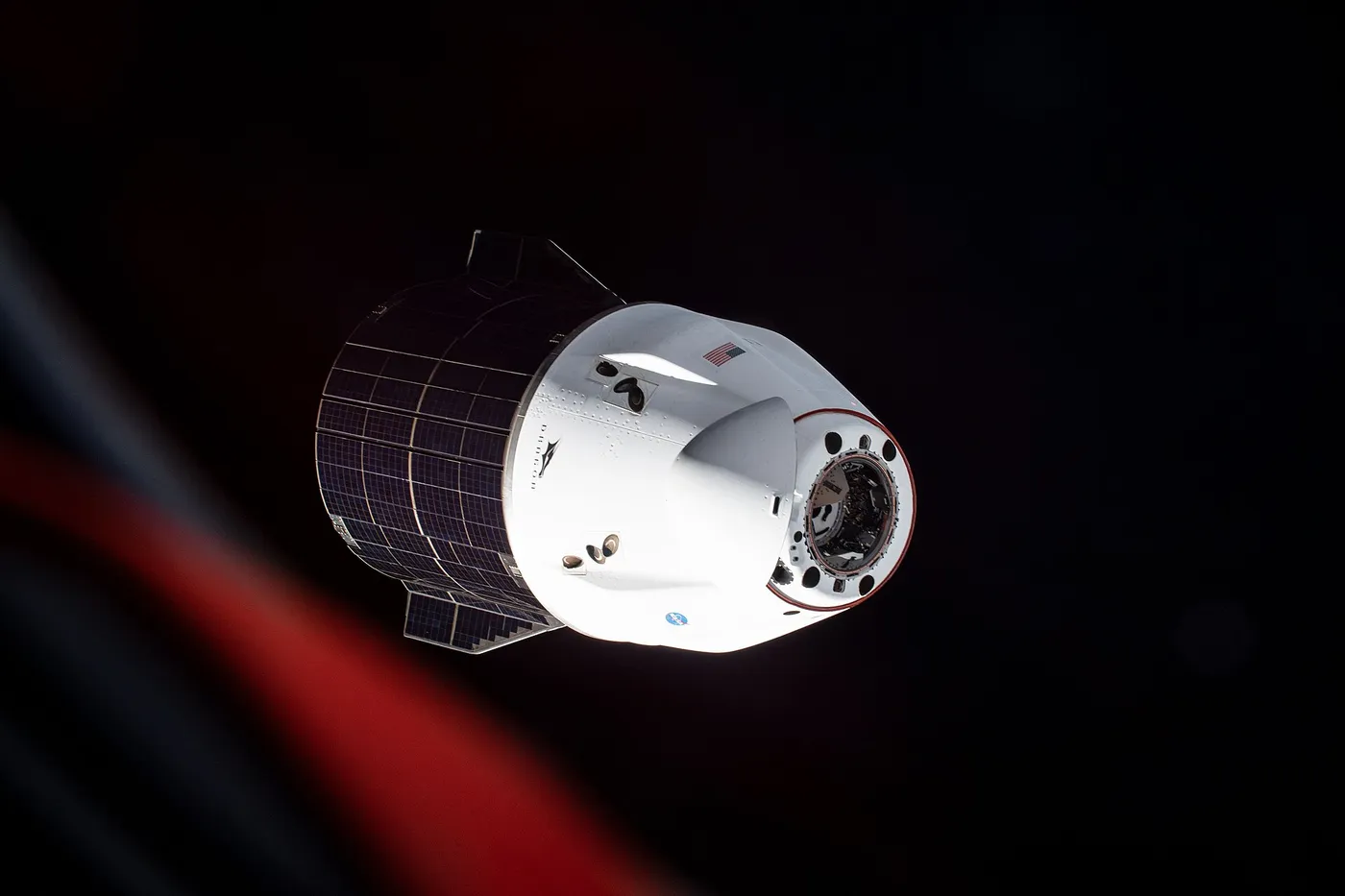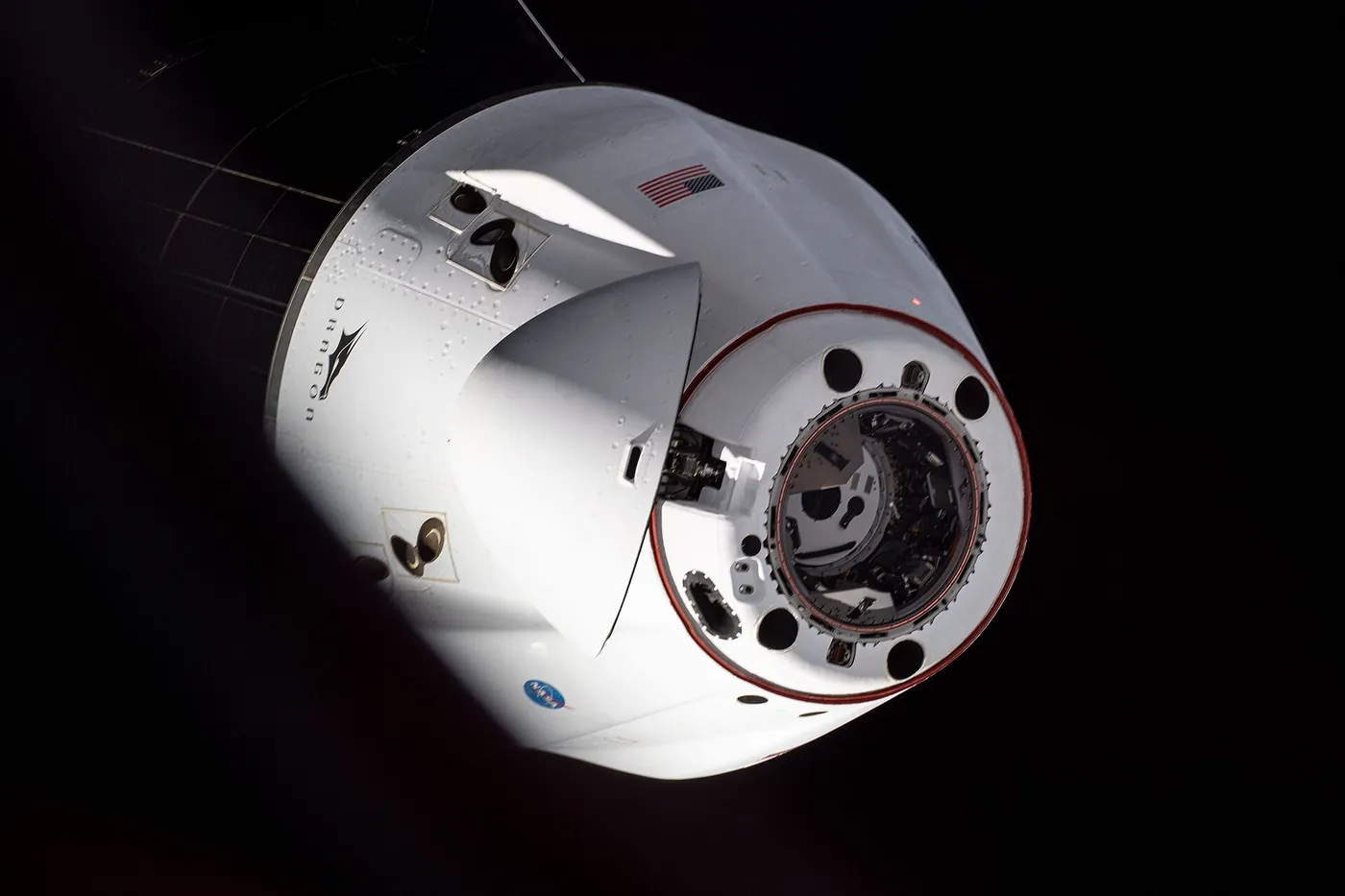

CRS-17 landed its booster on a drone ship rather than at the Cape, because the landing zone was unavailable — a Crew Dragon capsule had been destroyed during a ground test of its abort thrusters a few weeks earlier, and the site was still being cleared.
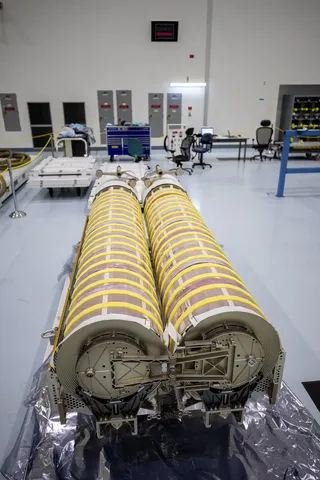
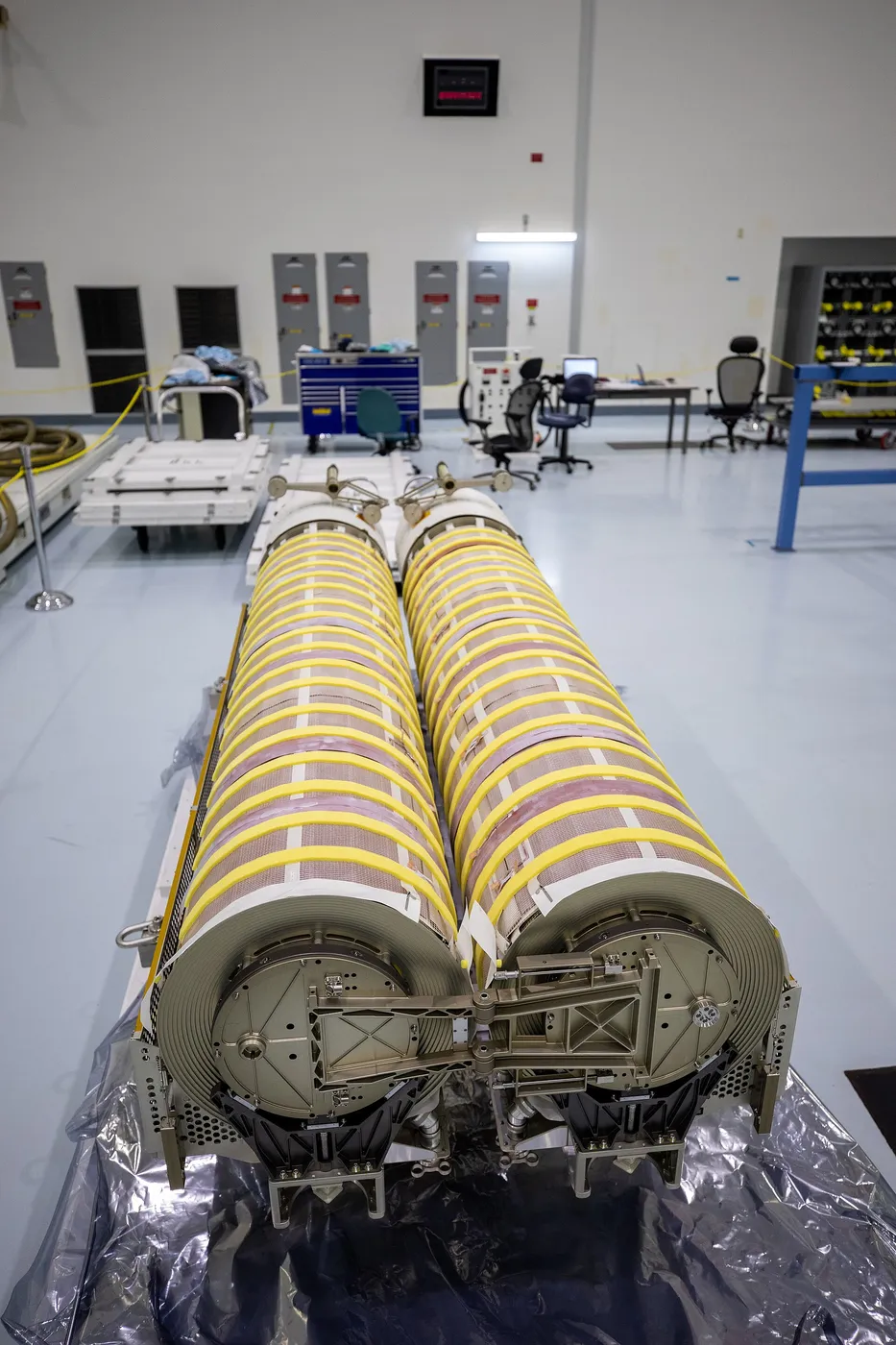
The primary payload was a carbon dioxide observatory mounted outside the station, built from spare hardware left over from an earlier satellite programme. Like ECOSTRESS it benefited from the station's drifting orbit, sampling carbon concentrations at varying times of day.
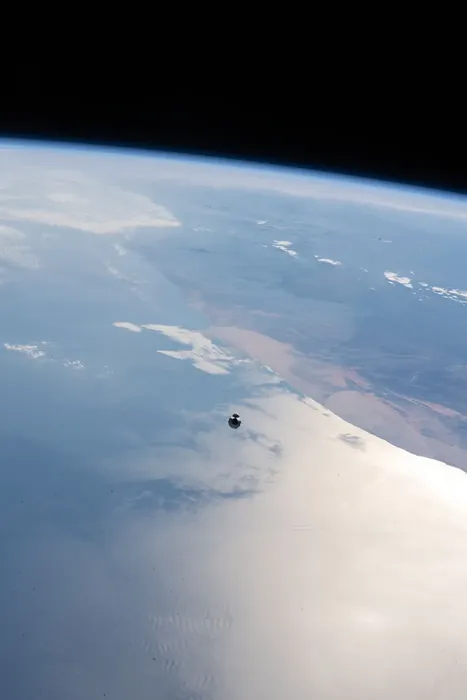
That diurnal sampling matters because plants absorb carbon dioxide during daylight and release it at night, so a satellite that always observes at the same hour sees only part of the cycle.
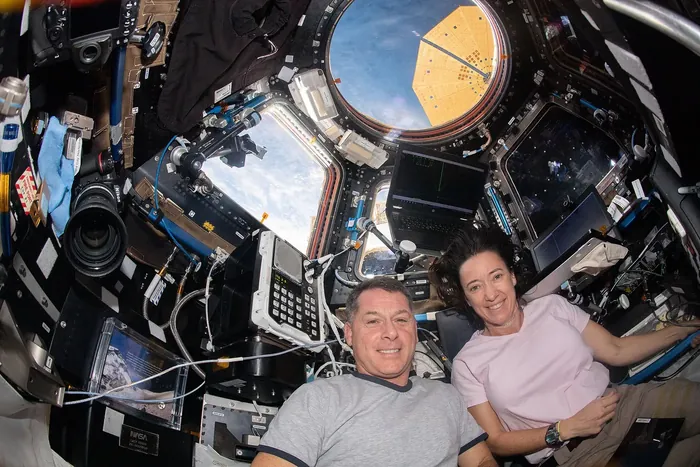
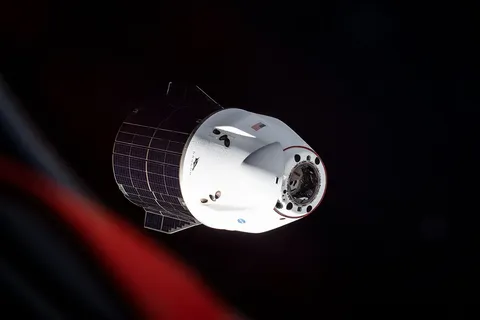
The flight also carried a Department of Defense experiment package, biological research on tissue chips, and around 2,500 kilograms of supplies and hardware.
Both booster and capsule were previously flown. The mission is a fair illustration of how the station had become a platform of convenience for Earth-observing instruments that could not justify their own satellite.