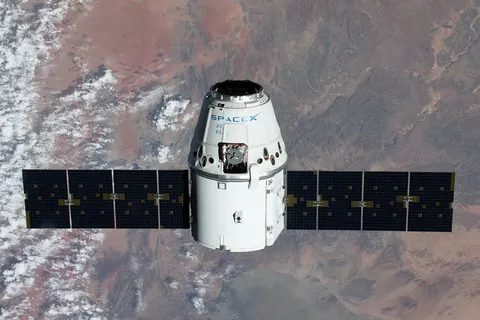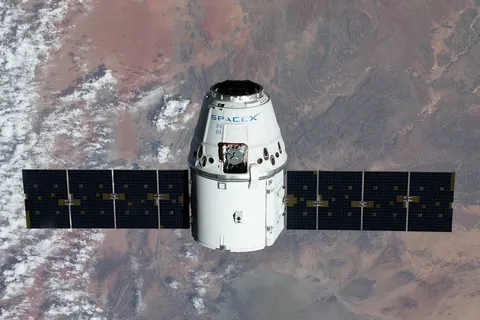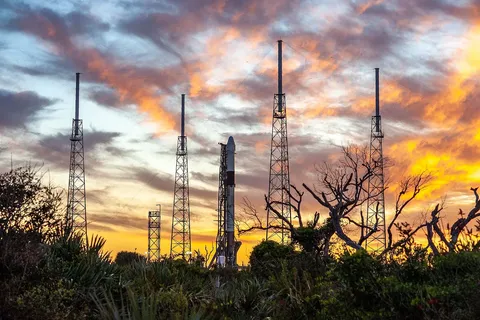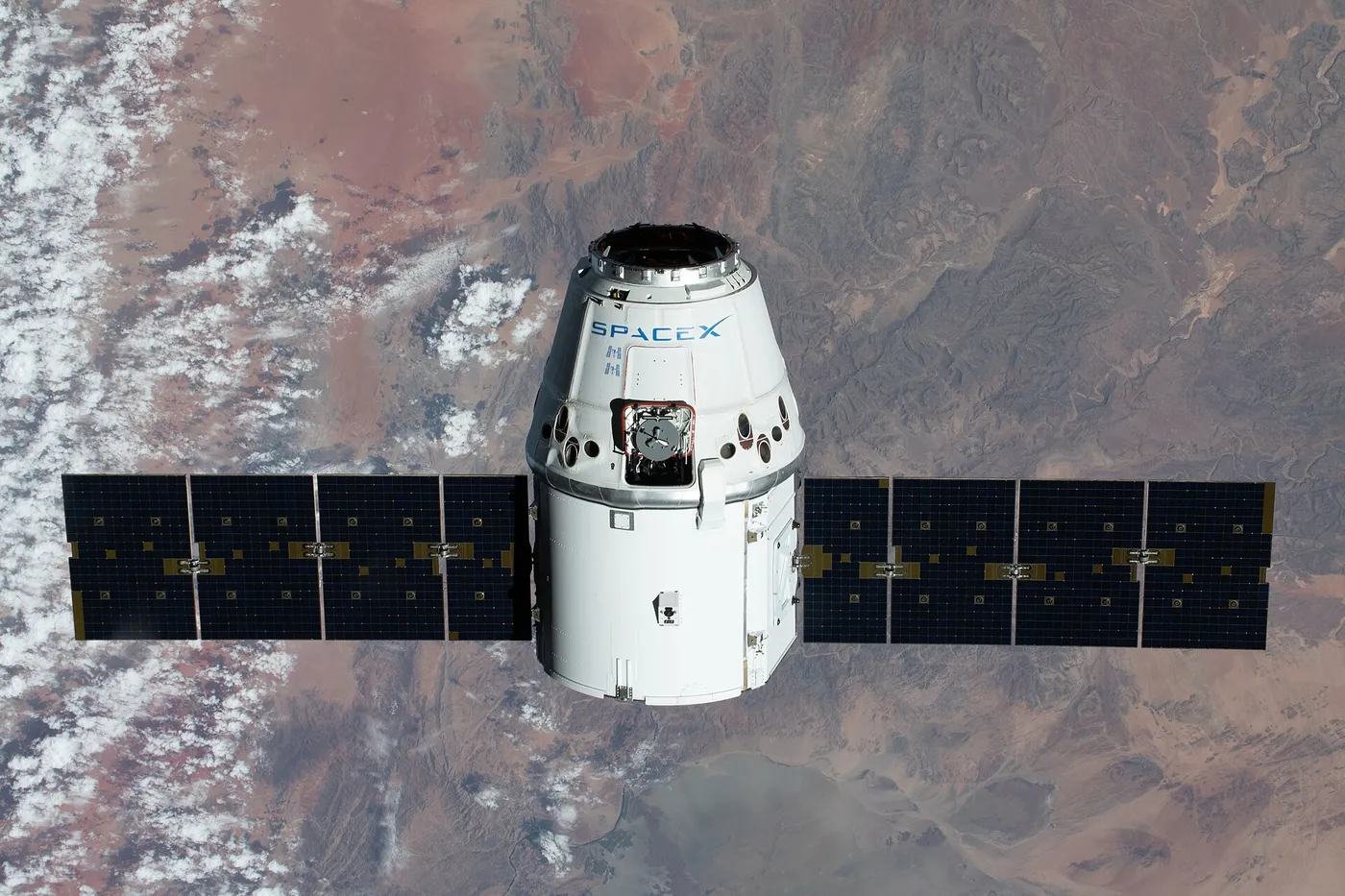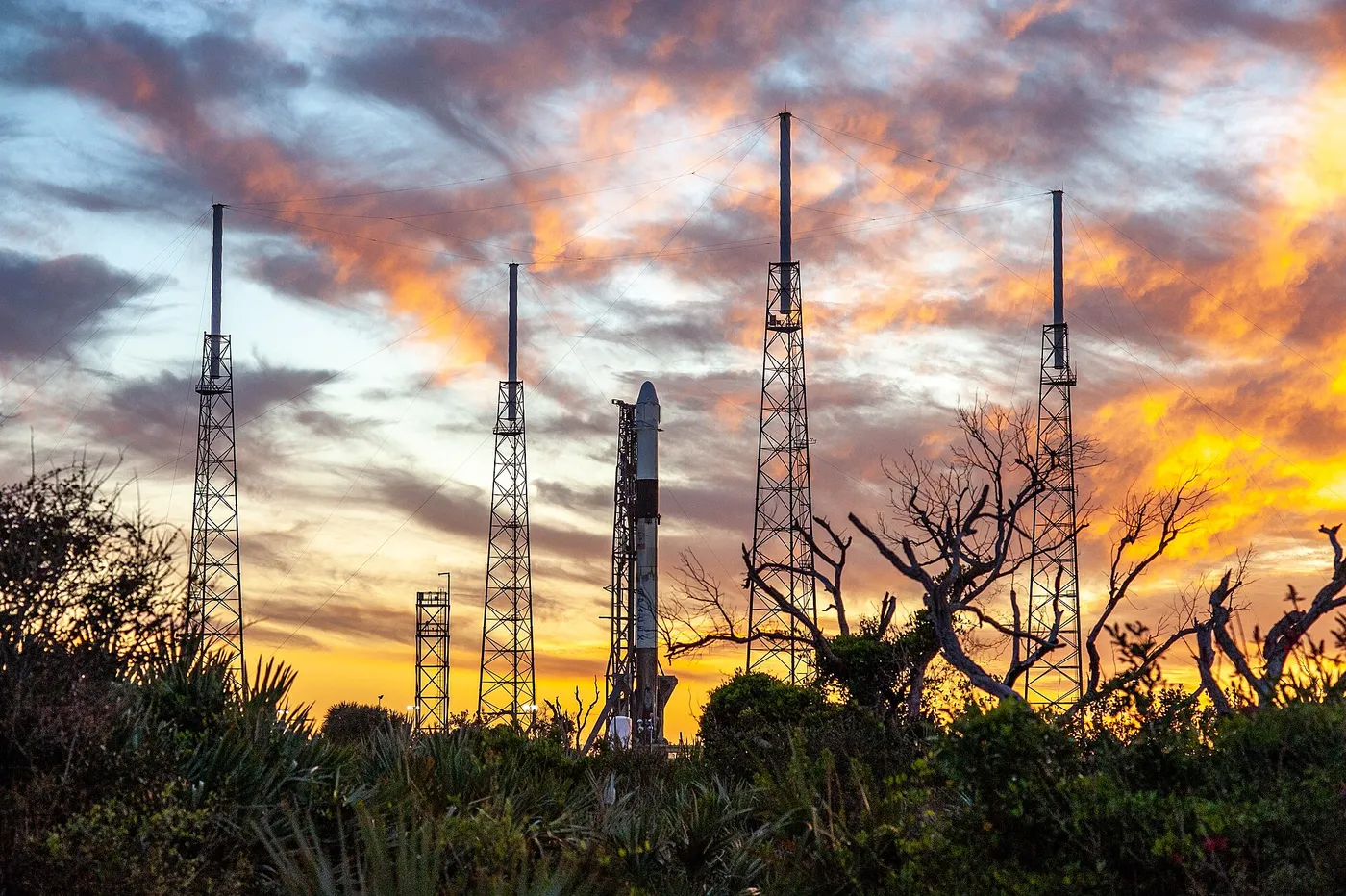
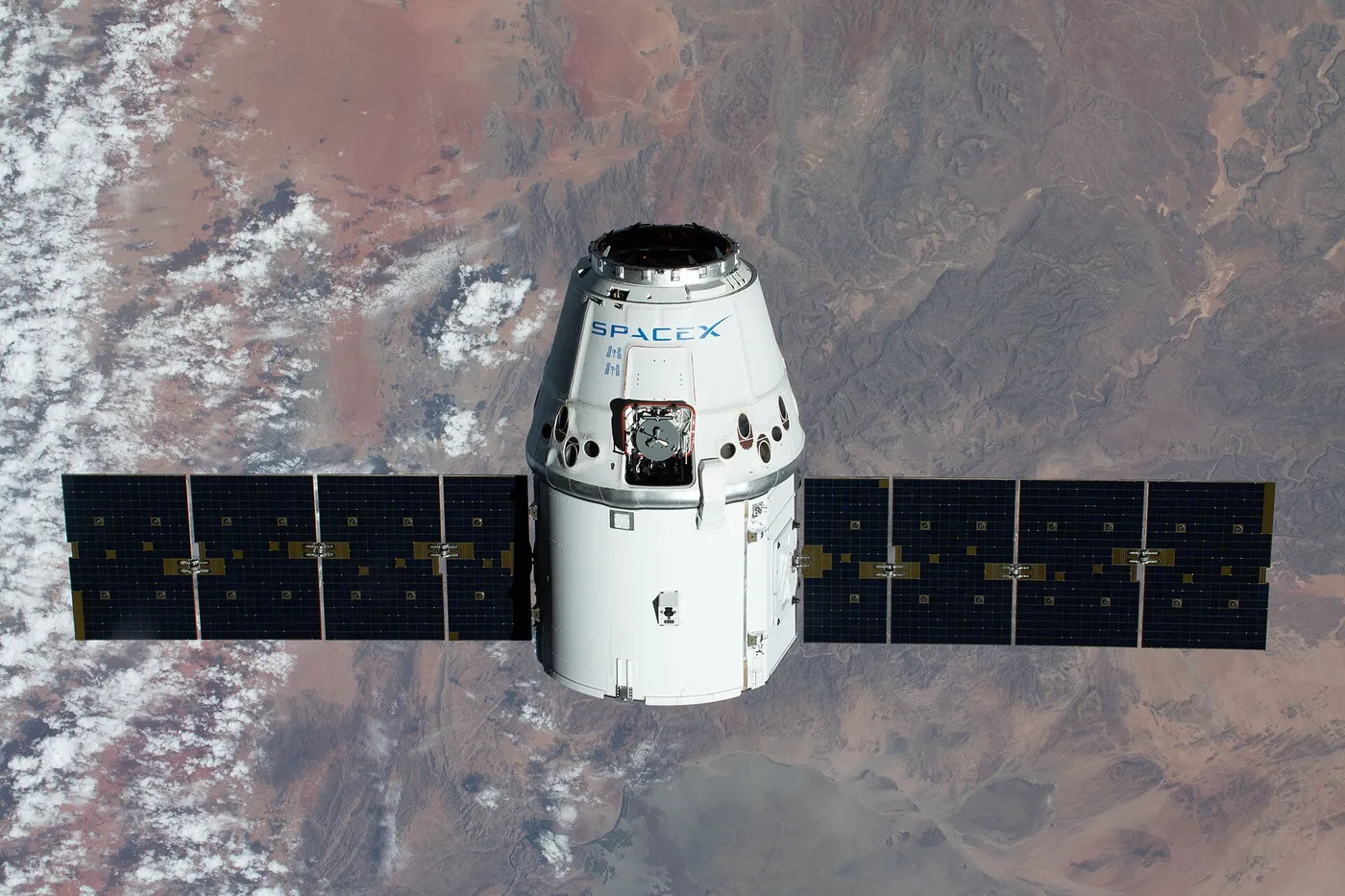

CRS-13 was the first mission to reuse both the rocket and the spacecraft. The first stage had flown a resupply mission five months earlier and the Dragon capsule had flown in 2015 — a combination that had been the stated goal of reusability advocates for decades.
The economics of that combination are what changed launch pricing. A vehicle whose most expensive components are recovered and reflown converts a large capital cost into a much smaller refurbishment cost, provided the refurbishment is genuinely cheap — which had been the Shuttle's central unmet promise.
The primary payload measured the Sun's total and spectral irradiance from the station's exterior, continuing the record that SORCE had maintained and which requires unbroken overlap between instruments to remain usable.
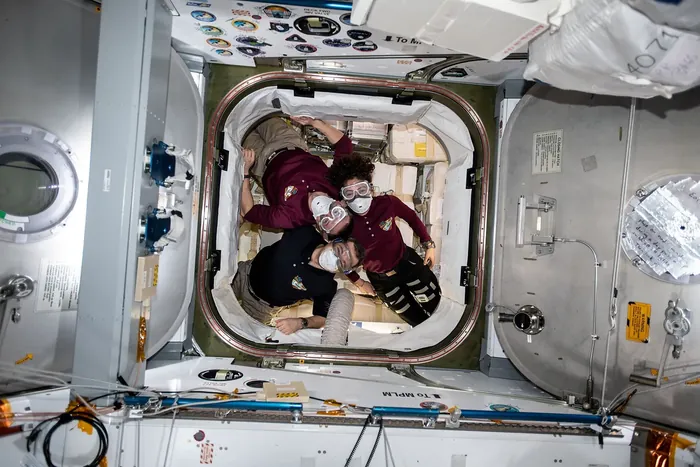
It also carried a plant habitat, experiments on fibre optic manufacturing in weightlessness, and around 2,200 kilograms of cargo overall.
The first stage returned to land at the Cape for a second time. The flight passed with little public attention, which was itself the point — reuse had become an operational detail rather than an event.